
US Supreme Court Poised to Expand Presidential Power Over Federal Agencies
In This Article
HIGHLIGHTS
- The US Supreme Court's conservative majority appears inclined to support Trump's authority to dismiss independent agency members, challenging a 1935 precedent.
- The case involves Trump's firing of FTC member Rebecca Slaughter, raising questions about the independence of federal agencies.
- The court's decision could redefine executive power, potentially allowing presidents more control over independent agencies.
- Legal experts warn that overturning the Humphrey's Executor ruling could dismantle the structure of government, affecting agency independence.
- A decision is expected in several months, with significant implications for the balance of power between the presidency and Congress.
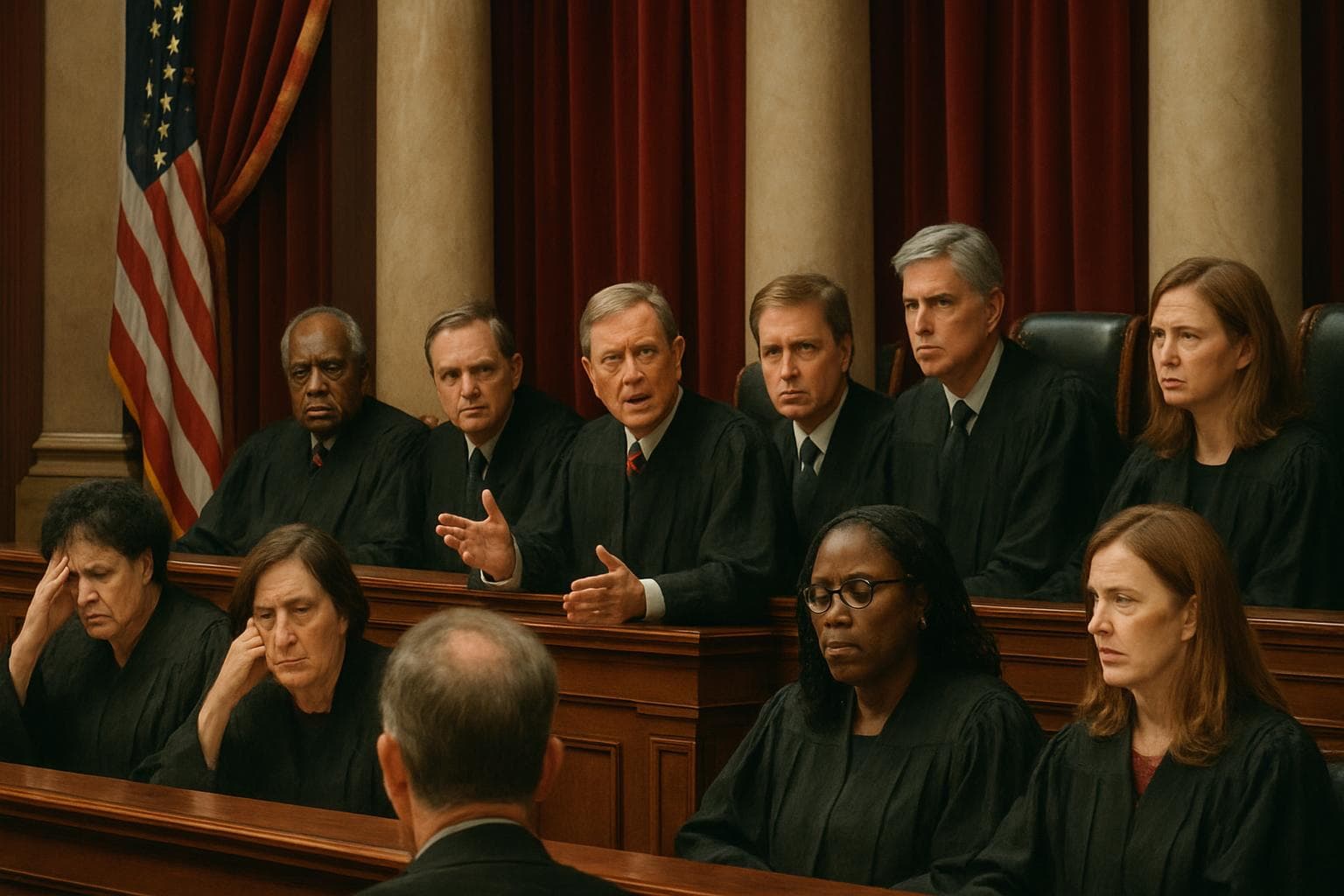
The US Supreme Court appears ready to endorse a significant expansion of presidential authority, potentially allowing President Donald Trump to dismiss members of independent federal agencies. This development arises from the case Trump v Slaughter, which questions the legality of Trump's dismissal of Rebecca Slaughter, a Democratic member of the Federal Trade Commission (FTC).
Background and Legal Context
The case challenges a nearly century-old precedent established by the 1935 Supreme Court ruling in Humphrey's Executor v United States. This ruling has historically protected the heads of independent agencies from presidential removal, asserting that such agencies are "quasi-judicial and quasi-legislative" and not subject to executive control. The current conservative majority on the court, however, seems inclined to overturn this precedent, arguing for increased presidential oversight.
Arguments and Implications
During the recent hearings, US Solicitor General John Sauer described the Humphrey's Executor decision as an outdated "decaying husk" that should be overturned. He argued that independent agencies, like the FTC, operate as a "headless fourth branch" of government, lacking accountability. Conservative justices, including Neil Gorsuch, echoed these sentiments, emphasizing the constitutional issues posed by broad delegations of power to such agencies.
Conversely, liberal justices expressed concern over the potential consequences of granting the president unchecked power to dismiss agency leaders. Justice Sonia Sotomayor warned that this could dismantle the government's structure, while Justice Elena Kagan highlighted the risk of concentrating excessive power in the presidency.
Potential Outcomes and Expert Opinions
Legal experts, such as former Justice Department lawyer John Yoo, have underscored the case's significance, noting its potential to reshape the federal government's workings. The court's decision, expected in several months, could redefine the balance of power between the presidency and Congress, impacting the independence of agencies like the FTC and the National Labor Relations Board.
WHAT THIS MIGHT MEAN
If the Supreme Court rules in favor of expanding presidential power, it could lead to a significant shift in the federal government's structure, allowing future presidents more direct control over independent agencies. This may result in increased politicization of these bodies, potentially undermining their ability to function impartially. Conversely, maintaining the status quo would preserve the current balance of power, ensuring that independent agencies continue to operate with a degree of autonomy from the executive branch. Legal scholars and policymakers will be closely watching the court's decision, as it could set a precedent for future cases involving executive authority and agency independence.
Related Articles
Senate Blocks Resolution to Limit Trump's Military Actions in Iran
Spain's Sánchez Stands Firm Against Trump's Trade Threat Over Iran Stance
US Supreme Court Ruling Sparks Trade Uncertainty in Asia and Beyond

US-Iran Tensions Escalate Amid Renewed Nuclear Talks and Protests

Greenland Politely Declines Trump's Hospital Ship Offer Amid Healthcare Debate
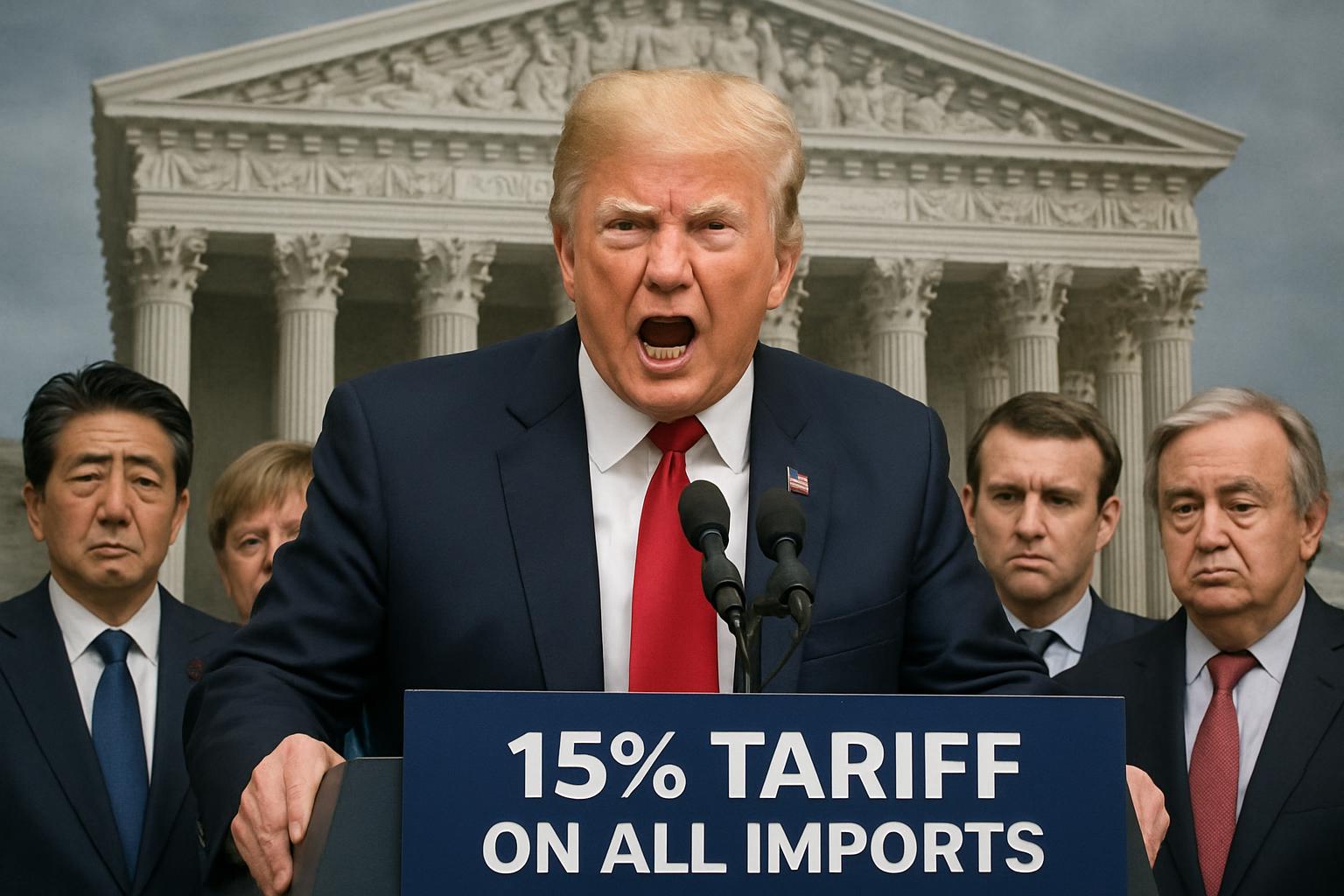
Trump Raises Import Tariffs to 15% After Supreme Court Setback
US Supreme Court Poised to Expand Presidential Power Over Federal Agencies
In This Article
 Ethan Brooks| Published
 HIGHLIGHTS
- The US Supreme Court's conservative majority appears inclined to support Trump's authority to dismiss independent agency members, challenging a 1935 precedent.
- The case involves Trump's firing of FTC member Rebecca Slaughter, raising questions about the independence of federal agencies.
- The court's decision could redefine executive power, potentially allowing presidents more control over independent agencies.
- Legal experts warn that overturning the Humphrey's Executor ruling could dismantle the structure of government, affecting agency independence.
- A decision is expected in several months, with significant implications for the balance of power between the presidency and Congress.
The US Supreme Court appears ready to endorse a significant expansion of presidential authority, potentially allowing President Donald Trump to dismiss members of independent federal agencies. This development arises from the case Trump v Slaughter, which questions the legality of Trump's dismissal of Rebecca Slaughter, a Democratic member of the Federal Trade Commission (FTC).
Background and Legal Context
The case challenges a nearly century-old precedent established by the 1935 Supreme Court ruling in Humphrey's Executor v United States. This ruling has historically protected the heads of independent agencies from presidential removal, asserting that such agencies are "quasi-judicial and quasi-legislative" and not subject to executive control. The current conservative majority on the court, however, seems inclined to overturn this precedent, arguing for increased presidential oversight.
Arguments and Implications
During the recent hearings, US Solicitor General John Sauer described the Humphrey's Executor decision as an outdated "decaying husk" that should be overturned. He argued that independent agencies, like the FTC, operate as a "headless fourth branch" of government, lacking accountability. Conservative justices, including Neil Gorsuch, echoed these sentiments, emphasizing the constitutional issues posed by broad delegations of power to such agencies.
Conversely, liberal justices expressed concern over the potential consequences of granting the president unchecked power to dismiss agency leaders. Justice Sonia Sotomayor warned that this could dismantle the government's structure, while Justice Elena Kagan highlighted the risk of concentrating excessive power in the presidency.
Potential Outcomes and Expert Opinions
Legal experts, such as former Justice Department lawyer John Yoo, have underscored the case's significance, noting its potential to reshape the federal government's workings. The court's decision, expected in several months, could redefine the balance of power between the presidency and Congress, impacting the independence of agencies like the FTC and the National Labor Relations Board.
WHAT THIS MIGHT MEAN
If the Supreme Court rules in favor of expanding presidential power, it could lead to a significant shift in the federal government's structure, allowing future presidents more direct control over independent agencies. This may result in increased politicization of these bodies, potentially undermining their ability to function impartially. Conversely, maintaining the status quo would preserve the current balance of power, ensuring that independent agencies continue to operate with a degree of autonomy from the executive branch. Legal scholars and policymakers will be closely watching the court's decision, as it could set a precedent for future cases involving executive authority and agency independence.
Related Articles
Senate Blocks Resolution to Limit Trump's Military Actions in Iran
Spain's Sánchez Stands Firm Against Trump's Trade Threat Over Iran Stance
US Supreme Court Ruling Sparks Trade Uncertainty in Asia and Beyond
US-Iran Tensions Escalate Amid Renewed Nuclear Talks and Protests
Greenland Politely Declines Trump's Hospital Ship Offer Amid Healthcare Debate
Trump Raises Import Tariffs to 15% After Supreme Court Setback