
Supreme Court Scrutinizes Trump's Bid to Dismiss Fed Governor Lisa Cook
In This Article
HIGHLIGHTS
- The US Supreme Court is evaluating President Trump's attempt to remove Federal Reserve Governor Lisa Cook, citing alleged mortgage fraud.
- Justices expressed skepticism about the legality of Trump's actions, emphasizing the importance of central bank independence.
- Cook's dismissal was blocked by lower courts, and she remains on the Fed board, highlighting the legal complexities of the case.
- The Trump administration argues that Cook's alleged misconduct justifies her removal, while Cook's lawyers claim the accusations are unfounded.
- Experts warn that undermining the Fed's independence could have significant economic repercussions, including potential inflation impacts.
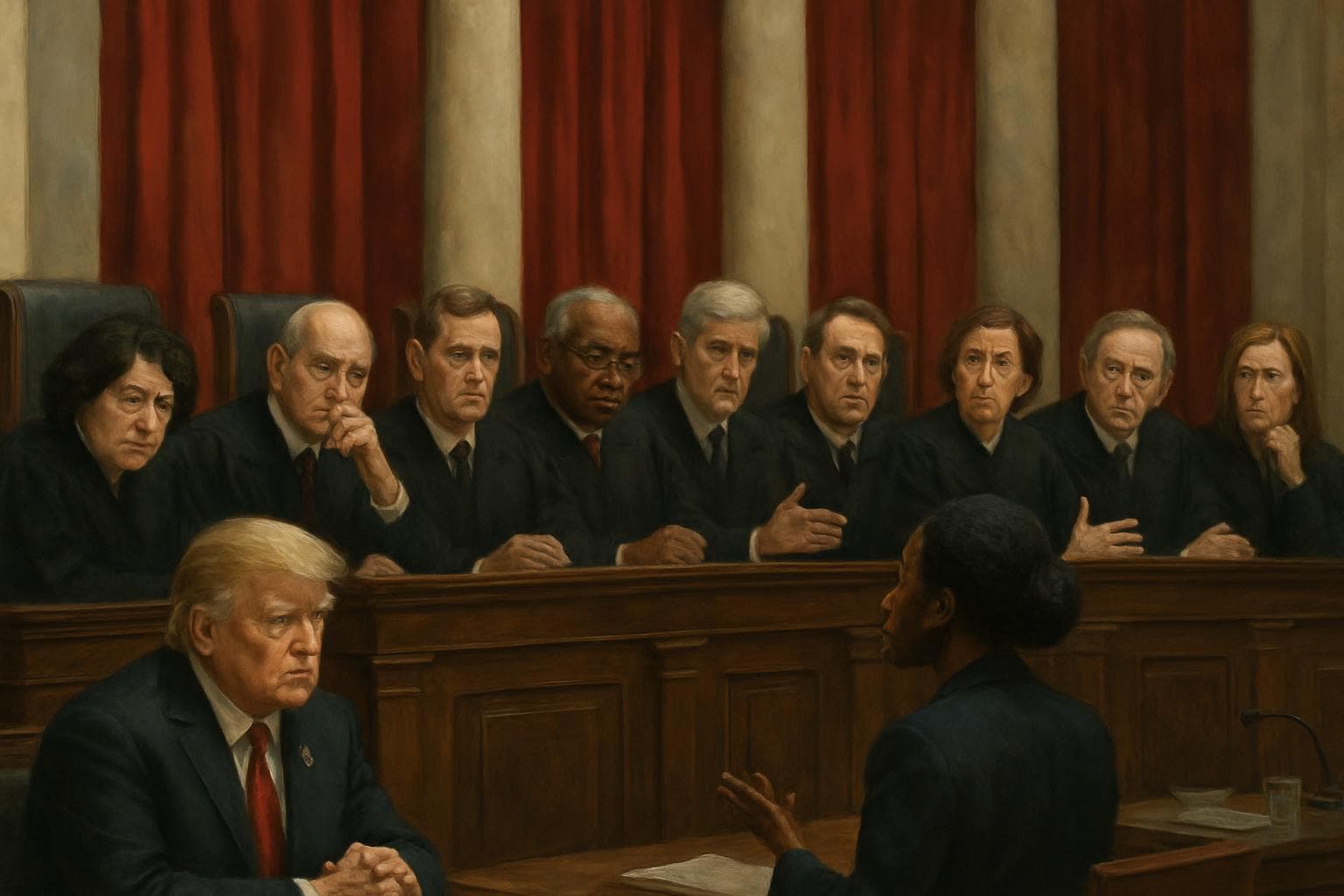
The US Supreme Court is currently deliberating on a pivotal case concerning President Donald Trump's attempt to dismiss Federal Reserve Governor Lisa Cook. This legal battle, which has drawn significant attention, centers on allegations of mortgage fraud against Cook, accusations she vehemently denies. The case is seen as a critical test of presidential power over the central bank and its independence.
Background and Legal Context
In August, President Trump announced his intention to remove Cook, citing her alleged involvement in mortgage fraud. The administration claims Cook misrepresented properties as her primary residence to secure favorable mortgage rates. However, Cook's legal team argues that these allegations are based on selective and incomplete information, asserting that any discrepancies were inadvertent.
The Supreme Court justices, including conservative Justice Brett Kavanaugh, have raised concerns about the potential implications of allowing such presidential actions without due process. Kavanaugh warned that setting a precedent for easy removal of Fed governors could lead to political manipulation of the central bank, undermining its independence.
Central Bank Independence at Stake
The case has broader implications for the Federal Reserve's autonomy. Historically, the Fed has been insulated from political pressures to ensure unbiased monetary policy decisions. The "for cause" requirement for removing governors is intended to protect this independence. Critics argue that Trump's actions could weaken these safeguards, potentially leading to economic instability.
Economic and Political Ramifications
Experts caution that if the Supreme Court sides with Trump, it could trigger a crisis in confidence in the US dollar and financial markets. Sally Auld, chief economist at National Australia Bank, warned that such a move could lead to higher inflation and affect global markets, including Australia's monetary policy.
Despite the gravity of the situation, financial markets have remained relatively calm. However, the outcome of this case could set a significant precedent for the future of US monetary policy and the balance of power between the presidency and the Federal Reserve.
WHAT THIS MIGHT MEAN
As the Supreme Court deliberates, the outcome of this case could redefine the boundaries of presidential authority over the Federal Reserve. If the court rules in favor of Trump, it may embolden future administrations to exert greater control over the central bank, potentially compromising its independence. Conversely, a decision against Trump could reinforce the legal protections that shield the Fed from political interference.
The decision will also have international implications, as central banks worldwide observe the US approach to maintaining monetary policy independence. Economists warn that any perceived weakening of the Fed's autonomy could lead to increased volatility in global markets, affecting currencies and interest rates.
Ultimately, the Supreme Court's ruling will not only impact Lisa Cook's position but also shape the future landscape of US economic governance and its ripple effects across the global financial system.
Related Articles
US Supreme Court Ruling Sparks Trade Uncertainty in Asia and Beyond
Trump's New Tariff Strategy Sparks Global Trade Uncertainty

Canada and Australia Forge Strategic Partnership Amid Global Uncertainty

Tech Giants Pledge to Cover AI Data Center Energy Costs Amid Rising Electricity Concerns
Congress Subpoenas Attorney General Bondi in Epstein Investigation

Cuba Faces Widespread Blackout Amid Deepening Fuel Crisis
Supreme Court Scrutinizes Trump's Bid to Dismiss Fed Governor Lisa Cook
In This Article
 Daniel Rivera| Published
 HIGHLIGHTS
- The US Supreme Court is evaluating President Trump's attempt to remove Federal Reserve Governor Lisa Cook, citing alleged mortgage fraud.
- Justices expressed skepticism about the legality of Trump's actions, emphasizing the importance of central bank independence.
- Cook's dismissal was blocked by lower courts, and she remains on the Fed board, highlighting the legal complexities of the case.
- The Trump administration argues that Cook's alleged misconduct justifies her removal, while Cook's lawyers claim the accusations are unfounded.
- Experts warn that undermining the Fed's independence could have significant economic repercussions, including potential inflation impacts.
The US Supreme Court is currently deliberating on a pivotal case concerning President Donald Trump's attempt to dismiss Federal Reserve Governor Lisa Cook. This legal battle, which has drawn significant attention, centers on allegations of mortgage fraud against Cook, accusations she vehemently denies. The case is seen as a critical test of presidential power over the central bank and its independence.
Background and Legal Context
In August, President Trump announced his intention to remove Cook, citing her alleged involvement in mortgage fraud. The administration claims Cook misrepresented properties as her primary residence to secure favorable mortgage rates. However, Cook's legal team argues that these allegations are based on selective and incomplete information, asserting that any discrepancies were inadvertent.
The Supreme Court justices, including conservative Justice Brett Kavanaugh, have raised concerns about the potential implications of allowing such presidential actions without due process. Kavanaugh warned that setting a precedent for easy removal of Fed governors could lead to political manipulation of the central bank, undermining its independence.
Central Bank Independence at Stake
The case has broader implications for the Federal Reserve's autonomy. Historically, the Fed has been insulated from political pressures to ensure unbiased monetary policy decisions. The "for cause" requirement for removing governors is intended to protect this independence. Critics argue that Trump's actions could weaken these safeguards, potentially leading to economic instability.
Economic and Political Ramifications
Experts caution that if the Supreme Court sides with Trump, it could trigger a crisis in confidence in the US dollar and financial markets. Sally Auld, chief economist at National Australia Bank, warned that such a move could lead to higher inflation and affect global markets, including Australia's monetary policy.
Despite the gravity of the situation, financial markets have remained relatively calm. However, the outcome of this case could set a significant precedent for the future of US monetary policy and the balance of power between the presidency and the Federal Reserve.
WHAT THIS MIGHT MEAN
As the Supreme Court deliberates, the outcome of this case could redefine the boundaries of presidential authority over the Federal Reserve. If the court rules in favor of Trump, it may embolden future administrations to exert greater control over the central bank, potentially compromising its independence. Conversely, a decision against Trump could reinforce the legal protections that shield the Fed from political interference.
The decision will also have international implications, as central banks worldwide observe the US approach to maintaining monetary policy independence. Economists warn that any perceived weakening of the Fed's autonomy could lead to increased volatility in global markets, affecting currencies and interest rates.
Ultimately, the Supreme Court's ruling will not only impact Lisa Cook's position but also shape the future landscape of US economic governance and its ripple effects across the global financial system.
Related Articles
US Supreme Court Ruling Sparks Trade Uncertainty in Asia and Beyond
Trump's New Tariff Strategy Sparks Global Trade Uncertainty
Canada and Australia Forge Strategic Partnership Amid Global Uncertainty
Tech Giants Pledge to Cover AI Data Center Energy Costs Amid Rising Electricity Concerns
Congress Subpoenas Attorney General Bondi in Epstein Investigation
Cuba Faces Widespread Blackout Amid Deepening Fuel Crisis