
US Supreme Court Scrutinizes Legality of Trump's Global Tariffs
In This Article
HIGHLIGHTS
- The US Supreme Court is reviewing the legality of President Trump's global tariffs, questioning the use of the International Emergency Economic Powers Act (IEEPA).
- Conservative justices expressed skepticism about the administration's justification for the tariffs, which could impact billions in tariff payments.
- A coalition of states and small businesses is challenging the tariffs, arguing that Trump overstepped his presidential authority.
- The case is seen as a significant test of presidential power, with potential implications for global trade and economic policy.
- If the court rules against Trump, the administration may need to refund collected tariffs and reconsider its economic strategy.
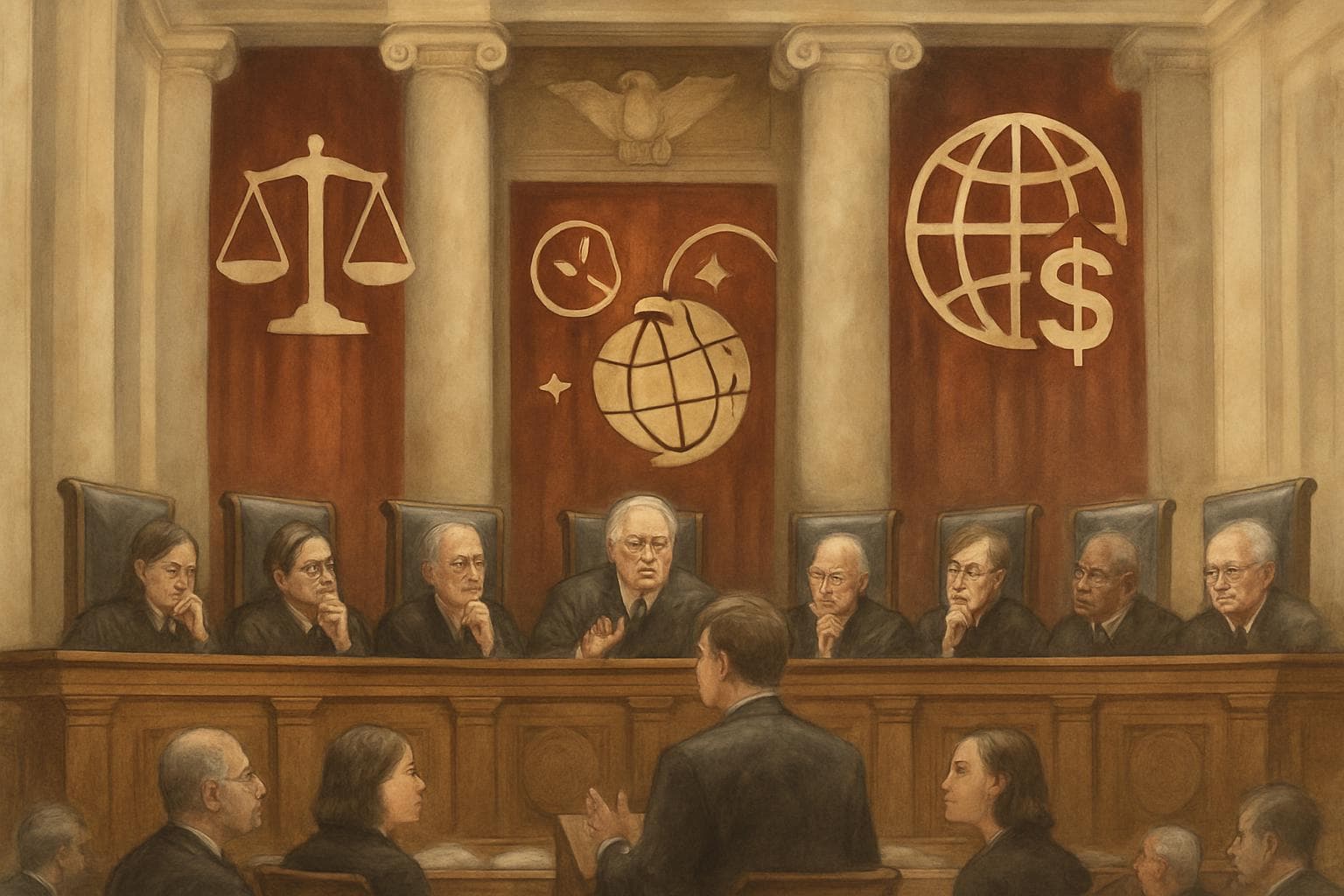
The US Supreme Court is currently deliberating on a pivotal case that challenges the legality of President Donald Trump's sweeping global tariffs. This case, which could have far-reaching implications for the US economy and international trade relations, centers on the president's use of the International Emergency Economic Powers Act (IEEPA) to impose tariffs on nearly all US trading partners.
Questioning Presidential Authority
During the hearing, several conservative justices expressed doubts about the Trump administration's rationale for the tariffs. Chief Justice John Roberts highlighted that the imposition of taxes has traditionally been a congressional power. Justice Amy Coney Barrett, appointed by Trump, questioned the necessity of targeting numerous countries, including allies like Spain and France, under the guise of national security threats.
Legal and Economic Stakes
The tariffs, which were initially justified by Trump as a response to drug trafficking and trade imbalances, have been contested by a coalition of 12 states and various small businesses. They argue that the president has overstepped his authority, effectively imposing a tax without congressional approval. The outcome of this case could require the government to refund billions of dollars in tariff payments, a process Justice Barrett warned could become a "complete mess."
Implications for Global Trade
The case is not only a test of Trump's economic policy but also a broader examination of presidential power. The administration has indicated that if the court rules against them, they will explore alternative tariff authorities. Treasury Secretary Scott Bessent emphasized the administration's readiness to adapt, stating, "The White House is always preparing for Plan B."
Trump's Perspective
President Trump has underscored the significance of the case, describing it as "one of the most important in the history of our country." He warned that a ruling against the tariffs could be "devastating" for the US, while a favorable decision would bolster the nation's economic standing.
WHAT THIS MIGHT MEAN
The Supreme Court's decision on this case could redefine the scope of presidential authority under the IEEPA, potentially setting a precedent for future administrations. If the court rules against Trump, it may necessitate a reevaluation of the balance between executive and legislative powers in economic policy. Conversely, a ruling in favor of the tariffs could embolden future presidents to leverage emergency powers more broadly, impacting global trade dynamics. Legal experts suggest that this case could influence how the US navigates international economic challenges and maintains its trade relationships.
Related Articles
Trump Raises Import Tariffs to 15% After Supreme Court Setback
Trump's New Tariff Strategy Sparks Global Trade Uncertainty

Tech Giants Pledge to Cover AI Data Center Energy Costs Amid Rising Electricity Concerns
Spain's Sánchez Stands Firm Against Trump's Trade Threat Over Iran Stance
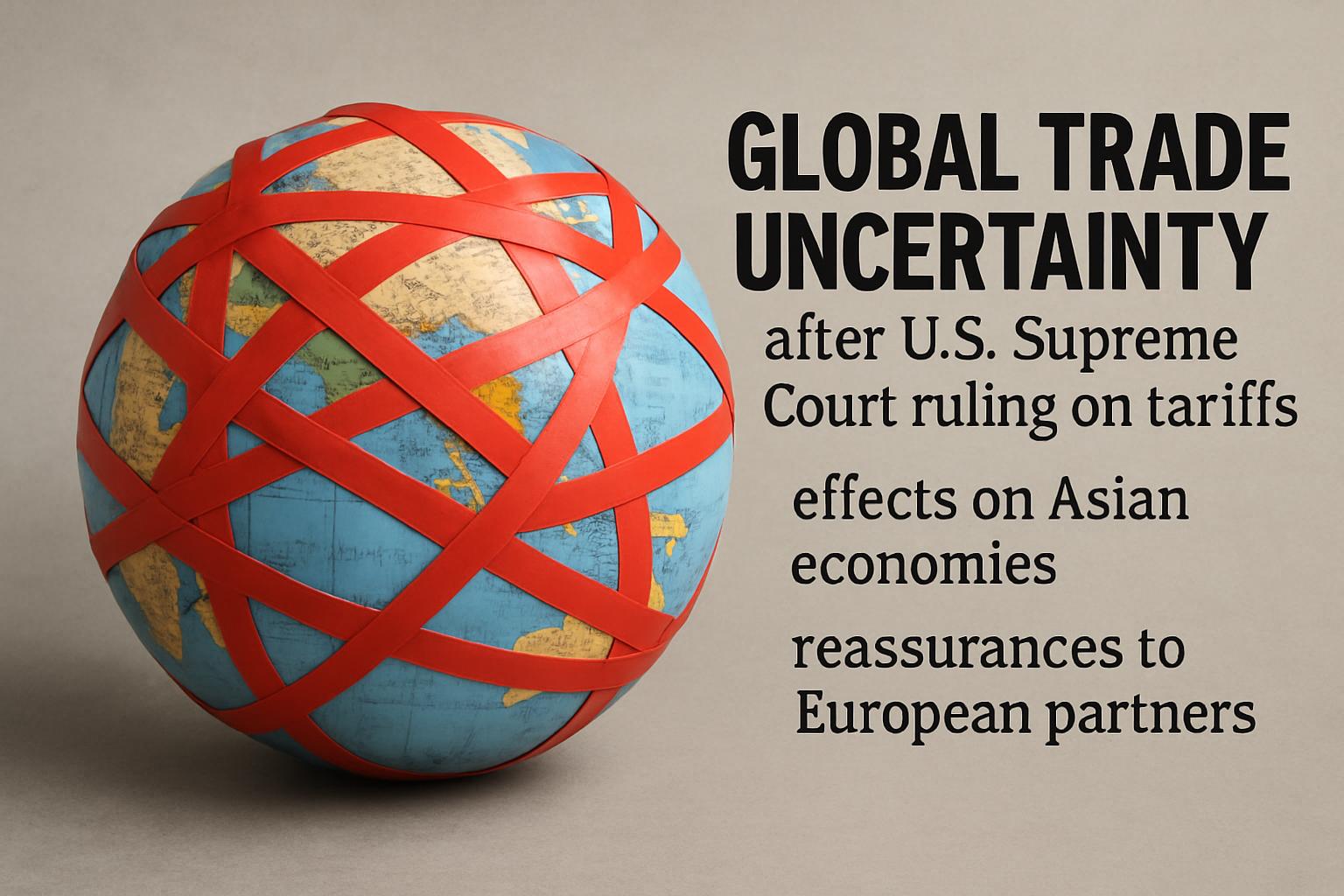
US Supreme Court Ruling Sparks Trade Uncertainty in Asia and Beyond
Congress Subpoenas Attorney General Bondi in Epstein Investigation
US Supreme Court Scrutinizes Legality of Trump's Global Tariffs
In This Article
 Daniel Rivera| Published
 HIGHLIGHTS
- The US Supreme Court is reviewing the legality of President Trump's global tariffs, questioning the use of the International Emergency Economic Powers Act (IEEPA).
- Conservative justices expressed skepticism about the administration's justification for the tariffs, which could impact billions in tariff payments.
- A coalition of states and small businesses is challenging the tariffs, arguing that Trump overstepped his presidential authority.
- The case is seen as a significant test of presidential power, with potential implications for global trade and economic policy.
- If the court rules against Trump, the administration may need to refund collected tariffs and reconsider its economic strategy.
The US Supreme Court is currently deliberating on a pivotal case that challenges the legality of President Donald Trump's sweeping global tariffs. This case, which could have far-reaching implications for the US economy and international trade relations, centers on the president's use of the International Emergency Economic Powers Act (IEEPA) to impose tariffs on nearly all US trading partners.
Questioning Presidential Authority
During the hearing, several conservative justices expressed doubts about the Trump administration's rationale for the tariffs. Chief Justice John Roberts highlighted that the imposition of taxes has traditionally been a congressional power. Justice Amy Coney Barrett, appointed by Trump, questioned the necessity of targeting numerous countries, including allies like Spain and France, under the guise of national security threats.
Legal and Economic Stakes
The tariffs, which were initially justified by Trump as a response to drug trafficking and trade imbalances, have been contested by a coalition of 12 states and various small businesses. They argue that the president has overstepped his authority, effectively imposing a tax without congressional approval. The outcome of this case could require the government to refund billions of dollars in tariff payments, a process Justice Barrett warned could become a "complete mess."
Implications for Global Trade
The case is not only a test of Trump's economic policy but also a broader examination of presidential power. The administration has indicated that if the court rules against them, they will explore alternative tariff authorities. Treasury Secretary Scott Bessent emphasized the administration's readiness to adapt, stating, "The White House is always preparing for Plan B."
Trump's Perspective
President Trump has underscored the significance of the case, describing it as "one of the most important in the history of our country." He warned that a ruling against the tariffs could be "devastating" for the US, while a favorable decision would bolster the nation's economic standing.
WHAT THIS MIGHT MEAN
The Supreme Court's decision on this case could redefine the scope of presidential authority under the IEEPA, potentially setting a precedent for future administrations. If the court rules against Trump, it may necessitate a reevaluation of the balance between executive and legislative powers in economic policy. Conversely, a ruling in favor of the tariffs could embolden future presidents to leverage emergency powers more broadly, impacting global trade dynamics. Legal experts suggest that this case could influence how the US navigates international economic challenges and maintains its trade relationships.
Related Articles
Trump Raises Import Tariffs to 15% After Supreme Court Setback
Trump's New Tariff Strategy Sparks Global Trade Uncertainty
Tech Giants Pledge to Cover AI Data Center Energy Costs Amid Rising Electricity Concerns
Spain's Sánchez Stands Firm Against Trump's Trade Threat Over Iran Stance
US Supreme Court Ruling Sparks Trade Uncertainty in Asia and Beyond
Congress Subpoenas Attorney General Bondi in Epstein Investigation