
Syrian Government and Kurdish Forces Reach Ceasefire Agreement Amid Strategic Gains
In This Article
HIGHLIGHTS
- Syrian government and Kurdish-led SDF have agreed to a nationwide ceasefire, ending weeks of conflict.
- The ceasefire is part of a 14-point agreement to integrate SDF into Syria's military and state institutions.
- Syrian forces have taken control of key oil fields and strategic areas previously held by the SDF.
- The agreement includes recognizing Kurdish cultural rights, marking a historic shift in Syrian policy.
- US envoy Tom Barrack praised the deal as a step toward a unified Syria, highlighting US involvement in the region.
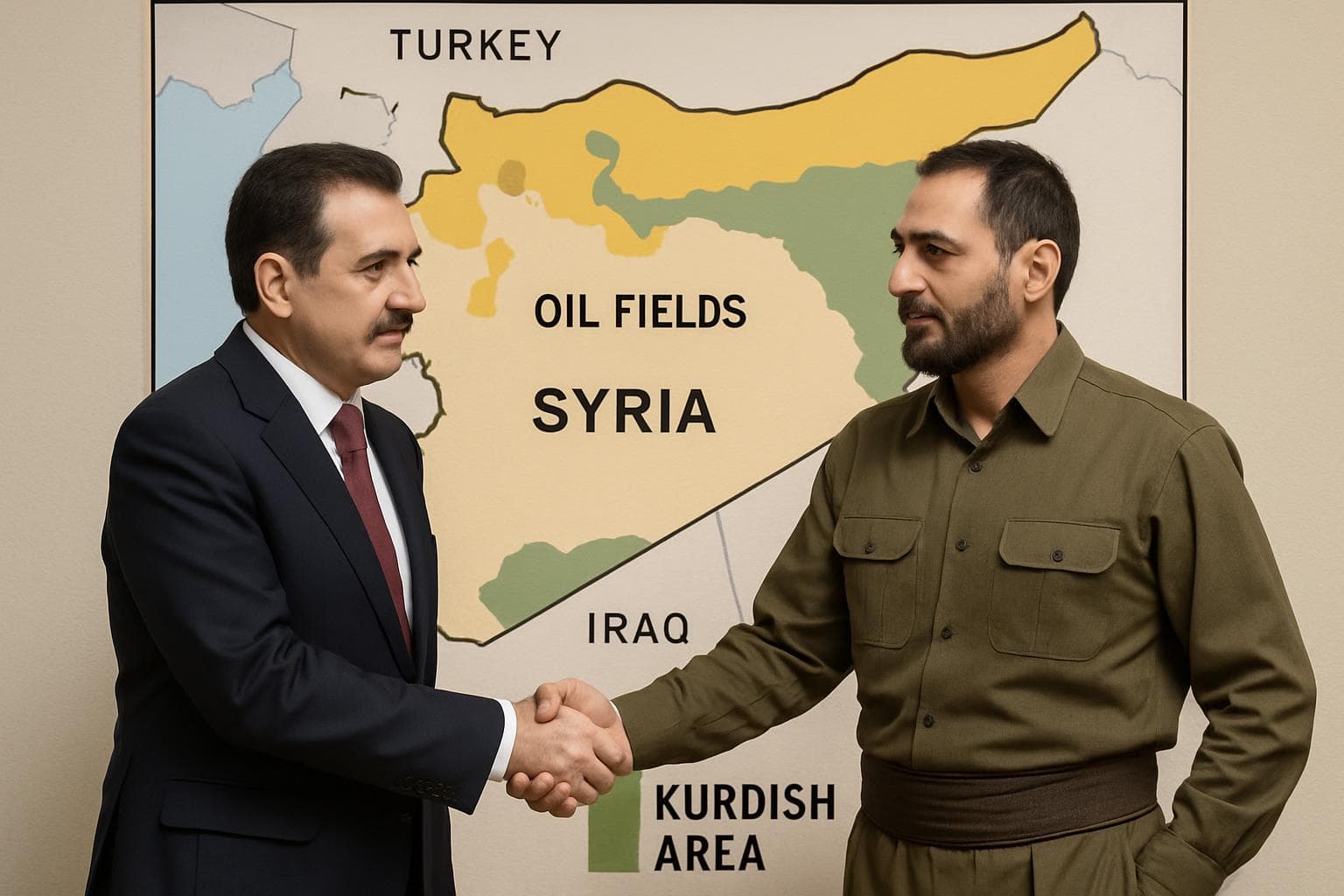
In a significant development, the Syrian government and the Kurdish-led Syrian Democratic Forces (SDF) have reached a nationwide ceasefire agreement, effectively ending nearly two weeks of intense clashes. This ceasefire is part of a broader 14-point plan aimed at integrating the SDF into Syria's military and state institutions, marking a pivotal moment in the country's ongoing efforts to unify after years of conflict.
Strategic Gains and Integration Efforts
The ceasefire follows a series of strategic advances by Syrian government forces, who have taken control of key oil fields, including the Omar facility, and other vital areas previously held by the SDF. These gains come after the SDF announced a withdrawal to the east of the Euphrates River, a move that was preceded by discussions with US officials. The Syrian Observatory for Human Rights confirmed the SDF's retreat from several villages and towns in the Deir Ezzor province.
Cultural Recognition and Political Implications
As part of the agreement, the Syrian government has pledged to recognize Kurdish cultural and linguistic rights, including making Kurdish an official language and marking the Kurdish new year as a national holiday. This marks the first formal recognition of Kurdish rights since Syria's independence in 1946. President Ahmed al-Sharaa, speaking from Damascus, hailed the agreement as a "victory for all Syrians," emphasizing the potential for unity and progress.
US Involvement and Future Prospects
The agreement was brokered with the involvement of US special envoy Tom Barrack, who met with President al-Sharaa in Damascus. Barrack described the deal as a step toward a "unified Syria" and praised the move as a turning point for renewed dialogue and cooperation. SDF commander Mazloum Abdi, unable to attend the meeting due to weather conditions, confirmed the agreement via a televised address, expressing commitment to the terms and the protection of Kurdish achievements.
WHAT THIS MIGHT MEAN
The ceasefire and integration agreement between the Syrian government and the SDF could significantly alter the political landscape in Syria. If successfully implemented, it may lead to greater stability and a more unified national framework. However, challenges remain, particularly in ensuring the smooth integration of Kurdish forces into Syrian state institutions and addressing the concerns of local populations. The involvement of the US in brokering the deal underscores its continued influence in the region, which may play a crucial role in the agreement's long-term success. As the situation develops, the focus will likely shift to the practicalities of implementing the agreement and the potential for renewed cooperation in the fight against remaining Islamic State elements.
Related Articles
Iranian Students Lead Major Protests Amid Rising US-Iran Tensions
Israeli Airstrikes in Lebanon's Bekaa Valley Leave 10 Dead Amid Rising Tensions

US-Iran Tensions Escalate Amid Renewed Nuclear Talks and Protests
Rising Tensions: Trump's Dual Approach to Iran's Nuclear Challenge

China Sets Lowest GDP Growth Target in Decades Amid Economic Challenges
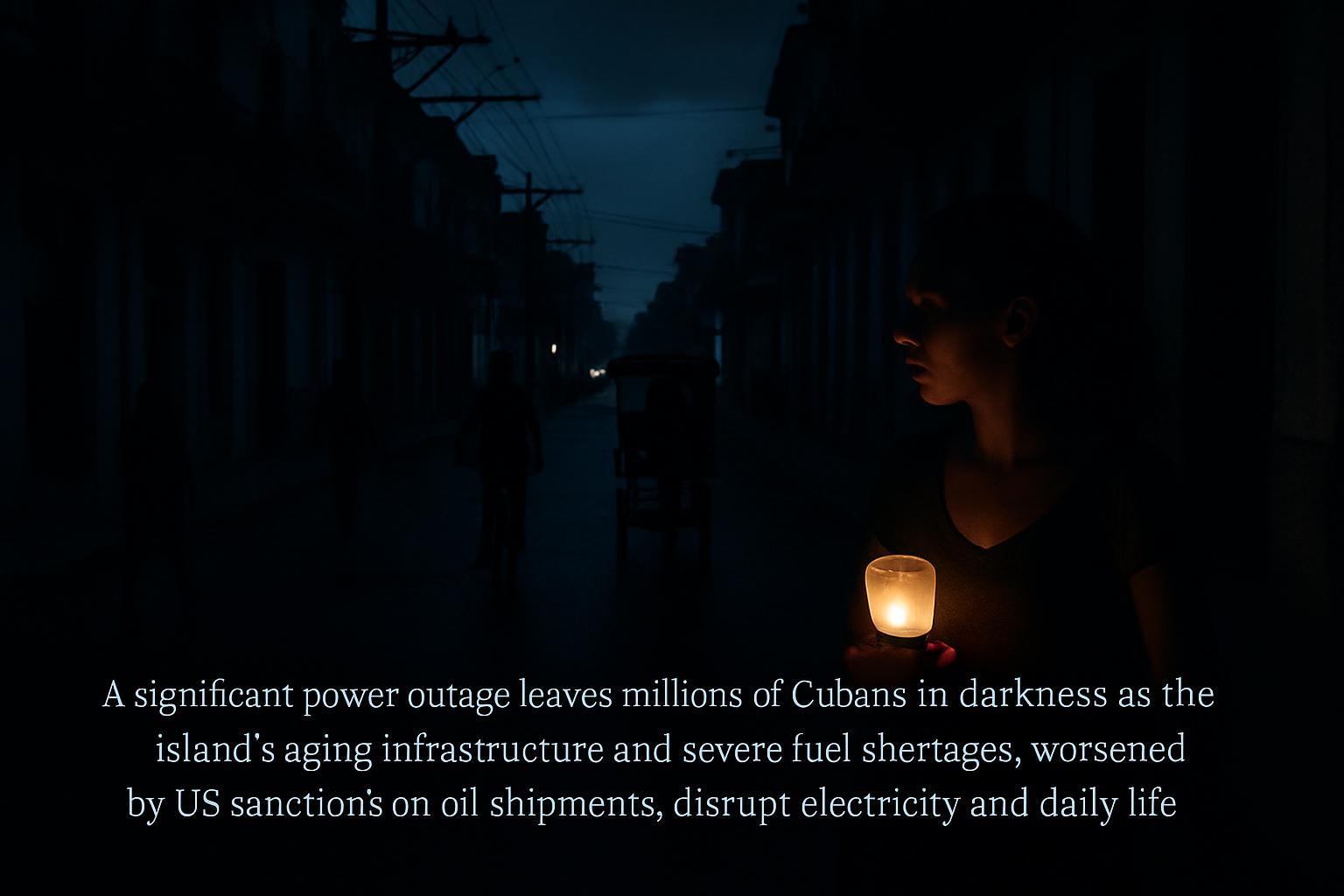
Cuba Faces Widespread Blackout Amid Deepening Fuel Crisis
Syrian Government and Kurdish Forces Reach Ceasefire Agreement Amid Strategic Gains
In This Article
 James Okoro| Published
 HIGHLIGHTS
- Syrian government and Kurdish-led SDF have agreed to a nationwide ceasefire, ending weeks of conflict.
- The ceasefire is part of a 14-point agreement to integrate SDF into Syria's military and state institutions.
- Syrian forces have taken control of key oil fields and strategic areas previously held by the SDF.
- The agreement includes recognizing Kurdish cultural rights, marking a historic shift in Syrian policy.
- US envoy Tom Barrack praised the deal as a step toward a unified Syria, highlighting US involvement in the region.
In a significant development, the Syrian government and the Kurdish-led Syrian Democratic Forces (SDF) have reached a nationwide ceasefire agreement, effectively ending nearly two weeks of intense clashes. This ceasefire is part of a broader 14-point plan aimed at integrating the SDF into Syria's military and state institutions, marking a pivotal moment in the country's ongoing efforts to unify after years of conflict.
Strategic Gains and Integration Efforts
The ceasefire follows a series of strategic advances by Syrian government forces, who have taken control of key oil fields, including the Omar facility, and other vital areas previously held by the SDF. These gains come after the SDF announced a withdrawal to the east of the Euphrates River, a move that was preceded by discussions with US officials. The Syrian Observatory for Human Rights confirmed the SDF's retreat from several villages and towns in the Deir Ezzor province.
Cultural Recognition and Political Implications
As part of the agreement, the Syrian government has pledged to recognize Kurdish cultural and linguistic rights, including making Kurdish an official language and marking the Kurdish new year as a national holiday. This marks the first formal recognition of Kurdish rights since Syria's independence in 1946. President Ahmed al-Sharaa, speaking from Damascus, hailed the agreement as a "victory for all Syrians," emphasizing the potential for unity and progress.
US Involvement and Future Prospects
The agreement was brokered with the involvement of US special envoy Tom Barrack, who met with President al-Sharaa in Damascus. Barrack described the deal as a step toward a "unified Syria" and praised the move as a turning point for renewed dialogue and cooperation. SDF commander Mazloum Abdi, unable to attend the meeting due to weather conditions, confirmed the agreement via a televised address, expressing commitment to the terms and the protection of Kurdish achievements.
WHAT THIS MIGHT MEAN
The ceasefire and integration agreement between the Syrian government and the SDF could significantly alter the political landscape in Syria. If successfully implemented, it may lead to greater stability and a more unified national framework. However, challenges remain, particularly in ensuring the smooth integration of Kurdish forces into Syrian state institutions and addressing the concerns of local populations. The involvement of the US in brokering the deal underscores its continued influence in the region, which may play a crucial role in the agreement's long-term success. As the situation develops, the focus will likely shift to the practicalities of implementing the agreement and the potential for renewed cooperation in the fight against remaining Islamic State elements.
Related Articles
Iranian Students Lead Major Protests Amid Rising US-Iran Tensions
Israeli Airstrikes in Lebanon's Bekaa Valley Leave 10 Dead Amid Rising Tensions
US-Iran Tensions Escalate Amid Renewed Nuclear Talks and Protests
Rising Tensions: Trump's Dual Approach to Iran's Nuclear Challenge
China Sets Lowest GDP Growth Target in Decades Amid Economic Challenges
Cuba Faces Widespread Blackout Amid Deepening Fuel Crisis