
Tensions Flare at Davos as Trump Criticizes Canadian PM Carney's Call for Global Unity
In This Article
HIGHLIGHTS
- Donald Trump criticized Canadian Prime Minister Mark Carney at the World Economic Forum, claiming Canada benefits from US "freebies."
- Carney's speech at Davos highlighted a geopolitical "rupture," urging smaller nations to unite against coercion by great powers.
- Trump reiterated his interest in acquiring Greenland, linking it to a missile defense system that could benefit Canada.
- Canada's Trade Minister emphasized diversifying trade partners beyond the US, citing China and India as key markets.
- Former Australian PM Malcolm Turnbull supported Carney's stance, advocating for middle powers to resist US pressure.
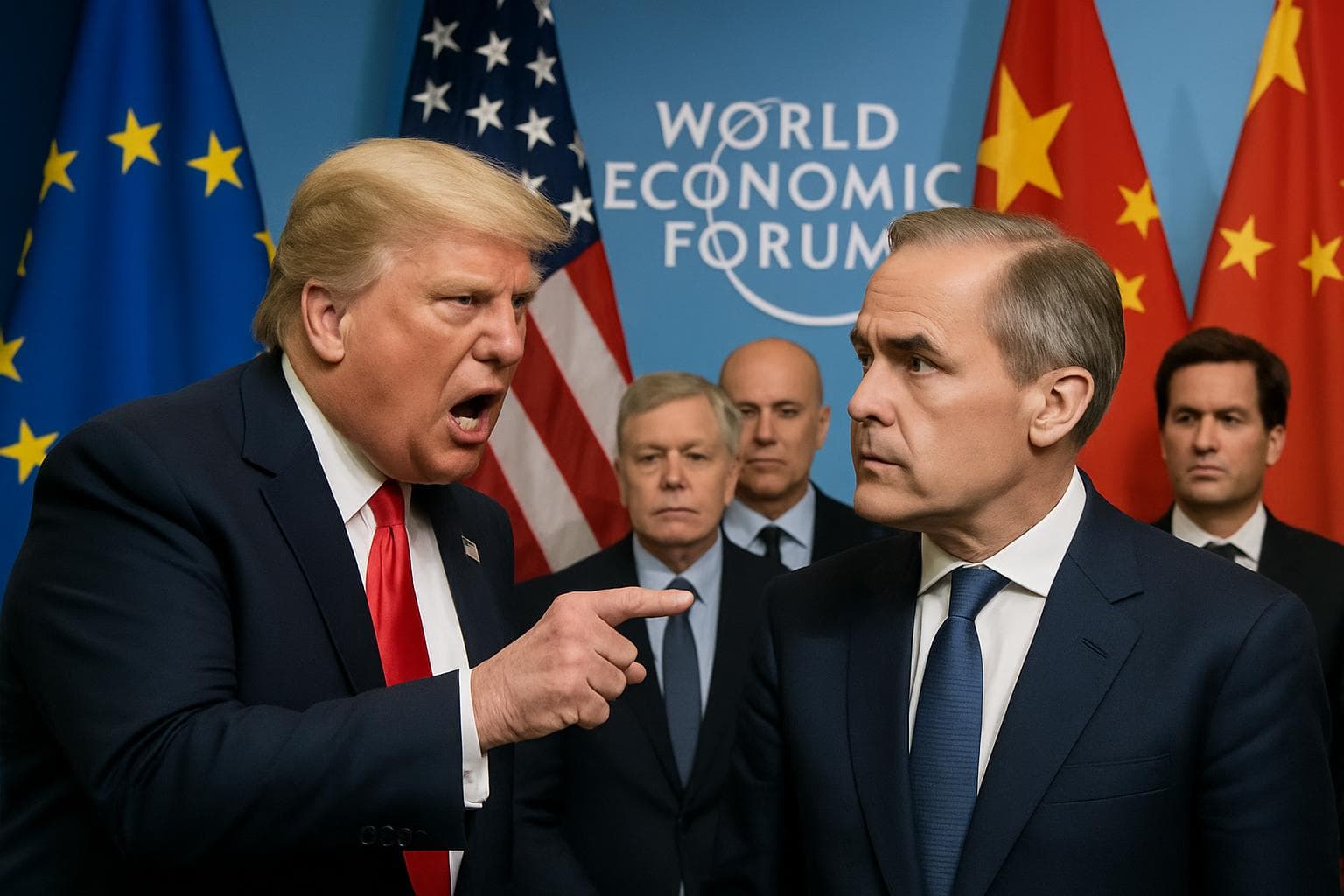
At the World Economic Forum in Davos, tensions between the United States and Canada were laid bare as US President Donald Trump criticized Canadian Prime Minister Mark Carney. Trump's remarks came a day after Carney's speech, which called for smaller nations to resist the coercive tactics of larger powers, was widely praised.
Trump's Critique of Canada
During his address, Trump claimed that Canada benefits significantly from the United States, receiving what he termed "freebies." He suggested that Canada should show more gratitude, stating, "Canada lives because of the United States." This comment followed Carney's speech, which did not name Trump but criticized the use of economic might by powerful nations to dominate others.
Carney's Call for Unity
Carney's speech at Davos was a clarion call for middle powers to collaborate and resist the pressure from dominant countries. He described the current global situation as a "rupture" rather than a transition, urging nations to adapt and reject coercion. His remarks resonated globally, with Australian Treasurer Jim Chalmers noting the speech's impact within his government.
Trade and Economic Implications
The backdrop to these tensions includes ongoing trade negotiations and the USMCA agreement, which is crucial for Canada's economy. Canada's Trade Minister, Maninder Sidhu, highlighted the importance of diversifying trade partners, pointing to China and India as potential markets. This strategy aims to reduce Canada's reliance on the US, which currently buys 75% of Canadian exports.
Global Reactions and Future Alliances
Former Australian Prime Minister Malcolm Turnbull echoed Carney's sentiments, advocating for middle powers to stand firm against US pressure. He suggested that nations like Australia and Canada should work together to maintain sovereignty and resist bullying tactics.
WHAT THIS MIGHT MEAN
The fallout from Trump's comments and Carney's speech could lead to a reevaluation of international alliances. As Canada seeks to diversify its trade relationships, it may strengthen ties with other middle powers, potentially reshaping global economic dynamics. The US's approach under Trump could further strain traditional alliances, prompting countries to seek new partnerships. Experts suggest that this period of geopolitical tension might accelerate the formation of new coalitions among nations seeking to uphold a rules-based international order.
Related Articles
Canada Calls for De-escalation Amid US-Israel Strikes on Iran

Canada and Australia Forge Strategic Partnership Amid Global Uncertainty

UK Faces Dilemmas Amid Iran Conflict and China Spying Allegations
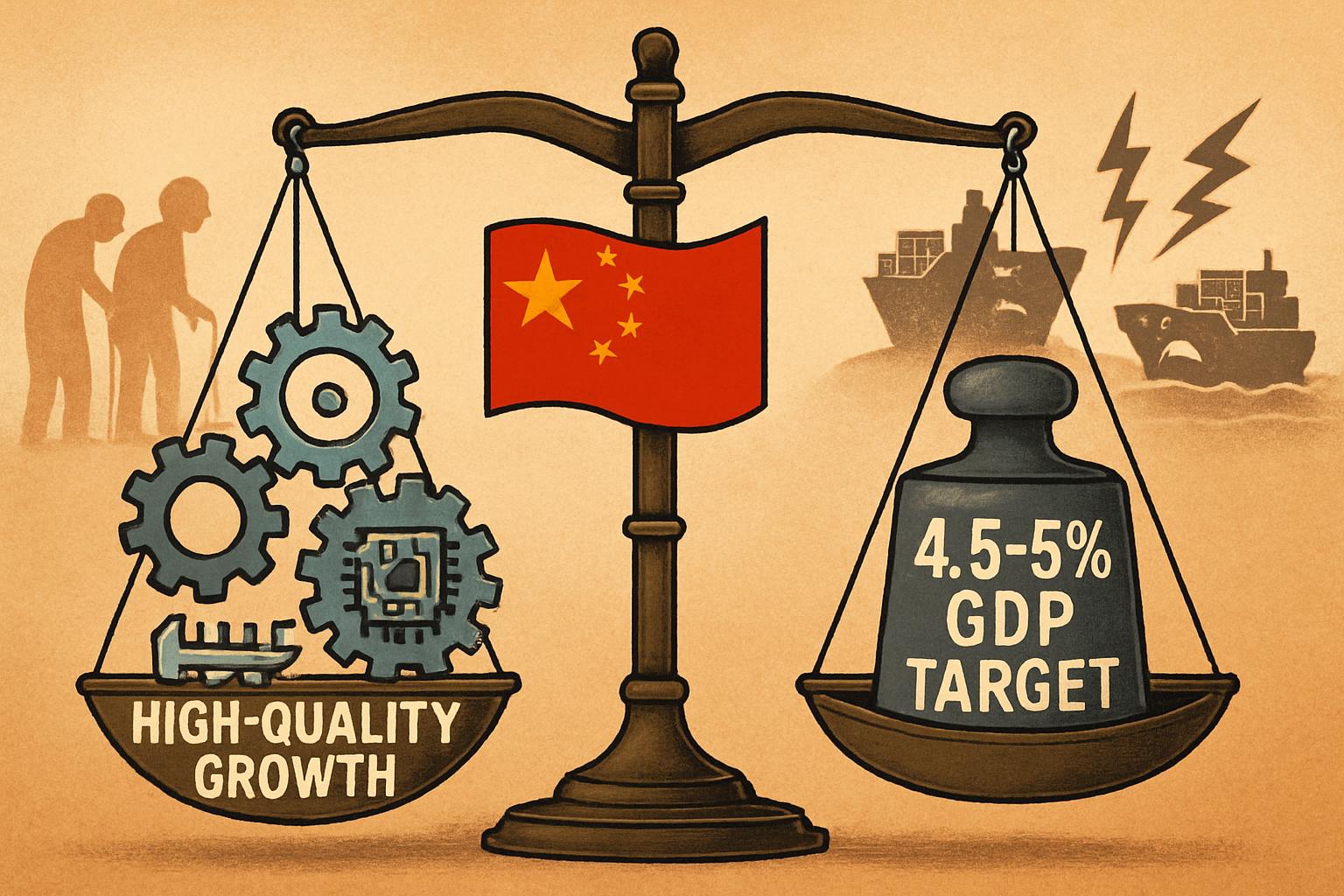
China Sets Lowest GDP Growth Target in Decades Amid Economic Challenges
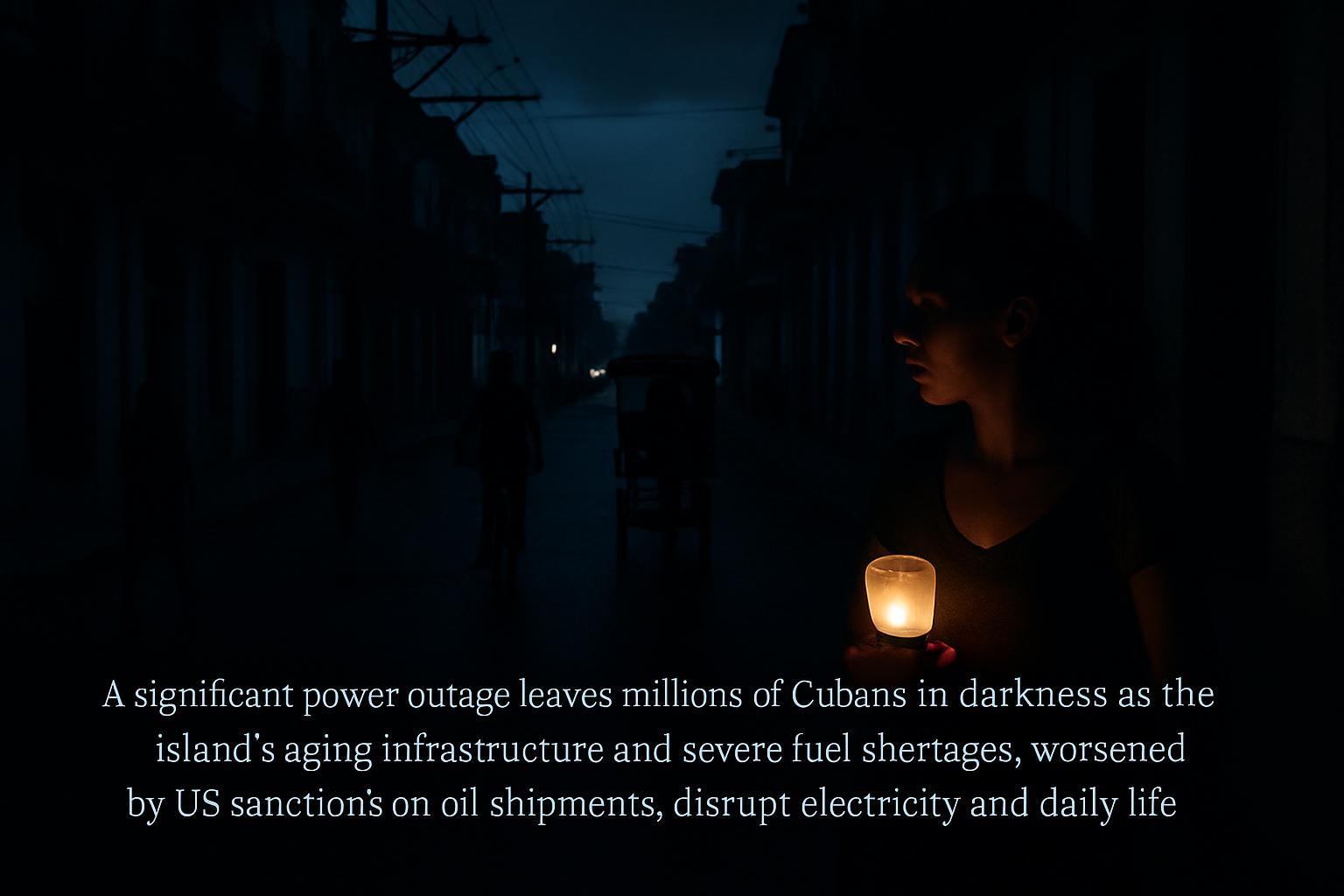
Cuba Faces Widespread Blackout Amid Deepening Fuel Crisis

Iran Postpones Khamenei Funeral Amid Escalating US-Israeli Strikes
Tensions Flare at Davos as Trump Criticizes Canadian PM Carney's Call for Global Unity
In This Article
HIGHLIGHTS
- Donald Trump criticized Canadian Prime Minister Mark Carney at the World Economic Forum, claiming Canada benefits from US "freebies."
- Carney's speech at Davos highlighted a geopolitical "rupture," urging smaller nations to unite against coercion by great powers.
- Trump reiterated his interest in acquiring Greenland, linking it to a missile defense system that could benefit Canada.
- Canada's Trade Minister emphasized diversifying trade partners beyond the US, citing China and India as key markets.
- Former Australian PM Malcolm Turnbull supported Carney's stance, advocating for middle powers to resist US pressure.
At the World Economic Forum in Davos, tensions between the United States and Canada were laid bare as US President Donald Trump criticized Canadian Prime Minister Mark Carney. Trump's remarks came a day after Carney's speech, which called for smaller nations to resist the coercive tactics of larger powers, was widely praised.
Trump's Critique of Canada
During his address, Trump claimed that Canada benefits significantly from the United States, receiving what he termed "freebies." He suggested that Canada should show more gratitude, stating, "Canada lives because of the United States." This comment followed Carney's speech, which did not name Trump but criticized the use of economic might by powerful nations to dominate others.
Carney's Call for Unity
Carney's speech at Davos was a clarion call for middle powers to collaborate and resist the pressure from dominant countries. He described the current global situation as a "rupture" rather than a transition, urging nations to adapt and reject coercion. His remarks resonated globally, with Australian Treasurer Jim Chalmers noting the speech's impact within his government.
Trade and Economic Implications
The backdrop to these tensions includes ongoing trade negotiations and the USMCA agreement, which is crucial for Canada's economy. Canada's Trade Minister, Maninder Sidhu, highlighted the importance of diversifying trade partners, pointing to China and India as potential markets. This strategy aims to reduce Canada's reliance on the US, which currently buys 75% of Canadian exports.
Global Reactions and Future Alliances
Former Australian Prime Minister Malcolm Turnbull echoed Carney's sentiments, advocating for middle powers to stand firm against US pressure. He suggested that nations like Australia and Canada should work together to maintain sovereignty and resist bullying tactics.
WHAT THIS MIGHT MEAN
The fallout from Trump's comments and Carney's speech could lead to a reevaluation of international alliances. As Canada seeks to diversify its trade relationships, it may strengthen ties with other middle powers, potentially reshaping global economic dynamics. The US's approach under Trump could further strain traditional alliances, prompting countries to seek new partnerships. Experts suggest that this period of geopolitical tension might accelerate the formation of new coalitions among nations seeking to uphold a rules-based international order.
Related Articles
Canada Calls for De-escalation Amid US-Israel Strikes on Iran
Canada and Australia Forge Strategic Partnership Amid Global Uncertainty
UK Faces Dilemmas Amid Iran Conflict and China Spying Allegations
China Sets Lowest GDP Growth Target in Decades Amid Economic Challenges
Cuba Faces Widespread Blackout Amid Deepening Fuel Crisis
Iran Postpones Khamenei Funeral Amid Escalating US-Israeli Strikes