
Texas Redistricting Battle: Governor Abbott Seeks to Oust Democrats Amid Gerrymandering Dispute
In This Article
HIGHLIGHTS
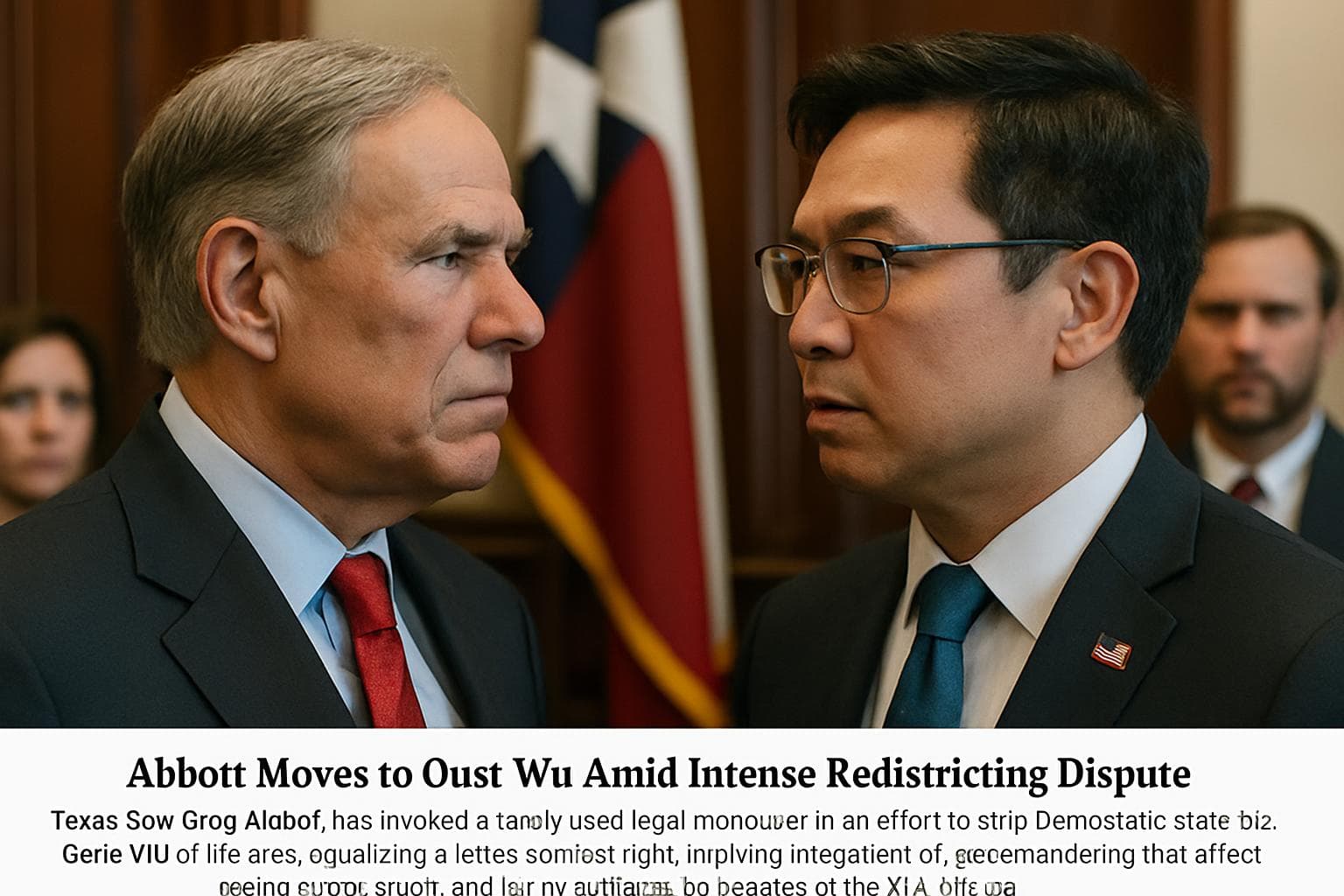
- Texas Governor Greg Abbott has filed a lawsuit to remove Democratic legislator Gene Wu, accusing him of abandoning his office amid a redistricting dispute.
- Over 50 Texas Democrats fled the state to prevent a quorum, blocking a vote on a new congressional map that could add five Republican-leaning seats.
- The proposed redistricting has sparked concerns over gerrymandering and the dilution of Latino voting power in Texas.
- The Texas Supreme Court is being asked to issue a writ of quo warranto to oust Wu, a rarely used legal action questioning the right to hold office.
- The legal and political battle over redistricting could have significant implications for the balance of power in the US House of Representatives.
Texas Governor Greg Abbott has intensified the political standoff over redistricting by filing a lawsuit to remove Democratic legislator Gene Wu from office. This legal action follows the dramatic departure of over 50 Democratic lawmakers who fled the state to prevent a quorum, thereby blocking a vote on a contentious new congressional map. The proposed redistricting plan aims to create five additional Republican-leaning seats in the US House of Representatives, a move that has sparked accusations of gerrymandering and raised concerns about the dilution of Latino voting power.
Democrats Flee to Block Redistricting Vote
The exodus of Texas Democrats to states such as Illinois and New York was a strategic move to deny Republicans the quorum needed to pass the redistricting plan. The absence of these lawmakers has stalled the legislative process, prompting Governor Abbott to call for their arrest and return to Texas. Abbott argues that the Democrats' actions constitute an abandonment of their duties, justifying their removal from office.
Legal and Political Implications
The lawsuit filed by Abbott seeks a writ of quo warranto from the Texas Supreme Court to oust Wu, the chairman of the Texas House Democratic Caucus. This rarely used legal measure questions an individual's right to hold public office. Wu has defended his actions, stating that denying a quorum is a fulfillment of his oath to protect democratic processes. Meanwhile, the redistricting plan has drawn criticism for potentially undermining the Voting Rights Act by diluting minority voting strength, particularly among Latino communities.
Impact on Latino Voters and Future Elections
Civic groups and Latino leaders have expressed alarm over the proposed map, which they argue fails to reflect the state's growing Hispanic population. Critics contend that the map violates the Voting Rights Act by not creating additional Latino-majority districts, despite significant demographic shifts. The legal battle over the redistricting plan is expected to be protracted, with potential ramifications for the balance of power in the US House of Representatives.
WHAT THIS MIGHT MEAN
The ongoing legal and political battle over Texas's redistricting plan could have far-reaching implications. If the Texas Supreme Court sides with Governor Abbott, it may set a precedent for removing lawmakers who obstruct legislative processes. Conversely, if the court rules in favor of the Democrats, it could embolden similar tactics in other states facing contentious redistricting efforts. The outcome of this dispute will also impact the representation of minority communities in Texas, potentially influencing the political landscape ahead of the 2024 elections. Legal challenges based on the Voting Rights Act could further complicate the redistricting process, with potential cases reaching the US Supreme Court.
Images from the Web
Related Articles
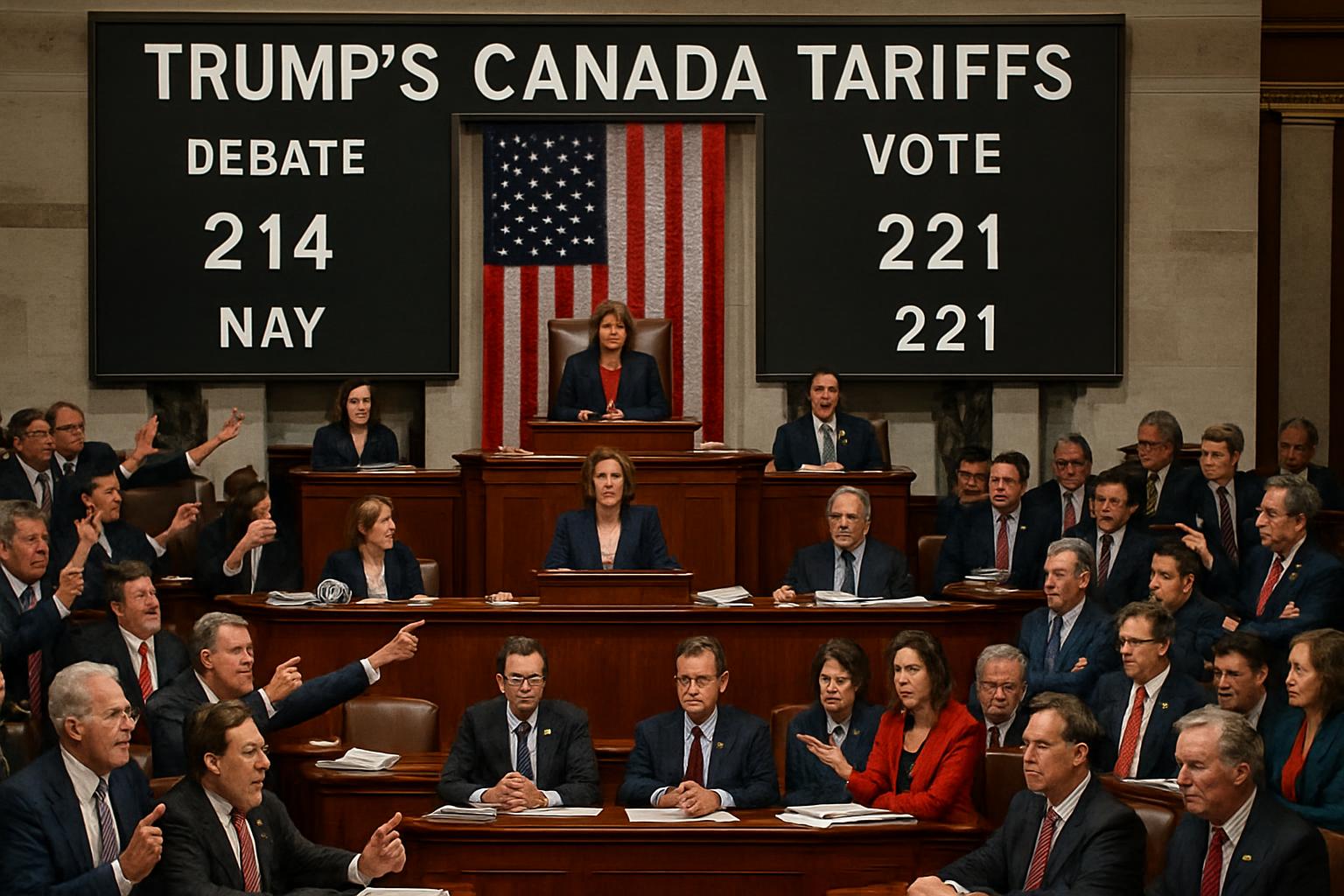
US House Votes to Overturn Trump's Tariffs on Canada Amid Political Tensions

House Passes Controversial SAVE America Act Amid Voter Suppression Concerns

James Talarico Secures Democratic Nomination in Texas Senate Race Amidst Republican Runoff

Antonia Romeo Appointed as First Female UK Cabinet Secretary Amid Controversy
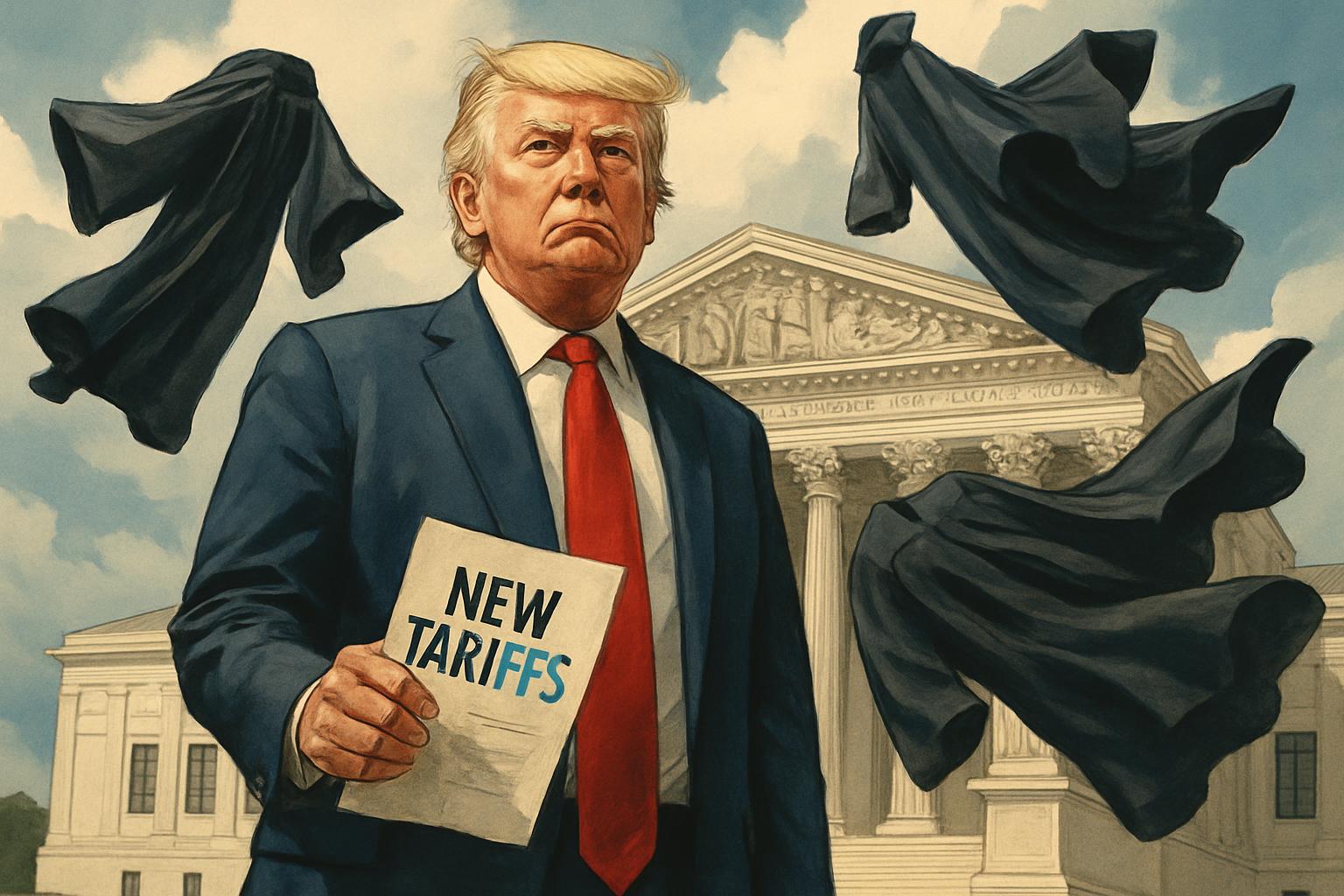
Trump Criticizes Supreme Court After Tariff Ruling, Imposes New Global Tariff

US Supreme Court Ruling Sparks Trade Uncertainty in Asia and Beyond
Texas Redistricting Battle: Governor Abbott Seeks to Oust Democrats Amid Gerrymandering Dispute
In This Article
 Alex Carter| Published
 HIGHLIGHTS
- Texas Governor Greg Abbott has filed a lawsuit to remove Democratic legislator Gene Wu, accusing him of abandoning his office amid a redistricting dispute.
- Over 50 Texas Democrats fled the state to prevent a quorum, blocking a vote on a new congressional map that could add five Republican-leaning seats.
- The proposed redistricting has sparked concerns over gerrymandering and the dilution of Latino voting power in Texas.
- The Texas Supreme Court is being asked to issue a writ of quo warranto to oust Wu, a rarely used legal action questioning the right to hold office.
- The legal and political battle over redistricting could have significant implications for the balance of power in the US House of Representatives.
Texas Governor Greg Abbott has intensified the political standoff over redistricting by filing a lawsuit to remove Democratic legislator Gene Wu from office. This legal action follows the dramatic departure of over 50 Democratic lawmakers who fled the state to prevent a quorum, thereby blocking a vote on a contentious new congressional map. The proposed redistricting plan aims to create five additional Republican-leaning seats in the US House of Representatives, a move that has sparked accusations of gerrymandering and raised concerns about the dilution of Latino voting power.
Democrats Flee to Block Redistricting Vote
The exodus of Texas Democrats to states such as Illinois and New York was a strategic move to deny Republicans the quorum needed to pass the redistricting plan. The absence of these lawmakers has stalled the legislative process, prompting Governor Abbott to call for their arrest and return to Texas. Abbott argues that the Democrats' actions constitute an abandonment of their duties, justifying their removal from office.
Legal and Political Implications
The lawsuit filed by Abbott seeks a writ of quo warranto from the Texas Supreme Court to oust Wu, the chairman of the Texas House Democratic Caucus. This rarely used legal measure questions an individual's right to hold public office. Wu has defended his actions, stating that denying a quorum is a fulfillment of his oath to protect democratic processes. Meanwhile, the redistricting plan has drawn criticism for potentially undermining the Voting Rights Act by diluting minority voting strength, particularly among Latino communities.
Impact on Latino Voters and Future Elections
Civic groups and Latino leaders have expressed alarm over the proposed map, which they argue fails to reflect the state's growing Hispanic population. Critics contend that the map violates the Voting Rights Act by not creating additional Latino-majority districts, despite significant demographic shifts. The legal battle over the redistricting plan is expected to be protracted, with potential ramifications for the balance of power in the US House of Representatives.
WHAT THIS MIGHT MEAN
The ongoing legal and political battle over Texas's redistricting plan could have far-reaching implications. If the Texas Supreme Court sides with Governor Abbott, it may set a precedent for removing lawmakers who obstruct legislative processes. Conversely, if the court rules in favor of the Democrats, it could embolden similar tactics in other states facing contentious redistricting efforts. The outcome of this dispute will also impact the representation of minority communities in Texas, potentially influencing the political landscape ahead of the 2024 elections. Legal challenges based on the Voting Rights Act could further complicate the redistricting process, with potential cases reaching the US Supreme Court.
Images from the Web
Related Articles
US House Votes to Overturn Trump's Tariffs on Canada Amid Political Tensions
House Passes Controversial SAVE America Act Amid Voter Suppression Concerns
James Talarico Secures Democratic Nomination in Texas Senate Race Amidst Republican Runoff
Antonia Romeo Appointed as First Female UK Cabinet Secretary Amid Controversy
Trump Criticizes Supreme Court After Tariff Ruling, Imposes New Global Tariff
US Supreme Court Ruling Sparks Trade Uncertainty in Asia and Beyond