
Texas Approves Controversial Redistricting Map Amidst Democratic Protests

In This Article
HIGHLIGHTS
- Texas lawmakers approved a new congressional map favoring Republicans, expected to gain five seats in the US House.
- Democrats staged a protest by leaving the state to delay the vote, drawing national attention to the redistricting issue.
- The new map has sparked accusations of gerrymandering, with claims it discriminates against minority communities.
- California is countering Texas's map with its own redistricting plan, aiming to offset Republican gains.
- Texas Governor Greg Abbott is expected to sign the map into law, solidifying Republican control.
Texas lawmakers have passed a contentious new congressional map designed to bolster Republican influence in the US House of Representatives. The map, approved by an 88-52 vote in the Texas House, is anticipated to secure five additional Republican-leaning seats, reinforcing the party's slim majority in Washington. The measure now heads to the state Senate, where swift approval is expected, followed by Governor Greg Abbott's signature.
Democratic Resistance and National Attention
The approval followed a dramatic standoff, with Texas Democrats fleeing the state to prevent a quorum and delay the vote. Their protest, which included livestreams and public statements, aimed to highlight concerns over gerrymandering and its impact on minority communities. Representative Nicole Collier, a vocal opponent, refused to comply with Republican-imposed protocols requiring police escorts for Democrats, opting instead to sleep in the legislative chamber.
Gerrymandering Accusations and Legal Context
The redistricting effort has been criticized for allegedly diluting the voting power of minority groups, a charge Republicans deny. Gerrymandering, the practice of redrawing electoral boundaries to favor a political party, remains legal unless proven racially motivated. The new Texas map has intensified a nationwide redistricting battle, with states like California proposing their own maps to counter Republican gains.
California's Countermeasure
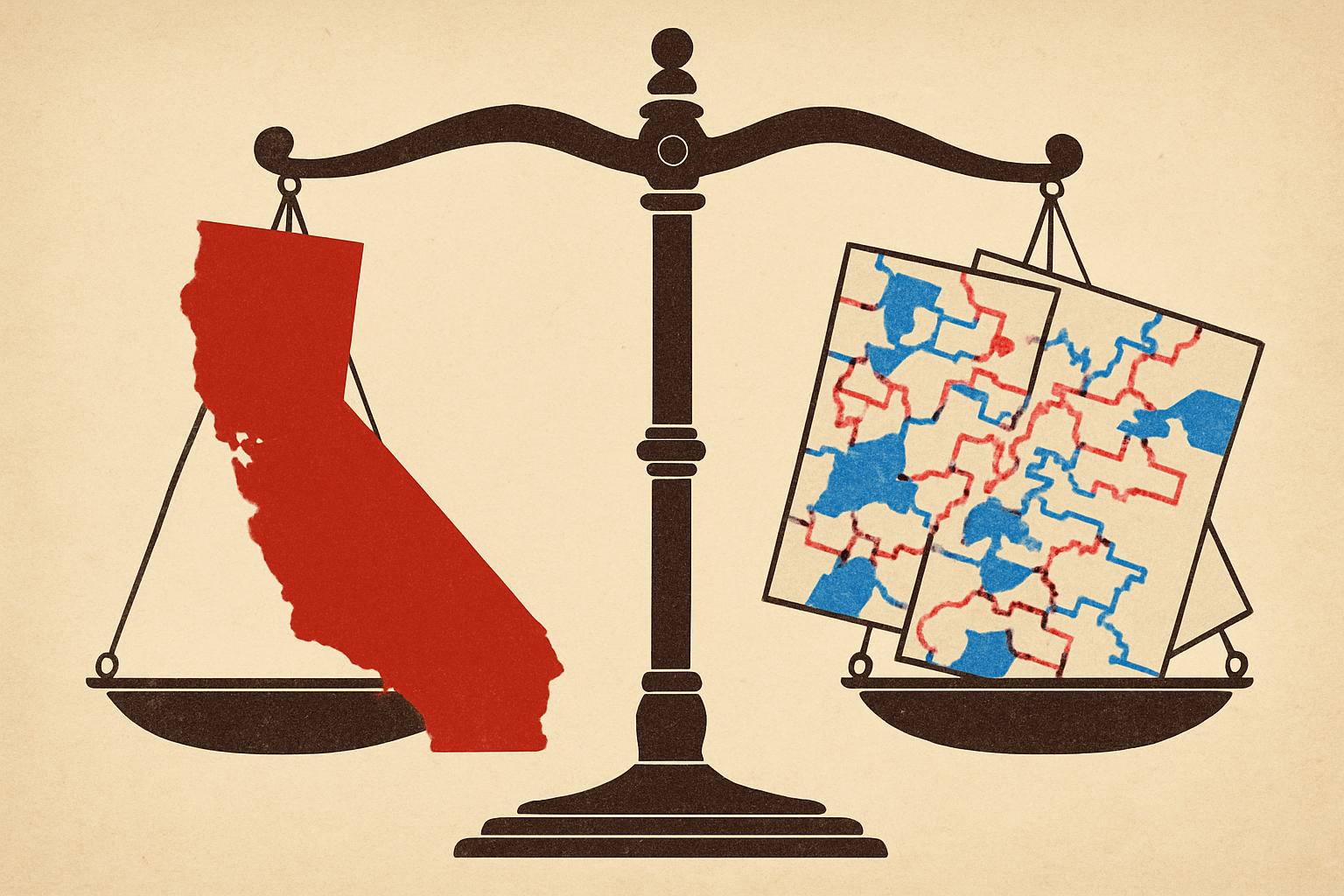
In response to Texas's actions, California Governor Gavin Newsom announced a redistricting plan aimed at preserving Democratic influence. The plan, which bypasses the state's independent redistricting commission, has faced legal challenges from Republicans who argue it violates procedural norms. Newsom defended the move as a necessary counter to Republican efforts to "rig the next election."
WHAT THIS MIGHT MEAN
As Texas's new map awaits final approval, legal challenges are likely, particularly concerning allegations of racial discrimination. If enacted, the map could solidify Republican control in the US House, influencing legislative priorities and national policy. Meanwhile, California's countermeasure may face its own legal hurdles, potentially setting the stage for a broader judicial review of redistricting practices. Experts suggest that these developments could prompt a reevaluation of gerrymandering laws, with significant implications for future elections.
Related Articles
Supreme Court Upholds California's New Voting Map, Boosting Democratic Prospects

House Passes Controversial SAVE America Act Amid Voter Suppression Concerns

James Talarico Secures Democratic Nomination in Texas Senate Race Amidst Republican Runoff

Trump's Climate Policy Reversal Sparks Legal and Environmental Concerns

US House Votes to Overturn Trump's Tariffs on Canada Amid Political Tensions

California Avalanche Leaves Ten Skiers Missing Amid Severe Weather
Texas Approves Controversial Redistricting Map Amidst Democratic Protests
In This Article
 Alex Carter| Published
 HIGHLIGHTS
- Texas lawmakers approved a new congressional map favoring Republicans, expected to gain five seats in the US House.
- Democrats staged a protest by leaving the state to delay the vote, drawing national attention to the redistricting issue.
- The new map has sparked accusations of gerrymandering, with claims it discriminates against minority communities.
- California is countering Texas's map with its own redistricting plan, aiming to offset Republican gains.
- Texas Governor Greg Abbott is expected to sign the map into law, solidifying Republican control.
Texas lawmakers have passed a contentious new congressional map designed to bolster Republican influence in the US House of Representatives. The map, approved by an 88-52 vote in the Texas House, is anticipated to secure five additional Republican-leaning seats, reinforcing the party's slim majority in Washington. The measure now heads to the state Senate, where swift approval is expected, followed by Governor Greg Abbott's signature.
Democratic Resistance and National Attention
The approval followed a dramatic standoff, with Texas Democrats fleeing the state to prevent a quorum and delay the vote. Their protest, which included livestreams and public statements, aimed to highlight concerns over gerrymandering and its impact on minority communities. Representative Nicole Collier, a vocal opponent, refused to comply with Republican-imposed protocols requiring police escorts for Democrats, opting instead to sleep in the legislative chamber.
Gerrymandering Accusations and Legal Context
The redistricting effort has been criticized for allegedly diluting the voting power of minority groups, a charge Republicans deny. Gerrymandering, the practice of redrawing electoral boundaries to favor a political party, remains legal unless proven racially motivated. The new Texas map has intensified a nationwide redistricting battle, with states like California proposing their own maps to counter Republican gains.
California's Countermeasure
In response to Texas's actions, California Governor Gavin Newsom announced a redistricting plan aimed at preserving Democratic influence. The plan, which bypasses the state's independent redistricting commission, has faced legal challenges from Republicans who argue it violates procedural norms. Newsom defended the move as a necessary counter to Republican efforts to "rig the next election."
WHAT THIS MIGHT MEAN
As Texas's new map awaits final approval, legal challenges are likely, particularly concerning allegations of racial discrimination. If enacted, the map could solidify Republican control in the US House, influencing legislative priorities and national policy. Meanwhile, California's countermeasure may face its own legal hurdles, potentially setting the stage for a broader judicial review of redistricting practices. Experts suggest that these developments could prompt a reevaluation of gerrymandering laws, with significant implications for future elections.
Related Articles
Supreme Court Upholds California's New Voting Map, Boosting Democratic Prospects
House Passes Controversial SAVE America Act Amid Voter Suppression Concerns
James Talarico Secures Democratic Nomination in Texas Senate Race Amidst Republican Runoff
Trump's Climate Policy Reversal Sparks Legal and Environmental Concerns
US House Votes to Overturn Trump's Tariffs on Canada Amid Political Tensions
California Avalanche Leaves Ten Skiers Missing Amid Severe Weather