
Rising Tensions: Deadly Clashes and Social Media Warfare Escalate Thailand-Cambodia Border Conflict
In This Article
HIGHLIGHTS
- Recent border clashes between Thailand and Cambodia resulted in the deaths of 14 people, including 13 Thai civilians and one soldier.
- Both nations accuse each other of initiating the conflict, with Cambodia condemning Thai airstrikes as "reckless military aggression."
- Social media has become a battleground for nationalists from both countries, exacerbating tensions with hashtags like #CambodiaOpenedFire and #ThailandOpenedFire.
- Historical disputes over territory and cultural heritage continue to fuel animosity, with the conflict dating back over a century.
- Regional governments and international bodies are urged to mediate to prevent further escalation and maintain regional stability.
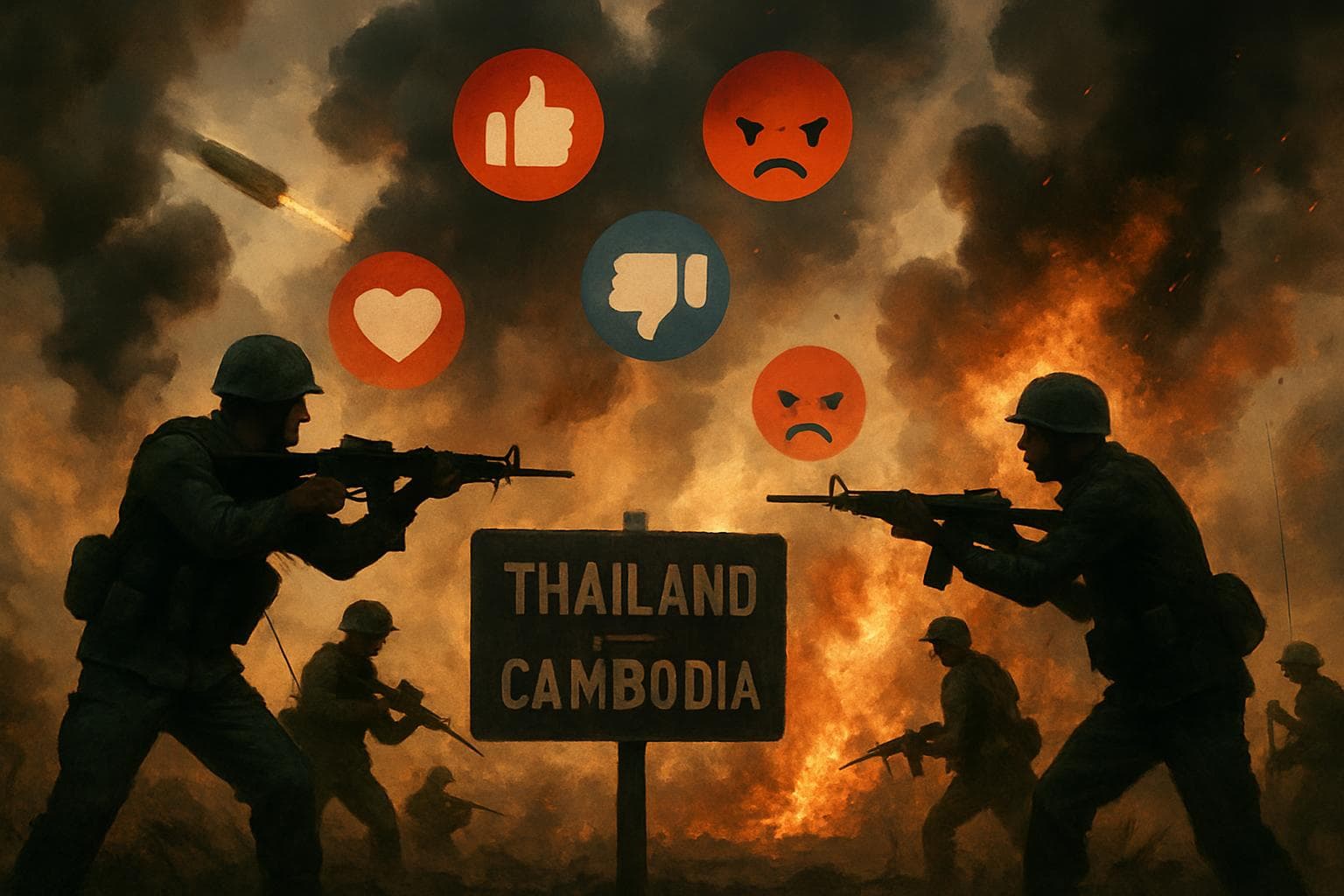
In a dramatic escalation of long-standing tensions, deadly clashes erupted along the Thailand-Cambodia border, resulting in the deaths of 14 individuals, including 13 Thai civilians and one soldier. The violence, which unfolded on Thursday, marks the most severe confrontation between the two Southeast Asian neighbors in over a decade.
Deadly Clashes and Accusations
The conflict began on Thursday morning, with both countries accusing each other of initiating hostilities. Thai authorities reported that Cambodian artillery shelling was responsible for the casualties, including an eight-year-old boy, and described the attack on a hospital in Surin province as a potential war crime. In response, the Thai military launched airstrikes targeting Cambodian military positions.
Cambodia, however, denied these allegations, asserting that its forces acted in self-defense against an unprovoked Thai incursion. The Cambodian Ministry of National Defence condemned the Thai military's actions as "reckless and brutal aggression" against Cambodia's sovereignty. Former Cambodian premier Hun Sen and his son, current Prime Minister Hun Manet, emphasized Cambodia's preference for peaceful resolution but justified their military response as necessary.
Social Media: A New Battleground
As tensions flared on the ground, a parallel conflict unfolded online. Nationalists from both countries took to social media platforms, engaging in heated exchanges and promoting hashtags like #CambodiaOpenedFire and #ThailandOpenedFire. These digital skirmishes have further polarized public opinion, with users backing their respective governments' narratives.
The online hostility has not been without consequences. A viral video showed a Thai man physically assaulting a Cambodian worker, highlighting how digital animosity can spill over into real-world violence. Experts warn that unchecked social media rhetoric could deepen divisions between the two nations.
Historical Disputes and Regional Implications
The roots of the Thailand-Cambodia border conflict trace back over a century, with disputes over colonial-era maps and territorial claims. The situation is further complicated by cultural disagreements, such as the ownership of historical sites and traditional practices.
The recent clashes have drawn international attention, with China expressing deep concern and urging both nations to exercise restraint. Regional bodies and international mediators are being called upon to facilitate dialogue and prevent further escalation, which could destabilize Southeast Asia.
WHAT THIS MIGHT MEAN
The ongoing border conflict between Thailand and Cambodia poses significant challenges for regional stability. If left unresolved, the situation could lead to further military confrontations, potentially drawing in neighboring countries and international actors. Experts suggest that diplomatic intervention is crucial to de-escalate tensions and establish a framework for peaceful negotiations.
The role of social media in exacerbating nationalistic fervor cannot be underestimated. Both governments may need to implement measures to curb online hate speech and misinformation, fostering a more constructive dialogue between their citizens. As the international community watches closely, the actions taken in the coming weeks will be pivotal in determining the future trajectory of Thailand-Cambodia relations.
Related Articles
US Supreme Court Ruling Sparks Trade Uncertainty in Asia and Beyond
Japan Seizes Chinese Fishing Vessel Amid Rising Diplomatic Tensions
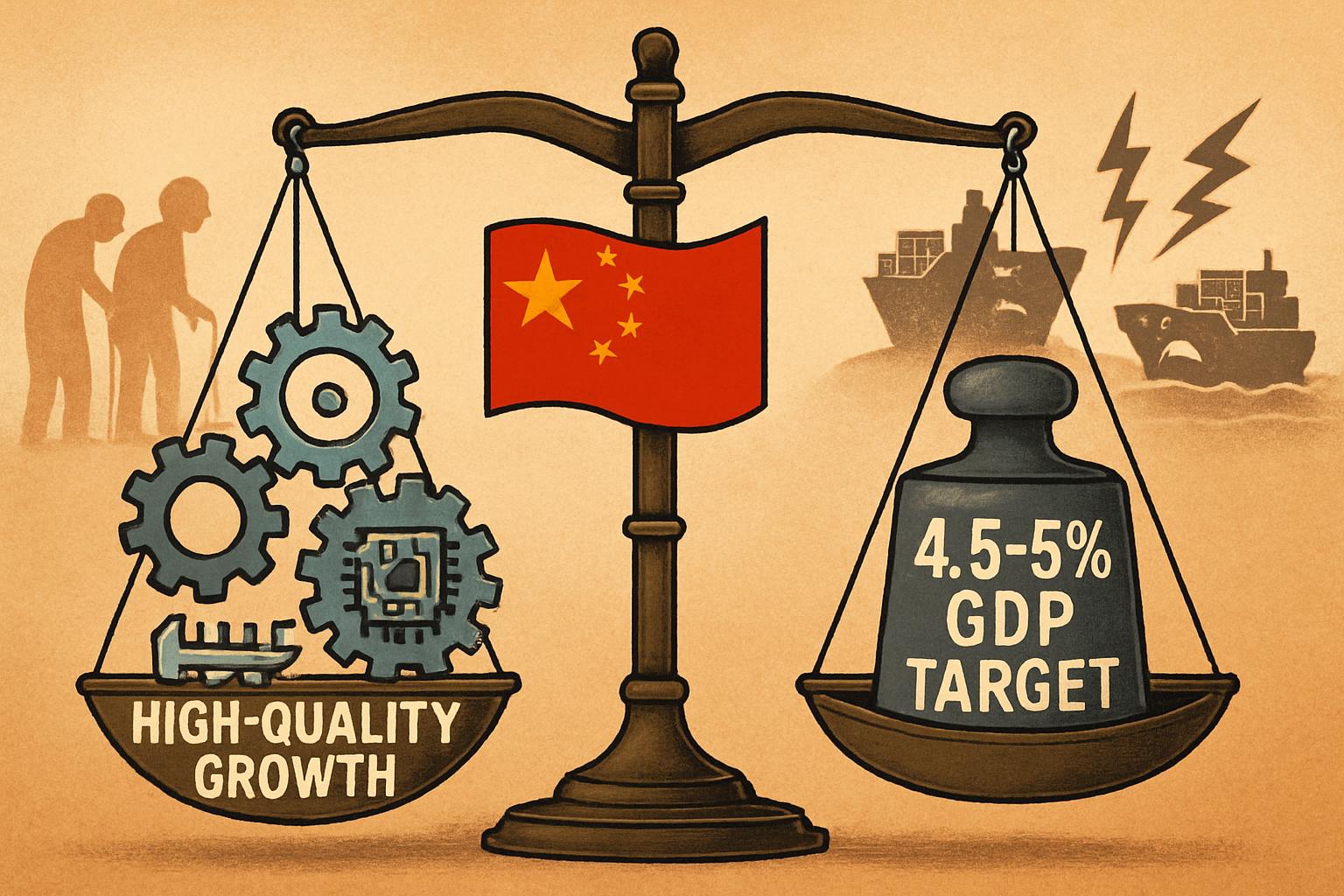
China Sets Lowest GDP Growth Target in Decades Amid Economic Challenges

UK Faces Dilemmas Amid Iran Conflict and China Spying Allegations

Labour MP's Husband Arrested in UK-China Espionage Probe
Trump's New Tariff Strategy Sparks Global Trade Uncertainty
Rising Tensions: Deadly Clashes and Social Media Warfare Escalate Thailand-Cambodia Border Conflict
In This Article
HIGHLIGHTS
- Recent border clashes between Thailand and Cambodia resulted in the deaths of 14 people, including 13 Thai civilians and one soldier.
- Both nations accuse each other of initiating the conflict, with Cambodia condemning Thai airstrikes as "reckless military aggression."
- Social media has become a battleground for nationalists from both countries, exacerbating tensions with hashtags like #CambodiaOpenedFire and #ThailandOpenedFire.
- Historical disputes over territory and cultural heritage continue to fuel animosity, with the conflict dating back over a century.
- Regional governments and international bodies are urged to mediate to prevent further escalation and maintain regional stability.
In a dramatic escalation of long-standing tensions, deadly clashes erupted along the Thailand-Cambodia border, resulting in the deaths of 14 individuals, including 13 Thai civilians and one soldier. The violence, which unfolded on Thursday, marks the most severe confrontation between the two Southeast Asian neighbors in over a decade.
Deadly Clashes and Accusations
The conflict began on Thursday morning, with both countries accusing each other of initiating hostilities. Thai authorities reported that Cambodian artillery shelling was responsible for the casualties, including an eight-year-old boy, and described the attack on a hospital in Surin province as a potential war crime. In response, the Thai military launched airstrikes targeting Cambodian military positions.
Cambodia, however, denied these allegations, asserting that its forces acted in self-defense against an unprovoked Thai incursion. The Cambodian Ministry of National Defence condemned the Thai military's actions as "reckless and brutal aggression" against Cambodia's sovereignty. Former Cambodian premier Hun Sen and his son, current Prime Minister Hun Manet, emphasized Cambodia's preference for peaceful resolution but justified their military response as necessary.
Social Media: A New Battleground
As tensions flared on the ground, a parallel conflict unfolded online. Nationalists from both countries took to social media platforms, engaging in heated exchanges and promoting hashtags like #CambodiaOpenedFire and #ThailandOpenedFire. These digital skirmishes have further polarized public opinion, with users backing their respective governments' narratives.
The online hostility has not been without consequences. A viral video showed a Thai man physically assaulting a Cambodian worker, highlighting how digital animosity can spill over into real-world violence. Experts warn that unchecked social media rhetoric could deepen divisions between the two nations.
Historical Disputes and Regional Implications
The roots of the Thailand-Cambodia border conflict trace back over a century, with disputes over colonial-era maps and territorial claims. The situation is further complicated by cultural disagreements, such as the ownership of historical sites and traditional practices.
The recent clashes have drawn international attention, with China expressing deep concern and urging both nations to exercise restraint. Regional bodies and international mediators are being called upon to facilitate dialogue and prevent further escalation, which could destabilize Southeast Asia.
WHAT THIS MIGHT MEAN
The ongoing border conflict between Thailand and Cambodia poses significant challenges for regional stability. If left unresolved, the situation could lead to further military confrontations, potentially drawing in neighboring countries and international actors. Experts suggest that diplomatic intervention is crucial to de-escalate tensions and establish a framework for peaceful negotiations.
The role of social media in exacerbating nationalistic fervor cannot be underestimated. Both governments may need to implement measures to curb online hate speech and misinformation, fostering a more constructive dialogue between their citizens. As the international community watches closely, the actions taken in the coming weeks will be pivotal in determining the future trajectory of Thailand-Cambodia relations.
Related Articles
US Supreme Court Ruling Sparks Trade Uncertainty in Asia and Beyond
Japan Seizes Chinese Fishing Vessel Amid Rising Diplomatic Tensions
China Sets Lowest GDP Growth Target in Decades Amid Economic Challenges
UK Faces Dilemmas Amid Iran Conflict and China Spying Allegations
Labour MP's Husband Arrested in UK-China Espionage Probe
Trump's New Tariff Strategy Sparks Global Trade Uncertainty