
Tony Blair Joins Trump at White House to Discuss Post-War Gaza Plans
In This Article
HIGHLIGHTS
- Tony Blair attended a White House meeting with Donald Trump to discuss plans for post-war Gaza.
- The US is developing a "very comprehensive" plan for Gaza's future, according to Middle East envoy Steve Witkoff.
- Israeli military actions in Gaza have intensified, with tanks entering Gaza City and causing significant displacement.
- The UN Security Council, excluding the US, condemned the humanitarian crisis in Gaza, calling it a "man-made crisis."
- Trump's administration has not disclosed details of the post-war proposals, but previous suggestions included relocating Gazans.
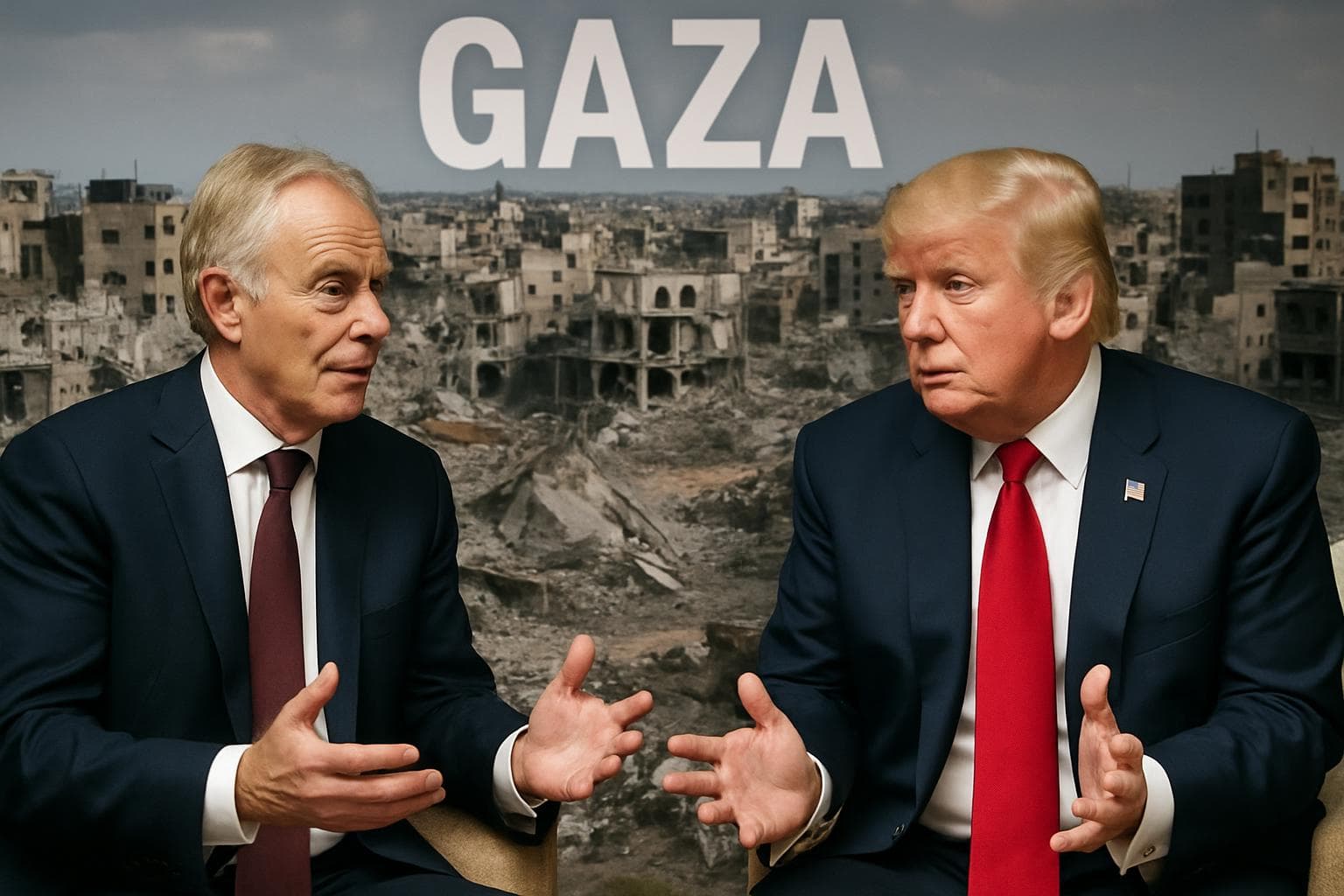
Former British Prime Minister Tony Blair has participated in a White House meeting with US President Donald Trump to deliberate on strategies for post-war Gaza. The meeting, confirmed by both the BBC and The Guardian, included discussions led by Steve Witkoff, Trump's Middle East envoy, who emphasized the development of a "very comprehensive" plan for the region's future.
Blair, who served as a Middle East envoy after his tenure as Prime Minister, has been involved in efforts to foster economic development in Palestinian territories and support a two-state solution. However, Israeli Foreign Minister Gideon Saar has dismissed the possibility of a Palestinian state, stating there are no plans for such an outcome.
Military Escalation and Humanitarian Concerns
The meeting occurred amid escalating Israeli military actions in Gaza. Israeli forces have advanced into Gaza City, with tanks destroying homes and displacing residents. The United Nations and various NGOs have expressed grave concerns over the humanitarian impact, labeling the situation a "man-made crisis." The UN Security Council, excluding the US, has urged Israel to lift restrictions on humanitarian aid, highlighting the prohibition of starvation as a weapon under international law.
Uncertain Future for Gaza
While the White House has reiterated Trump's desire for peace and prosperity in the region, details of the post-war Gaza proposals remain undisclosed. In February, Trump suggested the possibility of relocating Gazans to neighboring countries and transforming the territory into a "Riviera of the Middle East." Jared Kushner, Trump's son-in-law and former senior adviser, was also present at the meeting, indicating the administration's continued focus on the issue.
WHAT THIS MIGHT MEAN
The unfolding situation in Gaza presents a complex challenge with significant humanitarian and political implications. The US's comprehensive plan for post-war Gaza, though still under wraps, could potentially reshape the region's future. However, the lack of consensus on a Palestinian state and the ongoing military actions complicate prospects for peace.
Experts suggest that the international community's response, particularly from the UN and humanitarian organizations, will be crucial in addressing the immediate crisis and ensuring aid reaches those in need. The coming months will likely see intensified diplomatic efforts to broker a ceasefire and establish a sustainable path forward for Gaza and its people.
Related Articles

Tech Giants Pledge to Cover AI Data Center Energy Costs Amid Rising Electricity Concerns
Spain's Sánchez Stands Firm Against Trump's Trade Threat Over Iran Stance
Canada and Australia Forge Strategic Partnership Amid Global Uncertainty

UK Government to Reform Asylum Seeker Support and Employment Policies

Congress Subpoenas Attorney General Bondi in Epstein Investigation
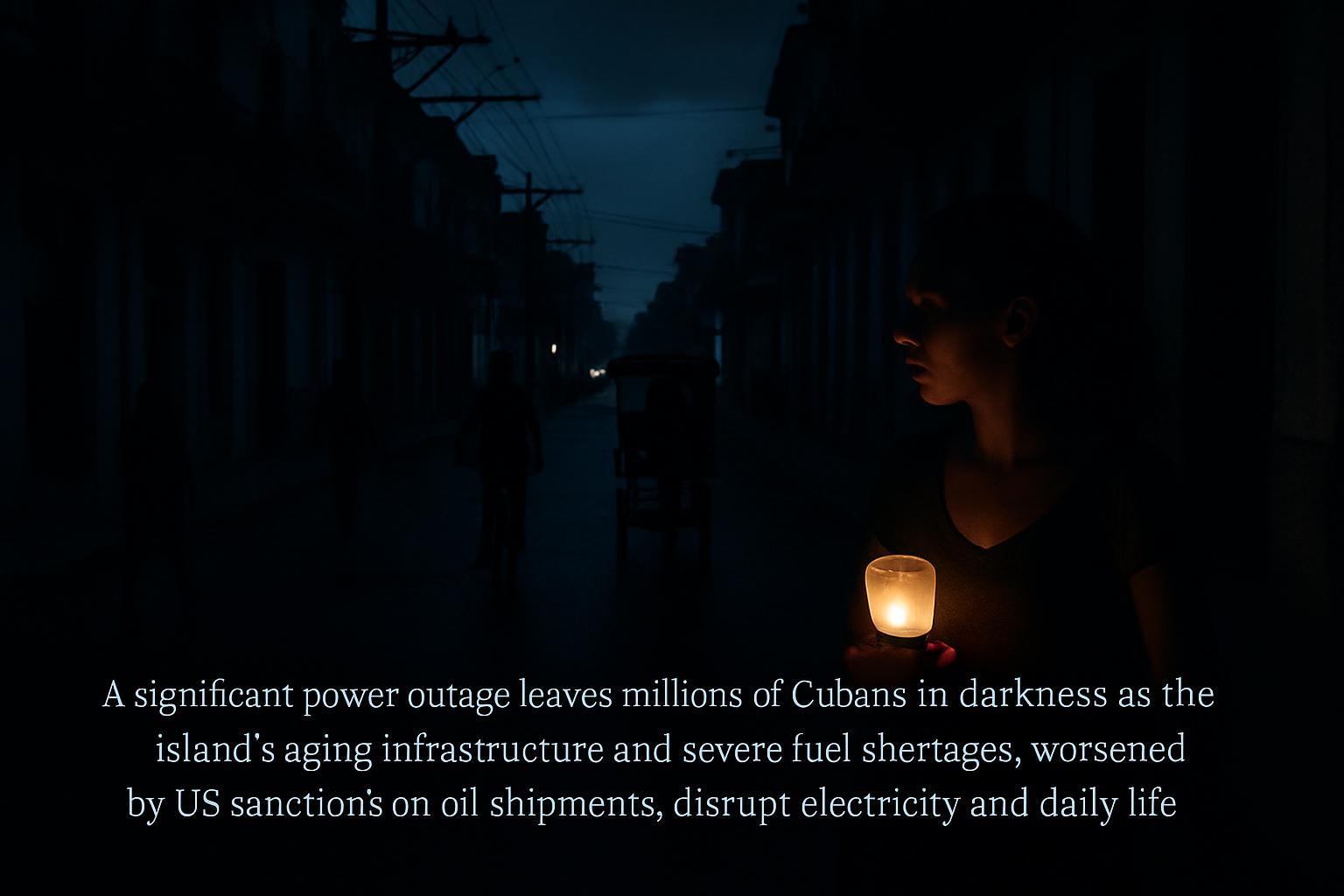
Cuba Faces Widespread Blackout Amid Deepening Fuel Crisis
Tony Blair Joins Trump at White House to Discuss Post-War Gaza Plans
In This Article
 James Okoro| Published
 HIGHLIGHTS
- Tony Blair attended a White House meeting with Donald Trump to discuss plans for post-war Gaza.
- The US is developing a "very comprehensive" plan for Gaza's future, according to Middle East envoy Steve Witkoff.
- Israeli military actions in Gaza have intensified, with tanks entering Gaza City and causing significant displacement.
- The UN Security Council, excluding the US, condemned the humanitarian crisis in Gaza, calling it a "man-made crisis."
- Trump's administration has not disclosed details of the post-war proposals, but previous suggestions included relocating Gazans.
Former British Prime Minister Tony Blair has participated in a White House meeting with US President Donald Trump to deliberate on strategies for post-war Gaza. The meeting, confirmed by both the BBC and The Guardian, included discussions led by Steve Witkoff, Trump's Middle East envoy, who emphasized the development of a "very comprehensive" plan for the region's future.
Blair, who served as a Middle East envoy after his tenure as Prime Minister, has been involved in efforts to foster economic development in Palestinian territories and support a two-state solution. However, Israeli Foreign Minister Gideon Saar has dismissed the possibility of a Palestinian state, stating there are no plans for such an outcome.
Military Escalation and Humanitarian Concerns
The meeting occurred amid escalating Israeli military actions in Gaza. Israeli forces have advanced into Gaza City, with tanks destroying homes and displacing residents. The United Nations and various NGOs have expressed grave concerns over the humanitarian impact, labeling the situation a "man-made crisis." The UN Security Council, excluding the US, has urged Israel to lift restrictions on humanitarian aid, highlighting the prohibition of starvation as a weapon under international law.
Uncertain Future for Gaza
While the White House has reiterated Trump's desire for peace and prosperity in the region, details of the post-war Gaza proposals remain undisclosed. In February, Trump suggested the possibility of relocating Gazans to neighboring countries and transforming the territory into a "Riviera of the Middle East." Jared Kushner, Trump's son-in-law and former senior adviser, was also present at the meeting, indicating the administration's continued focus on the issue.
WHAT THIS MIGHT MEAN
The unfolding situation in Gaza presents a complex challenge with significant humanitarian and political implications. The US's comprehensive plan for post-war Gaza, though still under wraps, could potentially reshape the region's future. However, the lack of consensus on a Palestinian state and the ongoing military actions complicate prospects for peace.
Experts suggest that the international community's response, particularly from the UN and humanitarian organizations, will be crucial in addressing the immediate crisis and ensuring aid reaches those in need. The coming months will likely see intensified diplomatic efforts to broker a ceasefire and establish a sustainable path forward for Gaza and its people.
Related Articles
Tech Giants Pledge to Cover AI Data Center Energy Costs Amid Rising Electricity Concerns
Spain's Sánchez Stands Firm Against Trump's Trade Threat Over Iran Stance
Canada and Australia Forge Strategic Partnership Amid Global Uncertainty
UK Government to Reform Asylum Seeker Support and Employment Policies
Congress Subpoenas Attorney General Bondi in Epstein Investigation
Cuba Faces Widespread Blackout Amid Deepening Fuel Crisis