
Trump Administration Seeks to Revoke Key Climate Regulation
In This Article
HIGHLIGHTS
- The Trump administration plans to revoke the 2009 Endangerment Finding, which allows the EPA to regulate greenhouse gas emissions under the Clean Air Act.
- EPA Administrator Lee Zeldin described the move as the largest deregulatory action in U.S. history, emphasizing economic growth over environmental regulations.
- Critics, including former EPA leaders, argue that this rollback endangers public health and contradicts the agency's mission.
- The proposal is expected to face significant legal challenges, with experts doubting its ability to withstand court scrutiny.
- The revocation could impact regulations on vehicle emissions, potentially stalling progress on electric vehicle adoption.
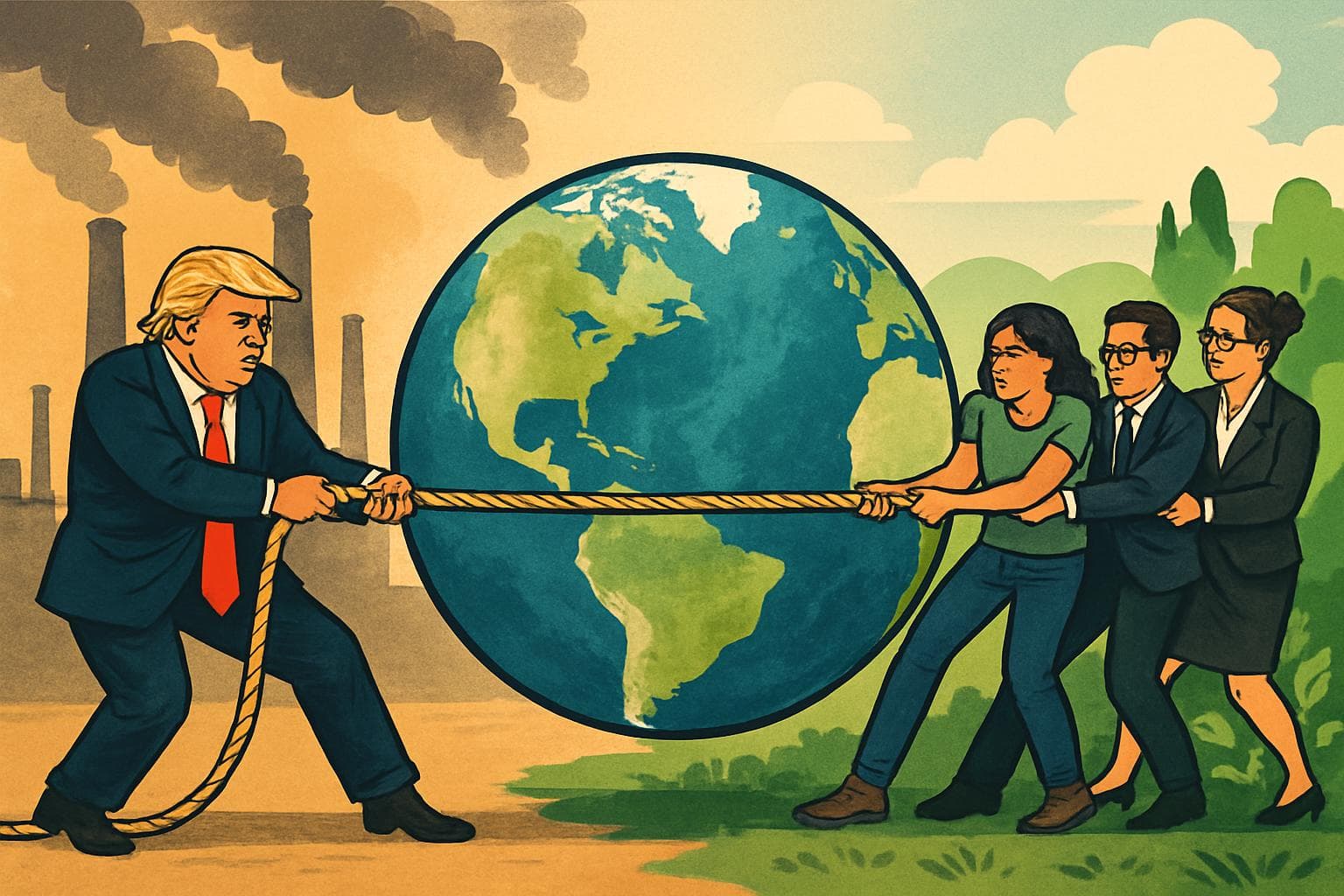
The Trump administration has announced a controversial plan to rescind the Endangerment Finding, a pivotal 2009 decision that empowers the Environmental Protection Agency (EPA) to regulate greenhouse gas emissions. This move could significantly weaken federal efforts to combat climate change by dismantling the legal foundation for various emissions standards.
Background and Implications
The Endangerment Finding, established during Barack Obama's presidency, classifies greenhouse gases as pollutants that threaten public health and welfare. This classification under the Clean Air Act has enabled the EPA to impose limits on emissions from vehicles, power plants, and other sources. The United States, a major contributor to global carbon emissions, ranks second only to China in total emissions, though it leads in per capita emissions.
EPA Administrator Lee Zeldin, speaking on the conservative "Ruthless" podcast, framed the repeal as an economic necessity, claiming it would save Americans $54 billion annually by eliminating costly regulations. He described the Endangerment Finding as a distraction and a hindrance to national prosperity and energy security.
Criticism and Legal Challenges
The proposal has drawn sharp criticism from environmental groups, legal experts, and former EPA officials. Christine Todd Whitman, who led the EPA under President George W. Bush, condemned the move as contrary to the agency's mission to protect both the environment and public health. David Doniger of the Natural Resources Defense Council expressed skepticism about the proposal's legal viability, noting the difficulty of overturning the Supreme Court's 2007 ruling that grants the EPA authority to regulate greenhouse gases.
Potential Impact on Emissions Standards
If successful, the revocation would affect regulations on tailpipe emissions, potentially reversing progress on electric vehicle mandates. The transportation sector remains the largest source of greenhouse gas emissions in the U.S., and the proposed changes could hinder efforts to reduce this footprint.
WHAT THIS MIGHT MEAN
The Trump administration's attempt to revoke the Endangerment Finding is likely to face a protracted legal battle. Environmental advocates and some lawmakers are expected to challenge the proposal in court, arguing that it undermines established scientific consensus and public health protections. Should the revocation proceed, it could stall advancements in emissions reductions and electric vehicle adoption, impacting both domestic and international climate commitments. As the legal process unfolds, the outcome will shape the future of U.S. climate policy and its role in global environmental efforts.
Related Articles
China Sets Lowest GDP Growth Target in Decades Amid Economic Challenges

UK Faces Dilemmas Amid Iran Conflict and China Spying Allegations
Trump's New Tariff Strategy Sparks Global Trade Uncertainty

Tech Giants Pledge to Cover AI Data Center Energy Costs Amid Rising Electricity Concerns
Cuba Faces Widespread Blackout Amid Deepening Fuel Crisis

Google Faces Legal Battle Over AI Chatbot's Alleged Role in Tragic Death
Trump Administration Seeks to Revoke Key Climate Regulation
In This Article
 Leila Hassan| Published
 HIGHLIGHTS
- The Trump administration plans to revoke the 2009 Endangerment Finding, which allows the EPA to regulate greenhouse gas emissions under the Clean Air Act.
- EPA Administrator Lee Zeldin described the move as the largest deregulatory action in U.S. history, emphasizing economic growth over environmental regulations.
- Critics, including former EPA leaders, argue that this rollback endangers public health and contradicts the agency's mission.
- The proposal is expected to face significant legal challenges, with experts doubting its ability to withstand court scrutiny.
- The revocation could impact regulations on vehicle emissions, potentially stalling progress on electric vehicle adoption.
The Trump administration has announced a controversial plan to rescind the Endangerment Finding, a pivotal 2009 decision that empowers the Environmental Protection Agency (EPA) to regulate greenhouse gas emissions. This move could significantly weaken federal efforts to combat climate change by dismantling the legal foundation for various emissions standards.
Background and Implications
The Endangerment Finding, established during Barack Obama's presidency, classifies greenhouse gases as pollutants that threaten public health and welfare. This classification under the Clean Air Act has enabled the EPA to impose limits on emissions from vehicles, power plants, and other sources. The United States, a major contributor to global carbon emissions, ranks second only to China in total emissions, though it leads in per capita emissions.
EPA Administrator Lee Zeldin, speaking on the conservative "Ruthless" podcast, framed the repeal as an economic necessity, claiming it would save Americans $54 billion annually by eliminating costly regulations. He described the Endangerment Finding as a distraction and a hindrance to national prosperity and energy security.
Criticism and Legal Challenges
The proposal has drawn sharp criticism from environmental groups, legal experts, and former EPA officials. Christine Todd Whitman, who led the EPA under President George W. Bush, condemned the move as contrary to the agency's mission to protect both the environment and public health. David Doniger of the Natural Resources Defense Council expressed skepticism about the proposal's legal viability, noting the difficulty of overturning the Supreme Court's 2007 ruling that grants the EPA authority to regulate greenhouse gases.
Potential Impact on Emissions Standards
If successful, the revocation would affect regulations on tailpipe emissions, potentially reversing progress on electric vehicle mandates. The transportation sector remains the largest source of greenhouse gas emissions in the U.S., and the proposed changes could hinder efforts to reduce this footprint.
WHAT THIS MIGHT MEAN
The Trump administration's attempt to revoke the Endangerment Finding is likely to face a protracted legal battle. Environmental advocates and some lawmakers are expected to challenge the proposal in court, arguing that it undermines established scientific consensus and public health protections. Should the revocation proceed, it could stall advancements in emissions reductions and electric vehicle adoption, impacting both domestic and international climate commitments. As the legal process unfolds, the outcome will shape the future of U.S. climate policy and its role in global environmental efforts.
Related Articles
China Sets Lowest GDP Growth Target in Decades Amid Economic Challenges
UK Faces Dilemmas Amid Iran Conflict and China Spying Allegations
Trump's New Tariff Strategy Sparks Global Trade Uncertainty
Tech Giants Pledge to Cover AI Data Center Energy Costs Amid Rising Electricity Concerns
Cuba Faces Widespread Blackout Amid Deepening Fuel Crisis
Google Faces Legal Battle Over AI Chatbot's Alleged Role in Tragic Death