
Trump Claims Greenland Deal Framework Amidst Tariff Threats at Davos

In This Article
HIGHLIGHTS
- President Donald Trump announced a "framework of a future deal" on Greenland, easing tensions over potential US tariffs on European allies.
- European leaders expressed skepticism about the deal, with Danish officials emphasizing Greenland's sovereignty and NATO's limited role in negotiations.
- Trump's Davos speech included controversial remarks about European countries and reiterated his interest in acquiring Greenland.
- NATO discussions reportedly involved granting the US sovereignty over small parts of Greenland, though details remain unclear.
- The announcement temporarily relieved financial markets and European capitals, but doubts persist about the feasibility and intentions behind the deal.
At the World Economic Forum in Davos, President Donald Trump announced a "framework of a future deal" concerning Greenland, temporarily easing tensions over his earlier threats to impose tariffs on several European countries. This development follows weeks of escalating rhetoric that had strained transatlantic relations.
Trump's Controversial Davos Speech
During his address, Trump reiterated his interest in acquiring Greenland, describing it as a "big, beautiful piece of ice." His speech, marked by controversial remarks about European leaders, drew criticism for its tone and content. Trump claimed that the US was owed Greenland due to its historical military support during World War II, a statement that has been widely debunked.
NATO Discussions and European Skepticism
Following a meeting with NATO Secretary General Mark Rutte, Trump suggested that the US might gain sovereignty over small parts of Greenland, similar to the UK's military bases in Cyprus. However, Danish officials and Greenlandic lawmakers expressed skepticism, emphasizing Greenland's sovereignty and questioning NATO's mandate in such negotiations. Danish Foreign Minister Lars Løkke Rasmussen noted that while Trump's decision to pause tariff threats was positive, the fundamental issue of Greenland's status remains unresolved.
Market Reactions and Political Implications
The announcement of a potential deal provided temporary relief to financial markets and European capitals, which had been bracing for the impact of new tariffs. Despite this, European leaders remain cautious, with many viewing Trump's approach as a broader challenge to the established international order.
WHAT THIS MIGHT MEAN
The future of US-European relations remains uncertain as skepticism lingers over the proposed Greenland deal. If negotiations proceed, they could redefine the geopolitical landscape in the Arctic, potentially impacting NATO's strategic priorities. Experts suggest that Trump's approach may further strain US-European alliances, prompting European nations to seek greater autonomy in global affairs. As discussions continue, the international community will closely monitor developments, particularly regarding Arctic security and territorial sovereignty.
Related Articles
UK-Iran Tensions: Starmer Defends Cautious Approach Amid Trump Criticism
Spain's Sánchez Stands Firm Against Trump's Trade Threat Over Iran Stance
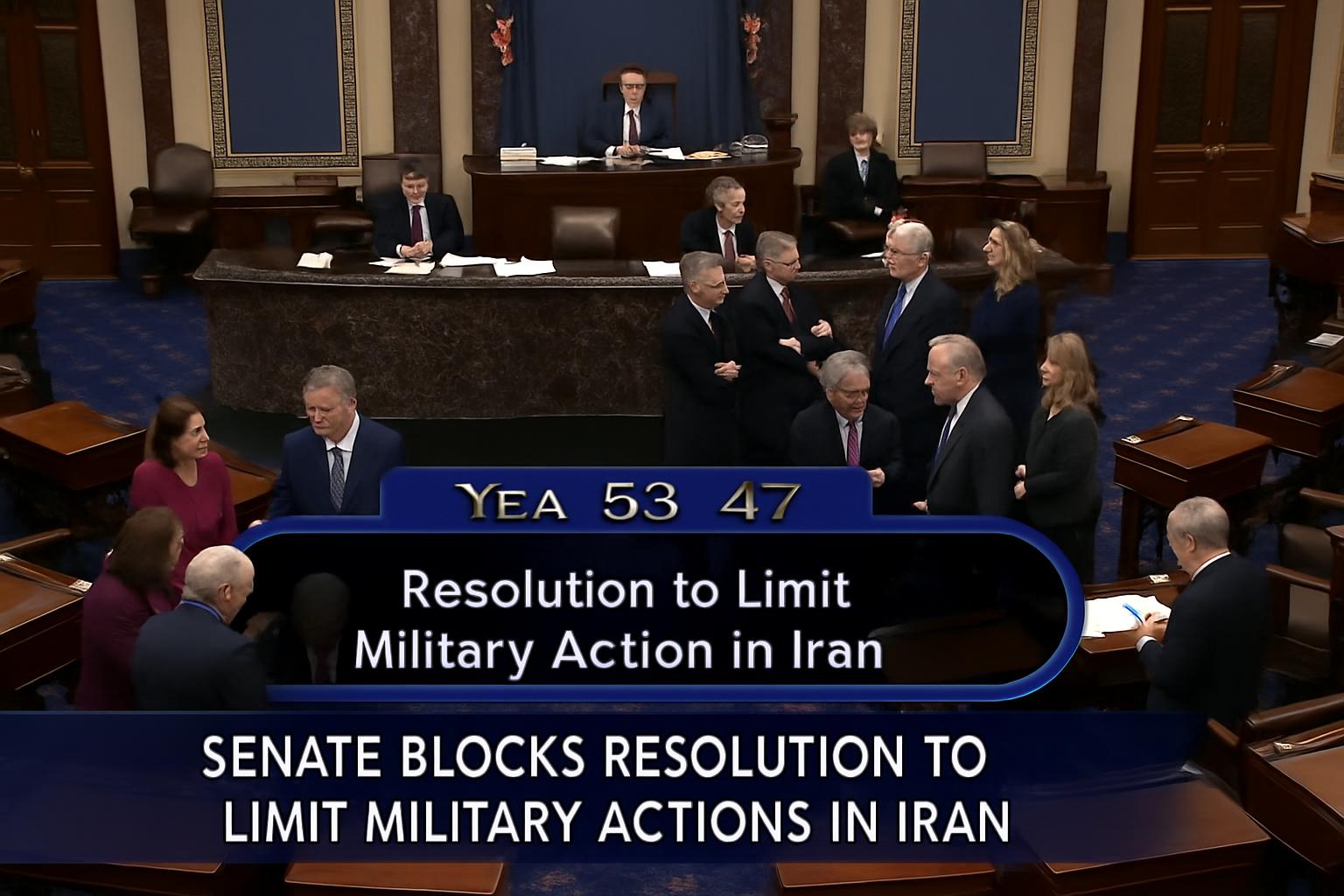
Senate Blocks Resolution to Limit Trump's Military Actions in Iran
US-Iran Tensions Escalate Amid Renewed Nuclear Talks and Protests
Congress Subpoenas Attorney General Bondi in Epstein Investigation
Diplomatic Tensions Rise as Trump Criticizes Starmer's Iran Policy
Trump Claims Greenland Deal Framework Amidst Tariff Threats at Davos
In This Article
 Ethan Brooks| Published
 HIGHLIGHTS
- President Donald Trump announced a "framework of a future deal" on Greenland, easing tensions over potential US tariffs on European allies.
- European leaders expressed skepticism about the deal, with Danish officials emphasizing Greenland's sovereignty and NATO's limited role in negotiations.
- Trump's Davos speech included controversial remarks about European countries and reiterated his interest in acquiring Greenland.
- NATO discussions reportedly involved granting the US sovereignty over small parts of Greenland, though details remain unclear.
- The announcement temporarily relieved financial markets and European capitals, but doubts persist about the feasibility and intentions behind the deal.
At the World Economic Forum in Davos, President Donald Trump announced a "framework of a future deal" concerning Greenland, temporarily easing tensions over his earlier threats to impose tariffs on several European countries. This development follows weeks of escalating rhetoric that had strained transatlantic relations.
Trump's Controversial Davos Speech
During his address, Trump reiterated his interest in acquiring Greenland, describing it as a "big, beautiful piece of ice." His speech, marked by controversial remarks about European leaders, drew criticism for its tone and content. Trump claimed that the US was owed Greenland due to its historical military support during World War II, a statement that has been widely debunked.
NATO Discussions and European Skepticism
Following a meeting with NATO Secretary General Mark Rutte, Trump suggested that the US might gain sovereignty over small parts of Greenland, similar to the UK's military bases in Cyprus. However, Danish officials and Greenlandic lawmakers expressed skepticism, emphasizing Greenland's sovereignty and questioning NATO's mandate in such negotiations. Danish Foreign Minister Lars Løkke Rasmussen noted that while Trump's decision to pause tariff threats was positive, the fundamental issue of Greenland's status remains unresolved.
Market Reactions and Political Implications
The announcement of a potential deal provided temporary relief to financial markets and European capitals, which had been bracing for the impact of new tariffs. Despite this, European leaders remain cautious, with many viewing Trump's approach as a broader challenge to the established international order.
WHAT THIS MIGHT MEAN
The future of US-European relations remains uncertain as skepticism lingers over the proposed Greenland deal. If negotiations proceed, they could redefine the geopolitical landscape in the Arctic, potentially impacting NATO's strategic priorities. Experts suggest that Trump's approach may further strain US-European alliances, prompting European nations to seek greater autonomy in global affairs. As discussions continue, the international community will closely monitor developments, particularly regarding Arctic security and territorial sovereignty.
Related Articles
UK-Iran Tensions: Starmer Defends Cautious Approach Amid Trump Criticism
Spain's Sánchez Stands Firm Against Trump's Trade Threat Over Iran Stance
Senate Blocks Resolution to Limit Trump's Military Actions in Iran
US-Iran Tensions Escalate Amid Renewed Nuclear Talks and Protests
Congress Subpoenas Attorney General Bondi in Epstein Investigation
Diplomatic Tensions Rise as Trump Criticizes Starmer's Iran Policy