
Trump Appeals to Supreme Court in E Jean Carroll Defamation Case
In This Article
HIGHLIGHTS
- Donald Trump has petitioned the US Supreme Court to overturn a $5 million civil verdict that found he defamed and sexually abused writer E Jean Carroll.
- Trump's legal team argues that the trial judge, Lewis Kaplan, improperly allowed prejudicial evidence, including the 2005 Access Hollywood tape.
- A federal appeals court previously upheld the jury's verdict, rejecting Trump's claims of judicial errors, and declined to rehear the case.
- Carroll's lawsuit stems from allegations of a 1990s assault in a Manhattan department store, which Trump has consistently denied.
- The Supreme Court's decision on whether to hear the case remains uncertain, as Trump's legal battles continue to unfold.
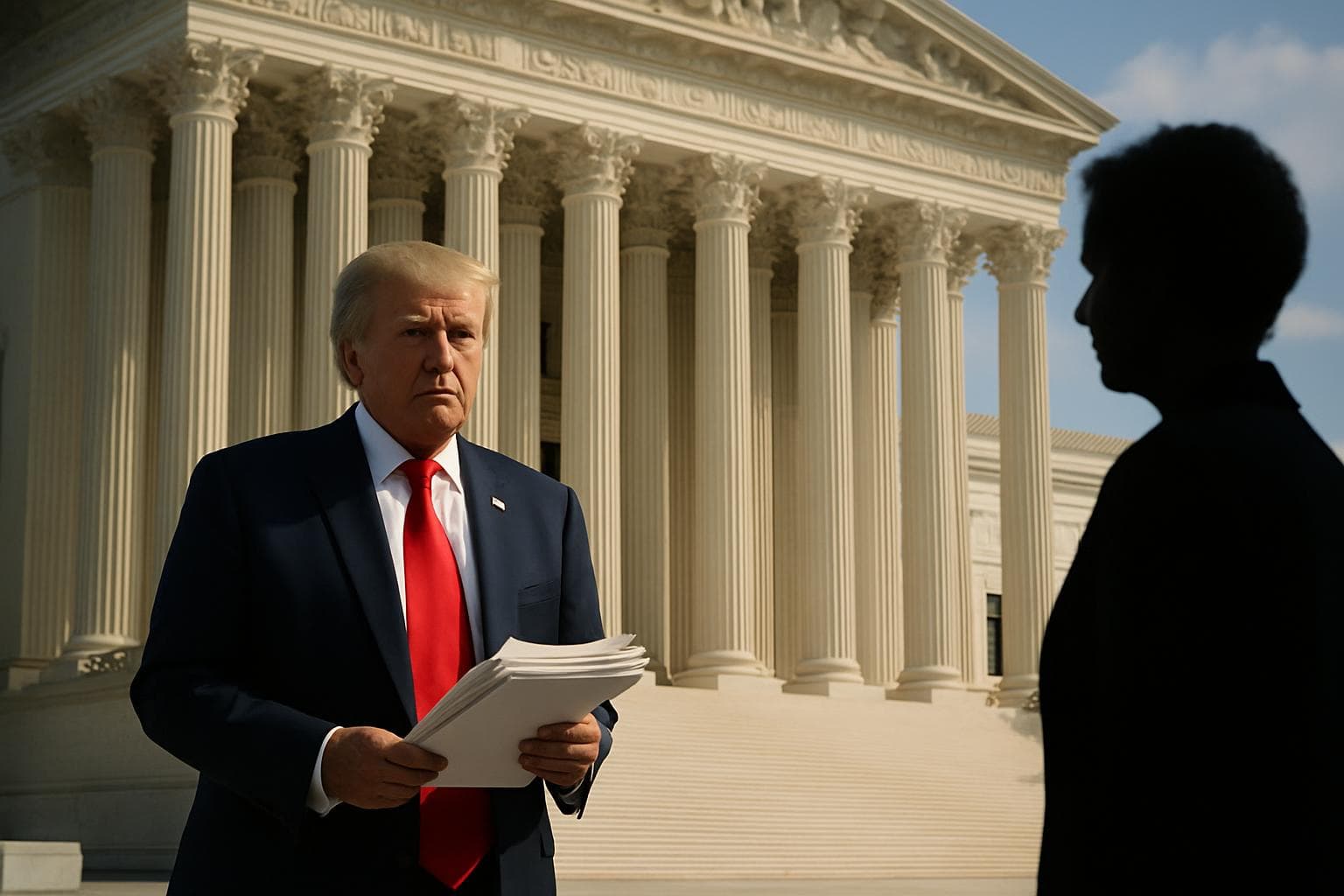
Former President Donald Trump has taken his legal battle to the US Supreme Court, seeking to overturn a $5 million civil verdict that found him liable for defaming and sexually abusing writer E Jean Carroll. This move follows a series of legal defeats in lower courts, where Trump's claims of judicial impropriety were consistently rejected.
Background of the Case
The case dates back to the mid-1990s when Carroll, a former magazine columnist, accused Trump of sexually assaulting her in a Manhattan department store dressing room. The allegations resurfaced in 2022 when Trump, on his Truth Social platform, labeled the incident a "hoax," prompting Carroll to sue for defamation. In 2023, a New York jury awarded Carroll $5 million in damages, finding Trump liable for defamation and sexual abuse, though not for rape under New York's penal code.
Legal Arguments and Appeals
Trump's legal team, led by attorney Justin D. Smith, argues that the trial was marred by "indefensible evidentiary rulings" by Judge Lewis Kaplan. They contend that the inclusion of the 2005 Access Hollywood tape, where Trump made controversial remarks about women, unfairly influenced the jury. The defense maintains that Carroll's claims are politically motivated and lack corroborative evidence, such as eyewitness accounts or police reports.
Despite these arguments, a federal appeals court upheld the jury's verdict, dismissing Trump's claims of judicial errors. The court also denied a request for a rehearing, leaving the Supreme Court as Trump's final recourse.
Implications and Reactions
Roberta Kaplan, Carroll's attorney, has refrained from commenting on the Supreme Court appeal. However, she previously expressed skepticism about Trump's chances of success, stating that his legal issues do not merit the Supreme Court's review. Meanwhile, Trump's legal team frames the appeal as part of a broader fight against what they describe as "Liberal Lawfare."
WHAT THIS MIGHT MEAN
The Supreme Court's decision on whether to hear Trump's appeal will be pivotal. If the court agrees to review the case, it could set a significant precedent regarding the admissibility of evidence in civil trials, particularly in high-profile defamation and sexual abuse cases. Conversely, if the court declines, it would mark a substantial legal setback for Trump, potentially influencing his ongoing and future legal battles.
Experts suggest that the conservative majority in the Supreme Court, including three justices appointed by Trump, might be more receptive to his appeal. However, the court's ultimate decision will likely hinge on broader legal principles rather than political affiliations. As the legal saga continues, the case remains a focal point in the ongoing discourse surrounding Trump's post-presidential legal challenges.
Related Articles

Greenland Politely Declines Trump's Hospital Ship Offer Amid Healthcare Debate
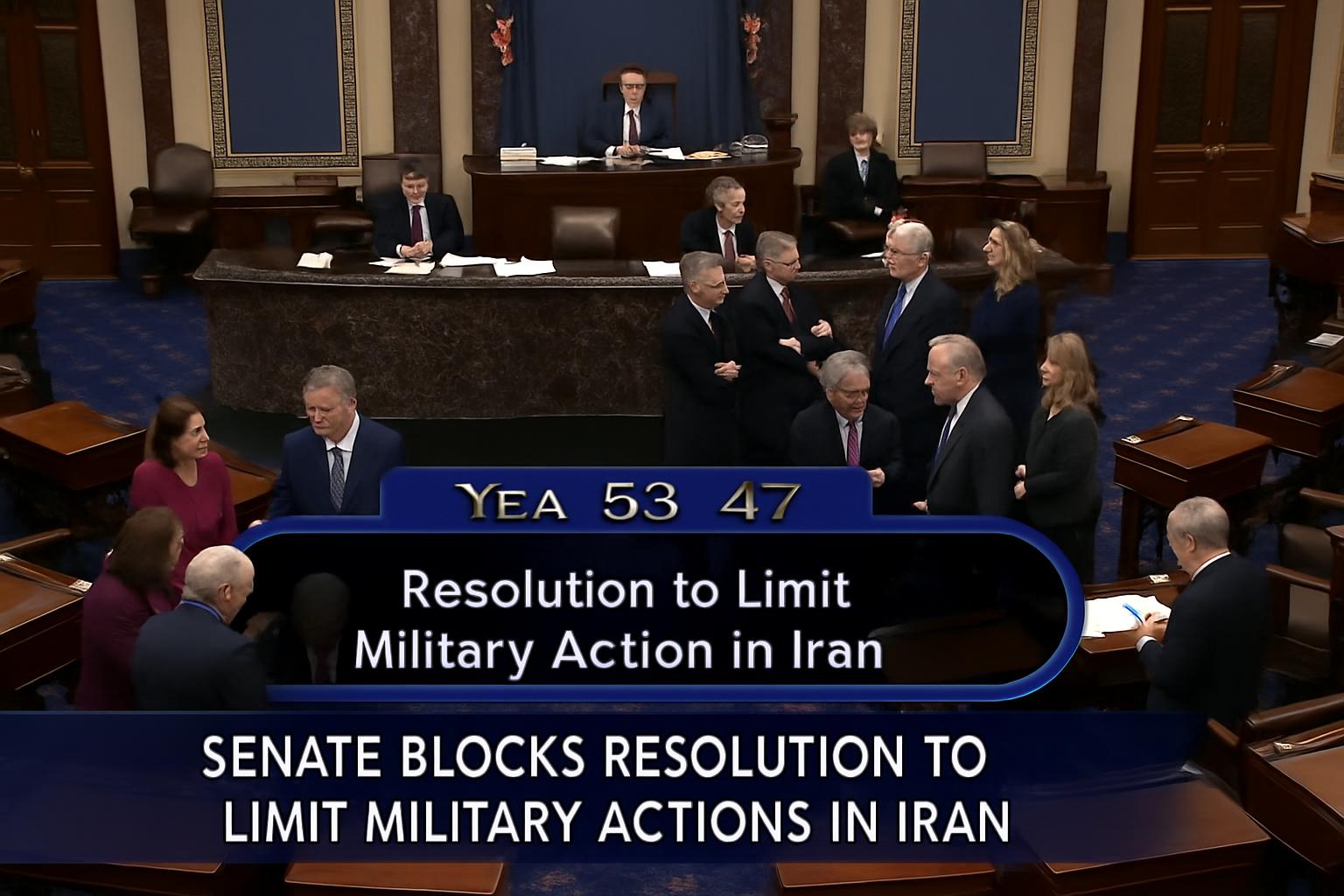
Senate Blocks Resolution to Limit Trump's Military Actions in Iran
Spain's Sánchez Stands Firm Against Trump's Trade Threat Over Iran Stance
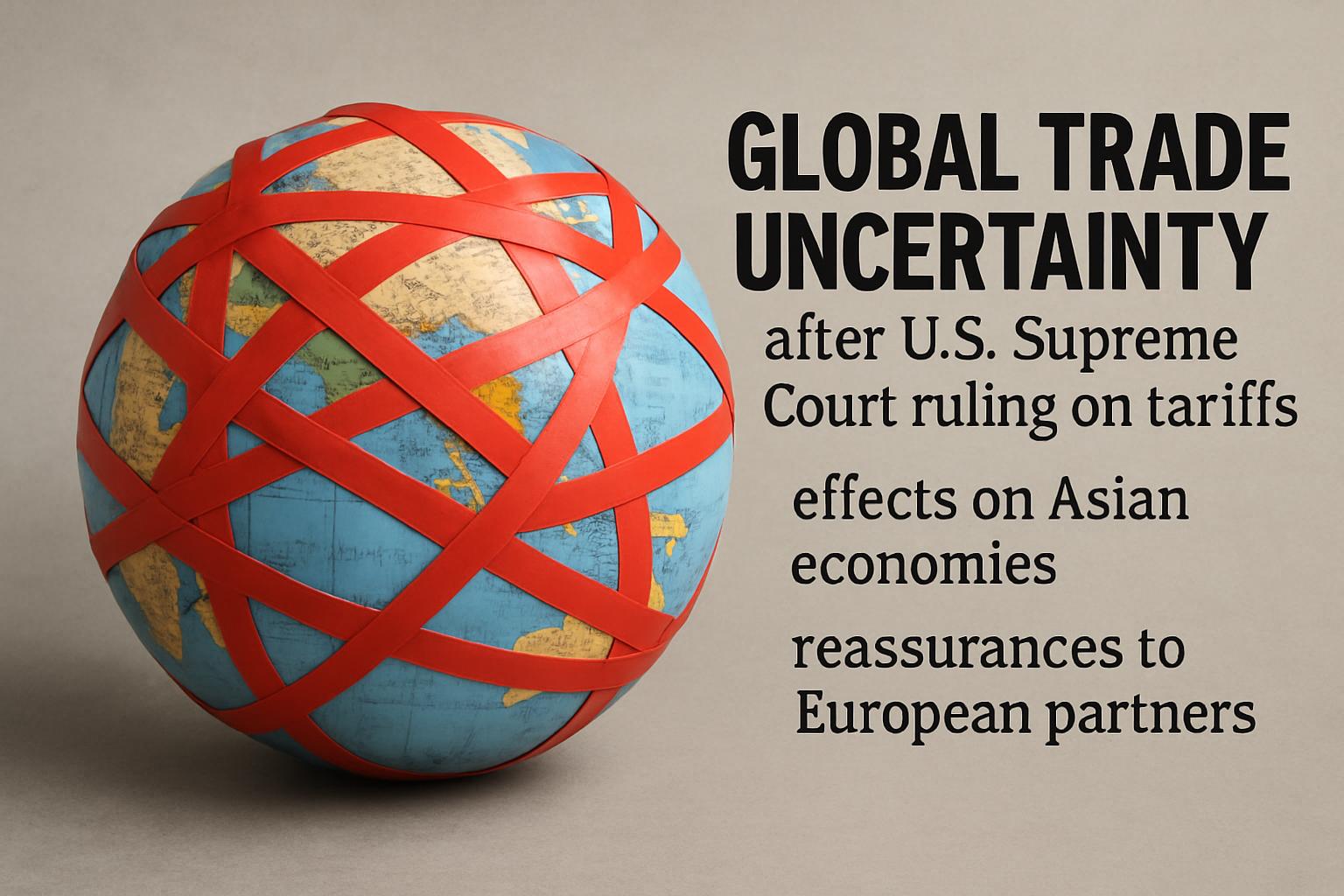
US Supreme Court Ruling Sparks Trade Uncertainty in Asia and Beyond

US-Iran Tensions Escalate Amid Renewed Nuclear Talks and Protests
Congress Subpoenas Attorney General Bondi in Epstein Investigation
Trump Appeals to Supreme Court in E Jean Carroll Defamation Case
In This Article
 Ethan Brooks| Published
 HIGHLIGHTS
- Donald Trump has petitioned the US Supreme Court to overturn a $5 million civil verdict that found he defamed and sexually abused writer E Jean Carroll.
- Trump's legal team argues that the trial judge, Lewis Kaplan, improperly allowed prejudicial evidence, including the 2005 Access Hollywood tape.
- A federal appeals court previously upheld the jury's verdict, rejecting Trump's claims of judicial errors, and declined to rehear the case.
- Carroll's lawsuit stems from allegations of a 1990s assault in a Manhattan department store, which Trump has consistently denied.
- The Supreme Court's decision on whether to hear the case remains uncertain, as Trump's legal battles continue to unfold.
Former President Donald Trump has taken his legal battle to the US Supreme Court, seeking to overturn a $5 million civil verdict that found him liable for defaming and sexually abusing writer E Jean Carroll. This move follows a series of legal defeats in lower courts, where Trump's claims of judicial impropriety were consistently rejected.
Background of the Case
The case dates back to the mid-1990s when Carroll, a former magazine columnist, accused Trump of sexually assaulting her in a Manhattan department store dressing room. The allegations resurfaced in 2022 when Trump, on his Truth Social platform, labeled the incident a "hoax," prompting Carroll to sue for defamation. In 2023, a New York jury awarded Carroll $5 million in damages, finding Trump liable for defamation and sexual abuse, though not for rape under New York's penal code.
Legal Arguments and Appeals
Trump's legal team, led by attorney Justin D. Smith, argues that the trial was marred by "indefensible evidentiary rulings" by Judge Lewis Kaplan. They contend that the inclusion of the 2005 Access Hollywood tape, where Trump made controversial remarks about women, unfairly influenced the jury. The defense maintains that Carroll's claims are politically motivated and lack corroborative evidence, such as eyewitness accounts or police reports.
Despite these arguments, a federal appeals court upheld the jury's verdict, dismissing Trump's claims of judicial errors. The court also denied a request for a rehearing, leaving the Supreme Court as Trump's final recourse.
Implications and Reactions
Roberta Kaplan, Carroll's attorney, has refrained from commenting on the Supreme Court appeal. However, she previously expressed skepticism about Trump's chances of success, stating that his legal issues do not merit the Supreme Court's review. Meanwhile, Trump's legal team frames the appeal as part of a broader fight against what they describe as "Liberal Lawfare."
WHAT THIS MIGHT MEAN
The Supreme Court's decision on whether to hear Trump's appeal will be pivotal. If the court agrees to review the case, it could set a significant precedent regarding the admissibility of evidence in civil trials, particularly in high-profile defamation and sexual abuse cases. Conversely, if the court declines, it would mark a substantial legal setback for Trump, potentially influencing his ongoing and future legal battles.
Experts suggest that the conservative majority in the Supreme Court, including three justices appointed by Trump, might be more receptive to his appeal. However, the court's ultimate decision will likely hinge on broader legal principles rather than political affiliations. As the legal saga continues, the case remains a focal point in the ongoing discourse surrounding Trump's post-presidential legal challenges.
Related Articles
Greenland Politely Declines Trump's Hospital Ship Offer Amid Healthcare Debate
Senate Blocks Resolution to Limit Trump's Military Actions in Iran
Spain's Sánchez Stands Firm Against Trump's Trade Threat Over Iran Stance
US Supreme Court Ruling Sparks Trade Uncertainty in Asia and Beyond
US-Iran Tensions Escalate Amid Renewed Nuclear Talks and Protests
Congress Subpoenas Attorney General Bondi in Epstein Investigation