
Trump Appoints New Architect for Controversial White House Ballroom Project
In This Article
HIGHLIGHTS
- Donald Trump has appointed Shalom Baranes as the new architect for the White House ballroom project, replacing James McCrery.
- The ballroom, initially planned for 500 guests, has expanded to accommodate 1,350, sparking concerns about its impact on the White House's historic architecture.
- The East Wing was demolished in October to make way for the ballroom, leading to criticism from conservationists and political opponents.
- The project, estimated at $300 million, will be reviewed by the National Capital Planning Commission before construction begins.
- Senator Richard Blumenthal introduced the No Palaces Act to prevent future demolitions of historic federal buildings without proper oversight.
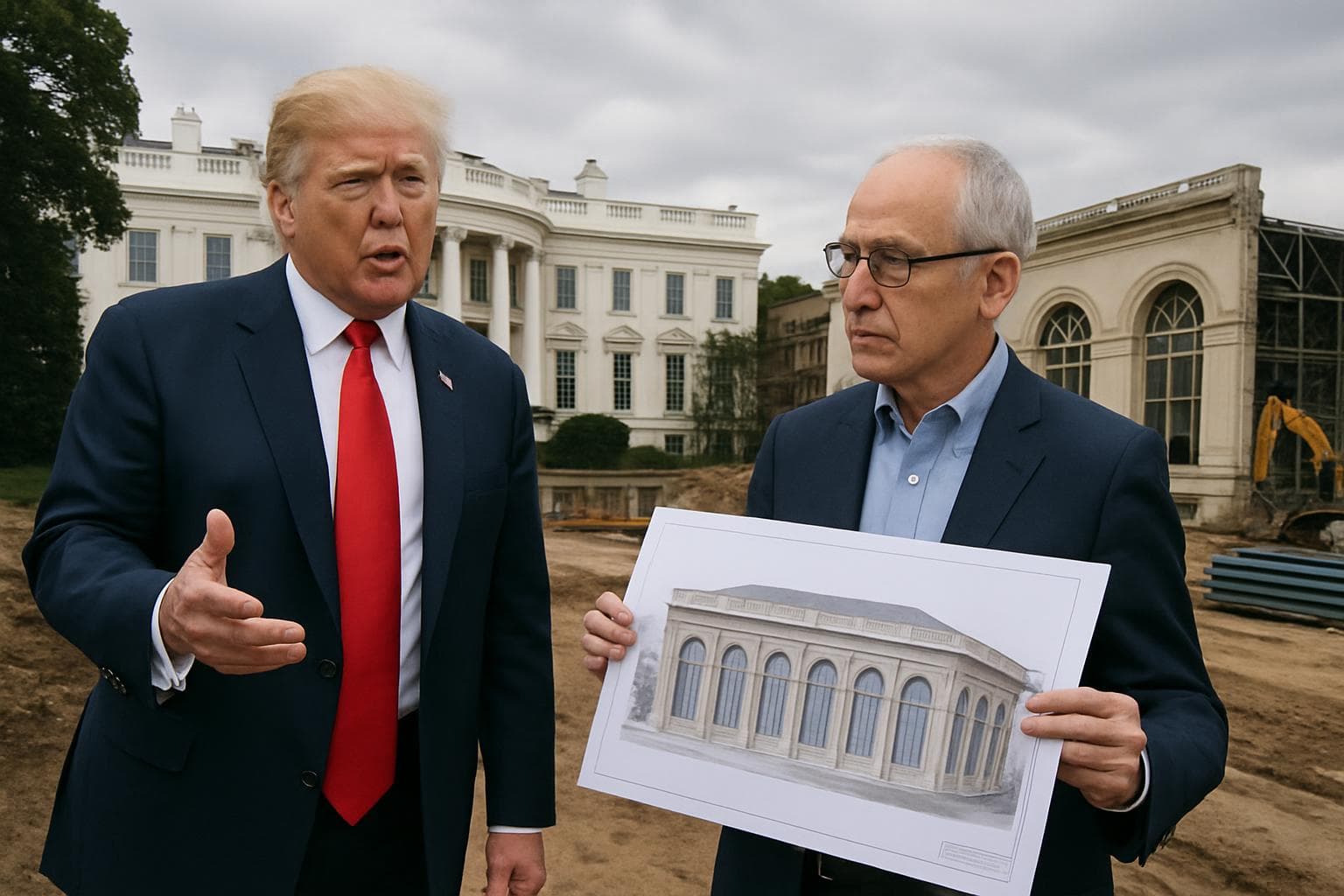
In a significant development for the White House's architectural landscape, President Donald Trump has appointed Shalom Baranes as the new architect for the expansive ballroom project, replacing James McCrery. This decision comes amid ongoing debates over the project's scale and impact on the historic site.
Architectural Transition and Project Expansion
The White House confirmed the appointment of Shalom Baranes, a renowned architect known for his work on federal projects in Washington, D.C. Baranes replaces James McCrery, who had been leading the project for over three months. The transition follows disagreements between Trump and McCrery over the ballroom's size, which has grown from a capacity of 500 to 1,350 guests. McCrery will remain as a consultant, despite concerns that the 90,000-square-foot addition might overshadow the existing White House structures.
Demolition and Criticism
The project's progression has not been without controversy. In October, the East Wing was demolished to make way for the new ballroom, contradicting Trump's earlier assurances that existing buildings would remain untouched. This move has drawn criticism from conservationists and political opponents, who question the oversight of such a significant architectural change.
Regulatory and Legislative Oversight
The $300 million project will undergo review by the National Capital Planning Commission (NCPC) before construction can commence. In response to the demolition, Senator Richard Blumenthal introduced the No Palaces Act, aiming to prevent future presidents from demolishing historic federal buildings without NCPC approval or congressional consideration. The bill reflects growing concerns over the preservation of national heritage sites.
Future Implications
The ballroom project, touted by Trump as the most significant addition to the White House since the Oval Office, continues to stir debate. As the NCPC prepares to assess the plans, the project's future remains uncertain. The introduction of the No Palaces Act highlights the potential for increased regulatory scrutiny on similar projects, emphasizing the need for careful consideration of historical preservation in future architectural endeavors.
WHAT THIS MIGHT MEAN
The appointment of Shalom Baranes could bring a fresh perspective to the White House ballroom project, potentially addressing some of the concerns raised about its scale and impact. However, the project's approval by the National Capital Planning Commission remains a critical hurdle. Should the NCPC raise objections, it could lead to significant revisions or delays.
Politically, the introduction of the No Palaces Act by Senator Blumenthal may signal a shift towards greater oversight of federal construction projects, particularly those involving historic sites. If passed, this legislation could set a precedent for future administrations, ensuring that architectural changes are balanced with the preservation of national heritage.
Related Articles

Congress Subpoenas Attorney General Bondi in Epstein Investigation

Tech Giants Pledge to Cover AI Data Center Energy Costs Amid Rising Electricity Concerns
Senate Blocks Resolution to Limit Trump's Military Actions in Iran

Spain's Sánchez Stands Firm Against Trump's Trade Threat Over Iran Stance

Cuba Faces Widespread Blackout Amid Deepening Fuel Crisis

UK Faces Dilemmas Amid Iran Conflict and China Spying Allegations
Trump Appoints New Architect for Controversial White House Ballroom Project
In This Article
 Alex Carter| Published
 HIGHLIGHTS
- Donald Trump has appointed Shalom Baranes as the new architect for the White House ballroom project, replacing James McCrery.
- The ballroom, initially planned for 500 guests, has expanded to accommodate 1,350, sparking concerns about its impact on the White House's historic architecture.
- The East Wing was demolished in October to make way for the ballroom, leading to criticism from conservationists and political opponents.
- The project, estimated at $300 million, will be reviewed by the National Capital Planning Commission before construction begins.
- Senator Richard Blumenthal introduced the No Palaces Act to prevent future demolitions of historic federal buildings without proper oversight.
In a significant development for the White House's architectural landscape, President Donald Trump has appointed Shalom Baranes as the new architect for the expansive ballroom project, replacing James McCrery. This decision comes amid ongoing debates over the project's scale and impact on the historic site.
Architectural Transition and Project Expansion
The White House confirmed the appointment of Shalom Baranes, a renowned architect known for his work on federal projects in Washington, D.C. Baranes replaces James McCrery, who had been leading the project for over three months. The transition follows disagreements between Trump and McCrery over the ballroom's size, which has grown from a capacity of 500 to 1,350 guests. McCrery will remain as a consultant, despite concerns that the 90,000-square-foot addition might overshadow the existing White House structures.
Demolition and Criticism
The project's progression has not been without controversy. In October, the East Wing was demolished to make way for the new ballroom, contradicting Trump's earlier assurances that existing buildings would remain untouched. This move has drawn criticism from conservationists and political opponents, who question the oversight of such a significant architectural change.
Regulatory and Legislative Oversight
The $300 million project will undergo review by the National Capital Planning Commission (NCPC) before construction can commence. In response to the demolition, Senator Richard Blumenthal introduced the No Palaces Act, aiming to prevent future presidents from demolishing historic federal buildings without NCPC approval or congressional consideration. The bill reflects growing concerns over the preservation of national heritage sites.
Future Implications
The ballroom project, touted by Trump as the most significant addition to the White House since the Oval Office, continues to stir debate. As the NCPC prepares to assess the plans, the project's future remains uncertain. The introduction of the No Palaces Act highlights the potential for increased regulatory scrutiny on similar projects, emphasizing the need for careful consideration of historical preservation in future architectural endeavors.
WHAT THIS MIGHT MEAN
The appointment of Shalom Baranes could bring a fresh perspective to the White House ballroom project, potentially addressing some of the concerns raised about its scale and impact. However, the project's approval by the National Capital Planning Commission remains a critical hurdle. Should the NCPC raise objections, it could lead to significant revisions or delays.
Politically, the introduction of the No Palaces Act by Senator Blumenthal may signal a shift towards greater oversight of federal construction projects, particularly those involving historic sites. If passed, this legislation could set a precedent for future administrations, ensuring that architectural changes are balanced with the preservation of national heritage.
Related Articles
Congress Subpoenas Attorney General Bondi in Epstein Investigation
Tech Giants Pledge to Cover AI Data Center Energy Costs Amid Rising Electricity Concerns
Senate Blocks Resolution to Limit Trump's Military Actions in Iran
Spain's Sánchez Stands Firm Against Trump's Trade Threat Over Iran Stance
Cuba Faces Widespread Blackout Amid Deepening Fuel Crisis
UK Faces Dilemmas Amid Iran Conflict and China Spying Allegations