
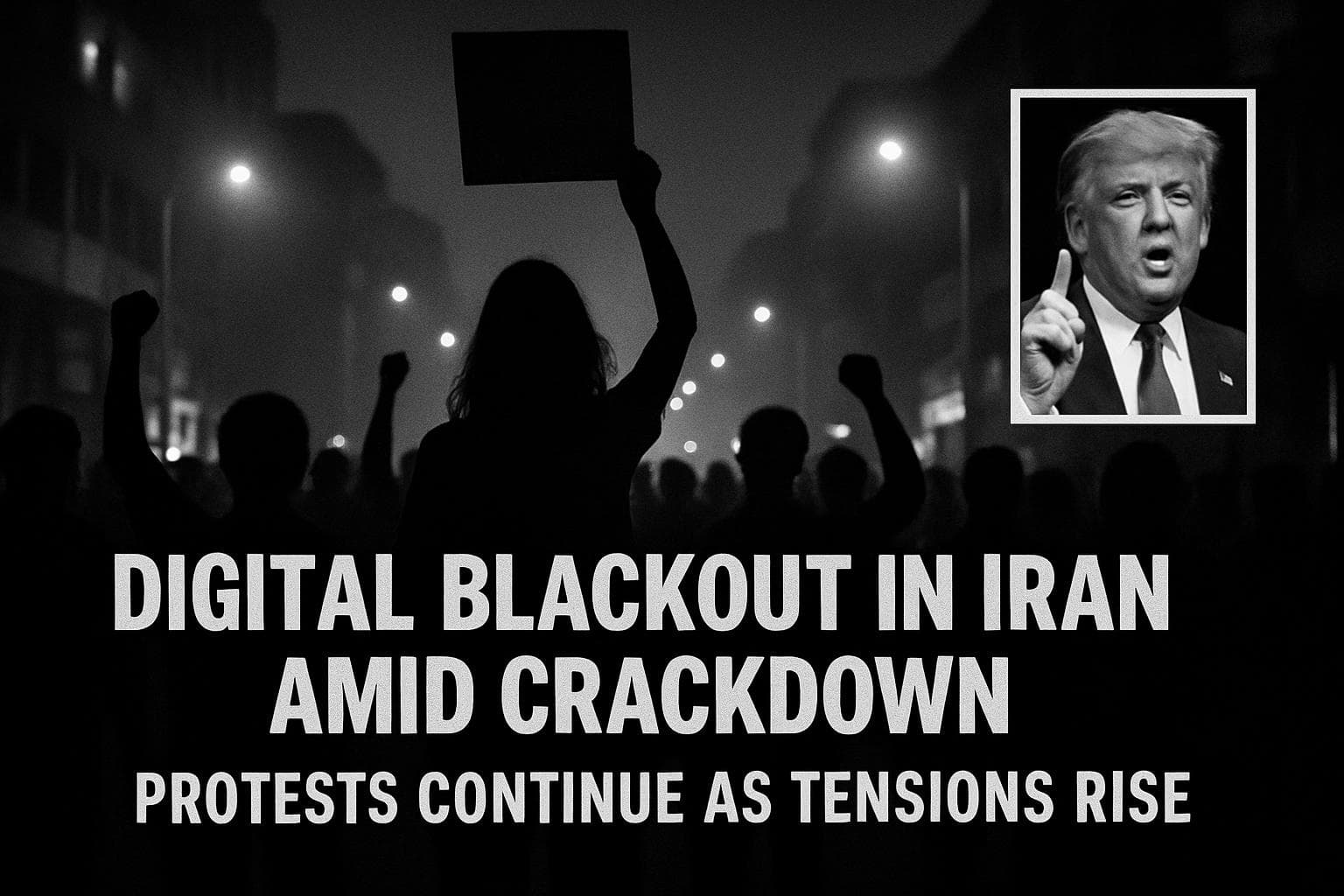
Trump Signals Support for Iranian Protesters Amid Rising Death Toll and Internet Blackout
In This Article
HIGHLIGHTS
- Over 2,000 people have reportedly been killed in Iran amid a violent crackdown on protests, according to human rights groups.
- President Trump has promised support to Iranian protesters, hinting at potential military action against Tehran.
- The Iranian government has imposed a nationwide internet blackout, obscuring the true scale of the crackdown.
- Trump has announced a 25% tariff on countries trading with Iran, escalating economic pressure.
- Iran's judiciary chief has signaled swift trials and possible executions for detained protesters, defying international warnings.
The ongoing protests in Iran have resulted in a reported death toll exceeding 2,000, as the government intensifies its crackdown on dissent. Human rights organizations, including the US-based Human Rights Activists News Agency (HRANA), have confirmed these figures, highlighting the severity of the situation. The protests, initially sparked by economic grievances, have evolved into a significant challenge to the Iranian regime.
US Response and International Tensions
President Donald Trump has publicly expressed support for the Iranian protesters, urging them to continue their demonstrations. In a series of posts on Truth Social, Trump assured that "help is on its way" and hinted at possible military action against Tehran. This comes as the US State Department has advised American citizens to leave Iran immediately, citing safety concerns.
Trump's administration has also imposed a 25% tariff on countries trading with Iran, aiming to increase economic pressure on the regime. This move has drawn criticism from China, Iran's largest trading partner, which opposes external interference in Iran's internal affairs.
Iran's Crackdown and Internet Blackout
The Iranian government has responded to the protests with a nationwide internet blackout, now lasting over 132 hours, according to Netblocks. This digital shutdown has made it difficult to assess the full extent of the crackdown. Videos and reports from within the country suggest widespread violence and arrests.
Iran's judiciary chief, Gholamhossein Mohseni-Ejei, has announced plans for swift trials and potential executions of those detained during the protests. This stance directly challenges Trump's warnings against such actions, as the US president has vowed "very strong action" if executions proceed.
International Reactions and Future Implications
The international community remains divided on how to respond to the crisis in Iran. European diplomats believe the Iranian regime is determined to maintain power, requiring sustained external pressure to effect change. Meanwhile, French Foreign Minister Jean-Noel Barrot has condemned the crackdown as potentially the most violent in Iran's recent history.
WHAT THIS MIGHT MEAN
The situation in Iran remains volatile, with the potential for further escalation. If the Iranian government proceeds with executions, it could provoke a stronger international response, possibly involving military intervention by the US. However, such actions carry significant risks, including further destabilization of the region and increased tensions with Iran's allies.
Economically, the newly imposed tariffs could strain relations between the US and countries like China, potentially leading to retaliatory measures. The effectiveness of these economic sanctions in compelling the Iranian regime to change course remains uncertain.
As the protests continue, the resilience of the Iranian people and the international community's response will be critical in shaping the country's future. The coming weeks will likely determine whether the Iranian regime can withstand the mounting pressure or if significant political change is on the horizon.
Images from the Web

Related Articles
Intensified US-Israel Strikes on Iran Spark Global Outcry
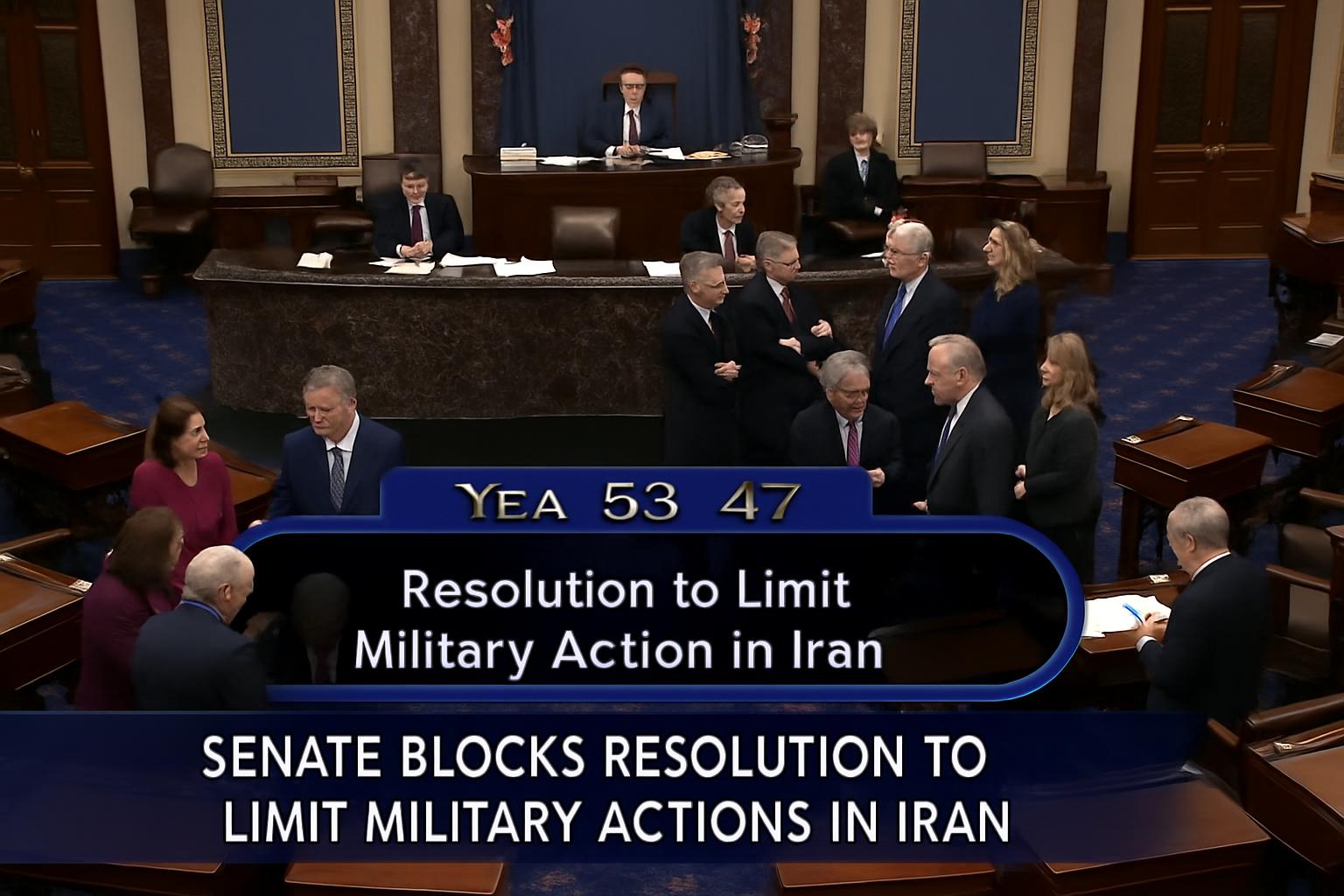
Senate Blocks Resolution to Limit Trump's Military Actions in Iran
Spain's Sánchez Stands Firm Against Trump's Trade Threat Over Iran Stance

UK Faces Dilemmas Amid Iran Conflict and China Spying Allegations
US and Israel Intensify Military Campaign as Iran's Capabilities Dwindle
UK-Iran Tensions: Starmer Defends Cautious Approach Amid Trump Criticism
Trump Signals Support for Iranian Protesters Amid Rising Death Toll and Internet Blackout
In This Article
 Ethan Brooks| Published
 HIGHLIGHTS
- Over 2,000 people have reportedly been killed in Iran amid a violent crackdown on protests, according to human rights groups.
- President Trump has promised support to Iranian protesters, hinting at potential military action against Tehran.
- The Iranian government has imposed a nationwide internet blackout, obscuring the true scale of the crackdown.
- Trump has announced a 25% tariff on countries trading with Iran, escalating economic pressure.
- Iran's judiciary chief has signaled swift trials and possible executions for detained protesters, defying international warnings.
The ongoing protests in Iran have resulted in a reported death toll exceeding 2,000, as the government intensifies its crackdown on dissent. Human rights organizations, including the US-based Human Rights Activists News Agency (HRANA), have confirmed these figures, highlighting the severity of the situation. The protests, initially sparked by economic grievances, have evolved into a significant challenge to the Iranian regime.
US Response and International Tensions
President Donald Trump has publicly expressed support for the Iranian protesters, urging them to continue their demonstrations. In a series of posts on Truth Social, Trump assured that "help is on its way" and hinted at possible military action against Tehran. This comes as the US State Department has advised American citizens to leave Iran immediately, citing safety concerns.
Trump's administration has also imposed a 25% tariff on countries trading with Iran, aiming to increase economic pressure on the regime. This move has drawn criticism from China, Iran's largest trading partner, which opposes external interference in Iran's internal affairs.
Iran's Crackdown and Internet Blackout
The Iranian government has responded to the protests with a nationwide internet blackout, now lasting over 132 hours, according to Netblocks. This digital shutdown has made it difficult to assess the full extent of the crackdown. Videos and reports from within the country suggest widespread violence and arrests.
Iran's judiciary chief, Gholamhossein Mohseni-Ejei, has announced plans for swift trials and potential executions of those detained during the protests. This stance directly challenges Trump's warnings against such actions, as the US president has vowed "very strong action" if executions proceed.
International Reactions and Future Implications
The international community remains divided on how to respond to the crisis in Iran. European diplomats believe the Iranian regime is determined to maintain power, requiring sustained external pressure to effect change. Meanwhile, French Foreign Minister Jean-Noel Barrot has condemned the crackdown as potentially the most violent in Iran's recent history.
WHAT THIS MIGHT MEAN
The situation in Iran remains volatile, with the potential for further escalation. If the Iranian government proceeds with executions, it could provoke a stronger international response, possibly involving military intervention by the US. However, such actions carry significant risks, including further destabilization of the region and increased tensions with Iran's allies.
Economically, the newly imposed tariffs could strain relations between the US and countries like China, potentially leading to retaliatory measures. The effectiveness of these economic sanctions in compelling the Iranian regime to change course remains uncertain.
As the protests continue, the resilience of the Iranian people and the international community's response will be critical in shaping the country's future. The coming weeks will likely determine whether the Iranian regime can withstand the mounting pressure or if significant political change is on the horizon.
Images from the Web
Related Articles
Intensified US-Israel Strikes on Iran Spark Global Outcry
Senate Blocks Resolution to Limit Trump's Military Actions in Iran
Spain's Sánchez Stands Firm Against Trump's Trade Threat Over Iran Stance
UK Faces Dilemmas Amid Iran Conflict and China Spying Allegations
US and Israel Intensify Military Campaign as Iran's Capabilities Dwindle
UK-Iran Tensions: Starmer Defends Cautious Approach Amid Trump Criticism