
Trump Weighs Iran Strike Amid Nuclear Tensions and Internal Disagreements
In This Article
HIGHLIGHTS
- President Trump and Director of National Intelligence Tulsi Gabbard disagree on Iran's nuclear capabilities, with Trump asserting Iran is close to developing a nuclear weapon.
- Trump is hesitant to authorize strikes on Iran's Fordow facility without assurance that the GBU-57 "bunker buster" bomb would be effective.
- The International Atomic Energy Agency reports Iran's uranium enrichment levels are nearing weapons-grade, intensifying US-Israel concerns.
- Defense officials suggest only a tactical nuclear weapon could fully destroy Fordow, but Trump is not considering this option.
- The debate reflects broader tensions within Trump's administration and the "America First" movement regarding US involvement in the Middle East.
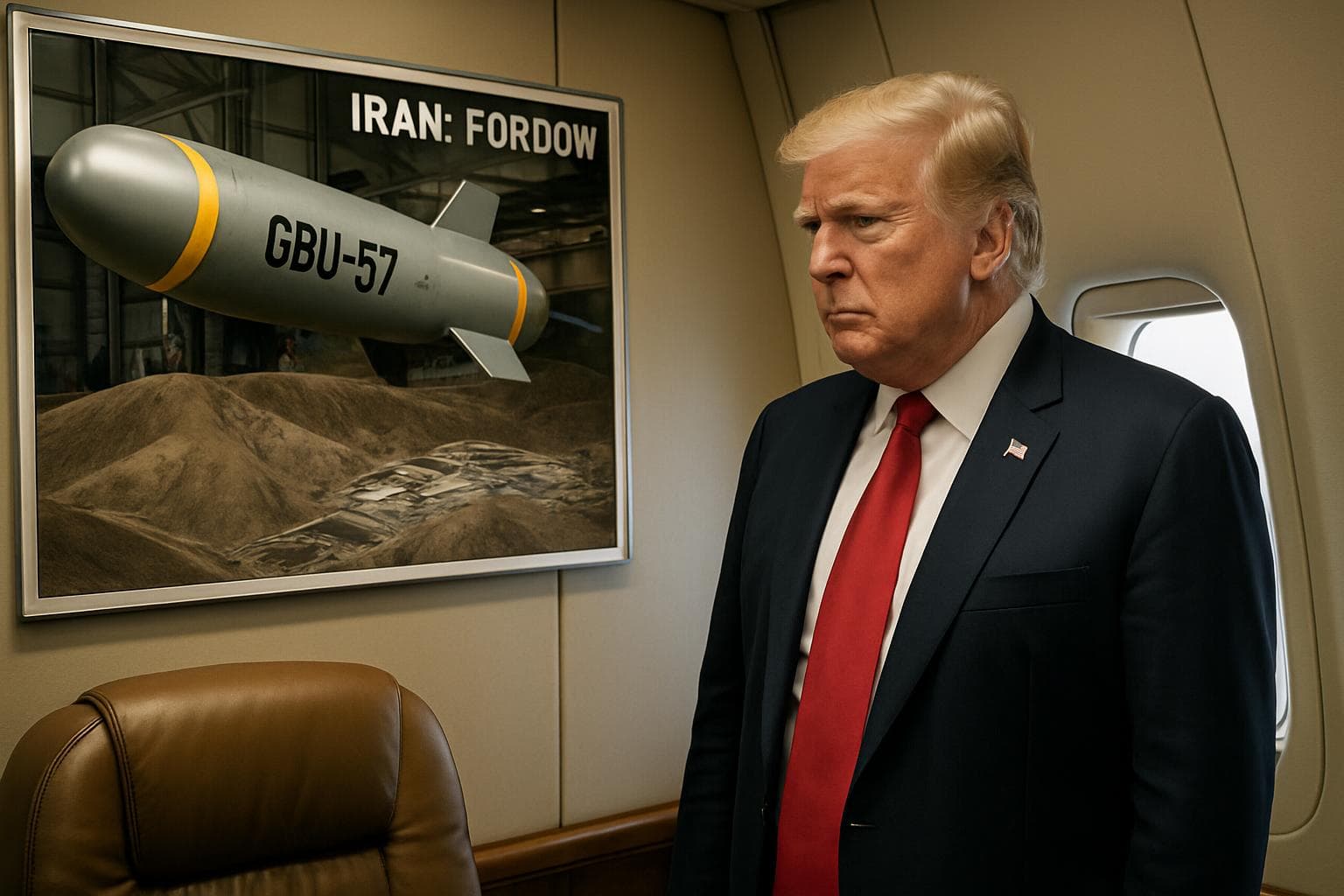
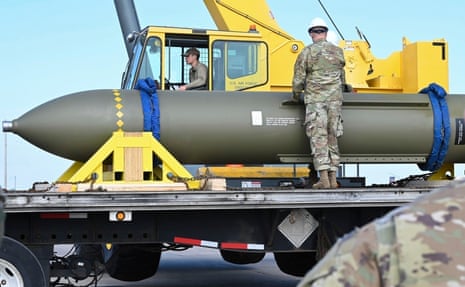
President Donald Trump faces a critical decision on whether to engage militarily with Iran, as concerns over its nuclear program escalate. The debate centers on the effectiveness of the GBU-57 "bunker buster" bomb in targeting Iran's deeply buried Fordow uranium enrichment facility. This issue has sparked a rift within Trump's administration, particularly with Director of National Intelligence Tulsi Gabbard.
Disagreement Over Iran's Nuclear Threat
The discord between Trump and Gabbard became public following Trump's comments aboard Air Force One, where he dismissed Gabbard's congressional testimony that Iran had not resumed its nuclear weapons program. Trump insisted that Iran is "very close" to developing a nuclear weapon, contradicting Gabbard's assessment based on US intelligence reports. Despite this, Gabbard maintains that their concerns align, citing Iran's high levels of uranium enrichment.
The Fordow Facility Dilemma
The Fordow facility, a focal point of international scrutiny, presents a significant challenge for any potential military action. Trump has expressed reluctance to authorize strikes unless the GBU-57 bomb can guarantee the destruction of the site. Defense officials have briefed Trump on the limitations of conventional weapons, suggesting that only a tactical nuclear strike could fully neutralize Fordow, a measure Trump is not considering.
Broader Implications and International Concerns
The International Atomic Energy Agency's recent findings that Iran's uranium enrichment is nearing weapons-grade levels have heightened tensions. This development has prompted discussions among US allies, including Israel, which lacks the capability to strike Fordow independently. The situation underscores the complexity of military intervention and the potential repercussions for regional stability.
WHAT THIS MIGHT MEAN
Looking ahead, Trump's decision on Iran could have significant implications for US foreign policy and its alliances. Should he opt for military action, it may strain relations with European allies who favor diplomatic solutions. Conversely, inaction could embolden Iran, potentially accelerating its nuclear ambitions. Experts suggest that any military engagement would require careful consideration of the geopolitical landscape and the potential for escalation in the Middle East. As the situation evolves, the administration's internal divisions may further complicate the path forward.
Images from the Web
Related Articles

Senate Blocks Resolution to Limit Trump's Military Actions in Iran
US and Israel Intensify Military Campaign as Iran's Capabilities Dwindle

Intensified US-Israel Strikes on Iran Spark Global Outcry
Spain's Sánchez Stands Firm Against Trump's Trade Threat Over Iran Stance
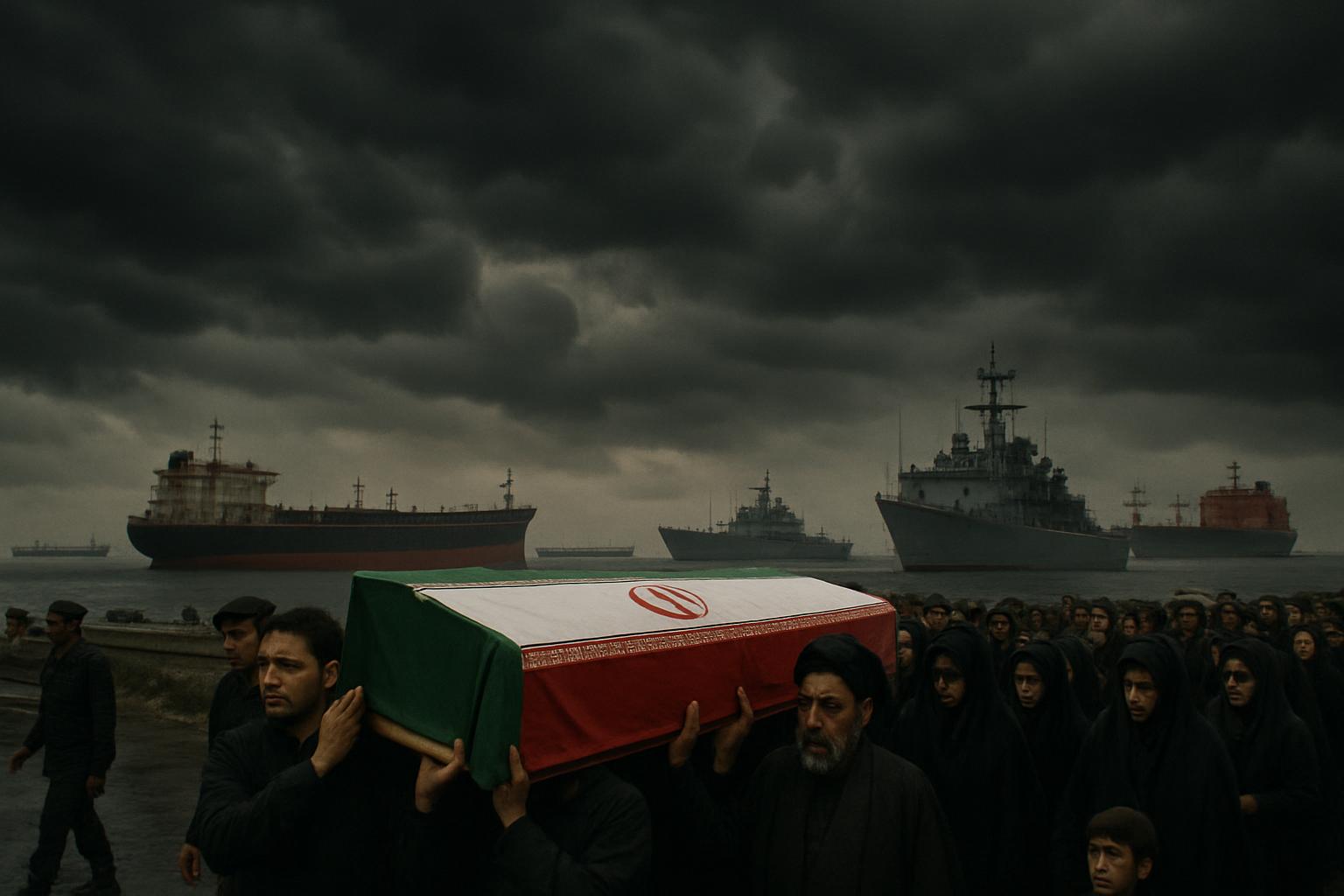
Iran Postpones Khamenei Funeral Amid Escalating US-Israeli Strikes

UK Faces Dilemmas Amid Iran Conflict and China Spying Allegations
Trump Weighs Iran Strike Amid Nuclear Tensions and Internal Disagreements
In This Article
 Ethan Brooks| Published
 HIGHLIGHTS
- President Trump and Director of National Intelligence Tulsi Gabbard disagree on Iran's nuclear capabilities, with Trump asserting Iran is close to developing a nuclear weapon.
- Trump is hesitant to authorize strikes on Iran's Fordow facility without assurance that the GBU-57 "bunker buster" bomb would be effective.
- The International Atomic Energy Agency reports Iran's uranium enrichment levels are nearing weapons-grade, intensifying US-Israel concerns.
- Defense officials suggest only a tactical nuclear weapon could fully destroy Fordow, but Trump is not considering this option.
- The debate reflects broader tensions within Trump's administration and the "America First" movement regarding US involvement in the Middle East.
President Donald Trump faces a critical decision on whether to engage militarily with Iran, as concerns over its nuclear program escalate. The debate centers on the effectiveness of the GBU-57 "bunker buster" bomb in targeting Iran's deeply buried Fordow uranium enrichment facility. This issue has sparked a rift within Trump's administration, particularly with Director of National Intelligence Tulsi Gabbard.
Disagreement Over Iran's Nuclear Threat
The discord between Trump and Gabbard became public following Trump's comments aboard Air Force One, where he dismissed Gabbard's congressional testimony that Iran had not resumed its nuclear weapons program. Trump insisted that Iran is "very close" to developing a nuclear weapon, contradicting Gabbard's assessment based on US intelligence reports. Despite this, Gabbard maintains that their concerns align, citing Iran's high levels of uranium enrichment.
The Fordow Facility Dilemma
The Fordow facility, a focal point of international scrutiny, presents a significant challenge for any potential military action. Trump has expressed reluctance to authorize strikes unless the GBU-57 bomb can guarantee the destruction of the site. Defense officials have briefed Trump on the limitations of conventional weapons, suggesting that only a tactical nuclear strike could fully neutralize Fordow, a measure Trump is not considering.
Broader Implications and International Concerns
The International Atomic Energy Agency's recent findings that Iran's uranium enrichment is nearing weapons-grade levels have heightened tensions. This development has prompted discussions among US allies, including Israel, which lacks the capability to strike Fordow independently. The situation underscores the complexity of military intervention and the potential repercussions for regional stability.
WHAT THIS MIGHT MEAN
Looking ahead, Trump's decision on Iran could have significant implications for US foreign policy and its alliances. Should he opt for military action, it may strain relations with European allies who favor diplomatic solutions. Conversely, inaction could embolden Iran, potentially accelerating its nuclear ambitions. Experts suggest that any military engagement would require careful consideration of the geopolitical landscape and the potential for escalation in the Middle East. As the situation evolves, the administration's internal divisions may further complicate the path forward.
Images from the Web
Related Articles
Senate Blocks Resolution to Limit Trump's Military Actions in Iran
US and Israel Intensify Military Campaign as Iran's Capabilities Dwindle
Intensified US-Israel Strikes on Iran Spark Global Outcry
Spain's Sánchez Stands Firm Against Trump's Trade Threat Over Iran Stance
Iran Postpones Khamenei Funeral Amid Escalating US-Israeli Strikes
UK Faces Dilemmas Amid Iran Conflict and China Spying Allegations