
Trump Administration to Slash SNAP Benefits Amid Prolonged Government Shutdown
In This Article
HIGHLIGHTS
- The Trump administration will provide only half of the usual SNAP benefits due to the ongoing government shutdown, affecting 42 million Americans.
- A federal court ordered the use of $5.25 billion in emergency funds to partially fund SNAP, despite the administration's initial reluctance.
- The shutdown, now over a month long, has led to increased demand at food banks as SNAP recipients face reduced aid.
- Senate Republicans blocked a Democratic proposal to fully fund SNAP, citing the need to reopen the government first.
- Treasury Secretary Scott Bessent indicated that SNAP payments could resume by Wednesday, pending legal guidance.
As the U.S. government shutdown stretches into its second month, the Trump administration has announced a significant reduction in food stamp benefits, affecting millions of Americans reliant on the Supplemental Nutrition Assistance Program (SNAP). The U.S. Department of Agriculture (USDA) revealed that recipients will receive only half of their usual benefits due to the depletion of federal funding.
Emergency Funding and Legal Challenges
The decision follows a federal court ruling mandating the use of $5.25 billion in emergency funds to partially sustain SNAP benefits. This ruling came after the administration's initial refusal to tap into contingency funds, arguing legal constraints. However, Judge John McConnell dismissed these claims as "arbitrary," compelling the administration to act.
Impact on SNAP Recipients
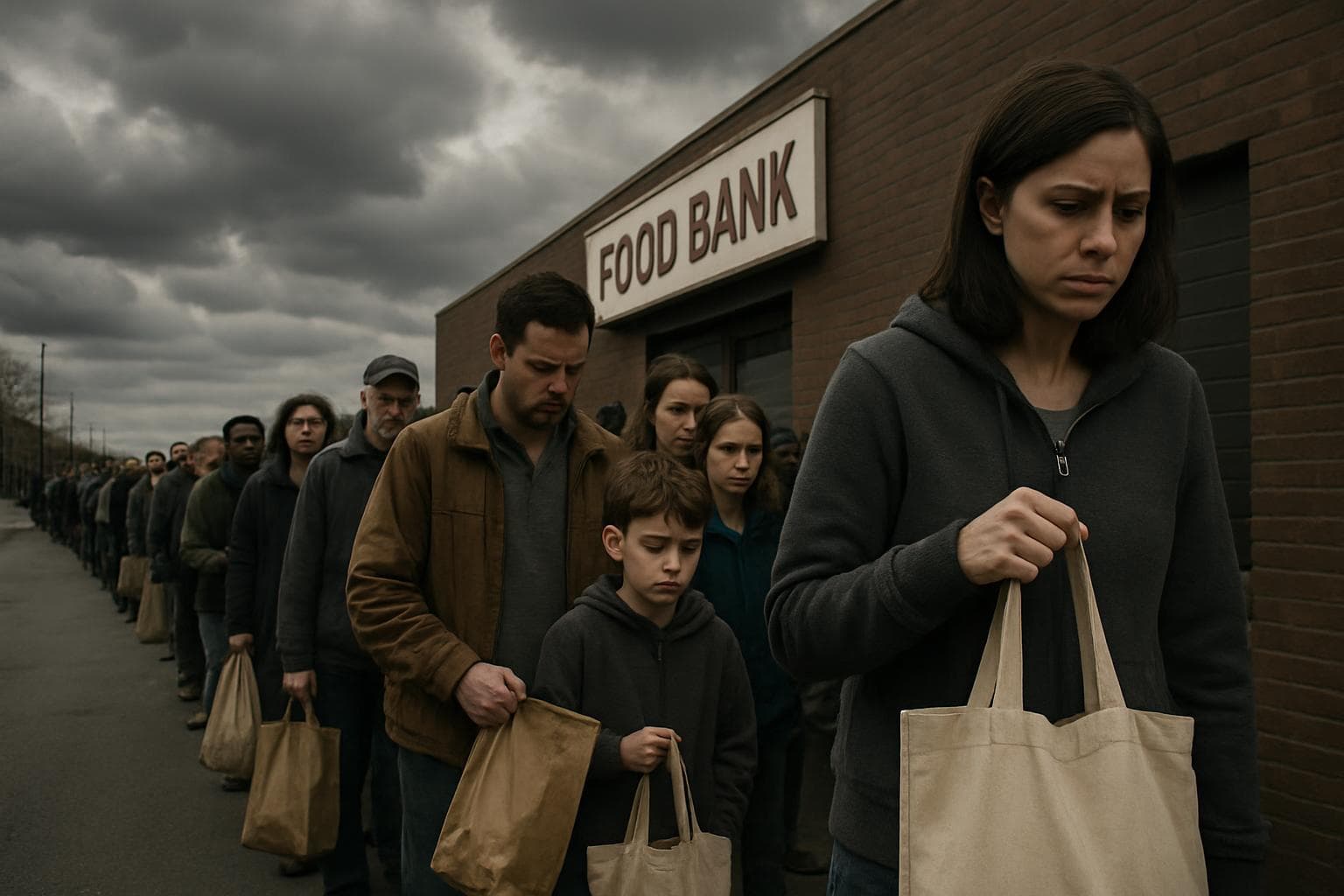
The reduction in benefits has left many SNAP recipients scrambling to make ends meet. Reports from across the nation indicate long lines at food banks as individuals and families brace for the financial strain. Personal stories, such as that of Taras Stratelak, a retiree in California, highlight the dire consequences of the cuts. "I am housebound and cannot work, so this is really going to hurt me," Stratelak shared.
Political Standoff and Legislative Efforts
The political impasse continues as Senate Republicans blocked a Democratic-led initiative to fully fund SNAP, arguing that reopening the government is the priority. Senate Majority Whip John Barrasso criticized the proposal as a "political stunt," while Democratic Senator Jeff Merkley condemned the administration's actions as "cruel."
Future Prospects for SNAP Funding
Treasury Secretary Scott Bessent has indicated that SNAP payments could resume by Wednesday, contingent on further legal guidance. The administration is seeking clarity on how to legally allocate funds to sustain the program. Meanwhile, the shutdown persists, with no resolution in sight, marking one of the longest in U.S. history.
WHAT THIS MIGHT MEAN
The ongoing government shutdown and the reduction in SNAP benefits could have far-reaching implications for millions of Americans. If the shutdown continues, food insecurity may rise, placing additional strain on food banks and community resources. Politically, the standoff highlights the deep divisions in Congress, with potential repercussions for upcoming elections. Legal experts suggest that the administration's handling of SNAP funding could set precedents for future government shutdowns and emergency fund allocations. As the situation unfolds, the pressure mounts on lawmakers to find a resolution that addresses both the immediate needs of SNAP recipients and the broader political deadlock.
Related Articles

Intensified US-Israel Strikes on Iran Spark Global Outcry

Iran Postpones Khamenei Funeral Amid Escalating US-Israeli Strikes

US-Iran Tensions Escalate Amid Renewed Nuclear Talks and Protests

Canada Calls for De-escalation Amid US-Israel Strikes on Iran

Iranian Students Lead Major Protests Amid Rising US-Iran Tensions

Israeli Airstrikes in Lebanon's Bekaa Valley Leave 10 Dead Amid Rising Tensions
Trump Administration to Slash SNAP Benefits Amid Prolonged Government Shutdown
In This Article
 Ethan Brooks| Published
 HIGHLIGHTS
- The Trump administration will provide only half of the usual SNAP benefits due to the ongoing government shutdown, affecting 42 million Americans.
- A federal court ordered the use of $5.25 billion in emergency funds to partially fund SNAP, despite the administration's initial reluctance.
- The shutdown, now over a month long, has led to increased demand at food banks as SNAP recipients face reduced aid.
- Senate Republicans blocked a Democratic proposal to fully fund SNAP, citing the need to reopen the government first.
- Treasury Secretary Scott Bessent indicated that SNAP payments could resume by Wednesday, pending legal guidance.
As the U.S. government shutdown stretches into its second month, the Trump administration has announced a significant reduction in food stamp benefits, affecting millions of Americans reliant on the Supplemental Nutrition Assistance Program (SNAP). The U.S. Department of Agriculture (USDA) revealed that recipients will receive only half of their usual benefits due to the depletion of federal funding.
Emergency Funding and Legal Challenges
The decision follows a federal court ruling mandating the use of $5.25 billion in emergency funds to partially sustain SNAP benefits. This ruling came after the administration's initial refusal to tap into contingency funds, arguing legal constraints. However, Judge John McConnell dismissed these claims as "arbitrary," compelling the administration to act.
Impact on SNAP Recipients
The reduction in benefits has left many SNAP recipients scrambling to make ends meet. Reports from across the nation indicate long lines at food banks as individuals and families brace for the financial strain. Personal stories, such as that of Taras Stratelak, a retiree in California, highlight the dire consequences of the cuts. "I am housebound and cannot work, so this is really going to hurt me," Stratelak shared.
Political Standoff and Legislative Efforts
The political impasse continues as Senate Republicans blocked a Democratic-led initiative to fully fund SNAP, arguing that reopening the government is the priority. Senate Majority Whip John Barrasso criticized the proposal as a "political stunt," while Democratic Senator Jeff Merkley condemned the administration's actions as "cruel."
Future Prospects for SNAP Funding
Treasury Secretary Scott Bessent has indicated that SNAP payments could resume by Wednesday, contingent on further legal guidance. The administration is seeking clarity on how to legally allocate funds to sustain the program. Meanwhile, the shutdown persists, with no resolution in sight, marking one of the longest in U.S. history.
WHAT THIS MIGHT MEAN
The ongoing government shutdown and the reduction in SNAP benefits could have far-reaching implications for millions of Americans. If the shutdown continues, food insecurity may rise, placing additional strain on food banks and community resources. Politically, the standoff highlights the deep divisions in Congress, with potential repercussions for upcoming elections. Legal experts suggest that the administration's handling of SNAP funding could set precedents for future government shutdowns and emergency fund allocations. As the situation unfolds, the pressure mounts on lawmakers to find a resolution that addresses both the immediate needs of SNAP recipients and the broader political deadlock.
Related Articles
Intensified US-Israel Strikes on Iran Spark Global Outcry
Iran Postpones Khamenei Funeral Amid Escalating US-Israeli Strikes
US-Iran Tensions Escalate Amid Renewed Nuclear Talks and Protests
Canada Calls for De-escalation Amid US-Israel Strikes on Iran
Iranian Students Lead Major Protests Amid Rising US-Iran Tensions
Israeli Airstrikes in Lebanon's Bekaa Valley Leave 10 Dead Amid Rising Tensions