
Trump Downplays War with Venezuela Amid Military Buildup

In This Article
HIGHLIGHTS
- Donald Trump downplayed the likelihood of a US war with Venezuela, despite military buildup in the Caribbean.
- Trump suggested Venezuelan President Nicolás Maduro's tenure might be nearing its end.
- US military operations in the Caribbean have resulted in at least 64 deaths, targeting alleged drug-smuggling vessels.
- Trump hinted at resuming nuclear weapons testing, citing other countries' activities, though US officials have downplayed this.
- Maduro accused the US of using drug trafficking as a pretext for regime change in Venezuela.
In a recent interview, former US President Donald Trump expressed skepticism about the possibility of a US war with Venezuela, even as military forces amass in the Caribbean. Speaking to CBS' 60 Minutes, Trump stated, "I doubt it. I don't think so," when asked about potential conflict, but he also suggested that Venezuelan President Nicolás Maduro's days in power might be numbered.
Military Presence in the Caribbean
For the past two months, the US has significantly increased its military presence in the Caribbean, deploying warships, fighter jets, and bombers. This buildup, the largest in decades, is part of a campaign against alleged drug-smuggling operations. The Trump administration maintains that these actions are necessary to curb the flow of narcotics into the US, though critics argue that the true aim is to destabilize Maduro's regime.
Casualties and Controversy
Reports indicate that US strikes on suspected drug-trafficking vessels have resulted in at least 64 deaths. The operations have drawn criticism from regional leaders, including Colombian President Gustavo Petro, who accused the US of using these actions to exert dominance over Latin America. Maduro, facing drug charges in the US, has labeled the strikes a pretext for regime change.
Nuclear Testing Remarks Stir Concerns
In the same interview, Trump raised eyebrows by suggesting the US might resume nuclear weapons testing, a practice not undertaken since 1992. He claimed that countries like Russia and China are conducting tests, and the US should follow suit. However, Energy Secretary Chris Wright later clarified that there are no plans for nuclear detonations, attempting to ease international concerns.
Political Implications
Trump's comments come amid heightened tensions between the US and Venezuela, with the CIA reportedly authorized to operate in the region. The situation remains fluid, with potential implications for US-Venezuela relations and broader geopolitical dynamics.
WHAT THIS MIGHT MEAN
The ongoing military buildup and Trump's remarks could further strain US-Venezuela relations, potentially leading to diplomatic or economic repercussions. If the US continues its aggressive stance, it may face increased criticism from Latin American countries and international bodies. The suggestion of nuclear testing, despite official denials, could also spark a new arms race, complicating global disarmament efforts. As the situation evolves, the international community will closely watch for any shifts in US foreign policy under new leadership.
Related Articles
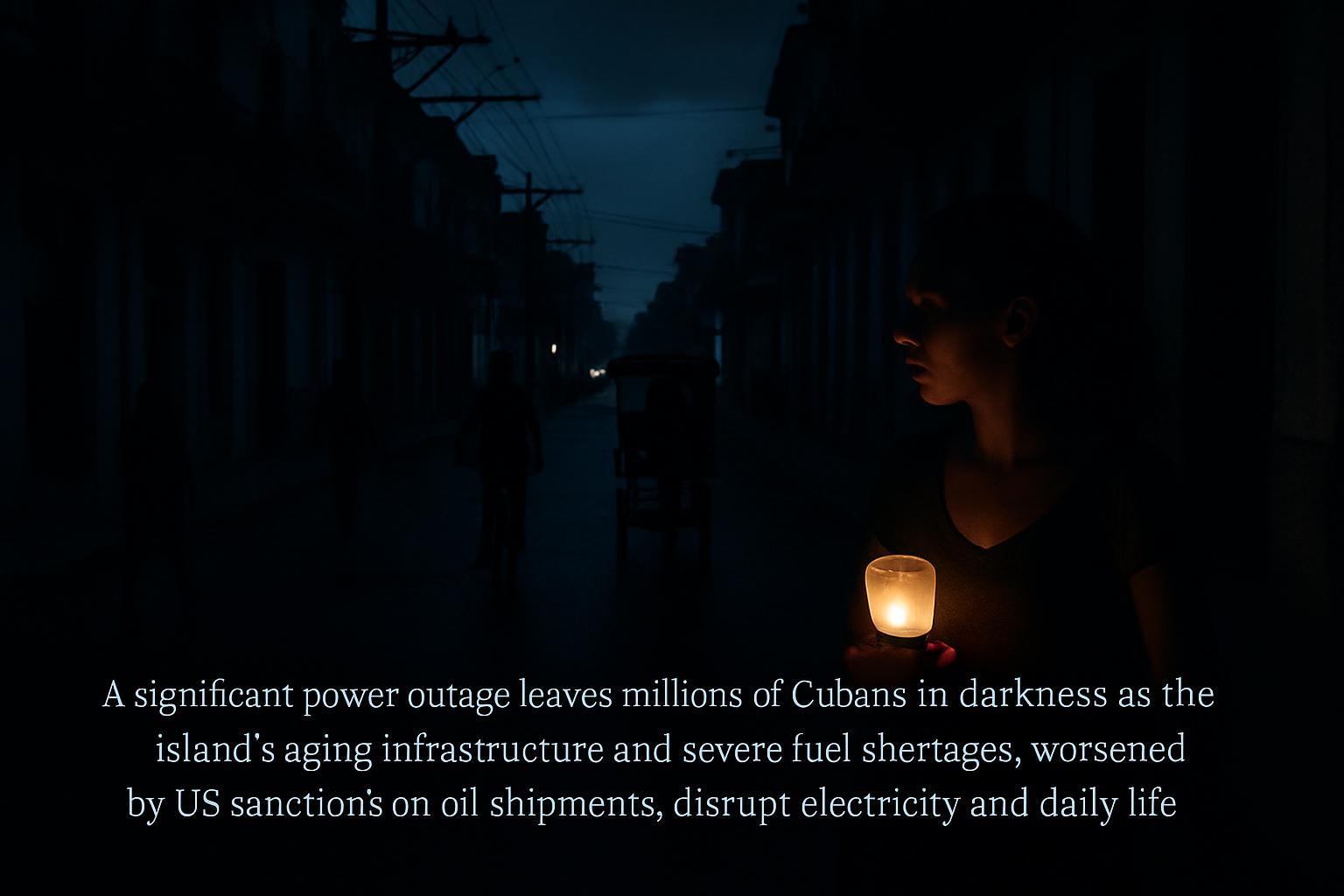
Cuba Faces Widespread Blackout Amid Deepening Fuel Crisis

UK Faces Dilemmas Amid Iran Conflict and China Spying Allegations
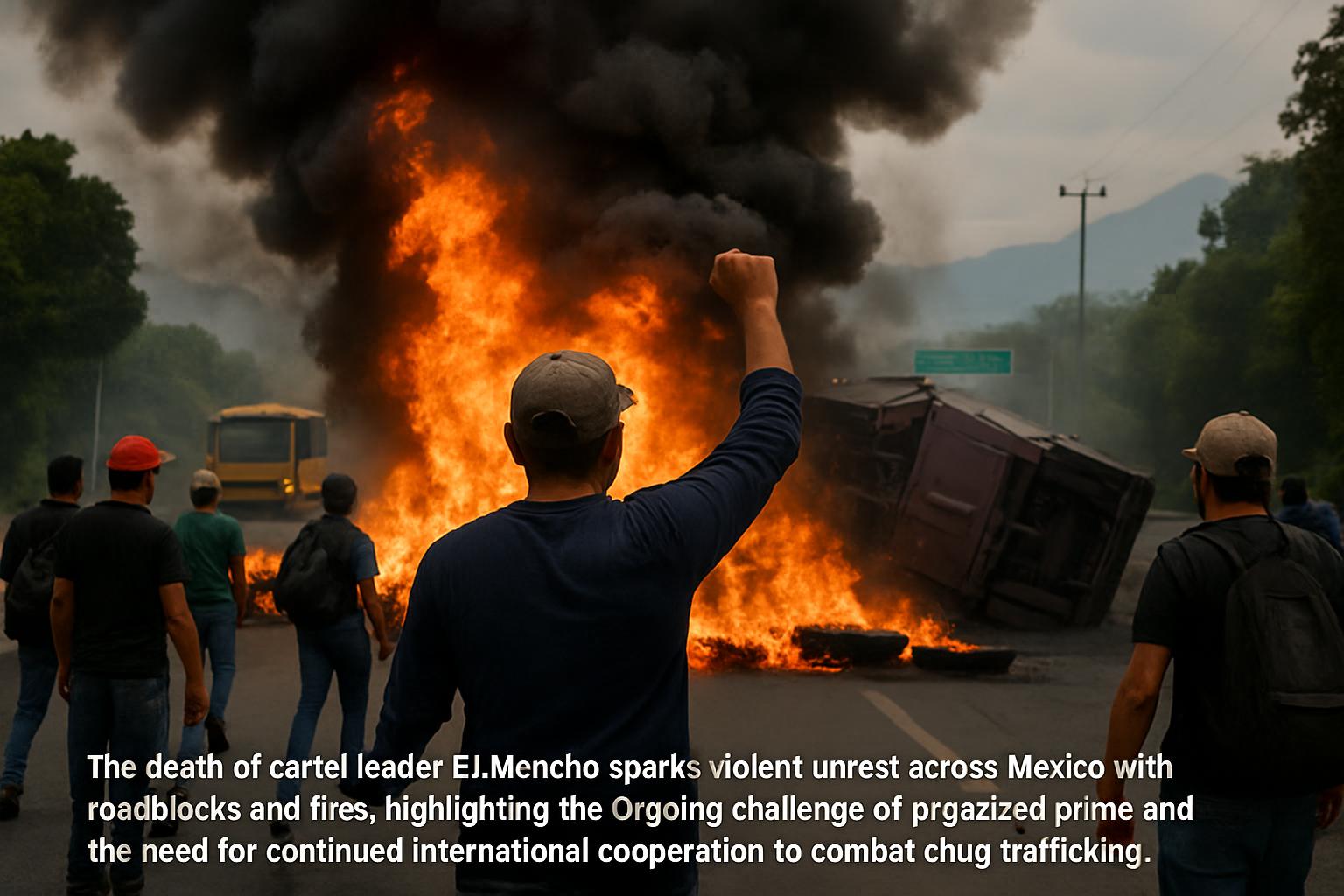
El Mencho's Death Sparks Violent Unrest Across Mexico
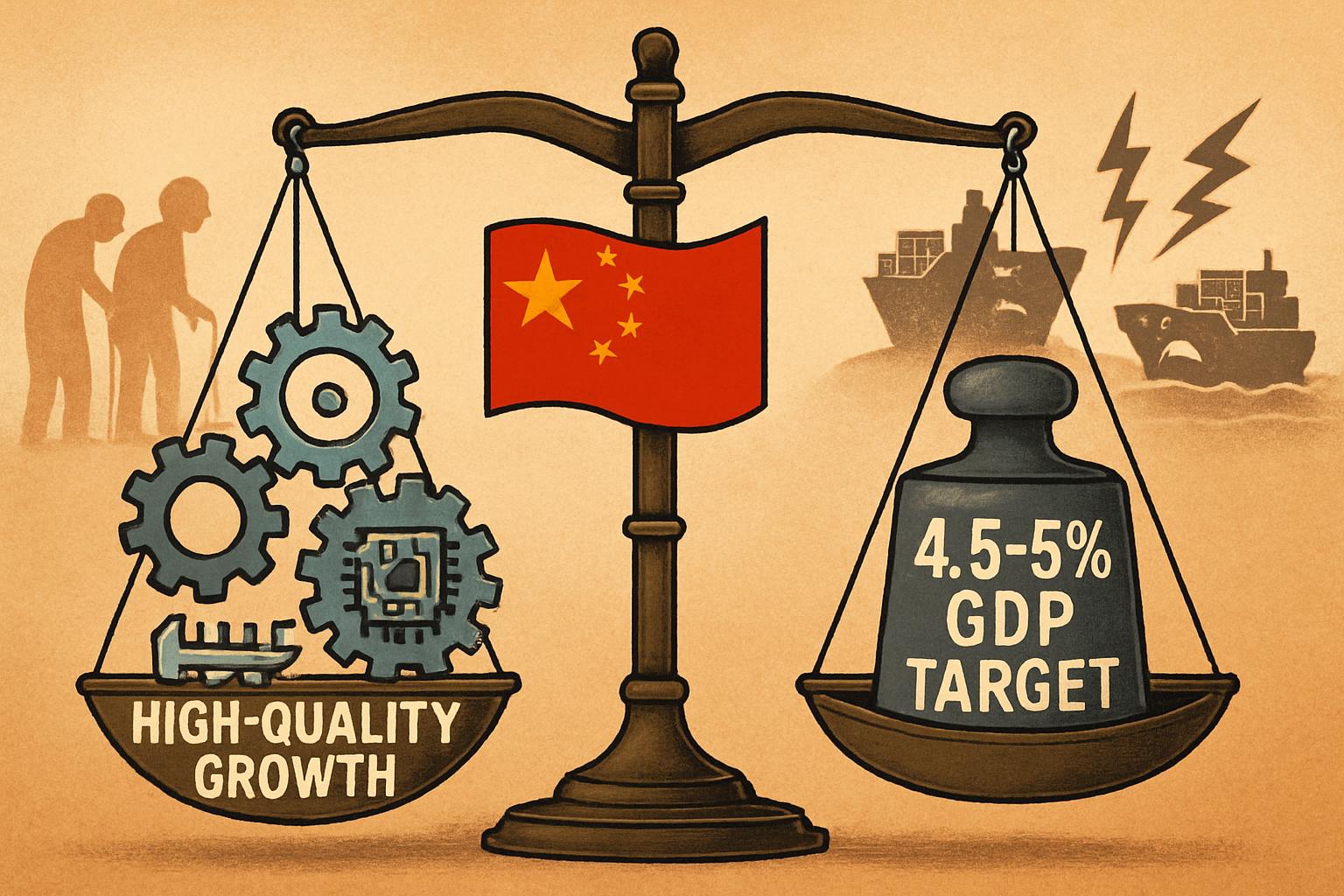
China Sets Lowest GDP Growth Target in Decades Amid Economic Challenges

Tech Giants Pledge to Cover AI Data Center Energy Costs Amid Rising Electricity Concerns
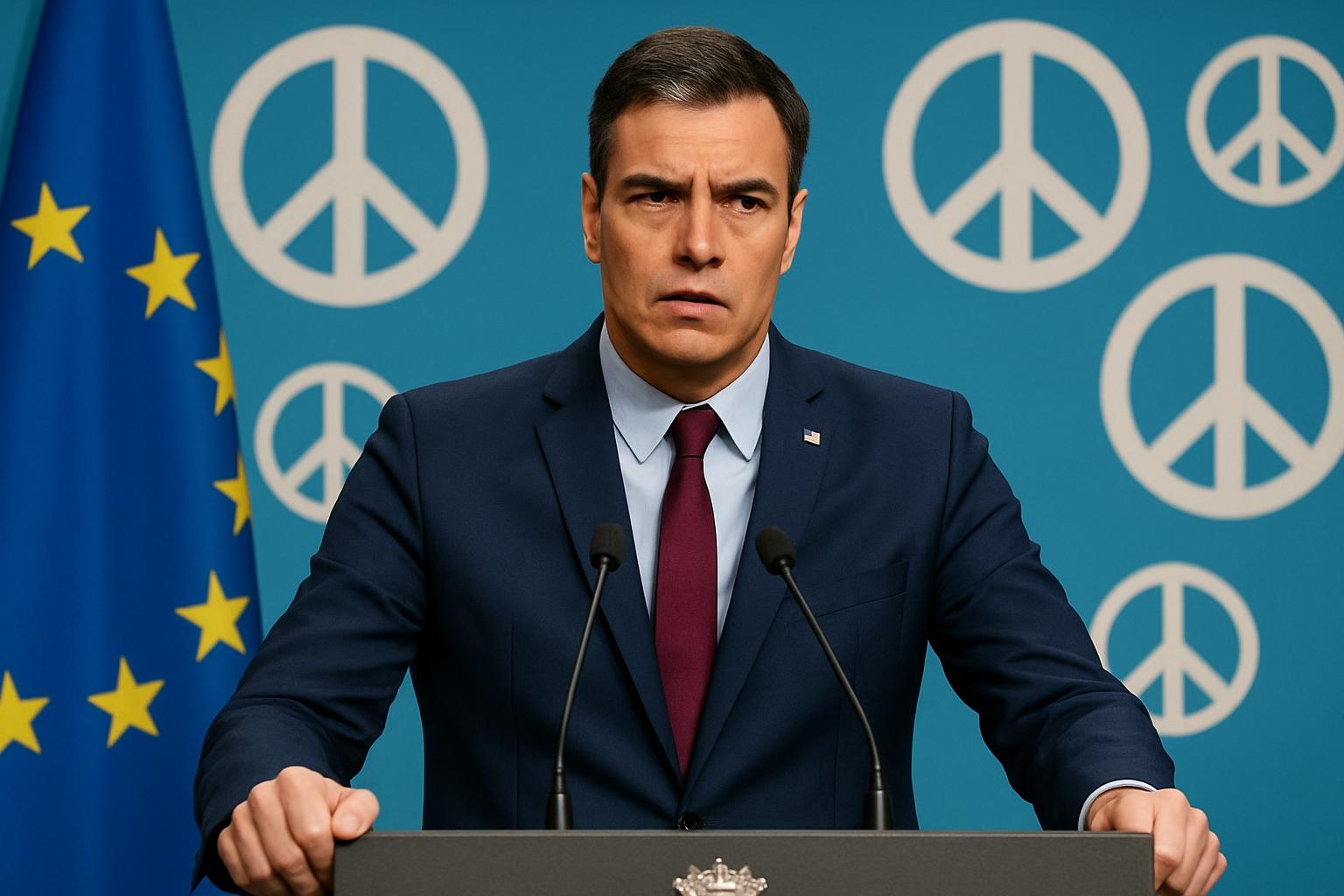
Spain's Sánchez Stands Firm Against Trump's Trade Threat Over Iran Stance
Trump Downplays War with Venezuela Amid Military Buildup
In This Article
HIGHLIGHTS
- Donald Trump downplayed the likelihood of a US war with Venezuela, despite military buildup in the Caribbean.
- Trump suggested Venezuelan President Nicolás Maduro's tenure might be nearing its end.
- US military operations in the Caribbean have resulted in at least 64 deaths, targeting alleged drug-smuggling vessels.
- Trump hinted at resuming nuclear weapons testing, citing other countries' activities, though US officials have downplayed this.
- Maduro accused the US of using drug trafficking as a pretext for regime change in Venezuela.
In a recent interview, former US President Donald Trump expressed skepticism about the possibility of a US war with Venezuela, even as military forces amass in the Caribbean. Speaking to CBS' 60 Minutes, Trump stated, "I doubt it. I don't think so," when asked about potential conflict, but he also suggested that Venezuelan President Nicolás Maduro's days in power might be numbered.
Military Presence in the Caribbean
For the past two months, the US has significantly increased its military presence in the Caribbean, deploying warships, fighter jets, and bombers. This buildup, the largest in decades, is part of a campaign against alleged drug-smuggling operations. The Trump administration maintains that these actions are necessary to curb the flow of narcotics into the US, though critics argue that the true aim is to destabilize Maduro's regime.
Casualties and Controversy
Reports indicate that US strikes on suspected drug-trafficking vessels have resulted in at least 64 deaths. The operations have drawn criticism from regional leaders, including Colombian President Gustavo Petro, who accused the US of using these actions to exert dominance over Latin America. Maduro, facing drug charges in the US, has labeled the strikes a pretext for regime change.
Nuclear Testing Remarks Stir Concerns
In the same interview, Trump raised eyebrows by suggesting the US might resume nuclear weapons testing, a practice not undertaken since 1992. He claimed that countries like Russia and China are conducting tests, and the US should follow suit. However, Energy Secretary Chris Wright later clarified that there are no plans for nuclear detonations, attempting to ease international concerns.
Political Implications
Trump's comments come amid heightened tensions between the US and Venezuela, with the CIA reportedly authorized to operate in the region. The situation remains fluid, with potential implications for US-Venezuela relations and broader geopolitical dynamics.
WHAT THIS MIGHT MEAN
The ongoing military buildup and Trump's remarks could further strain US-Venezuela relations, potentially leading to diplomatic or economic repercussions. If the US continues its aggressive stance, it may face increased criticism from Latin American countries and international bodies. The suggestion of nuclear testing, despite official denials, could also spark a new arms race, complicating global disarmament efforts. As the situation evolves, the international community will closely watch for any shifts in US foreign policy under new leadership.
Related Articles
Cuba Faces Widespread Blackout Amid Deepening Fuel Crisis
UK Faces Dilemmas Amid Iran Conflict and China Spying Allegations
El Mencho's Death Sparks Violent Unrest Across Mexico
China Sets Lowest GDP Growth Target in Decades Amid Economic Challenges
Tech Giants Pledge to Cover AI Data Center Energy Costs Amid Rising Electricity Concerns
Spain's Sánchez Stands Firm Against Trump's Trade Threat Over Iran Stance