
Trump Eases US Sanctions on Syria to Aid Economic Recovery
In This Article
HIGHLIGHTS
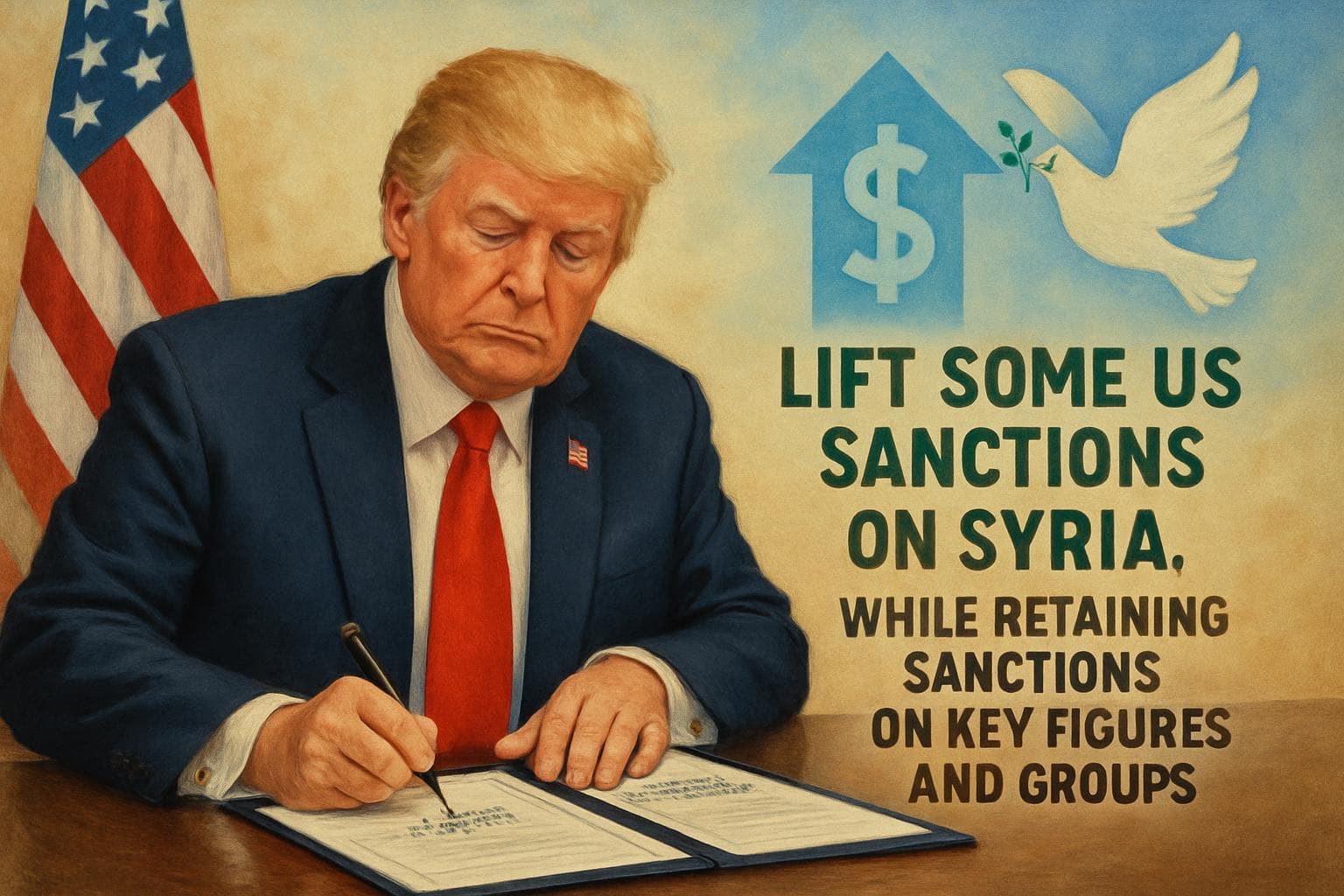
- Donald Trump signed an executive order lifting some US sanctions on Syria to support its economic recovery after Bashar al-Assad's ousting.
- The order maintains sanctions on Assad, his associates, and groups like the Islamic State, while easing restrictions on foreign aid and exports.
- The White House aims to stabilize Syria, promote ties with Israel, and address foreign terrorist threats.
- Syrian Foreign Minister Asaad al-Shibani welcomed the move, seeing it as a step towards reconstruction and international reintegration.
- The US will continue to monitor Syria's new government, led by Ahmed al-Sharaa, for progress in peace and stability.
In a significant policy shift, President Donald Trump has signed an executive order to lift certain US sanctions on Syria, a move aimed at fostering economic recovery and stability in the war-torn nation. The decision comes in the wake of the overthrow of Bashar al-Assad, with the White House emphasizing the need to support Syria's path to peace.
Sanctions Relief and Remaining Restrictions
The executive order, announced on Monday, seeks to terminate parts of the US sanctions program that have been in place since 2004. These sanctions had frozen Syrian government assets and restricted exports due to concerns over chemical weapons. However, the order retains sanctions on Assad, his associates, and groups like the Islamic State, as well as those mandated by the Caesar Syria Civilian Protection Act of 2019.
A Step Towards Stability and Peace
The White House has portrayed the lifting of sanctions as a strategic move to stabilize Syria and promote normalization of ties with Israel. Secretary of State Marco Rubio has been tasked with reviewing the designation of Syria as a state sponsor of terrorism and considering broader sanctions relief. The US also expects Syria's new government, led by former rebel leader Ahmed al-Sharaa, to take responsibility for detention camps holding Islamic State prisoners.
Reactions from Syria and the International Community
Syrian Foreign Minister Asaad al-Shibani hailed the executive order as a removal of obstacles to economic recovery, opening doors for reconstruction and the return of displaced Syrians. The announcement was met with celebrations in Damascus, reflecting hopes for a brighter future. However, the situation remains tense, with recent clashes between security forces and minority groups raising concerns about ongoing violence.
US Interests and Future Monitoring
While the US is committed to supporting Syria's success, it remains vigilant about protecting its interests. The White House has stressed the importance of addressing foreign terrorists and preventing a resurgence of extremist groups. As Syria navigates its transition, the US will closely monitor the new government's actions to ensure progress towards peace and stability.
WHAT THIS MIGHT MEAN
The lifting of some US sanctions on Syria marks a pivotal moment in the country's post-conflict recovery. However, the path ahead is fraught with challenges. The new Syrian government must navigate complex political dynamics, including addressing minority concerns and preventing further violence. The US, while offering support, will likely use sanctions relief as leverage in negotiations over Syria's future, particularly concerning relations with Israel and regional security.
Experts suggest that the success of this policy shift will depend on Syria's ability to implement reforms and foster inclusive governance. The international community will be watching closely to see if economic recovery translates into lasting peace and stability. As the situation evolves, the role of external actors, including the US, will be crucial in shaping Syria's trajectory.
Related Articles
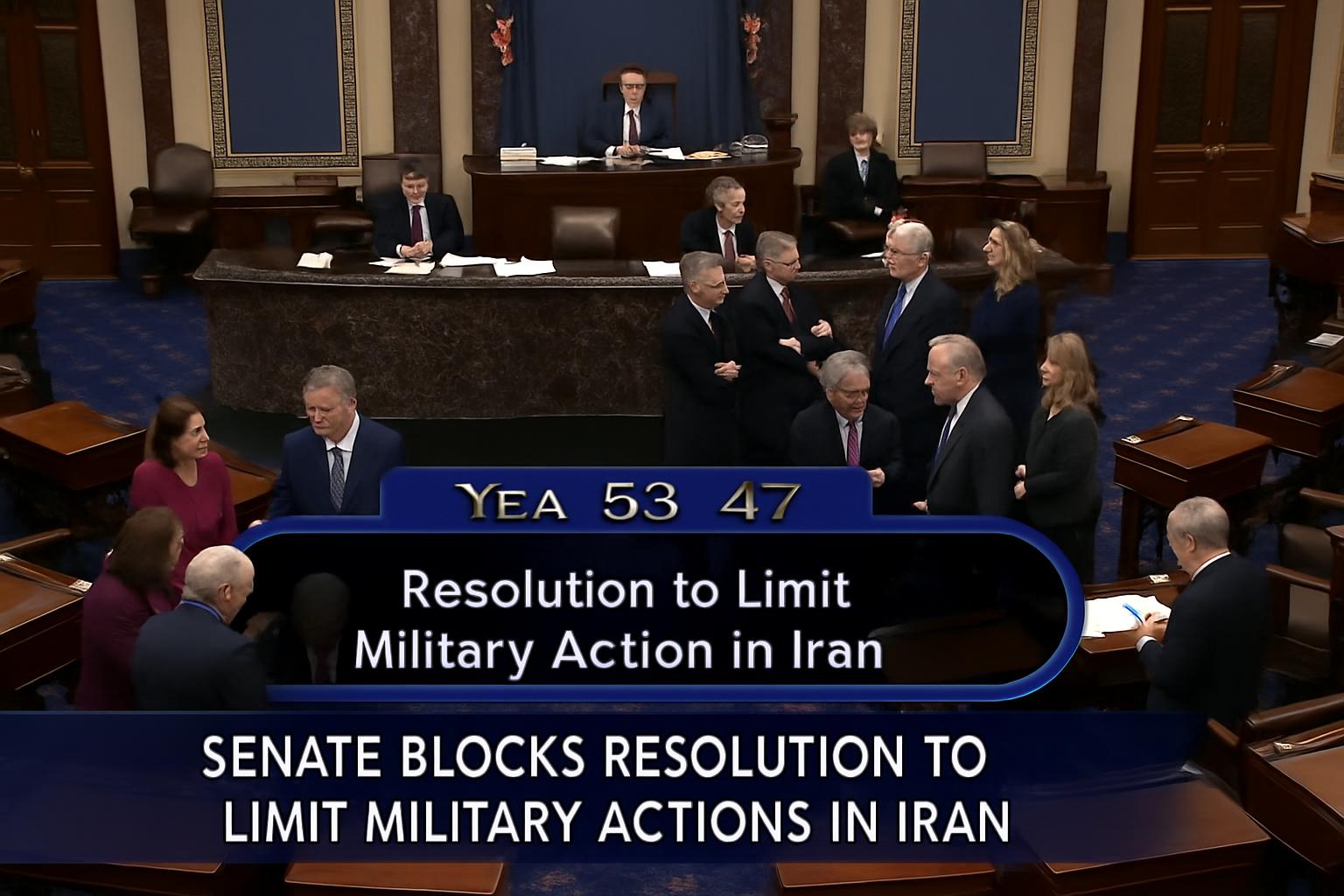
Senate Blocks Resolution to Limit Trump's Military Actions in Iran
Spain's Sánchez Stands Firm Against Trump's Trade Threat Over Iran Stance
Iran Postpones Khamenei Funeral Amid Escalating US-Israeli Strikes

UK Faces Dilemmas Amid Iran Conflict and China Spying Allegations

US and Israel Intensify Military Campaign as Iran's Capabilities Dwindle

Intensified US-Israel Strikes on Iran Spark Global Outcry
Trump Eases US Sanctions on Syria to Aid Economic Recovery
In This Article
 Ethan Brooks| Published
 HIGHLIGHTS
- Donald Trump signed an executive order lifting some US sanctions on Syria to support its economic recovery after Bashar al-Assad's ousting.
- The order maintains sanctions on Assad, his associates, and groups like the Islamic State, while easing restrictions on foreign aid and exports.
- The White House aims to stabilize Syria, promote ties with Israel, and address foreign terrorist threats.
- Syrian Foreign Minister Asaad al-Shibani welcomed the move, seeing it as a step towards reconstruction and international reintegration.
- The US will continue to monitor Syria's new government, led by Ahmed al-Sharaa, for progress in peace and stability.
In a significant policy shift, President Donald Trump has signed an executive order to lift certain US sanctions on Syria, a move aimed at fostering economic recovery and stability in the war-torn nation. The decision comes in the wake of the overthrow of Bashar al-Assad, with the White House emphasizing the need to support Syria's path to peace.
Sanctions Relief and Remaining Restrictions
The executive order, announced on Monday, seeks to terminate parts of the US sanctions program that have been in place since 2004. These sanctions had frozen Syrian government assets and restricted exports due to concerns over chemical weapons. However, the order retains sanctions on Assad, his associates, and groups like the Islamic State, as well as those mandated by the Caesar Syria Civilian Protection Act of 2019.
A Step Towards Stability and Peace
The White House has portrayed the lifting of sanctions as a strategic move to stabilize Syria and promote normalization of ties with Israel. Secretary of State Marco Rubio has been tasked with reviewing the designation of Syria as a state sponsor of terrorism and considering broader sanctions relief. The US also expects Syria's new government, led by former rebel leader Ahmed al-Sharaa, to take responsibility for detention camps holding Islamic State prisoners.
Reactions from Syria and the International Community
Syrian Foreign Minister Asaad al-Shibani hailed the executive order as a removal of obstacles to economic recovery, opening doors for reconstruction and the return of displaced Syrians. The announcement was met with celebrations in Damascus, reflecting hopes for a brighter future. However, the situation remains tense, with recent clashes between security forces and minority groups raising concerns about ongoing violence.
US Interests and Future Monitoring
While the US is committed to supporting Syria's success, it remains vigilant about protecting its interests. The White House has stressed the importance of addressing foreign terrorists and preventing a resurgence of extremist groups. As Syria navigates its transition, the US will closely monitor the new government's actions to ensure progress towards peace and stability.
WHAT THIS MIGHT MEAN
The lifting of some US sanctions on Syria marks a pivotal moment in the country's post-conflict recovery. However, the path ahead is fraught with challenges. The new Syrian government must navigate complex political dynamics, including addressing minority concerns and preventing further violence. The US, while offering support, will likely use sanctions relief as leverage in negotiations over Syria's future, particularly concerning relations with Israel and regional security.
Experts suggest that the success of this policy shift will depend on Syria's ability to implement reforms and foster inclusive governance. The international community will be watching closely to see if economic recovery translates into lasting peace and stability. As the situation evolves, the role of external actors, including the US, will be crucial in shaping Syria's trajectory.
Related Articles
Senate Blocks Resolution to Limit Trump's Military Actions in Iran
Spain's Sánchez Stands Firm Against Trump's Trade Threat Over Iran Stance
Iran Postpones Khamenei Funeral Amid Escalating US-Israeli Strikes
UK Faces Dilemmas Amid Iran Conflict and China Spying Allegations
US and Israel Intensify Military Campaign as Iran's Capabilities Dwindle
Intensified US-Israel Strikes on Iran Spark Global Outcry