
Trump Revokes Extended Secret Service Protection for Kamala Harris
In This Article
HIGHLIGHTS
- President Donald Trump has revoked Kamala Harris' Secret Service protection, which had been extended by Joe Biden.
- Harris' protection was initially set to end in July, but Biden extended it for an additional year.
- The revocation comes as Harris prepares for a national book tour promoting her memoir, "107 Days."
- California Governor Gavin Newsom and Los Angeles Mayor Karen Bass criticized the move as politically motivated.
- A recent threat assessment found no alarming threats to justify extending Harris' security detail.
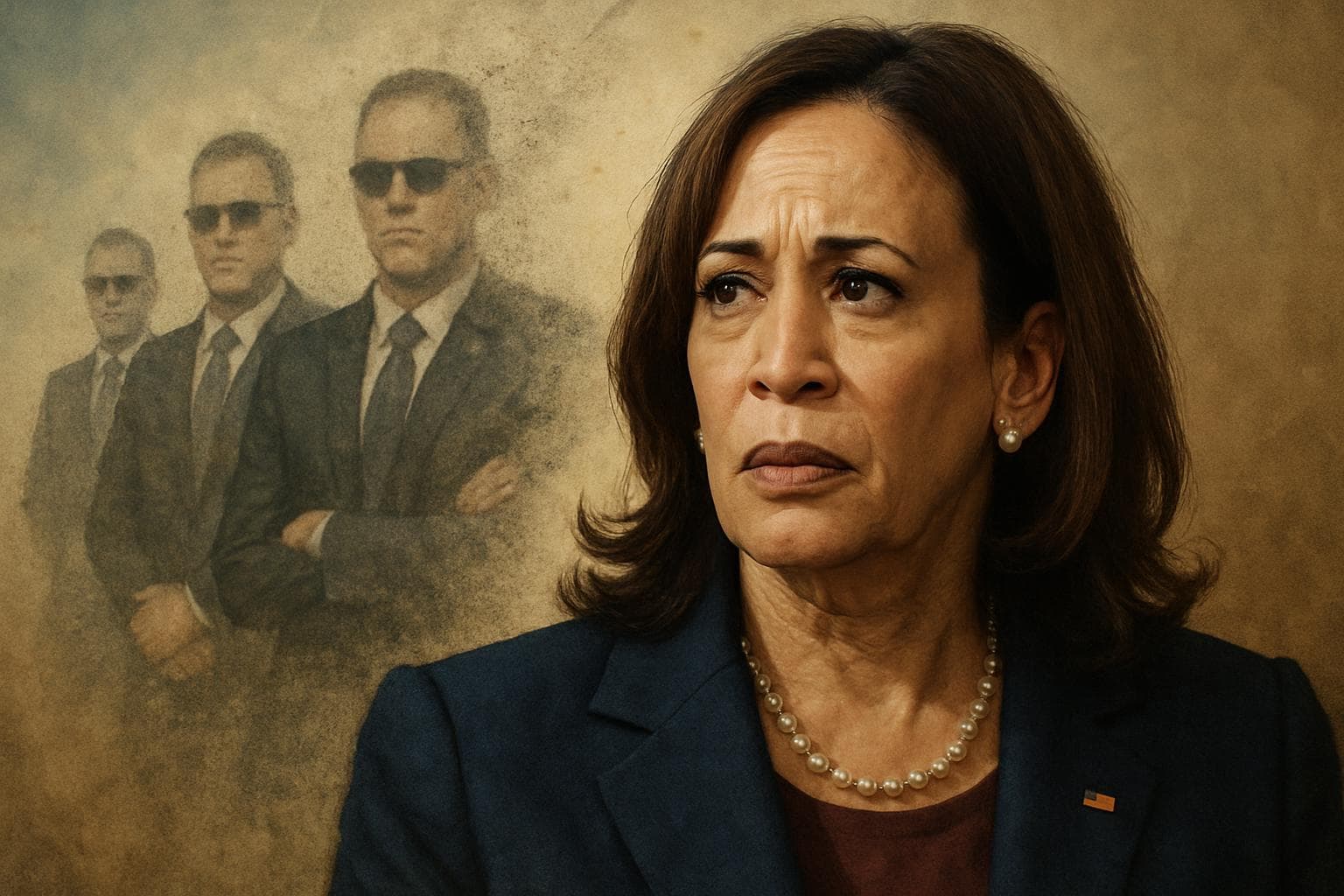
In a controversial move, President Donald Trump has revoked the extended Secret Service protection for former Vice-President Kamala Harris, a decision that has sparked political debate. Harris, who served as vice-president under Joe Biden, was initially entitled to six months of security after leaving office in January. However, Biden had quietly extended this protection for an additional year, a directive that Trump has now canceled.
Legal Context and Political Reactions
Under U.S. law, former vice-presidents receive Secret Service protection for six months post-office. Biden's extension was within legal rights, as the Secretary of Homeland Security can authorize temporary protection if deemed necessary. The revocation, effective September 1, 2025, has been criticized by California Governor Gavin Newsom and Los Angeles Mayor Karen Bass, who labeled it as politically motivated. "The safety of our public officials should never be subject to erratic, vindictive political impulses," Newsom's spokesperson stated.
Security Concerns and Threat Assessments
Despite the political uproar, a recent threat assessment found no significant threats to warrant extending Harris' security detail. Harris, the first woman and person of color to serve as vice-president, faced several threats during her tenure. However, Ronald Kessler, an expert on the Secret Service, noted that Harris "hasn't stirred up that much" compared to other politicians. The revocation comes just as Harris is set to embark on a national book tour for her memoir, "107 Days," detailing her 2024 presidential campaign.
Implications for Harris' Safety
With the Secret Service protection withdrawn, Harris will lose the agents assigned to her and her property in Los Angeles. The cost of similar private security could reach millions annually. Mayor Bass has pledged to ensure Harris' safety in Los Angeles, potentially involving local law enforcement. Harris' husband, Doug Emhoff, had his protection end in July, aligning with the legally mandated period.
WHAT THIS MIGHT MEAN
The revocation of Kamala Harris' Secret Service protection raises questions about the politicization of security measures for former officials. As Harris embarks on her book tour, the absence of federal protection could increase her vulnerability, prompting local authorities to step in. This decision may set a precedent for future administrations, potentially influencing how security details are managed for former high-ranking officials. Political analysts suggest that this move could further polarize the political landscape, highlighting the ongoing tensions between Trump and his predecessors.
Related Articles
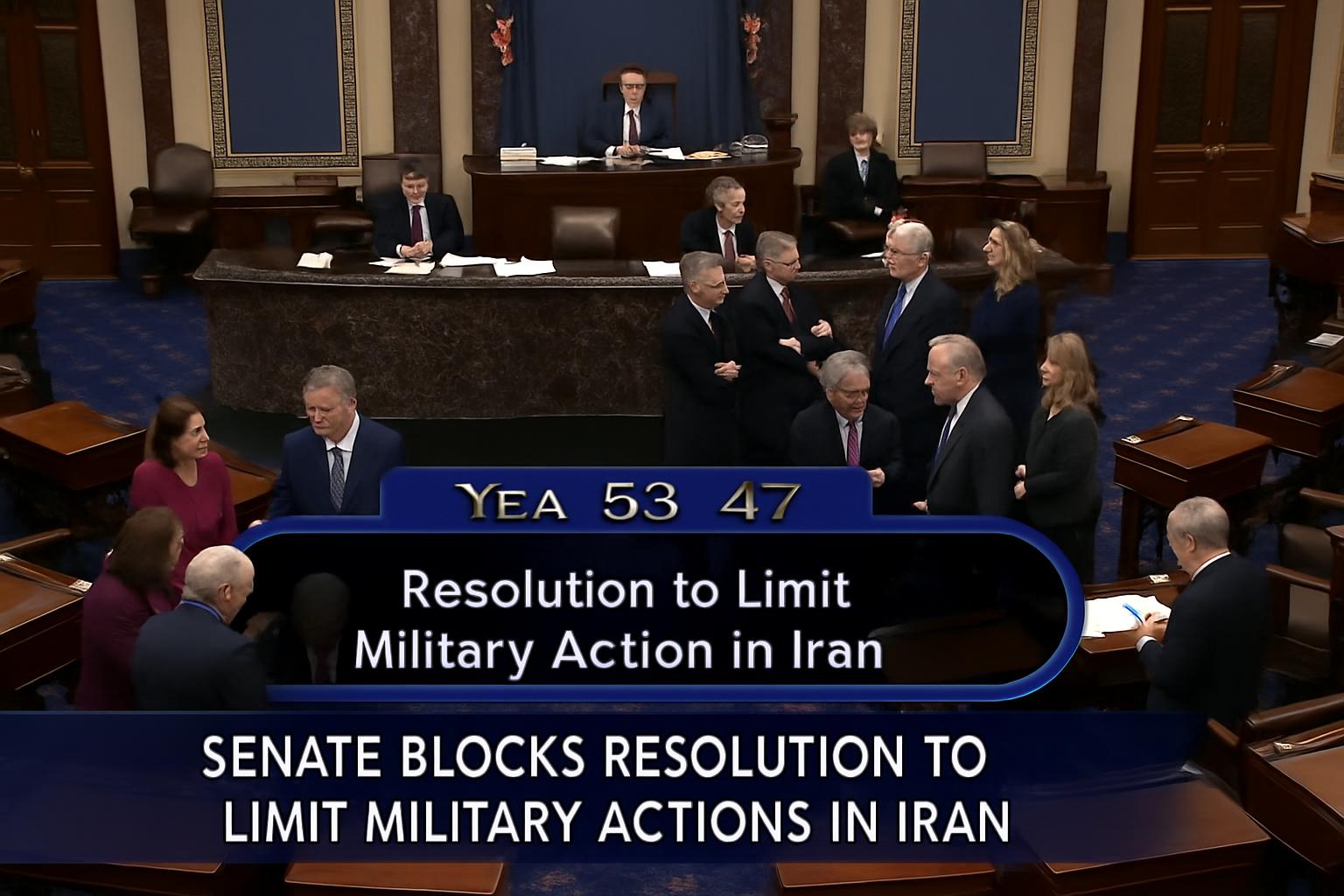
Senate Blocks Resolution to Limit Trump's Military Actions in Iran
Spain's Sánchez Stands Firm Against Trump's Trade Threat Over Iran Stance
Iran Postpones Khamenei Funeral Amid Escalating US-Israeli Strikes
Congress Subpoenas Attorney General Bondi in Epstein Investigation
Cuba Faces Widespread Blackout Amid Deepening Fuel Crisis

UK Faces Dilemmas Amid Iran Conflict and China Spying Allegations
Trump Revokes Extended Secret Service Protection for Kamala Harris
In This Article
 Ethan Brooks| Published
 HIGHLIGHTS
- President Donald Trump has revoked Kamala Harris' Secret Service protection, which had been extended by Joe Biden.
- Harris' protection was initially set to end in July, but Biden extended it for an additional year.
- The revocation comes as Harris prepares for a national book tour promoting her memoir, "107 Days."
- California Governor Gavin Newsom and Los Angeles Mayor Karen Bass criticized the move as politically motivated.
- A recent threat assessment found no alarming threats to justify extending Harris' security detail.
In a controversial move, President Donald Trump has revoked the extended Secret Service protection for former Vice-President Kamala Harris, a decision that has sparked political debate. Harris, who served as vice-president under Joe Biden, was initially entitled to six months of security after leaving office in January. However, Biden had quietly extended this protection for an additional year, a directive that Trump has now canceled.
Legal Context and Political Reactions
Under U.S. law, former vice-presidents receive Secret Service protection for six months post-office. Biden's extension was within legal rights, as the Secretary of Homeland Security can authorize temporary protection if deemed necessary. The revocation, effective September 1, 2025, has been criticized by California Governor Gavin Newsom and Los Angeles Mayor Karen Bass, who labeled it as politically motivated. "The safety of our public officials should never be subject to erratic, vindictive political impulses," Newsom's spokesperson stated.
Security Concerns and Threat Assessments
Despite the political uproar, a recent threat assessment found no significant threats to warrant extending Harris' security detail. Harris, the first woman and person of color to serve as vice-president, faced several threats during her tenure. However, Ronald Kessler, an expert on the Secret Service, noted that Harris "hasn't stirred up that much" compared to other politicians. The revocation comes just as Harris is set to embark on a national book tour for her memoir, "107 Days," detailing her 2024 presidential campaign.
Implications for Harris' Safety
With the Secret Service protection withdrawn, Harris will lose the agents assigned to her and her property in Los Angeles. The cost of similar private security could reach millions annually. Mayor Bass has pledged to ensure Harris' safety in Los Angeles, potentially involving local law enforcement. Harris' husband, Doug Emhoff, had his protection end in July, aligning with the legally mandated period.
WHAT THIS MIGHT MEAN
The revocation of Kamala Harris' Secret Service protection raises questions about the politicization of security measures for former officials. As Harris embarks on her book tour, the absence of federal protection could increase her vulnerability, prompting local authorities to step in. This decision may set a precedent for future administrations, potentially influencing how security details are managed for former high-ranking officials. Political analysts suggest that this move could further polarize the political landscape, highlighting the ongoing tensions between Trump and his predecessors.
Related Articles
Senate Blocks Resolution to Limit Trump's Military Actions in Iran
Spain's Sánchez Stands Firm Against Trump's Trade Threat Over Iran Stance
Iran Postpones Khamenei Funeral Amid Escalating US-Israeli Strikes
Congress Subpoenas Attorney General Bondi in Epstein Investigation
Cuba Faces Widespread Blackout Amid Deepening Fuel Crisis
UK Faces Dilemmas Amid Iran Conflict and China Spying Allegations