
Trump Ends Global Tariff Exemption for Low-Cost Goods Amid Security Concerns
In This Article
HIGHLIGHTS
- President Trump signed an executive order ending the global de minimis tariff exemption for low-cost goods, effective 29 August.
- The exemption allowed goods valued at $800 or less to enter the US tariff-free, a policy heavily utilized by online shoppers.
- The White House cited national security concerns, including opioid smuggling, as reasons for the swift policy change.
- The new rules will impose tariffs on low-value imports from all countries, aligning them with traditional goods tariffs.
- Congress had planned to end the exemption by July 2027, but Trump expedited the process using emergency powers.
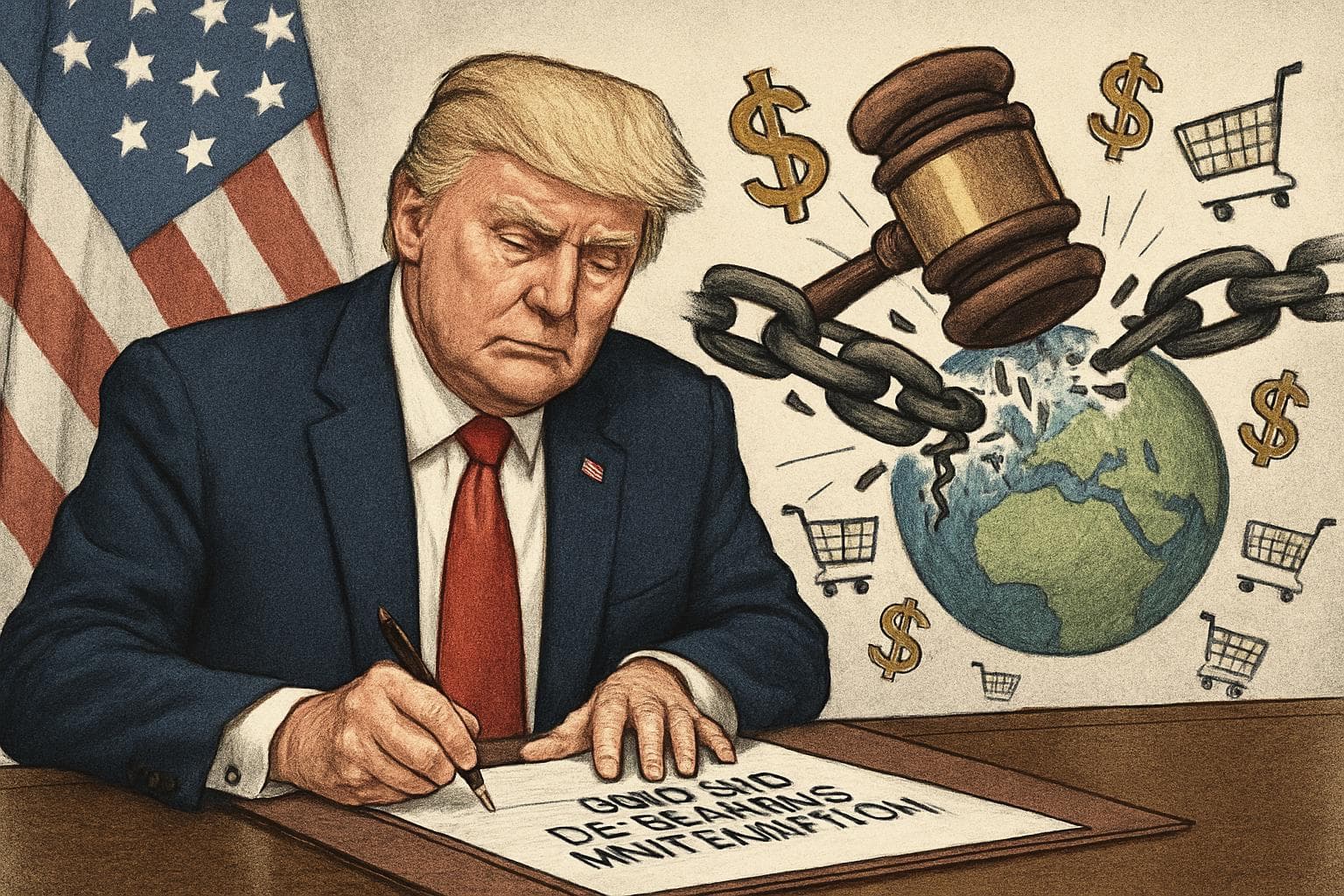
In a significant shift in US trade policy, President Donald Trump has signed an executive order ending the global de minimis tariff exemption for low-cost goods. The order, announced on Wednesday, will take effect on 29 August, impacting consumers who frequently purchase inexpensive items from international e-commerce platforms.
Policy Change and Its Implications
The de minimis exemption previously allowed goods valued at $800 or less to enter the United States without incurring tariffs. This policy was particularly popular among US consumers who relied on it to buy affordable clothing and household items from online retailers such as Shein and Temu. However, the new directive mandates that these low-value imports will now face the same tariff rates as traditional goods from their country of origin.
National Security Concerns
The White House has justified the abrupt policy change by citing national security threats, particularly the smuggling of synthetic opioids into the US. Officials claim that the de minimis exemption was being exploited by smugglers to evade customs checks, thereby facilitating the entry of illicit drugs. Additionally, there were concerns about shippers falsely declaring the country of origin to circumvent duties.
Legislative Context and Presidential Powers
While Congress had initially planned to phase out the de minimis exemption by July 2027 through the One Big Beautiful Bill Act, President Trump utilized emergency presidential powers to expedite the process. The administration emphasized the urgency of addressing national emergencies and protecting American lives and businesses.
Impact on International Trade
The new rules will affect a wide range of countries, including significant exporters like Canada and Mexico, which had previously benefited from the exemption. Goods shipped through the postal system will now be subject to either an ad valorem duty or a specific tariff ranging from $80 to $200, depending on the country of origin's tariff rate.
WHAT THIS MIGHT MEAN
The termination of the de minimis exemption is likely to have far-reaching implications for international trade and consumer behavior. Retailers and consumers may face increased costs, potentially leading to a shift in purchasing patterns. Economists suggest that while the policy aims to bolster national security, it could also strain trade relations with key partners. As the new rules take effect, businesses may need to reassess their supply chains and pricing strategies to adapt to the changing tariff landscape. Additionally, the expedited timeline raises questions about the broader use of presidential powers in trade policy, setting a precedent for future administrations.
Related Articles
China Sets Lowest GDP Growth Target in Decades Amid Economic Challenges

Tech Giants Pledge to Cover AI Data Center Energy Costs Amid Rising Electricity Concerns
Cuba Faces Widespread Blackout Amid Deepening Fuel Crisis

UK Faces Dilemmas Amid Iran Conflict and China Spying Allegations
Canada Calls for De-escalation Amid US-Israel Strikes on Iran

El Mencho's Death Sparks Violent Unrest Across Mexico
Trump Ends Global Tariff Exemption for Low-Cost Goods Amid Security Concerns
In This Article
 Daniel Rivera| Published
 HIGHLIGHTS
- President Trump signed an executive order ending the global de minimis tariff exemption for low-cost goods, effective 29 August.
- The exemption allowed goods valued at $800 or less to enter the US tariff-free, a policy heavily utilized by online shoppers.
- The White House cited national security concerns, including opioid smuggling, as reasons for the swift policy change.
- The new rules will impose tariffs on low-value imports from all countries, aligning them with traditional goods tariffs.
- Congress had planned to end the exemption by July 2027, but Trump expedited the process using emergency powers.
In a significant shift in US trade policy, President Donald Trump has signed an executive order ending the global de minimis tariff exemption for low-cost goods. The order, announced on Wednesday, will take effect on 29 August, impacting consumers who frequently purchase inexpensive items from international e-commerce platforms.
Policy Change and Its Implications
The de minimis exemption previously allowed goods valued at $800 or less to enter the United States without incurring tariffs. This policy was particularly popular among US consumers who relied on it to buy affordable clothing and household items from online retailers such as Shein and Temu. However, the new directive mandates that these low-value imports will now face the same tariff rates as traditional goods from their country of origin.
National Security Concerns
The White House has justified the abrupt policy change by citing national security threats, particularly the smuggling of synthetic opioids into the US. Officials claim that the de minimis exemption was being exploited by smugglers to evade customs checks, thereby facilitating the entry of illicit drugs. Additionally, there were concerns about shippers falsely declaring the country of origin to circumvent duties.
Legislative Context and Presidential Powers
While Congress had initially planned to phase out the de minimis exemption by July 2027 through the One Big Beautiful Bill Act, President Trump utilized emergency presidential powers to expedite the process. The administration emphasized the urgency of addressing national emergencies and protecting American lives and businesses.
Impact on International Trade
The new rules will affect a wide range of countries, including significant exporters like Canada and Mexico, which had previously benefited from the exemption. Goods shipped through the postal system will now be subject to either an ad valorem duty or a specific tariff ranging from $80 to $200, depending on the country of origin's tariff rate.
WHAT THIS MIGHT MEAN
The termination of the de minimis exemption is likely to have far-reaching implications for international trade and consumer behavior. Retailers and consumers may face increased costs, potentially leading to a shift in purchasing patterns. Economists suggest that while the policy aims to bolster national security, it could also strain trade relations with key partners. As the new rules take effect, businesses may need to reassess their supply chains and pricing strategies to adapt to the changing tariff landscape. Additionally, the expedited timeline raises questions about the broader use of presidential powers in trade policy, setting a precedent for future administrations.
Related Articles
China Sets Lowest GDP Growth Target in Decades Amid Economic Challenges
Tech Giants Pledge to Cover AI Data Center Energy Costs Amid Rising Electricity Concerns
Cuba Faces Widespread Blackout Amid Deepening Fuel Crisis
UK Faces Dilemmas Amid Iran Conflict and China Spying Allegations
Canada Calls for De-escalation Amid US-Israel Strikes on Iran
El Mencho's Death Sparks Violent Unrest Across Mexico