
Trump Expands Deportation Efforts Amid Nationwide Protests
In This Article
HIGHLIGHTS
- President Trump has ordered a significant expansion of migrant deportations, targeting cities like Los Angeles, Chicago, and New York.
- The "No Kings" protests against Trump's policies have drawn millions nationwide, with some demonstrations turning violent.
- Trump has shifted ICE's focus away from raids on farms and hotels, acknowledging the impact on industries like agriculture and hospitality.
- Sanctuary cities remain a focal point of tension, with federal and local authorities clashing over immigration enforcement.
- The administration's aggressive deportation strategy is seen as a fulfillment of Trump's campaign promises, despite rising protests.
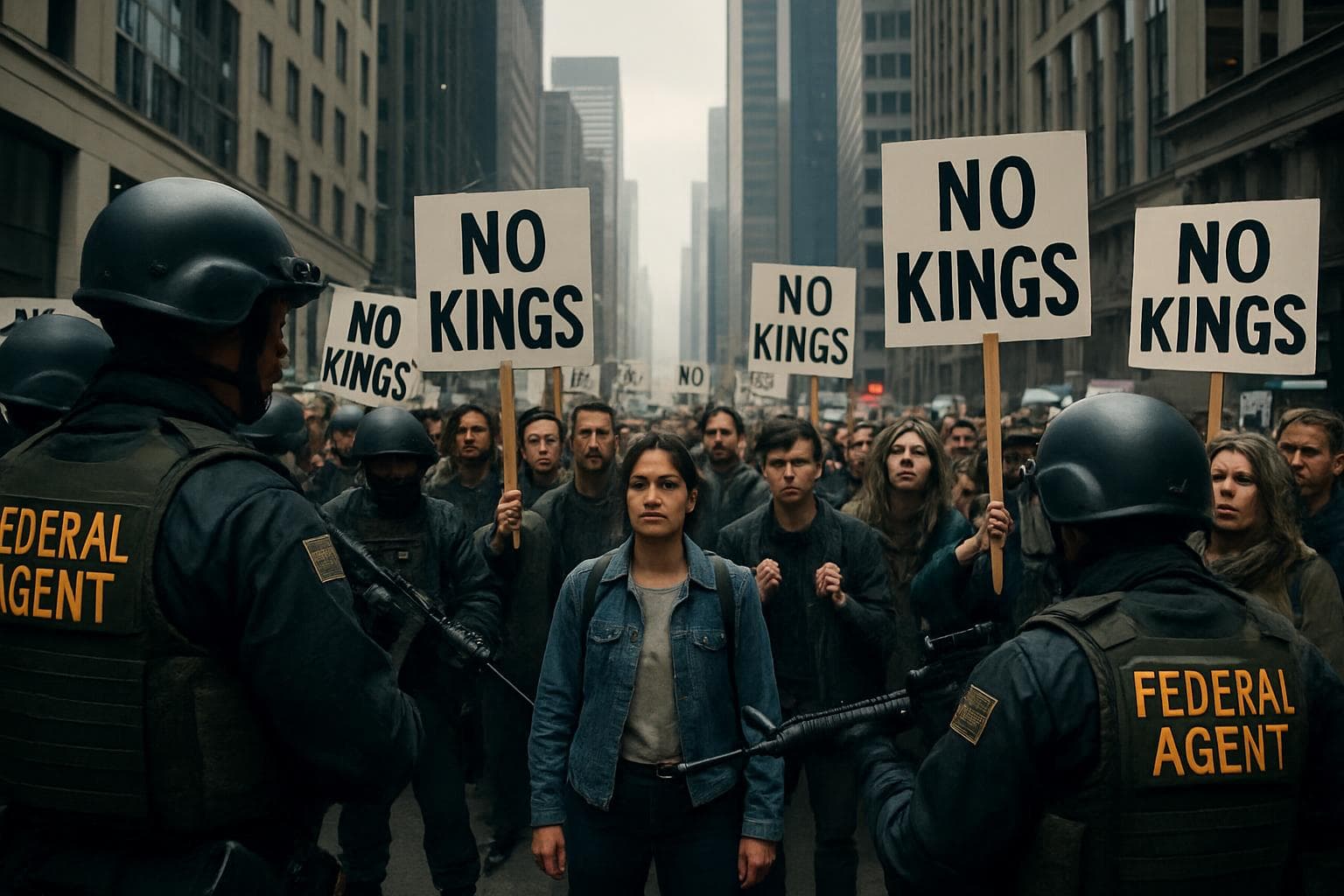
President Donald Trump has intensified his administration's immigration enforcement, ordering a large-scale deportation campaign targeting major cities such as Los Angeles, Chicago, and New York. This move comes amid widespread protests against his policies, with millions participating in the "No Kings" demonstrations across the United States.
Deportation Orders and Sanctuary Cities
In a recent post on Truth Social, Trump directed federal agencies to execute what he described as "the single largest mass deportation programme in history." The focus on sanctuary cities, which limit cooperation with federal immigration authorities, has heightened tensions between federal and local governments. Trump emphasized his commitment to preventing individuals who "undermine the domestic tranquility of the United States" from entering the country.
Nationwide Protests and Political Violence
The "No Kings" protests, organized by a coalition of over 100 groups, have seen millions of participants across 2,100 locations. While largely peaceful, some protests in cities like Los Angeles and Portland were declared unlawful assemblies and met with police force. The protests also witnessed tragic incidents, including the politically motivated shooting of two Democratic lawmakers in Minnesota.
Shift in ICE Enforcement Strategy
Amidst the protests, the Trump administration has adjusted its immigration enforcement strategy. ICE has been instructed to halt raids on farms, hotels, and restaurants, acknowledging the adverse effects on the agricultural and hospitality sectors. This shift follows Trump's acknowledgment of concerns from industry leaders about the impact of aggressive immigration policies on their workforce.
Legal and Political Implications
The administration's actions have sparked legal challenges and criticism, particularly regarding the deployment of military forces to manage protests. Despite this, Trump remains steadfast in his commitment to fulfilling his campaign promise of mass deportations, a policy that continues to garner support among his base.
WHAT THIS MIGHT MEAN
The expansion of deportation efforts and the focus on sanctuary cities could lead to increased legal battles between federal and local authorities. As protests continue, the administration may face mounting pressure to address concerns about civil liberties and the use of military force in domestic affairs. Experts suggest that the political landscape could be significantly influenced by these developments, particularly as the 2024 election approaches. The administration's shift in ICE's focus may alleviate some industry concerns, but the broader implications of Trump's immigration policies remain contentious.
Related Articles
Senate Blocks Resolution to Limit Trump's Military Actions in Iran
Spain's Sánchez Stands Firm Against Trump's Trade Threat Over Iran Stance
Iran Postpones Khamenei Funeral Amid Escalating US-Israeli Strikes
Congress Subpoenas Attorney General Bondi in Epstein Investigation
Cuba Faces Widespread Blackout Amid Deepening Fuel Crisis

UK Faces Dilemmas Amid Iran Conflict and China Spying Allegations
Trump Expands Deportation Efforts Amid Nationwide Protests
In This Article
 Ethan Brooks| Published
 HIGHLIGHTS
- President Trump has ordered a significant expansion of migrant deportations, targeting cities like Los Angeles, Chicago, and New York.
- The "No Kings" protests against Trump's policies have drawn millions nationwide, with some demonstrations turning violent.
- Trump has shifted ICE's focus away from raids on farms and hotels, acknowledging the impact on industries like agriculture and hospitality.
- Sanctuary cities remain a focal point of tension, with federal and local authorities clashing over immigration enforcement.
- The administration's aggressive deportation strategy is seen as a fulfillment of Trump's campaign promises, despite rising protests.
President Donald Trump has intensified his administration's immigration enforcement, ordering a large-scale deportation campaign targeting major cities such as Los Angeles, Chicago, and New York. This move comes amid widespread protests against his policies, with millions participating in the "No Kings" demonstrations across the United States.
Deportation Orders and Sanctuary Cities
In a recent post on Truth Social, Trump directed federal agencies to execute what he described as "the single largest mass deportation programme in history." The focus on sanctuary cities, which limit cooperation with federal immigration authorities, has heightened tensions between federal and local governments. Trump emphasized his commitment to preventing individuals who "undermine the domestic tranquility of the United States" from entering the country.
Nationwide Protests and Political Violence
The "No Kings" protests, organized by a coalition of over 100 groups, have seen millions of participants across 2,100 locations. While largely peaceful, some protests in cities like Los Angeles and Portland were declared unlawful assemblies and met with police force. The protests also witnessed tragic incidents, including the politically motivated shooting of two Democratic lawmakers in Minnesota.
Shift in ICE Enforcement Strategy
Amidst the protests, the Trump administration has adjusted its immigration enforcement strategy. ICE has been instructed to halt raids on farms, hotels, and restaurants, acknowledging the adverse effects on the agricultural and hospitality sectors. This shift follows Trump's acknowledgment of concerns from industry leaders about the impact of aggressive immigration policies on their workforce.
Legal and Political Implications
The administration's actions have sparked legal challenges and criticism, particularly regarding the deployment of military forces to manage protests. Despite this, Trump remains steadfast in his commitment to fulfilling his campaign promise of mass deportations, a policy that continues to garner support among his base.
WHAT THIS MIGHT MEAN
The expansion of deportation efforts and the focus on sanctuary cities could lead to increased legal battles between federal and local authorities. As protests continue, the administration may face mounting pressure to address concerns about civil liberties and the use of military force in domestic affairs. Experts suggest that the political landscape could be significantly influenced by these developments, particularly as the 2024 election approaches. The administration's shift in ICE's focus may alleviate some industry concerns, but the broader implications of Trump's immigration policies remain contentious.
Related Articles
Senate Blocks Resolution to Limit Trump's Military Actions in Iran
Spain's Sánchez Stands Firm Against Trump's Trade Threat Over Iran Stance
Iran Postpones Khamenei Funeral Amid Escalating US-Israeli Strikes
Congress Subpoenas Attorney General Bondi in Epstein Investigation
Cuba Faces Widespread Blackout Amid Deepening Fuel Crisis
UK Faces Dilemmas Amid Iran Conflict and China Spying Allegations