
Trump Adjusts Tariff Strategy Amidst Global Trade Tensions
In This Article
HIGHLIGHTS
- President Trump has expanded exemptions on tariffs for Canada and Mexico, easing tensions with these trade partners.
- Despite easing tariffs on North American allies, Trump continues to impose tariffs on China, leading to ongoing retaliatory measures.
- The US-Mexico-Canada Agreement (USMCA) plays a crucial role in the tariff exemptions, affecting goods like avocados and beef.
- China's Foreign Minister Wang Yi criticized US tariffs, linking them to strained bilateral relations and the fentanyl crisis.
- The economic impact of tariffs is significant, with market volatility and increased costs for US businesses and consumers.
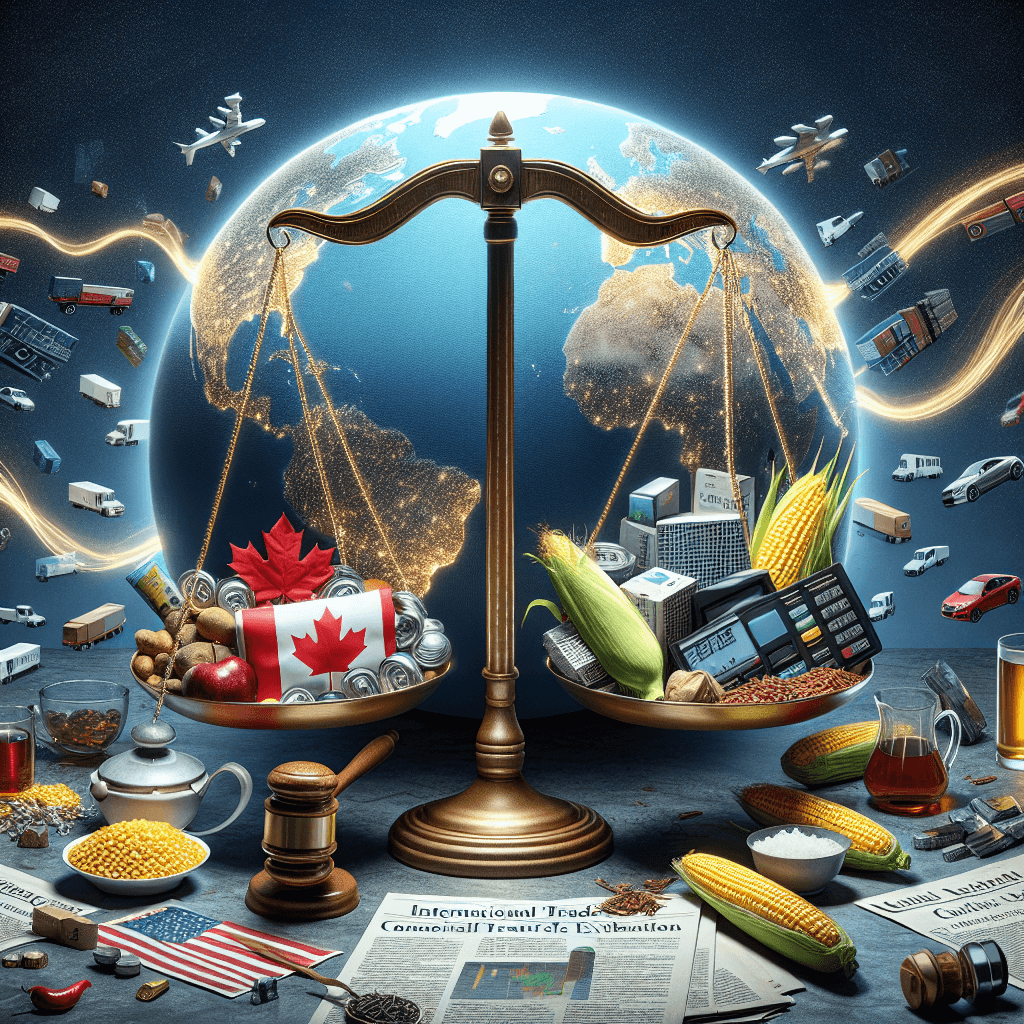
In a significant policy shift, President Donald Trump has expanded exemptions on tariffs for Canada and Mexico, aiming to alleviate trade tensions with the United States' closest allies. This move, announced this week, marks the second rollback of tariffs in as many days, providing temporary relief to businesses and financial markets concerned about the economic impact of these measures.
North American Trade Relations
The exemptions apply to goods traded under the US-Mexico-Canada Agreement (USMCA), a key trade pact signed during Trump's first term. Items such as televisions, air conditioners, avocados, and beef are among those benefiting from the tariff relief. Mexican President Claudia Sheinbaum expressed gratitude for the exemptions, while Canada's Finance Minister indicated a pause on retaliatory tariffs. However, Canadian Prime Minister Justin Trudeau warned that a trade war remains a possibility, despite the targeted relief.
Ongoing Tensions with China
While easing tariffs on North American allies, Trump maintains a firm stance against China. Chinese Foreign Minister Wang Yi criticized the US for its "arbitrary tariffs," which he claims undermine bilateral relations and hinder cooperation on issues like the fentanyl crisis. The US has imposed a 20% tariff on all Chinese imports, prompting Beijing to retaliate with additional duties on American goods, including agricultural products.
Economic Impact and Market Reactions
The fluctuating tariff policies have led to market volatility, with the S&P 500 index dropping nearly 1.8% recently. Businesses are grappling with increased costs, as highlighted by Gregory Brown of BenLee, who noted frequent price adjustments due to the tariffs. Despite these challenges, some see Trump's willingness to adjust tariffs as a sign of a business-friendly approach.
WHAT THIS MIGHT MEAN
The future of US trade policy remains uncertain as President Trump balances domestic economic interests with international relations. The temporary relief for Canada and Mexico may stabilize North American trade, but ongoing tensions with China could escalate further, affecting global markets. Experts warn that prolonged trade disputes may lead to increased consumer prices and economic slowdowns in affected countries. As the situation evolves, businesses and policymakers will need to navigate the complexities of international trade dynamics carefully.
Related Articles

UK Faces Dilemmas Amid Iran Conflict and China Spying Allegations
China Sets Lowest GDP Growth Target in Decades Amid Economic Challenges
Senate Blocks Resolution to Limit Trump's Military Actions in Iran

Spain's Sánchez Stands Firm Against Trump's Trade Threat Over Iran Stance

Iran Postpones Khamenei Funeral Amid Escalating US-Israeli Strikes
Canada Calls for De-escalation Amid US-Israel Strikes on Iran
Trump Adjusts Tariff Strategy Amidst Global Trade Tensions
In This Article
 Ethan Brooks| Published
 HIGHLIGHTS
- President Trump has expanded exemptions on tariffs for Canada and Mexico, easing tensions with these trade partners.
- Despite easing tariffs on North American allies, Trump continues to impose tariffs on China, leading to ongoing retaliatory measures.
- The US-Mexico-Canada Agreement (USMCA) plays a crucial role in the tariff exemptions, affecting goods like avocados and beef.
- China's Foreign Minister Wang Yi criticized US tariffs, linking them to strained bilateral relations and the fentanyl crisis.
- The economic impact of tariffs is significant, with market volatility and increased costs for US businesses and consumers.
In a significant policy shift, President Donald Trump has expanded exemptions on tariffs for Canada and Mexico, aiming to alleviate trade tensions with the United States' closest allies. This move, announced this week, marks the second rollback of tariffs in as many days, providing temporary relief to businesses and financial markets concerned about the economic impact of these measures.
North American Trade Relations
The exemptions apply to goods traded under the US-Mexico-Canada Agreement (USMCA), a key trade pact signed during Trump's first term. Items such as televisions, air conditioners, avocados, and beef are among those benefiting from the tariff relief. Mexican President Claudia Sheinbaum expressed gratitude for the exemptions, while Canada's Finance Minister indicated a pause on retaliatory tariffs. However, Canadian Prime Minister Justin Trudeau warned that a trade war remains a possibility, despite the targeted relief.
Ongoing Tensions with China
While easing tariffs on North American allies, Trump maintains a firm stance against China. Chinese Foreign Minister Wang Yi criticized the US for its "arbitrary tariffs," which he claims undermine bilateral relations and hinder cooperation on issues like the fentanyl crisis. The US has imposed a 20% tariff on all Chinese imports, prompting Beijing to retaliate with additional duties on American goods, including agricultural products.
Economic Impact and Market Reactions
The fluctuating tariff policies have led to market volatility, with the S&P 500 index dropping nearly 1.8% recently. Businesses are grappling with increased costs, as highlighted by Gregory Brown of BenLee, who noted frequent price adjustments due to the tariffs. Despite these challenges, some see Trump's willingness to adjust tariffs as a sign of a business-friendly approach.
WHAT THIS MIGHT MEAN
The future of US trade policy remains uncertain as President Trump balances domestic economic interests with international relations. The temporary relief for Canada and Mexico may stabilize North American trade, but ongoing tensions with China could escalate further, affecting global markets. Experts warn that prolonged trade disputes may lead to increased consumer prices and economic slowdowns in affected countries. As the situation evolves, businesses and policymakers will need to navigate the complexities of international trade dynamics carefully.
Related Articles
UK Faces Dilemmas Amid Iran Conflict and China Spying Allegations
China Sets Lowest GDP Growth Target in Decades Amid Economic Challenges
Senate Blocks Resolution to Limit Trump's Military Actions in Iran
Spain's Sánchez Stands Firm Against Trump's Trade Threat Over Iran Stance
Iran Postpones Khamenei Funeral Amid Escalating US-Israeli Strikes
Canada Calls for De-escalation Amid US-Israel Strikes on Iran