
Trump Expands US Travel Ban Amid Security Concerns
In This Article
HIGHLIGHTS
- President Trump has expanded the US travel ban to include five more countries and Palestinian Authority document holders, effective January 1.
- Full-entry restrictions now apply to Burkina Faso, Mali, Niger, South Sudan, and Syria, with partial restrictions on 15 other nations.
- The move follows a security incident involving an Afghan national and aims to address issues like visa overstay rates and unreliable civil records.
- The administration cites national security concerns and inadequate screening systems as reasons for the expanded restrictions.
- Exceptions exist for lawful permanent residents, existing visa holders, and case-by-case waivers deemed in the national interest.
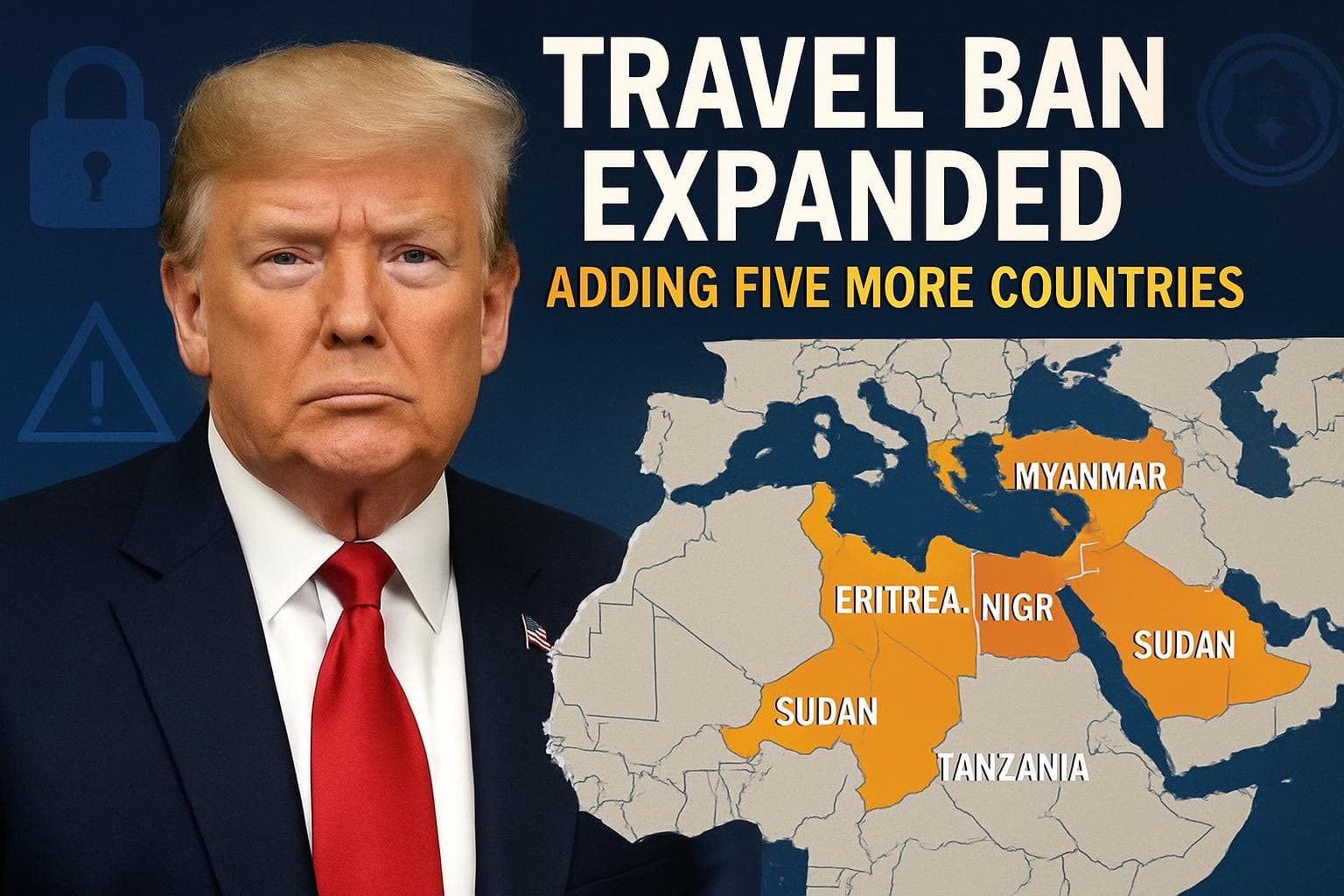
President Donald Trump has announced an expansion of the US travel ban, adding five more countries and individuals traveling on Palestinian Authority-issued documents to the list of those barred from entering the United States. The new restrictions, set to take effect on January 1, are part of the administration's ongoing efforts to tighten immigration controls, citing national security concerns.
Expanded List of Banned Countries
The latest proclamation imposes full-entry restrictions on nationals from Burkina Faso, Mali, Niger, South Sudan, and Syria. This decision follows a recent security incident involving an Afghan national suspected of shooting two National Guard troops in Washington, D.C. The White House has used this incident to underscore the need for stricter immigration measures.
In addition to these five countries, the administration has moved Laos and Sierra Leone from partial to full restrictions and imposed partial restrictions on 15 other nations, including Nigeria, Tanzania, and Zimbabwe. The White House stated that these measures are necessary due to high visa overstay rates, unreliable civil records, and insufficient cooperation in accepting deported nationals.
Justifications and Legal Context
The Trump administration has justified these actions by pointing to failures in screening and vetting systems overseas. Officials argue that the expanded travel ban is crucial to protect the security of the United States. A White House fact sheet emphasized the lack of adequate screening measures and civil documentation in countries like Syria, which has been included in the ban following a deadly attack attributed to the Islamic State.
Despite the broad restrictions, the policy includes several exceptions. Lawful permanent residents, many existing visa holders, diplomats, and athletes traveling for major sporting events will not be affected. Additionally, case-by-case waivers may be granted if travel is deemed to be in the national interest.
Historical Context and Reactions
This marks the third time President Trump has imposed a travel ban, with the first in 2017 sparking widespread protests and legal challenges. The policy was ultimately upheld by the US Supreme Court. The current expansion has drawn criticism from various quarters, with opponents arguing that it unfairly targets specific nationalities and exacerbates racial tensions.
WHAT THIS MIGHT MEAN
The expanded travel ban is likely to face legal challenges, as previous iterations have. Critics argue that the policy discriminates against certain nationalities and could strain diplomatic relations with affected countries. If upheld, the ban may lead to increased scrutiny of immigration policies and further debate over national security versus human rights.
Politically, the move could bolster support among Trump's base, who favor stricter immigration controls. However, it may also galvanize opposition groups and civil rights organizations, potentially influencing upcoming electoral dynamics. As the situation evolves, the administration's handling of national security and immigration will remain under close scrutiny.
Related Articles

Tech Giants Pledge to Cover AI Data Center Energy Costs Amid Rising Electricity Concerns
Cuba Faces Widespread Blackout Amid Deepening Fuel Crisis

UK Faces Dilemmas Amid Iran Conflict and China Spying Allegations
Spain's Sánchez Stands Firm Against Trump's Trade Threat Over Iran Stance
US Supreme Court Ruling Sparks Trade Uncertainty in Asia and Beyond
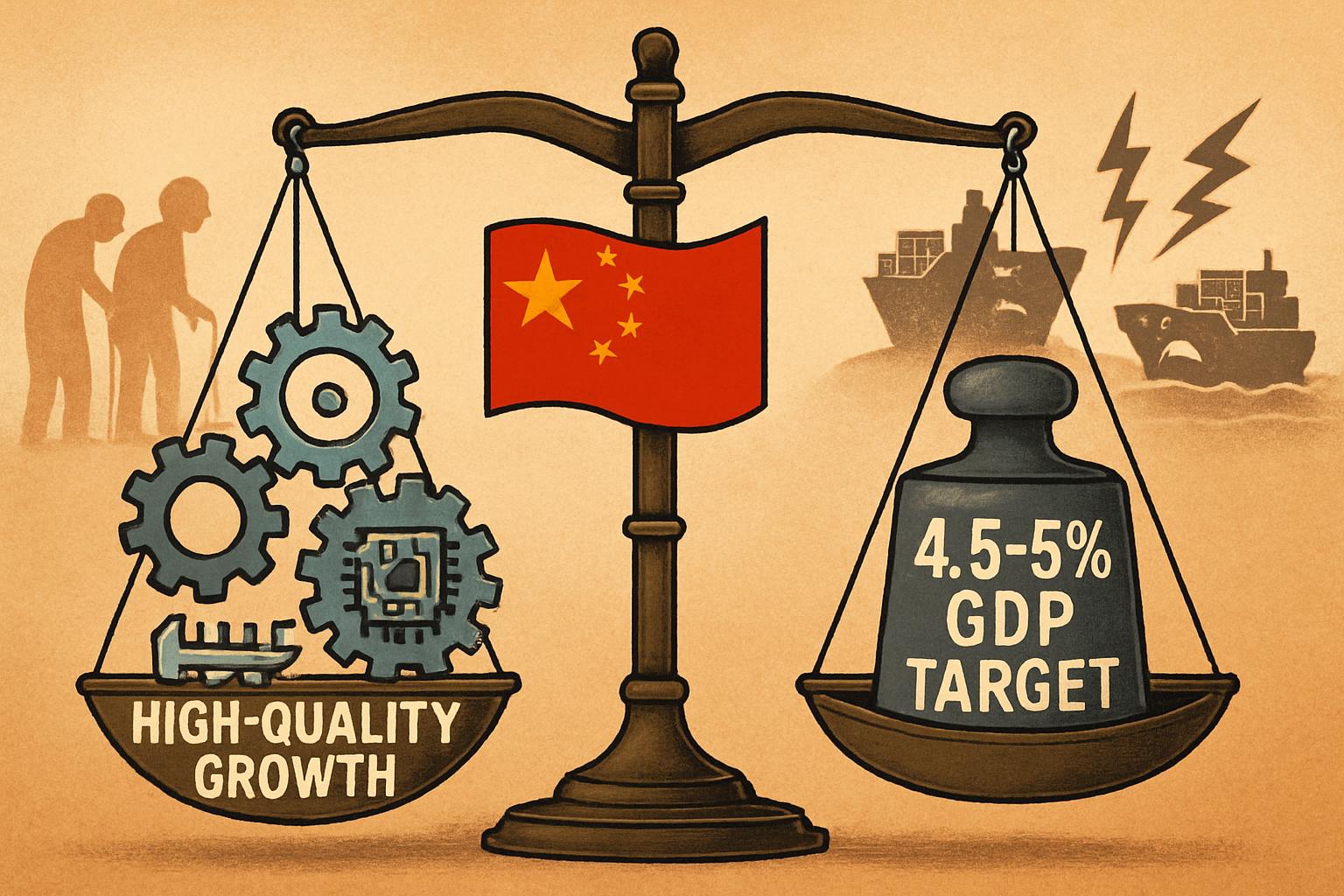
China Sets Lowest GDP Growth Target in Decades Amid Economic Challenges
Trump Expands US Travel Ban Amid Security Concerns
In This Article
 Leila Hassan| Published
 HIGHLIGHTS
- President Trump has expanded the US travel ban to include five more countries and Palestinian Authority document holders, effective January 1.
- Full-entry restrictions now apply to Burkina Faso, Mali, Niger, South Sudan, and Syria, with partial restrictions on 15 other nations.
- The move follows a security incident involving an Afghan national and aims to address issues like visa overstay rates and unreliable civil records.
- The administration cites national security concerns and inadequate screening systems as reasons for the expanded restrictions.
- Exceptions exist for lawful permanent residents, existing visa holders, and case-by-case waivers deemed in the national interest.
President Donald Trump has announced an expansion of the US travel ban, adding five more countries and individuals traveling on Palestinian Authority-issued documents to the list of those barred from entering the United States. The new restrictions, set to take effect on January 1, are part of the administration's ongoing efforts to tighten immigration controls, citing national security concerns.
Expanded List of Banned Countries
The latest proclamation imposes full-entry restrictions on nationals from Burkina Faso, Mali, Niger, South Sudan, and Syria. This decision follows a recent security incident involving an Afghan national suspected of shooting two National Guard troops in Washington, D.C. The White House has used this incident to underscore the need for stricter immigration measures.
In addition to these five countries, the administration has moved Laos and Sierra Leone from partial to full restrictions and imposed partial restrictions on 15 other nations, including Nigeria, Tanzania, and Zimbabwe. The White House stated that these measures are necessary due to high visa overstay rates, unreliable civil records, and insufficient cooperation in accepting deported nationals.
Justifications and Legal Context
The Trump administration has justified these actions by pointing to failures in screening and vetting systems overseas. Officials argue that the expanded travel ban is crucial to protect the security of the United States. A White House fact sheet emphasized the lack of adequate screening measures and civil documentation in countries like Syria, which has been included in the ban following a deadly attack attributed to the Islamic State.
Despite the broad restrictions, the policy includes several exceptions. Lawful permanent residents, many existing visa holders, diplomats, and athletes traveling for major sporting events will not be affected. Additionally, case-by-case waivers may be granted if travel is deemed to be in the national interest.
Historical Context and Reactions
This marks the third time President Trump has imposed a travel ban, with the first in 2017 sparking widespread protests and legal challenges. The policy was ultimately upheld by the US Supreme Court. The current expansion has drawn criticism from various quarters, with opponents arguing that it unfairly targets specific nationalities and exacerbates racial tensions.
WHAT THIS MIGHT MEAN
The expanded travel ban is likely to face legal challenges, as previous iterations have. Critics argue that the policy discriminates against certain nationalities and could strain diplomatic relations with affected countries. If upheld, the ban may lead to increased scrutiny of immigration policies and further debate over national security versus human rights.
Politically, the move could bolster support among Trump's base, who favor stricter immigration controls. However, it may also galvanize opposition groups and civil rights organizations, potentially influencing upcoming electoral dynamics. As the situation evolves, the administration's handling of national security and immigration will remain under close scrutiny.
Related Articles
Tech Giants Pledge to Cover AI Data Center Energy Costs Amid Rising Electricity Concerns
Cuba Faces Widespread Blackout Amid Deepening Fuel Crisis
UK Faces Dilemmas Amid Iran Conflict and China Spying Allegations
Spain's Sánchez Stands Firm Against Trump's Trade Threat Over Iran Stance
US Supreme Court Ruling Sparks Trade Uncertainty in Asia and Beyond
China Sets Lowest GDP Growth Target in Decades Amid Economic Challenges