
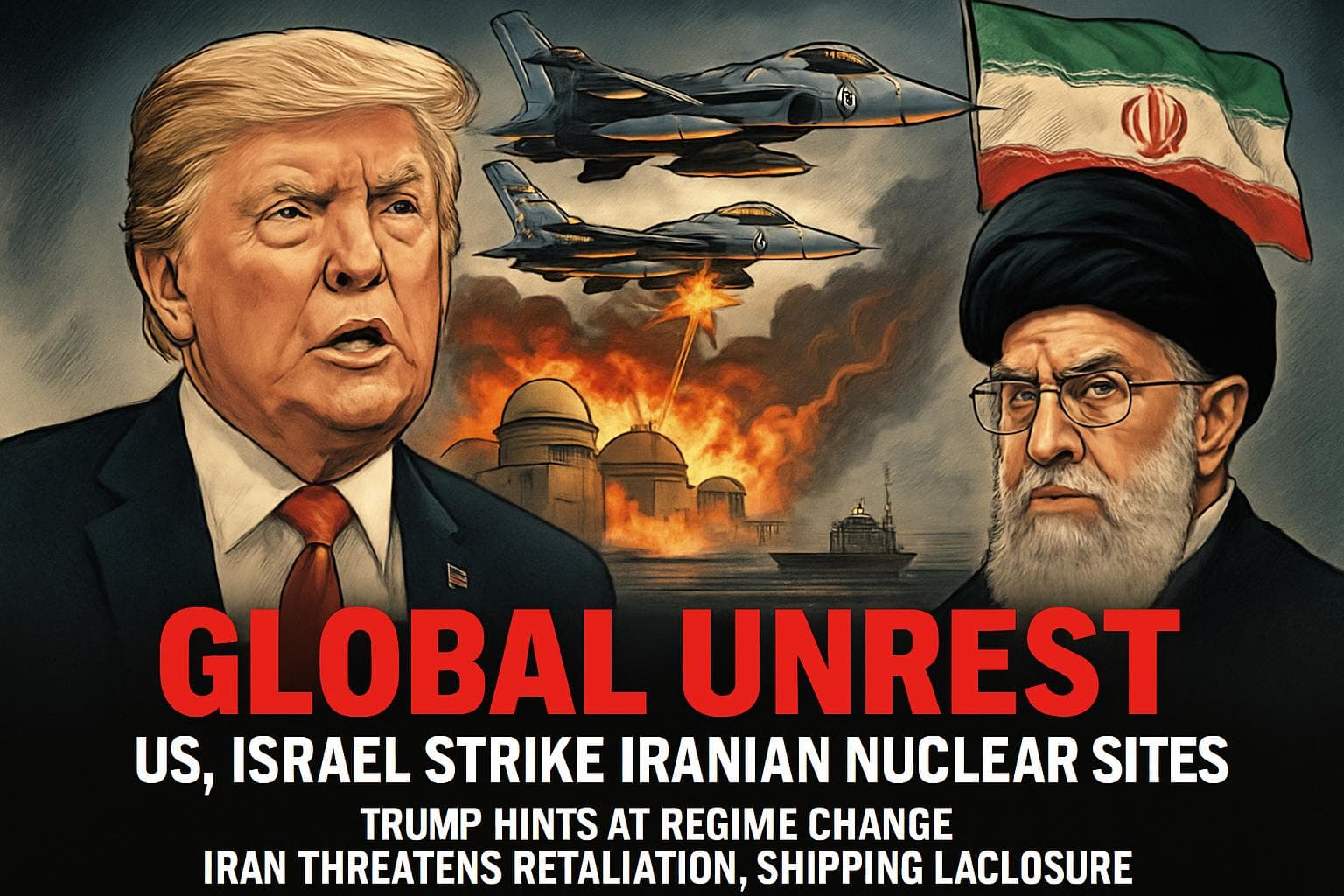
Tensions Escalate as Trump Hints at Regime Change in Iran Following US Strikes
In This Article
HIGHLIGHTS
- President Trump has suggested a regime change in Iran following US military strikes on Iranian nuclear facilities, despite official denials of such intentions.
- The US strikes, conducted alongside Israel, targeted three key nuclear sites in Iran, aiming to curb Tehran's nuclear ambitions.
- Iran has responded with threats of "everlasting consequences" and has reportedly launched missiles towards Israel.
- The US has issued a global caution for its citizens, warning of increased security risks due to escalating tensions in the Middle East.
- Iran's parliament has approved a measure to close the Strait of Hormuz, a critical shipping lane, pending a final decision by its national security council.
In a move that has intensified already fraught US-Iran relations, President Donald Trump has hinted at the possibility of regime change in Iran following recent US military strikes on Iranian nuclear facilities. The strikes, conducted in coordination with Israel, targeted three key sites over the weekend, aiming to disrupt Tehran's nuclear program, which both nations fear is nearing weaponization.
Despite Trump's provocative social media post suggesting a regime change, top US officials, including Defense Secretary Pete Hegseth and Vice-President JD Vance, have emphasized that the military action was not intended to topple Iran's leadership. "The mission was not and has not been about regime change," Hegseth stated, a sentiment echoed by Vance, who clarified that the US is "at war with Iran's nuclear program, not Iran."
The strikes have led to a flurry of international reactions and heightened tensions in the Middle East. Iran has vowed "everlasting consequences" and reportedly launched missiles towards Israel in retaliation. Iranian President Masoud Pezeshkian has called for a response to what he termed US aggression, while Foreign Minister Abbas Araqchi criticized the US for disregarding international law.
The situation has prompted the US Department of State to issue a global caution, advising American citizens worldwide to exercise increased caution due to the potential for escalated conflict. Meanwhile, Iran's parliament has approved a measure to close the Strait of Hormuz, a vital shipping lane, pending a final decision from its supreme national security council. This move could significantly impact global trade, particularly oil shipments.
As the international community watches closely, world leaders, including those from the UK, France, and Germany, have urged Iran to engage in negotiations to address nuclear concerns and avoid further destabilization of the region.
WHAT THIS MIGHT MEAN
The recent developments between the US and Iran could lead to significant geopolitical shifts. If Iran proceeds with closing the Strait of Hormuz, it could disrupt global oil supplies, prompting international intervention. The US and its allies may face increased pressure to engage in diplomatic negotiations to prevent further escalation.
Experts suggest that Iran's potential retaliation could involve cyberattacks or proxy conflicts in the region, further complicating the situation. The international community, particularly countries reliant on Middle Eastern oil, will likely push for a diplomatic resolution to avoid a broader conflict.
As tensions rise, the role of major powers like China and Russia could become pivotal. Their influence on Iran and potential mediation efforts may determine the trajectory of this crisis. The coming weeks will be crucial in shaping the future of US-Iran relations and the stability of the Middle East.
Related Articles

UK Faces Dilemmas Amid Iran Conflict and China Spying Allegations
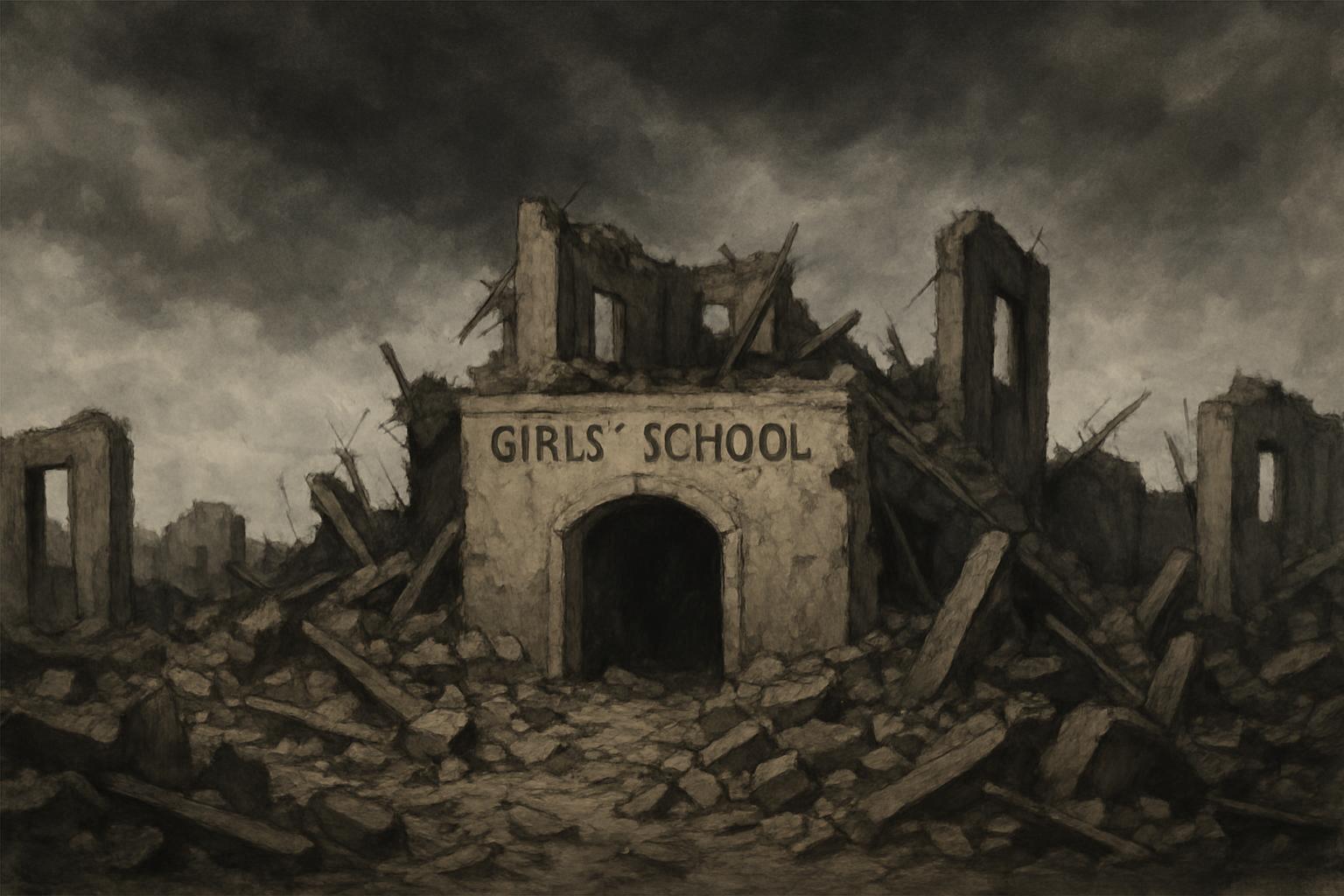
Intensified US-Israel Strikes on Iran Spark Global Outcry
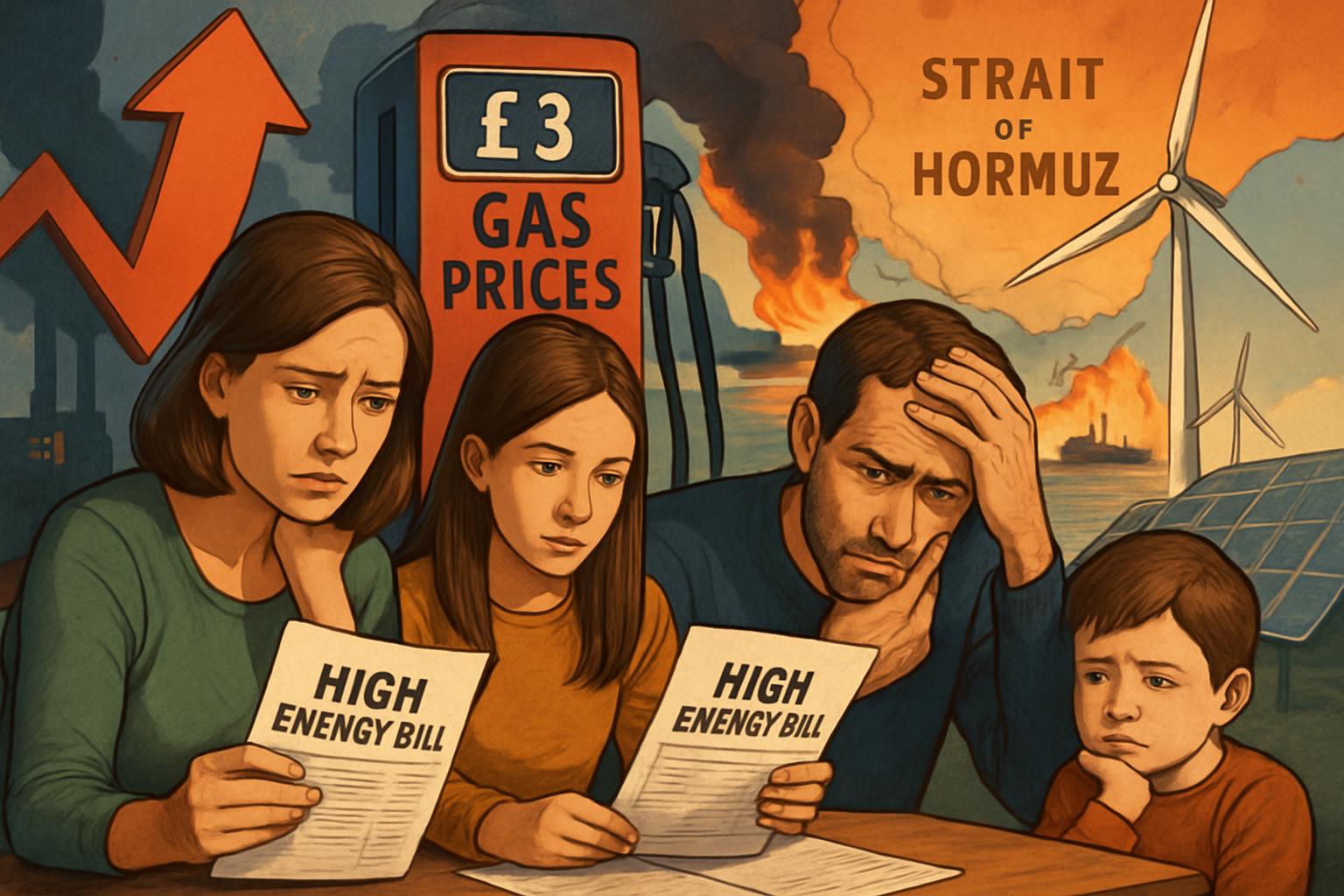
Middle East Conflict Drives UK Energy Prices to New Highs
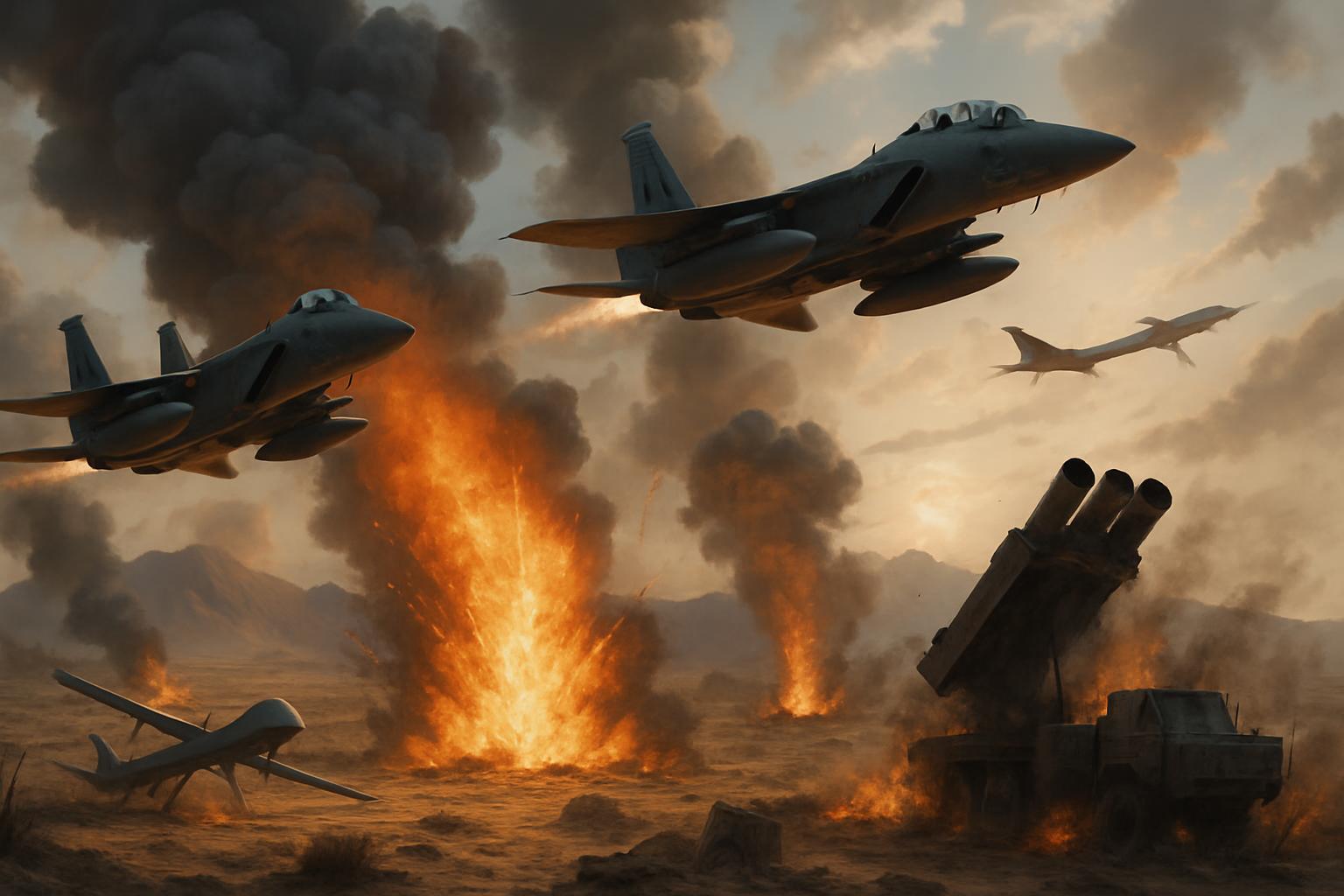
US and Israel Intensify Military Campaign as Iran's Capabilities Dwindle
Canada and Australia Forge Strategic Partnership Amid Global Uncertainty
UK Reinforces Military Presence in Cyprus Amid Middle East Tensions
Tensions Escalate as Trump Hints at Regime Change in Iran Following US Strikes
In This Article
 Ethan Brooks| Published
 HIGHLIGHTS
- President Trump has suggested a regime change in Iran following US military strikes on Iranian nuclear facilities, despite official denials of such intentions.
- The US strikes, conducted alongside Israel, targeted three key nuclear sites in Iran, aiming to curb Tehran's nuclear ambitions.
- Iran has responded with threats of "everlasting consequences" and has reportedly launched missiles towards Israel.
- The US has issued a global caution for its citizens, warning of increased security risks due to escalating tensions in the Middle East.
- Iran's parliament has approved a measure to close the Strait of Hormuz, a critical shipping lane, pending a final decision by its national security council.
In a move that has intensified already fraught US-Iran relations, President Donald Trump has hinted at the possibility of regime change in Iran following recent US military strikes on Iranian nuclear facilities. The strikes, conducted in coordination with Israel, targeted three key sites over the weekend, aiming to disrupt Tehran's nuclear program, which both nations fear is nearing weaponization.
Despite Trump's provocative social media post suggesting a regime change, top US officials, including Defense Secretary Pete Hegseth and Vice-President JD Vance, have emphasized that the military action was not intended to topple Iran's leadership. "The mission was not and has not been about regime change," Hegseth stated, a sentiment echoed by Vance, who clarified that the US is "at war with Iran's nuclear program, not Iran."
The strikes have led to a flurry of international reactions and heightened tensions in the Middle East. Iran has vowed "everlasting consequences" and reportedly launched missiles towards Israel in retaliation. Iranian President Masoud Pezeshkian has called for a response to what he termed US aggression, while Foreign Minister Abbas Araqchi criticized the US for disregarding international law.
The situation has prompted the US Department of State to issue a global caution, advising American citizens worldwide to exercise increased caution due to the potential for escalated conflict. Meanwhile, Iran's parliament has approved a measure to close the Strait of Hormuz, a vital shipping lane, pending a final decision from its supreme national security council. This move could significantly impact global trade, particularly oil shipments.
As the international community watches closely, world leaders, including those from the UK, France, and Germany, have urged Iran to engage in negotiations to address nuclear concerns and avoid further destabilization of the region.
WHAT THIS MIGHT MEAN
The recent developments between the US and Iran could lead to significant geopolitical shifts. If Iran proceeds with closing the Strait of Hormuz, it could disrupt global oil supplies, prompting international intervention. The US and its allies may face increased pressure to engage in diplomatic negotiations to prevent further escalation.
Experts suggest that Iran's potential retaliation could involve cyberattacks or proxy conflicts in the region, further complicating the situation. The international community, particularly countries reliant on Middle Eastern oil, will likely push for a diplomatic resolution to avoid a broader conflict.
As tensions rise, the role of major powers like China and Russia could become pivotal. Their influence on Iran and potential mediation efforts may determine the trajectory of this crisis. The coming weeks will be crucial in shaping the future of US-Iran relations and the stability of the Middle East.
Related Articles
UK Faces Dilemmas Amid Iran Conflict and China Spying Allegations
Intensified US-Israel Strikes on Iran Spark Global Outcry
Middle East Conflict Drives UK Energy Prices to New Highs
US and Israel Intensify Military Campaign as Iran's Capabilities Dwindle
Canada and Australia Forge Strategic Partnership Amid Global Uncertainty
UK Reinforces Military Presence in Cyprus Amid Middle East Tensions