
Trump Escalates Trade Tensions with 35% Tariff on Canadian Goods
In This Article
HIGHLIGHTS
- US President Donald Trump has increased tariffs on Canadian goods from 25% to 35%, citing Canada's insufficient action on fentanyl imports.
- The tariffs, effective from August 1, 2025, largely exempt goods covered under the US-Mexico-Canada Agreement (USMCA).
- Canadian Prime Minister Mark Carney expressed disappointment, noting that Canada accounts for only 1% of US fentanyl imports.
- The tariff hike is part of a broader strategy affecting 92 countries, with rates ranging from 10% to 41%.
- Economists warn of potential economic impacts, while Canada seeks to diversify its trade partnerships and protect domestic jobs.
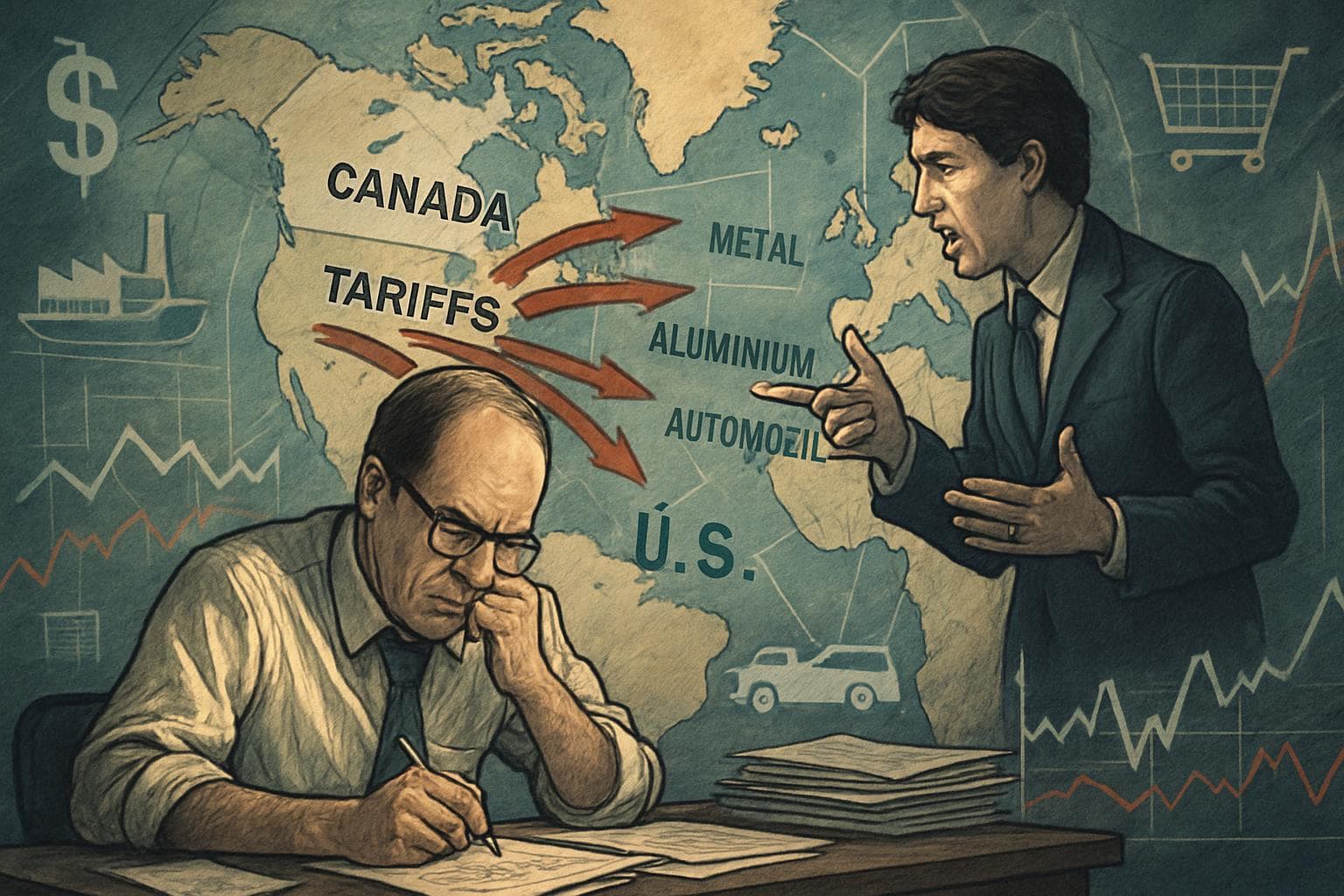
In a significant escalation of trade tensions, US President Donald Trump has announced an increase in tariffs on Canadian goods from 25% to 35%, effective August 1, 2025. The decision, formalized through an executive order, is part of a broader strategy targeting 92 countries with new import taxes ranging from 10% to 41%.
US-Canada Trade Relations Under Strain
The tariff hike comes amid ongoing negotiations between the US and Canada, with Trump citing Canada's inadequate efforts to curb the flow of fentanyl into the United States as a primary reason. However, Canadian Prime Minister Mark Carney has expressed disappointment, emphasizing that Canada accounts for only 1% of US fentanyl imports. Carney has vowed to protect Canadian jobs and diversify the country's export markets in response to the tariffs.
Impact on Canadian Economy
While the United States-Mexico-Canada Agreement (USMCA) exempts most Canadian goods from the new tariffs, sectors such as lumber, steel, aluminum, and automobiles could face significant impacts. Carney has committed to reducing internal trade barriers and strengthening Canada's economy by promoting domestic consumption and expanding international trade partnerships.
Global Trade Tensions Intensify
The tariff increase is part of Trump's broader trade agenda, which has seen new levies imposed on countries worldwide. Notably, Taiwan and India face tariffs of 20% and 25%, respectively, while Laos and Syria are subject to some of the highest rates. Economists have warned that these measures could lead to increased prices for US consumers and businesses, though the Trump administration has dismissed these concerns.
WHAT THIS MIGHT MEAN
The escalation in tariffs could lead to further strain in US-Canada relations, potentially impacting the longstanding economic partnership between the two nations. As Canada seeks to diversify its trade relationships, it may look to strengthen ties with other global partners, reducing its reliance on the US market. Economists caution that the tariffs could have broader implications for the global economy, potentially triggering retaliatory measures and further complicating international trade dynamics. As negotiations continue, the outcome will likely influence both domestic and international economic landscapes.
Related Articles
Canada Calls for De-escalation Amid US-Israel Strikes on Iran
China Sets Lowest GDP Growth Target in Decades Amid Economic Challenges

Canada and Australia Forge Strategic Partnership Amid Global Uncertainty

Tech Giants Pledge to Cover AI Data Center Energy Costs Amid Rising Electricity Concerns
Cuba Faces Widespread Blackout Amid Deepening Fuel Crisis

UK Faces Dilemmas Amid Iran Conflict and China Spying Allegations
Trump Escalates Trade Tensions with 35% Tariff on Canadian Goods
In This Article
 Daniel Rivera| Published
 HIGHLIGHTS
- US President Donald Trump has increased tariffs on Canadian goods from 25% to 35%, citing Canada's insufficient action on fentanyl imports.
- The tariffs, effective from August 1, 2025, largely exempt goods covered under the US-Mexico-Canada Agreement (USMCA).
- Canadian Prime Minister Mark Carney expressed disappointment, noting that Canada accounts for only 1% of US fentanyl imports.
- The tariff hike is part of a broader strategy affecting 92 countries, with rates ranging from 10% to 41%.
- Economists warn of potential economic impacts, while Canada seeks to diversify its trade partnerships and protect domestic jobs.
In a significant escalation of trade tensions, US President Donald Trump has announced an increase in tariffs on Canadian goods from 25% to 35%, effective August 1, 2025. The decision, formalized through an executive order, is part of a broader strategy targeting 92 countries with new import taxes ranging from 10% to 41%.
US-Canada Trade Relations Under Strain
The tariff hike comes amid ongoing negotiations between the US and Canada, with Trump citing Canada's inadequate efforts to curb the flow of fentanyl into the United States as a primary reason. However, Canadian Prime Minister Mark Carney has expressed disappointment, emphasizing that Canada accounts for only 1% of US fentanyl imports. Carney has vowed to protect Canadian jobs and diversify the country's export markets in response to the tariffs.
Impact on Canadian Economy
While the United States-Mexico-Canada Agreement (USMCA) exempts most Canadian goods from the new tariffs, sectors such as lumber, steel, aluminum, and automobiles could face significant impacts. Carney has committed to reducing internal trade barriers and strengthening Canada's economy by promoting domestic consumption and expanding international trade partnerships.
Global Trade Tensions Intensify
The tariff increase is part of Trump's broader trade agenda, which has seen new levies imposed on countries worldwide. Notably, Taiwan and India face tariffs of 20% and 25%, respectively, while Laos and Syria are subject to some of the highest rates. Economists have warned that these measures could lead to increased prices for US consumers and businesses, though the Trump administration has dismissed these concerns.
WHAT THIS MIGHT MEAN
The escalation in tariffs could lead to further strain in US-Canada relations, potentially impacting the longstanding economic partnership between the two nations. As Canada seeks to diversify its trade relationships, it may look to strengthen ties with other global partners, reducing its reliance on the US market. Economists caution that the tariffs could have broader implications for the global economy, potentially triggering retaliatory measures and further complicating international trade dynamics. As negotiations continue, the outcome will likely influence both domestic and international economic landscapes.
Related Articles
Canada Calls for De-escalation Amid US-Israel Strikes on Iran
China Sets Lowest GDP Growth Target in Decades Amid Economic Challenges
Canada and Australia Forge Strategic Partnership Amid Global Uncertainty
Tech Giants Pledge to Cover AI Data Center Energy Costs Amid Rising Electricity Concerns
Cuba Faces Widespread Blackout Amid Deepening Fuel Crisis
UK Faces Dilemmas Amid Iran Conflict and China Spying Allegations