
Trump and Netanyahu Discuss Gaza Ceasefire Amid Regional Tensions
In This Article
HIGHLIGHTS
- Donald Trump and Benjamin Netanyahu met in Florida to discuss the Gaza ceasefire and regional security issues, including Iran and Hezbollah.
- Trump emphasized the need for Hamas to disarm quickly, warning of severe consequences if they fail to comply.
- The US supports moving to the second phase of the Gaza peace plan, which includes establishing a Palestinian technocratic government and Israeli troop withdrawal.
- Netanyahu faces criticism for potentially stalling the peace process, with concerns about Israel's commitment to the ceasefire terms.
- The meeting also addressed potential Israeli offensives against Iran and Hezbollah, amid fears of escalating regional tensions.
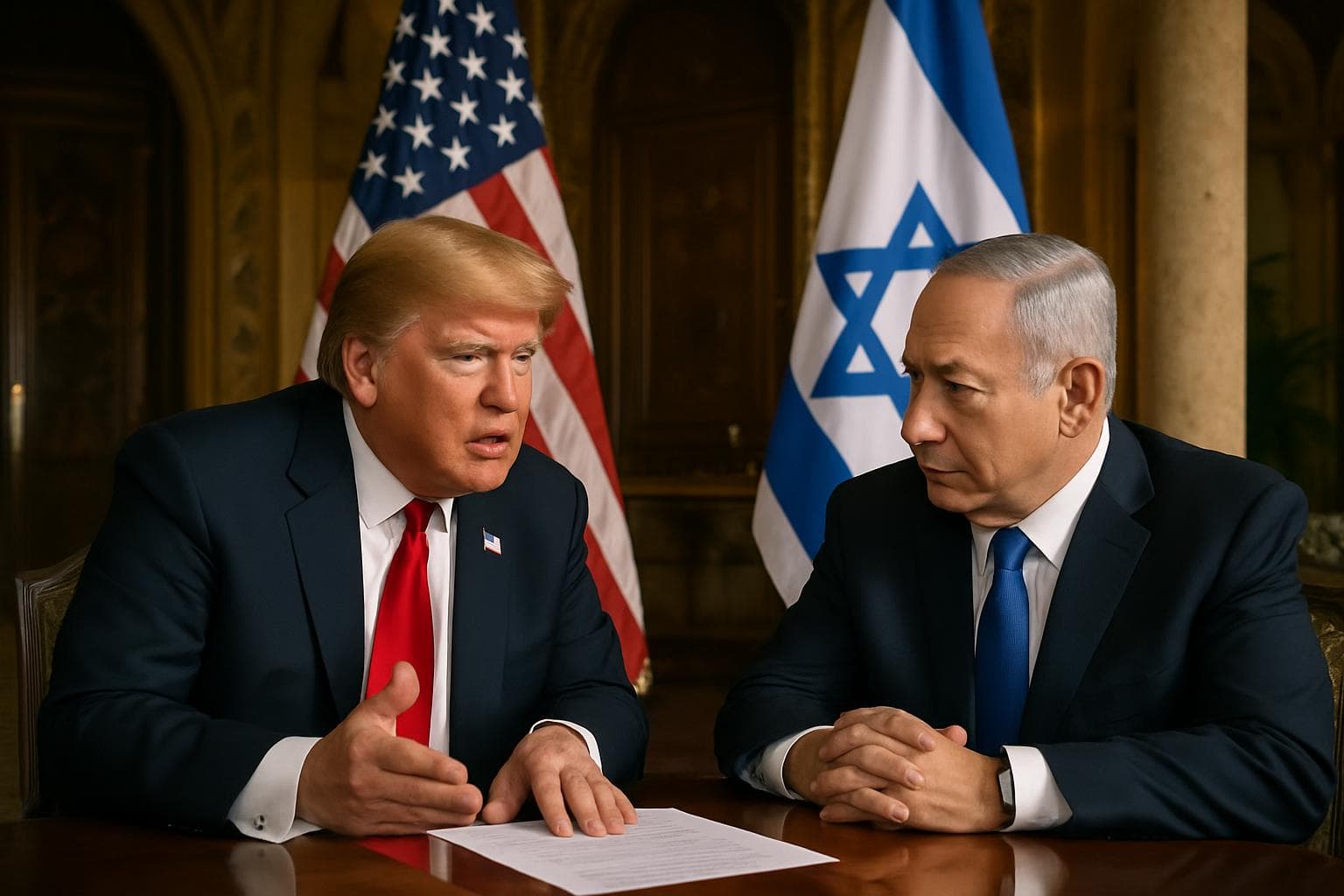
US President Donald Trump and Israeli Prime Minister Benjamin Netanyahu convened at Mar-a-Lago in Florida to deliberate on the Gaza ceasefire and broader Middle East security concerns. The meeting, held on Monday, comes at a critical juncture as both leaders navigate complex geopolitical challenges, including the disarmament of Hamas and potential threats from Iran and Hezbollah.
Focus on Gaza Ceasefire and Disarmament
Central to the discussions was the progression of the Gaza ceasefire, which began in October, ending a devastating two-year conflict. Trump reiterated the urgency for Hamas to disarm, warning of "hell to pay" if the militant group fails to comply. The US president underscored the importance of moving swiftly to the second phase of the peace plan, which envisions a Palestinian technocratic government and the withdrawal of Israeli troops from Gaza.
Despite Trump's insistence on adherence to the ceasefire terms, Netanyahu has faced criticism for allegedly stalling the process. Critics argue that the Israeli prime minister is reluctant to engage in discussions about a political future for Palestinians, potentially delaying the peace plan's implementation.
Regional Security Concerns
The meeting also addressed broader regional security issues, including potential Israeli offensives against Iran and Hezbollah. Trump expressed support for Israeli actions to curb Iran's missile capabilities, warning of immediate US intervention if Iran resumes its nuclear program. The discussions highlighted the delicate balance of maintaining regional stability while addressing security threats.
Humanitarian Challenges in Gaza
As the leaders deliberated, the humanitarian situation in Gaza remains dire, with thousands of displaced Palestinians living in harsh conditions. Recent storms have exacerbated the crisis, leading to fatalities and further highlighting the urgent need for reconstruction efforts.
WHAT THIS MIGHT MEAN
The outcome of the Trump-Netanyahu meeting could significantly impact the trajectory of the Gaza ceasefire and broader Middle East peace efforts. If Hamas fails to disarm, the region may face heightened tensions and potential military escalations. Conversely, successful implementation of the peace plan could pave the way for a more stable and secure future for Palestinians and Israelis alike.
The US's stance on Iran and Hezbollah will also play a crucial role in shaping regional dynamics. Any aggressive actions could lead to further instability, underscoring the importance of diplomatic engagement and strategic alliances in addressing these complex challenges. As the situation unfolds, the international community will be closely watching for developments that could alter the course of Middle East peace efforts.
Related Articles
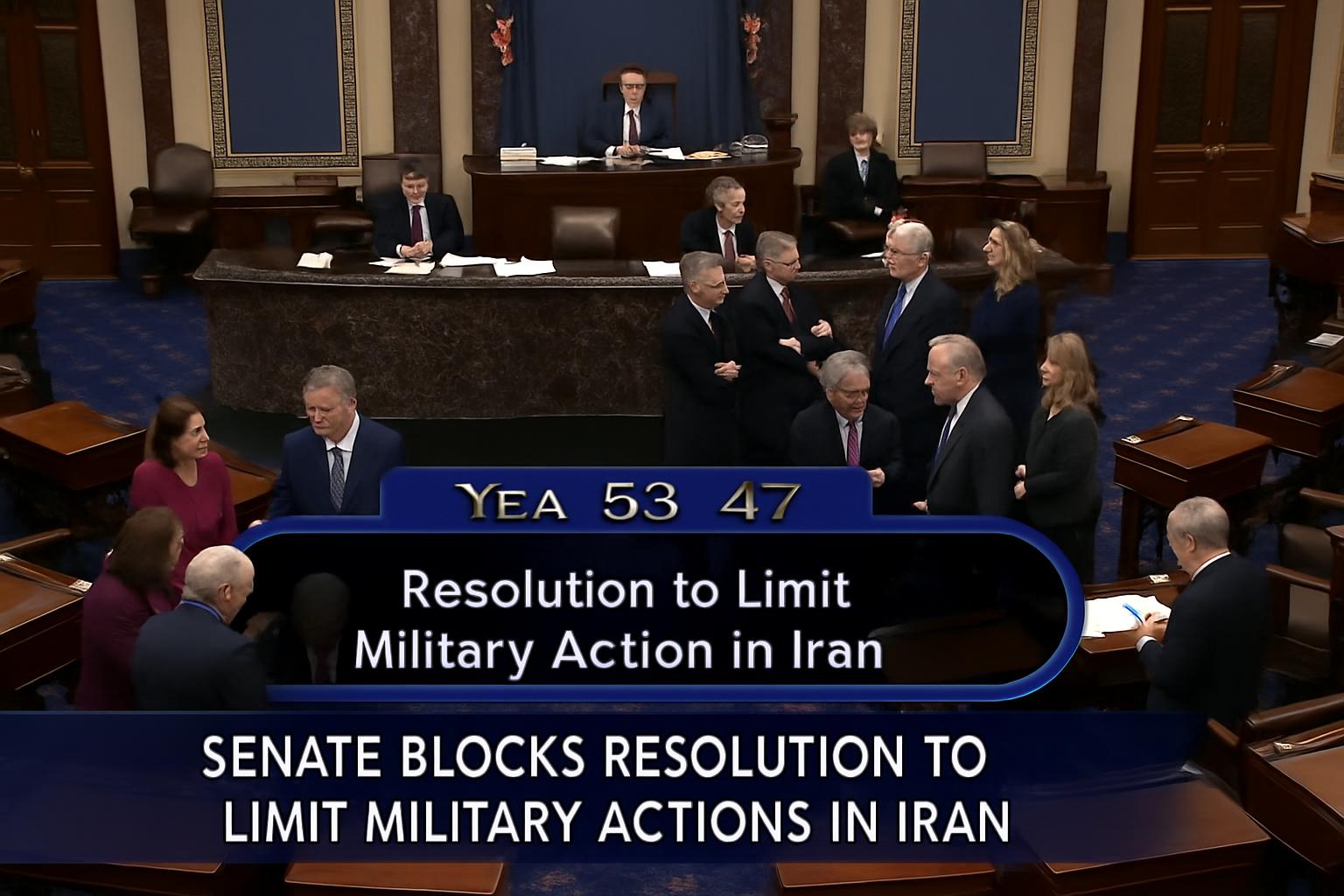
Senate Blocks Resolution to Limit Trump's Military Actions in Iran
Spain's Sánchez Stands Firm Against Trump's Trade Threat Over Iran Stance
Iran Postpones Khamenei Funeral Amid Escalating US-Israeli Strikes

UK Faces Dilemmas Amid Iran Conflict and China Spying Allegations

US and Israel Intensify Military Campaign as Iran's Capabilities Dwindle

Intensified US-Israel Strikes on Iran Spark Global Outcry
Trump and Netanyahu Discuss Gaza Ceasefire Amid Regional Tensions
In This Article
 Ethan Brooks| Published
 HIGHLIGHTS
- Donald Trump and Benjamin Netanyahu met in Florida to discuss the Gaza ceasefire and regional security issues, including Iran and Hezbollah.
- Trump emphasized the need for Hamas to disarm quickly, warning of severe consequences if they fail to comply.
- The US supports moving to the second phase of the Gaza peace plan, which includes establishing a Palestinian technocratic government and Israeli troop withdrawal.
- Netanyahu faces criticism for potentially stalling the peace process, with concerns about Israel's commitment to the ceasefire terms.
- The meeting also addressed potential Israeli offensives against Iran and Hezbollah, amid fears of escalating regional tensions.
US President Donald Trump and Israeli Prime Minister Benjamin Netanyahu convened at Mar-a-Lago in Florida to deliberate on the Gaza ceasefire and broader Middle East security concerns. The meeting, held on Monday, comes at a critical juncture as both leaders navigate complex geopolitical challenges, including the disarmament of Hamas and potential threats from Iran and Hezbollah.
Focus on Gaza Ceasefire and Disarmament
Central to the discussions was the progression of the Gaza ceasefire, which began in October, ending a devastating two-year conflict. Trump reiterated the urgency for Hamas to disarm, warning of "hell to pay" if the militant group fails to comply. The US president underscored the importance of moving swiftly to the second phase of the peace plan, which envisions a Palestinian technocratic government and the withdrawal of Israeli troops from Gaza.
Despite Trump's insistence on adherence to the ceasefire terms, Netanyahu has faced criticism for allegedly stalling the process. Critics argue that the Israeli prime minister is reluctant to engage in discussions about a political future for Palestinians, potentially delaying the peace plan's implementation.
Regional Security Concerns
The meeting also addressed broader regional security issues, including potential Israeli offensives against Iran and Hezbollah. Trump expressed support for Israeli actions to curb Iran's missile capabilities, warning of immediate US intervention if Iran resumes its nuclear program. The discussions highlighted the delicate balance of maintaining regional stability while addressing security threats.
Humanitarian Challenges in Gaza
As the leaders deliberated, the humanitarian situation in Gaza remains dire, with thousands of displaced Palestinians living in harsh conditions. Recent storms have exacerbated the crisis, leading to fatalities and further highlighting the urgent need for reconstruction efforts.
WHAT THIS MIGHT MEAN
The outcome of the Trump-Netanyahu meeting could significantly impact the trajectory of the Gaza ceasefire and broader Middle East peace efforts. If Hamas fails to disarm, the region may face heightened tensions and potential military escalations. Conversely, successful implementation of the peace plan could pave the way for a more stable and secure future for Palestinians and Israelis alike.
The US's stance on Iran and Hezbollah will also play a crucial role in shaping regional dynamics. Any aggressive actions could lead to further instability, underscoring the importance of diplomatic engagement and strategic alliances in addressing these complex challenges. As the situation unfolds, the international community will be closely watching for developments that could alter the course of Middle East peace efforts.
Related Articles
Senate Blocks Resolution to Limit Trump's Military Actions in Iran
Spain's Sánchez Stands Firm Against Trump's Trade Threat Over Iran Stance
Iran Postpones Khamenei Funeral Amid Escalating US-Israeli Strikes
UK Faces Dilemmas Amid Iran Conflict and China Spying Allegations
US and Israel Intensify Military Campaign as Iran's Capabilities Dwindle
Intensified US-Israel Strikes on Iran Spark Global Outcry