
Trump Nominates Kevin Warsh as Federal Reserve Chair Amid Independence Concerns
In This Article
HIGHLIGHTS
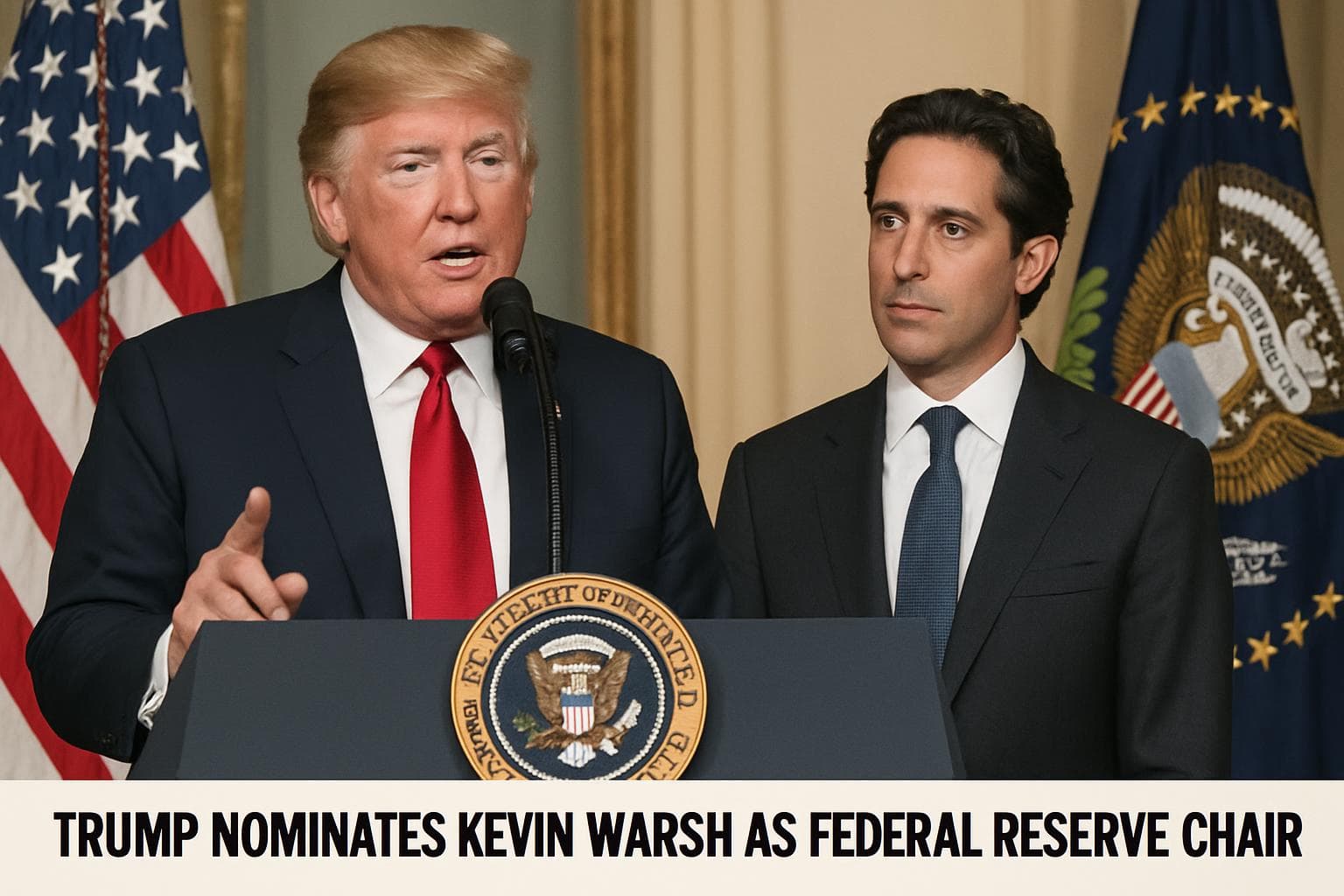
- Donald Trump has nominated Kevin Warsh to replace Jerome Powell as the Federal Reserve Chair, pending Senate confirmation.
- Warsh, a former Fed governor, is known for his criticism of the central bank's policies and is expected to support lower interest rates.
- The nomination comes amid concerns over the Fed's independence, with Trump previously criticizing Powell for not cutting rates.
- The US dollar strengthened following the announcement, while gold prices fell significantly.
- Warsh's confirmation could face delays due to a federal investigation into Powell and opposition from some senators.
In a move that has sparked significant debate, President Donald Trump has nominated Kevin Warsh to lead the US Federal Reserve, replacing current chair Jerome Powell when his term concludes in May. Warsh, who served as a Fed governor from 2006 to 2011, is known for his critical stance on the central bank's policies and is expected to advocate for lower interest rates, aligning with Trump's economic agenda.
Warsh's Background and Economic Views
Warsh, 55, has a storied history with the Federal Reserve and Wall Street, having served as a special assistant for economic policy and a Fed governor during the global financial crisis. He has been a vocal critic of the Fed's reliance on data and its expanded balance sheet, previously holding a hawkish stance on monetary policy. However, recent shifts suggest he may now support lower borrowing costs, a position that aligns with the White House's push for rate cuts.
Concerns Over Fed Independence
The nomination comes at a time when the independence of the Federal Reserve is under scrutiny. Trump's repeated calls for interest rate cuts have raised alarms about political interference in monetary policy. The situation is further complicated by a federal investigation into Powell's testimony regarding Fed building renovations, which has drawn criticism from both sides of the political aisle.
Market Reactions and Political Challenges
Following the announcement, the US dollar strengthened, while gold prices saw a notable decline. Despite these market movements, Warsh's path to confirmation is uncertain. Republican Senator Thom Tillis has vowed to block any Fed nominations until the investigation into Powell is resolved, and Democratic Senator Elizabeth Warren has expressed concerns about the potential erosion of Fed independence.
Warsh's nomination has received mixed reactions, with some financial analysts questioning whether he will maintain his hawkish reputation or align with Trump's preference for lower rates. The outcome of his confirmation process could significantly impact the future direction of US monetary policy.
WHAT THIS MIGHT MEAN
If confirmed, Kevin Warsh's leadership could lead to a shift in the Federal Reserve's approach to interest rates, potentially resulting in lower borrowing costs. This could stimulate economic growth but also raise concerns about inflation. The ongoing investigation into Jerome Powell adds a layer of complexity, as it may delay Warsh's confirmation and further politicize the Fed's operations.
The nomination also highlights broader tensions between the executive branch and the central bank, with potential implications for the Fed's autonomy. As the Senate deliberates on Warsh's appointment, the outcome could set a precedent for future interactions between the White House and the Federal Reserve, influencing economic policy for years to come.
Related Articles

Tech Giants Pledge to Cover AI Data Center Energy Costs Amid Rising Electricity Concerns
Spain's Sánchez Stands Firm Against Trump's Trade Threat Over Iran Stance
Congress Subpoenas Attorney General Bondi in Epstein Investigation

Cuba Faces Widespread Blackout Amid Deepening Fuel Crisis

UK Faces Dilemmas Amid Iran Conflict and China Spying Allegations
Senate Blocks Resolution to Limit Trump's Military Actions in Iran
Trump Nominates Kevin Warsh as Federal Reserve Chair Amid Independence Concerns
In This Article
 Daniel Rivera| Published
 HIGHLIGHTS
- Donald Trump has nominated Kevin Warsh to replace Jerome Powell as the Federal Reserve Chair, pending Senate confirmation.
- Warsh, a former Fed governor, is known for his criticism of the central bank's policies and is expected to support lower interest rates.
- The nomination comes amid concerns over the Fed's independence, with Trump previously criticizing Powell for not cutting rates.
- The US dollar strengthened following the announcement, while gold prices fell significantly.
- Warsh's confirmation could face delays due to a federal investigation into Powell and opposition from some senators.
In a move that has sparked significant debate, President Donald Trump has nominated Kevin Warsh to lead the US Federal Reserve, replacing current chair Jerome Powell when his term concludes in May. Warsh, who served as a Fed governor from 2006 to 2011, is known for his critical stance on the central bank's policies and is expected to advocate for lower interest rates, aligning with Trump's economic agenda.
Warsh's Background and Economic Views
Warsh, 55, has a storied history with the Federal Reserve and Wall Street, having served as a special assistant for economic policy and a Fed governor during the global financial crisis. He has been a vocal critic of the Fed's reliance on data and its expanded balance sheet, previously holding a hawkish stance on monetary policy. However, recent shifts suggest he may now support lower borrowing costs, a position that aligns with the White House's push for rate cuts.
Concerns Over Fed Independence
The nomination comes at a time when the independence of the Federal Reserve is under scrutiny. Trump's repeated calls for interest rate cuts have raised alarms about political interference in monetary policy. The situation is further complicated by a federal investigation into Powell's testimony regarding Fed building renovations, which has drawn criticism from both sides of the political aisle.
Market Reactions and Political Challenges
Following the announcement, the US dollar strengthened, while gold prices saw a notable decline. Despite these market movements, Warsh's path to confirmation is uncertain. Republican Senator Thom Tillis has vowed to block any Fed nominations until the investigation into Powell is resolved, and Democratic Senator Elizabeth Warren has expressed concerns about the potential erosion of Fed independence.
Warsh's nomination has received mixed reactions, with some financial analysts questioning whether he will maintain his hawkish reputation or align with Trump's preference for lower rates. The outcome of his confirmation process could significantly impact the future direction of US monetary policy.
WHAT THIS MIGHT MEAN
If confirmed, Kevin Warsh's leadership could lead to a shift in the Federal Reserve's approach to interest rates, potentially resulting in lower borrowing costs. This could stimulate economic growth but also raise concerns about inflation. The ongoing investigation into Jerome Powell adds a layer of complexity, as it may delay Warsh's confirmation and further politicize the Fed's operations.
The nomination also highlights broader tensions between the executive branch and the central bank, with potential implications for the Fed's autonomy. As the Senate deliberates on Warsh's appointment, the outcome could set a precedent for future interactions between the White House and the Federal Reserve, influencing economic policy for years to come.
Related Articles
Tech Giants Pledge to Cover AI Data Center Energy Costs Amid Rising Electricity Concerns
Spain's Sánchez Stands Firm Against Trump's Trade Threat Over Iran Stance
Congress Subpoenas Attorney General Bondi in Epstein Investigation
Cuba Faces Widespread Blackout Amid Deepening Fuel Crisis
UK Faces Dilemmas Amid Iran Conflict and China Spying Allegations
Senate Blocks Resolution to Limit Trump's Military Actions in Iran