
Trump Pardons Ex-Honduran President Amidst Contentious Election and Drug Trafficking Allegations

In This Article
HIGHLIGHTS
- Former Honduran President Juan Orlando Hernández was released from a US prison after receiving a pardon from Donald Trump.
- Hernández was convicted in 2024 for drug trafficking, including conspiring to import cocaine into the US, and was sentenced to 45 years.
- Trump claimed Hernández was a victim of political persecution and criticized the Biden administration's role in his prosecution.
- The pardon coincides with a closely contested Honduran presidential election, with Trump backing right-wing candidate Nasry Asfura.
- Hernández's release has sparked debate over US foreign policy and its implications for the ongoing war on drugs.
Former Honduran President Juan Orlando Hernández has been released from a US prison following a pardon from former US President Donald Trump. Hernández, who was serving a 45-year sentence for drug trafficking, walked free from the high-security USP Hazelton facility in West Virginia. His release comes amidst a tightly contested presidential election in Honduras, where Trump has thrown his support behind right-wing candidate Nasry Asfura.
Hernández's Conviction and Pardon
Hernández, who led Honduras from 2014 to 2022, was extradited to the US in 2022 and found guilty in 2024 of conspiring to import cocaine and possessing illegal weapons. Prosecutors described him as a central figure in a drug trafficking operation that funneled over 400 tonnes of cocaine into the US. Despite these serious charges, Trump pardoned Hernández, arguing that he was unfairly targeted by the Biden administration. "He was treated very harshly and unfairly," Trump stated, suggesting the charges were politically motivated.
Political Implications in Honduras
The pardon has significant implications for Honduras, where the presidential election remains undecided. Asfura, a candidate from Hernández's National Party, is narrowly leading against centrist Salvador Nasralla. Trump has publicly supported Asfura, criticizing Nasralla as a "borderline Communist" and praising Asfura's stance against Venezuelan President Nicolás Maduro. The election results have been delayed due to technical issues, with only a few hundred votes separating the top candidates.
Controversy and Criticism
Trump's decision to pardon Hernández has drawn criticism, particularly given the US's ongoing efforts to combat drug trafficking in the region. Critics question the rationale behind freeing a convicted drug trafficker while simultaneously justifying military actions against other alleged traffickers. Hernández's wife, Ana García de Hernández, expressed gratitude for the pardon, stating, "God is faithful and never fails," as she announced her husband's release.
WHAT THIS MIGHT MEAN
The release of Juan Orlando Hernández could have far-reaching implications for US-Honduran relations and the broader war on drugs. If Nasry Asfura wins the presidency, it may strengthen ties with the US, given Trump's endorsement. However, the pardon could also strain relations with other countries in the region, particularly those critical of US interventionist policies. Experts suggest that the move may embolden other leaders accused of corruption and drug trafficking, potentially complicating international efforts to combat these issues. As the political landscape in Honduras continues to evolve, the international community will be closely watching the election outcome and its impact on regional stability.
Related Articles
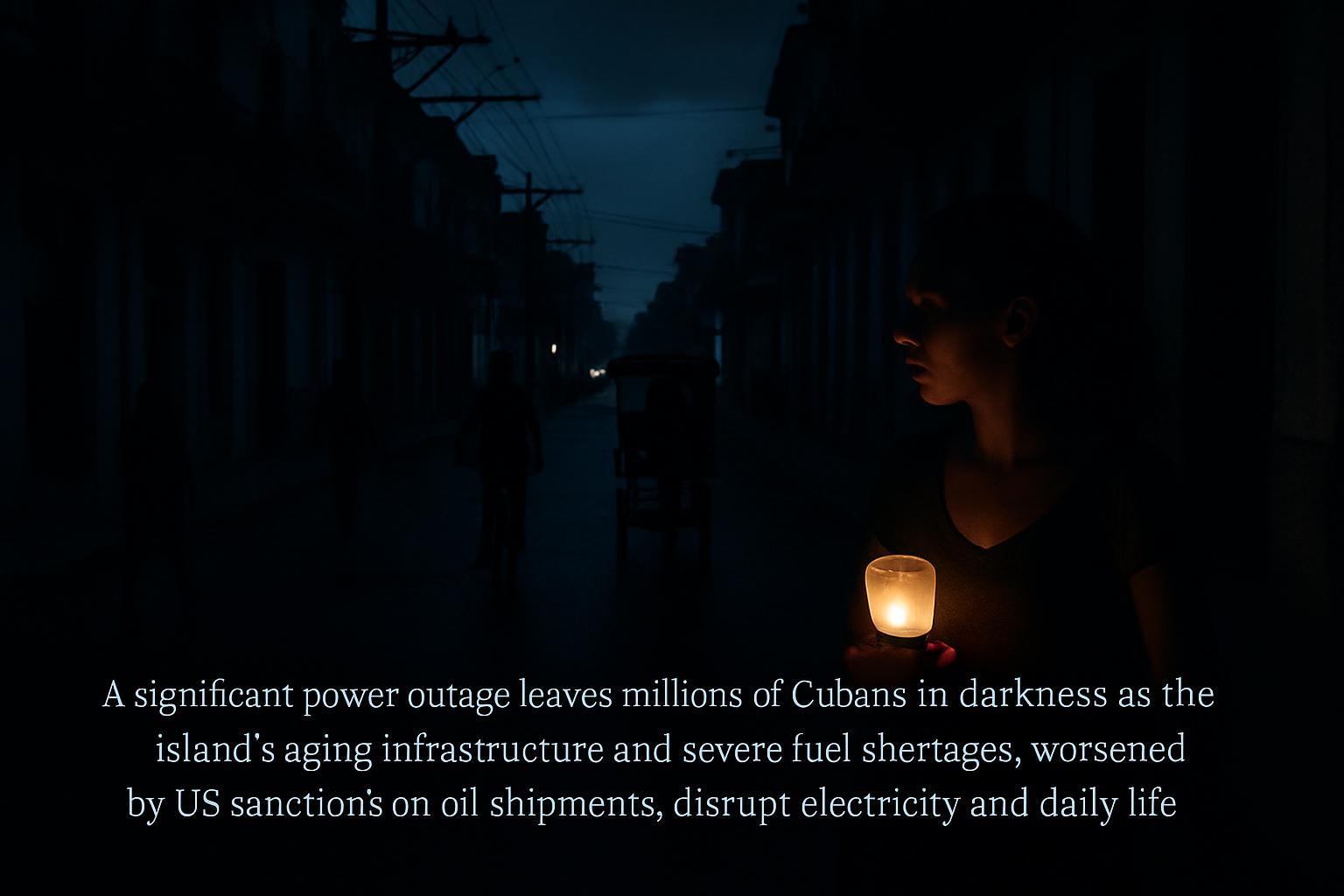
Cuba Faces Widespread Blackout Amid Deepening Fuel Crisis
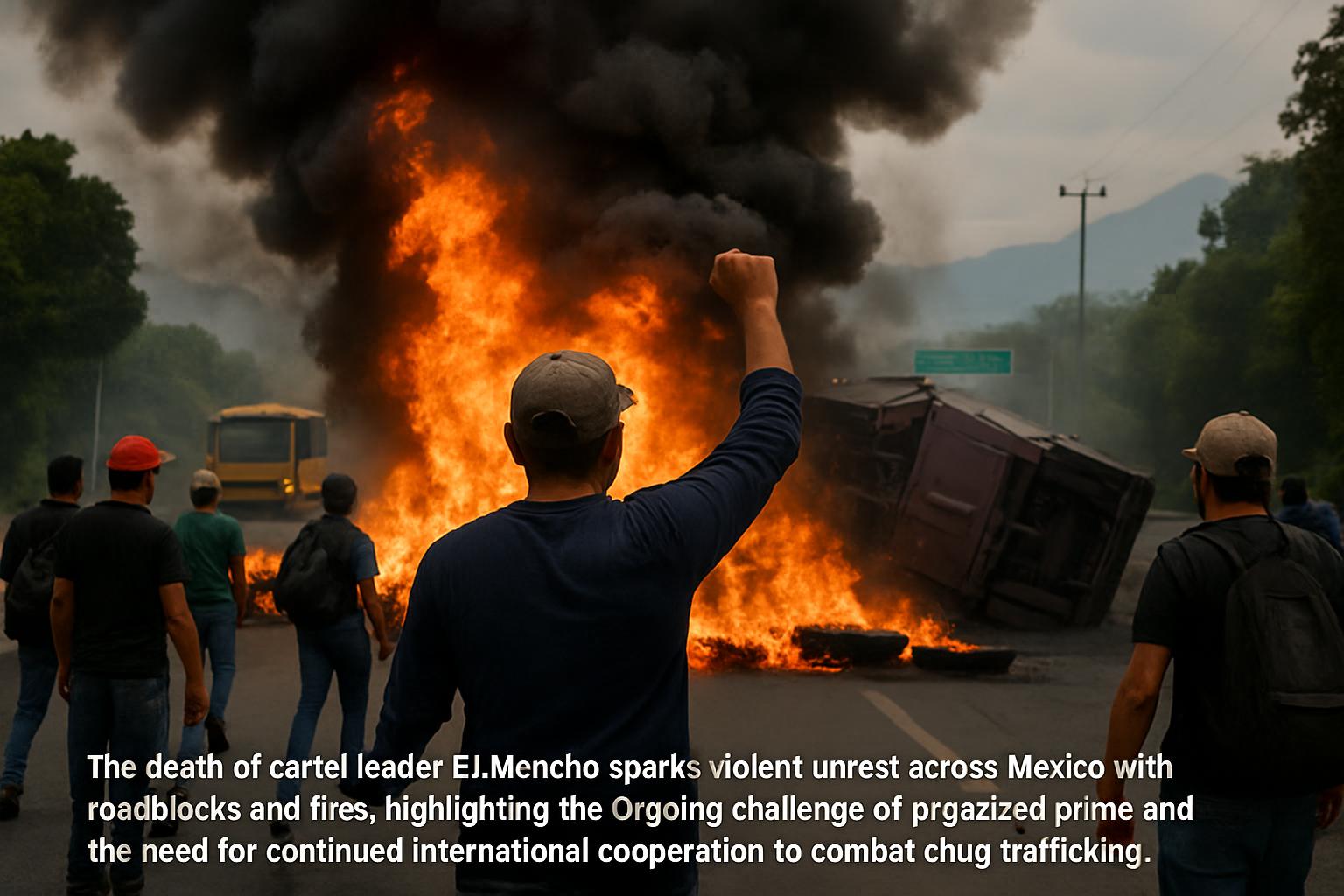
El Mencho's Death Sparks Violent Unrest Across Mexico

UK Faces Dilemmas Amid Iran Conflict and China Spying Allegations
Spain's Sánchez Stands Firm Against Trump's Trade Threat Over Iran Stance
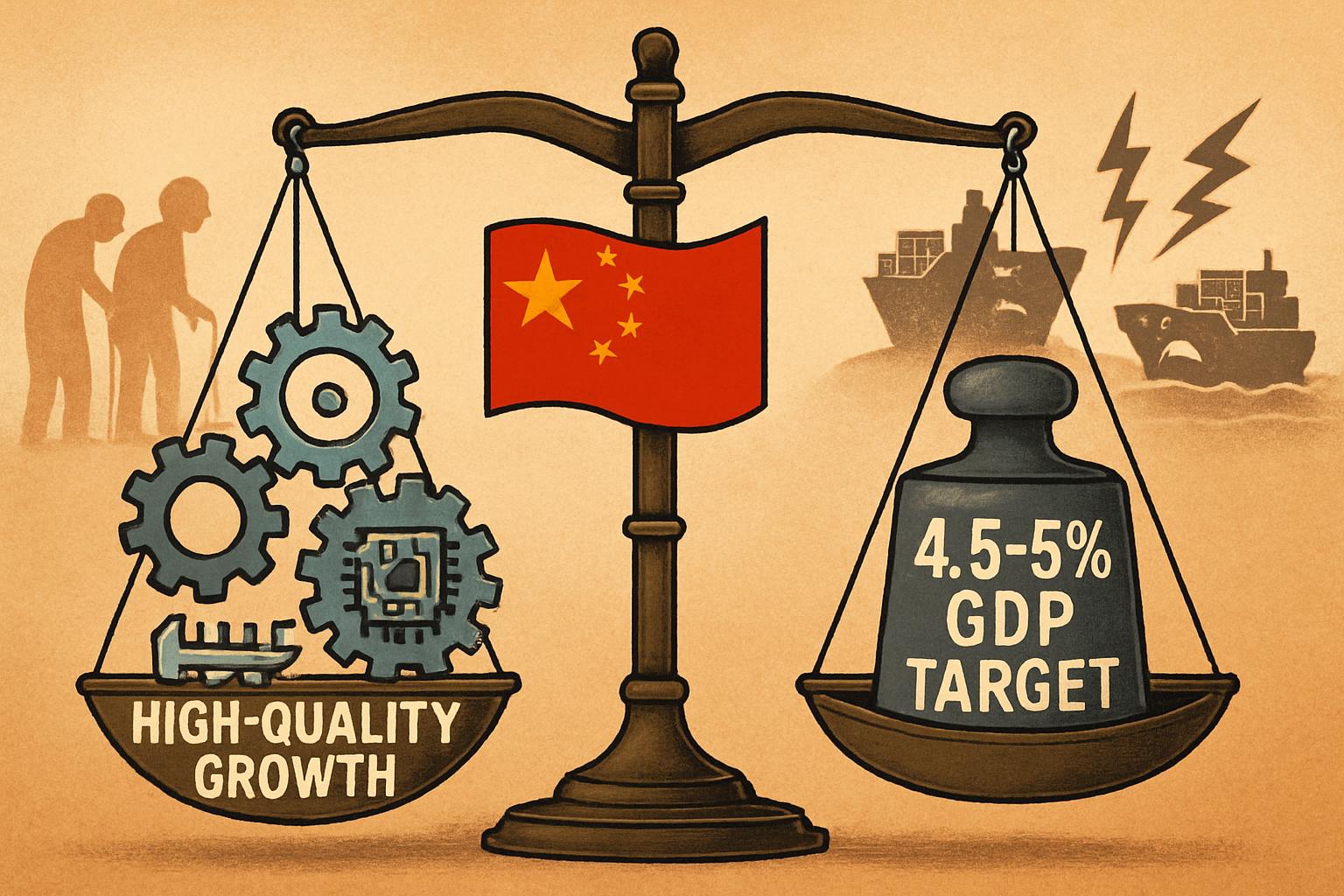
China Sets Lowest GDP Growth Target in Decades Amid Economic Challenges

Tech Giants Pledge to Cover AI Data Center Energy Costs Amid Rising Electricity Concerns
Trump Pardons Ex-Honduran President Amidst Contentious Election and Drug Trafficking Allegations
In This Article
HIGHLIGHTS
- Former Honduran President Juan Orlando Hernández was released from a US prison after receiving a pardon from Donald Trump.
- Hernández was convicted in 2024 for drug trafficking, including conspiring to import cocaine into the US, and was sentenced to 45 years.
- Trump claimed Hernández was a victim of political persecution and criticized the Biden administration's role in his prosecution.
- The pardon coincides with a closely contested Honduran presidential election, with Trump backing right-wing candidate Nasry Asfura.
- Hernández's release has sparked debate over US foreign policy and its implications for the ongoing war on drugs.
Former Honduran President Juan Orlando Hernández has been released from a US prison following a pardon from former US President Donald Trump. Hernández, who was serving a 45-year sentence for drug trafficking, walked free from the high-security USP Hazelton facility in West Virginia. His release comes amidst a tightly contested presidential election in Honduras, where Trump has thrown his support behind right-wing candidate Nasry Asfura.
Hernández's Conviction and Pardon
Hernández, who led Honduras from 2014 to 2022, was extradited to the US in 2022 and found guilty in 2024 of conspiring to import cocaine and possessing illegal weapons. Prosecutors described him as a central figure in a drug trafficking operation that funneled over 400 tonnes of cocaine into the US. Despite these serious charges, Trump pardoned Hernández, arguing that he was unfairly targeted by the Biden administration. "He was treated very harshly and unfairly," Trump stated, suggesting the charges were politically motivated.
Political Implications in Honduras
The pardon has significant implications for Honduras, where the presidential election remains undecided. Asfura, a candidate from Hernández's National Party, is narrowly leading against centrist Salvador Nasralla. Trump has publicly supported Asfura, criticizing Nasralla as a "borderline Communist" and praising Asfura's stance against Venezuelan President Nicolás Maduro. The election results have been delayed due to technical issues, with only a few hundred votes separating the top candidates.
Controversy and Criticism
Trump's decision to pardon Hernández has drawn criticism, particularly given the US's ongoing efforts to combat drug trafficking in the region. Critics question the rationale behind freeing a convicted drug trafficker while simultaneously justifying military actions against other alleged traffickers. Hernández's wife, Ana García de Hernández, expressed gratitude for the pardon, stating, "God is faithful and never fails," as she announced her husband's release.
WHAT THIS MIGHT MEAN
The release of Juan Orlando Hernández could have far-reaching implications for US-Honduran relations and the broader war on drugs. If Nasry Asfura wins the presidency, it may strengthen ties with the US, given Trump's endorsement. However, the pardon could also strain relations with other countries in the region, particularly those critical of US interventionist policies. Experts suggest that the move may embolden other leaders accused of corruption and drug trafficking, potentially complicating international efforts to combat these issues. As the political landscape in Honduras continues to evolve, the international community will be closely watching the election outcome and its impact on regional stability.
Related Articles
Cuba Faces Widespread Blackout Amid Deepening Fuel Crisis
El Mencho's Death Sparks Violent Unrest Across Mexico
UK Faces Dilemmas Amid Iran Conflict and China Spying Allegations
Spain's Sánchez Stands Firm Against Trump's Trade Threat Over Iran Stance
China Sets Lowest GDP Growth Target in Decades Amid Economic Challenges
Tech Giants Pledge to Cover AI Data Center Energy Costs Amid Rising Electricity Concerns