
Trump Issues Symbolic Pardons to Giuliani and Others Over 2020 Election Plot
In This Article
HIGHLIGHTS
- Former President Donald Trump issued pardons to Rudy Giuliani, Mark Meadows, and others involved in efforts to overturn the 2020 election results.
- The pardons are symbolic, as they apply only to federal crimes, while the individuals face state-level charges.
- Trump's clemency extends to 77 individuals, including lawyers Sidney Powell and Jenna Ellis, who were involved in the fake electors scheme.
- The pardons do not apply to Trump himself, though he has claimed the power to pardon himself.
- Legal challenges and investigations against Trump allies continue in states like Georgia and Michigan.
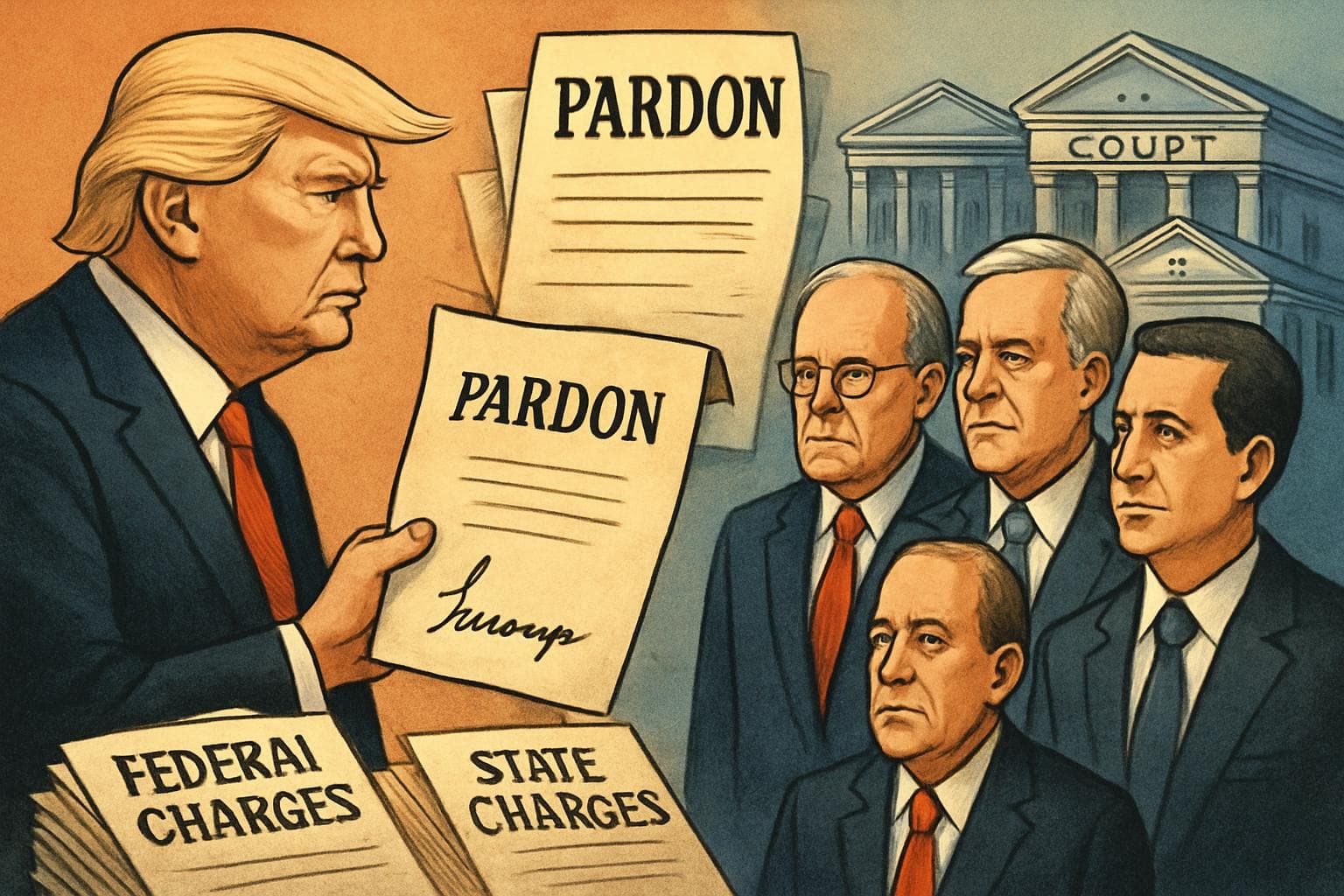
In a controversial move, former President Donald Trump has granted pardons to Rudy Giuliani, Mark Meadows, and several others implicated in efforts to overturn the 2020 presidential election. The clemency, announced over the weekend, is largely symbolic as it pertains only to federal offenses, while the individuals continue to face legal challenges at the state level.
Federal Clemency Amid State-Level Charges
The pardons, announced by US pardon attorney Ed Martin, cover 77 individuals, including prominent figures such as Giuliani, Trump's former personal lawyer, and Meadows, his former White House chief of staff. These individuals were accused of orchestrating a scheme to install fake Republican electors in key battleground states, falsely declaring Trump as the winner over Joe Biden. Despite the federal pardons, state-level prosecutions remain a significant hurdle for those involved.
High-Profile Figures Among Those Pardoned
Alongside Giuliani and Meadows, former Trump lawyers Sidney Powell and Jenna Ellis were also pardoned. Powell had previously claimed that electronic voting systems were manipulated to favor Biden, allegations that distanced her from Trump's legal team. Giuliani, who declared bankruptcy after being found liable for spreading falsehoods about Georgia election workers, expressed gratitude for the pardon, stating it highlighted the "unjust attacks" he faced.
Pardons Exclude Trump Amid Ongoing Legal Battles
Notably, the pardons do not extend to Trump himself, although he has long asserted his ability to self-pardon—a claim that would likely face legal scrutiny. The clemency follows Trump's earlier pardons of over 1,500 individuals involved in the January 6 Capitol riot. Legal proceedings against Trump allies continue in states like Georgia and Michigan, where cases have stalled or collapsed.
WHAT THIS MIGHT MEAN
The issuance of these pardons by Trump could further polarize the political landscape, potentially impacting ongoing state-level investigations. Legal experts suggest that while the pardons may offer temporary relief to those involved, they do not shield them from state prosecutions, which could lead to significant legal battles ahead. The move also raises questions about the limits of presidential pardon power and its implications for future administrations. As these cases unfold, the legal and political ramifications will likely continue to shape the discourse around election integrity and accountability.
Related Articles
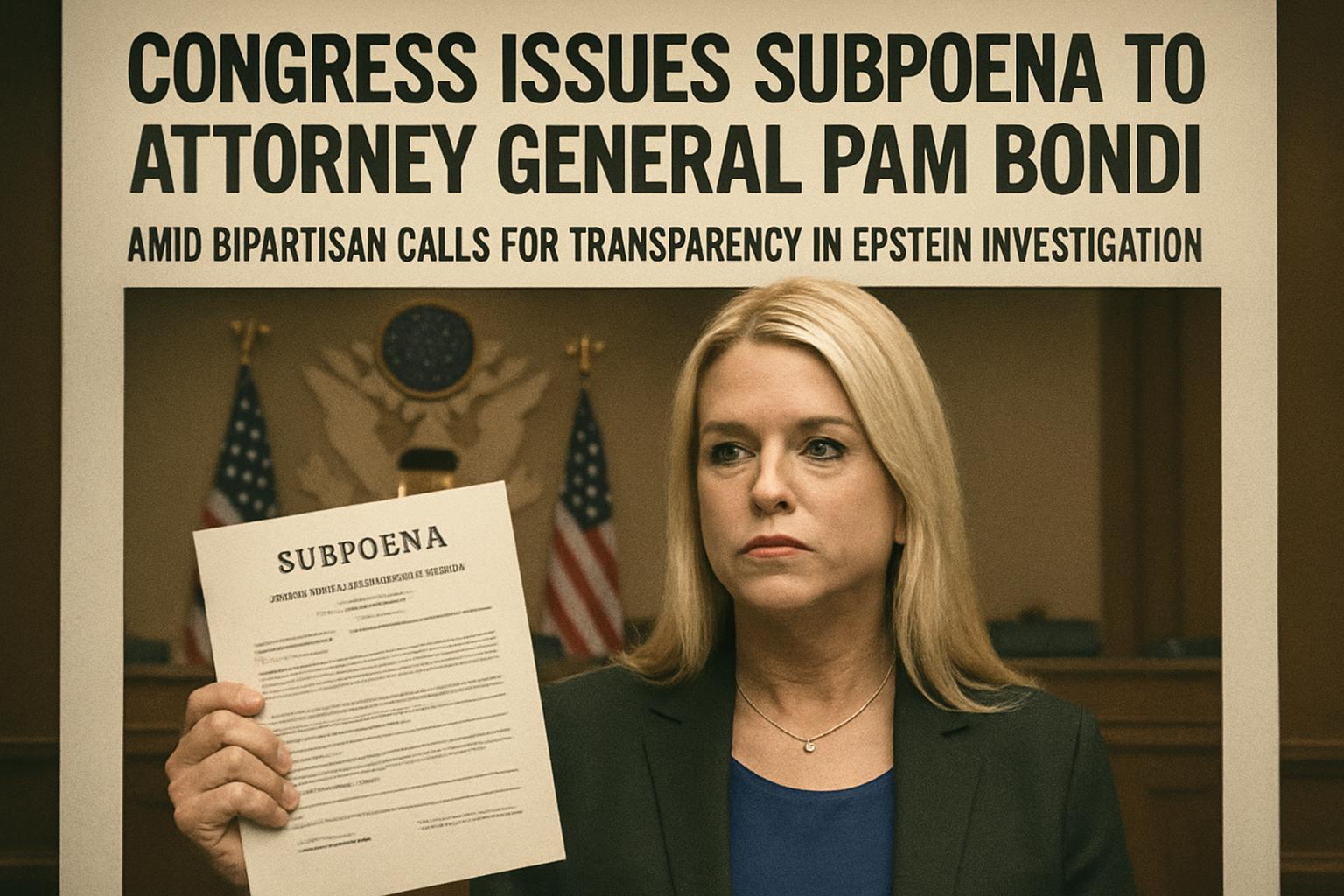
Congress Subpoenas Attorney General Bondi in Epstein Investigation
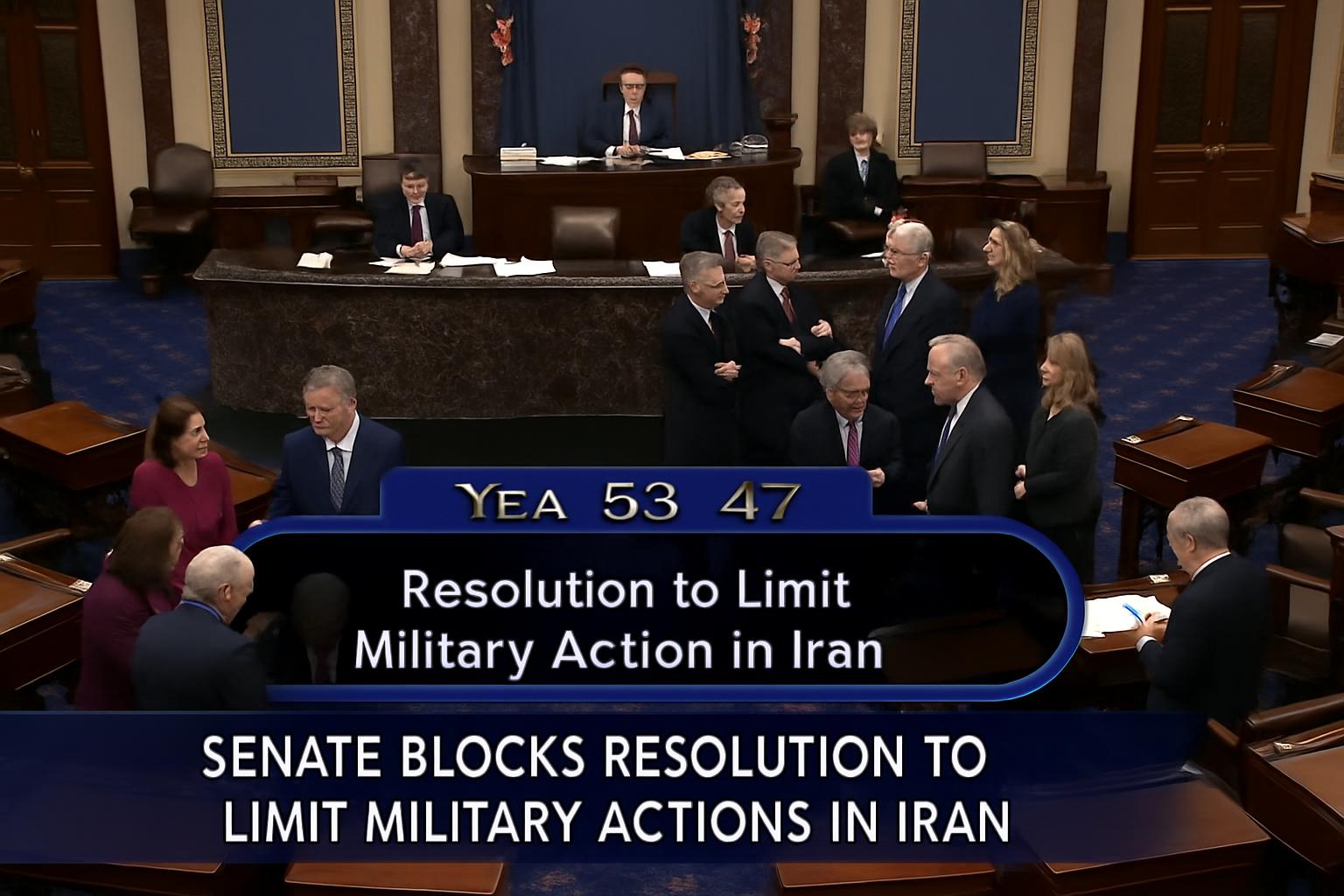
Senate Blocks Resolution to Limit Trump's Military Actions in Iran

Tech Giants Pledge to Cover AI Data Center Energy Costs Amid Rising Electricity Concerns
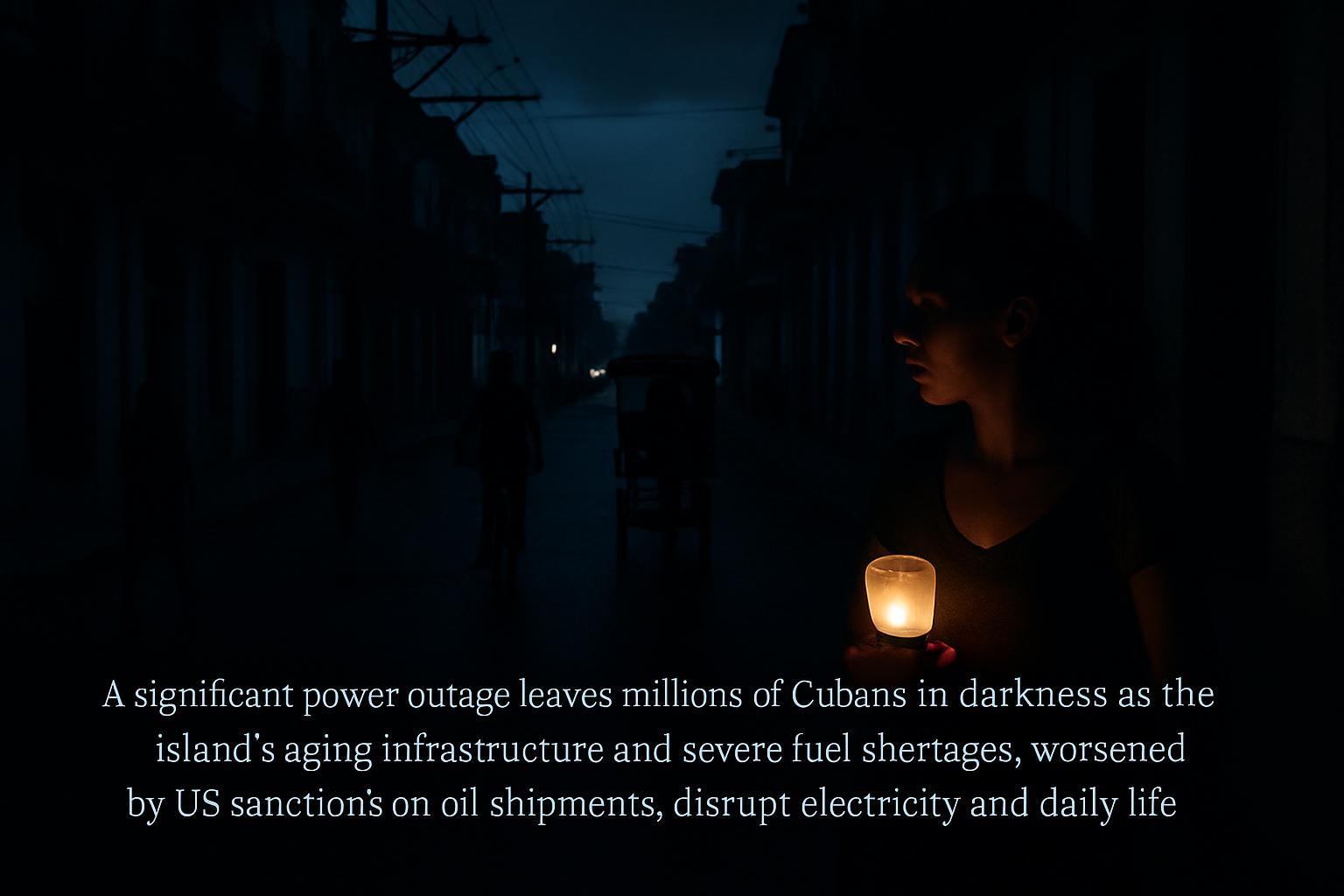
Cuba Faces Widespread Blackout Amid Deepening Fuel Crisis

UK Faces Dilemmas Amid Iran Conflict and China Spying Allegations
UK-Iran Tensions: Starmer Defends Cautious Approach Amid Trump Criticism
Trump Issues Symbolic Pardons to Giuliani and Others Over 2020 Election Plot
In This Article
 Alex Carter| Published
 HIGHLIGHTS
- Former President Donald Trump issued pardons to Rudy Giuliani, Mark Meadows, and others involved in efforts to overturn the 2020 election results.
- The pardons are symbolic, as they apply only to federal crimes, while the individuals face state-level charges.
- Trump's clemency extends to 77 individuals, including lawyers Sidney Powell and Jenna Ellis, who were involved in the fake electors scheme.
- The pardons do not apply to Trump himself, though he has claimed the power to pardon himself.
- Legal challenges and investigations against Trump allies continue in states like Georgia and Michigan.
In a controversial move, former President Donald Trump has granted pardons to Rudy Giuliani, Mark Meadows, and several others implicated in efforts to overturn the 2020 presidential election. The clemency, announced over the weekend, is largely symbolic as it pertains only to federal offenses, while the individuals continue to face legal challenges at the state level.
Federal Clemency Amid State-Level Charges
The pardons, announced by US pardon attorney Ed Martin, cover 77 individuals, including prominent figures such as Giuliani, Trump's former personal lawyer, and Meadows, his former White House chief of staff. These individuals were accused of orchestrating a scheme to install fake Republican electors in key battleground states, falsely declaring Trump as the winner over Joe Biden. Despite the federal pardons, state-level prosecutions remain a significant hurdle for those involved.
High-Profile Figures Among Those Pardoned
Alongside Giuliani and Meadows, former Trump lawyers Sidney Powell and Jenna Ellis were also pardoned. Powell had previously claimed that electronic voting systems were manipulated to favor Biden, allegations that distanced her from Trump's legal team. Giuliani, who declared bankruptcy after being found liable for spreading falsehoods about Georgia election workers, expressed gratitude for the pardon, stating it highlighted the "unjust attacks" he faced.
Pardons Exclude Trump Amid Ongoing Legal Battles
Notably, the pardons do not extend to Trump himself, although he has long asserted his ability to self-pardon—a claim that would likely face legal scrutiny. The clemency follows Trump's earlier pardons of over 1,500 individuals involved in the January 6 Capitol riot. Legal proceedings against Trump allies continue in states like Georgia and Michigan, where cases have stalled or collapsed.
WHAT THIS MIGHT MEAN
The issuance of these pardons by Trump could further polarize the political landscape, potentially impacting ongoing state-level investigations. Legal experts suggest that while the pardons may offer temporary relief to those involved, they do not shield them from state prosecutions, which could lead to significant legal battles ahead. The move also raises questions about the limits of presidential pardon power and its implications for future administrations. As these cases unfold, the legal and political ramifications will likely continue to shape the discourse around election integrity and accountability.
Related Articles
Congress Subpoenas Attorney General Bondi in Epstein Investigation
Senate Blocks Resolution to Limit Trump's Military Actions in Iran
Tech Giants Pledge to Cover AI Data Center Energy Costs Amid Rising Electricity Concerns
Cuba Faces Widespread Blackout Amid Deepening Fuel Crisis
UK Faces Dilemmas Amid Iran Conflict and China Spying Allegations
UK-Iran Tensions: Starmer Defends Cautious Approach Amid Trump Criticism