
Trump-Putin Summit in Alaska Yields No Ceasefire, But Boosts Putin's Image
In This Article
HIGHLIGHTS
- The Trump-Putin summit in Alaska ended without a ceasefire agreement in the Ukraine conflict, despite initial hopes for progress.
- The meeting marked a significant PR win for Vladimir Putin, who was warmly received on US soil, a stark contrast to his pariah status in the West.
- Putin's invitation to Trump for a future meeting in Moscow highlighted the Russian leader's dominant role in the summit.
- The leaders' discussions were described as a "reference point" for potential future diplomatic and economic ties, but no concrete agreements were reached.
- The summit was characterized by its lack of substance, with no questions taken from reporters and limited details shared about the discussions.
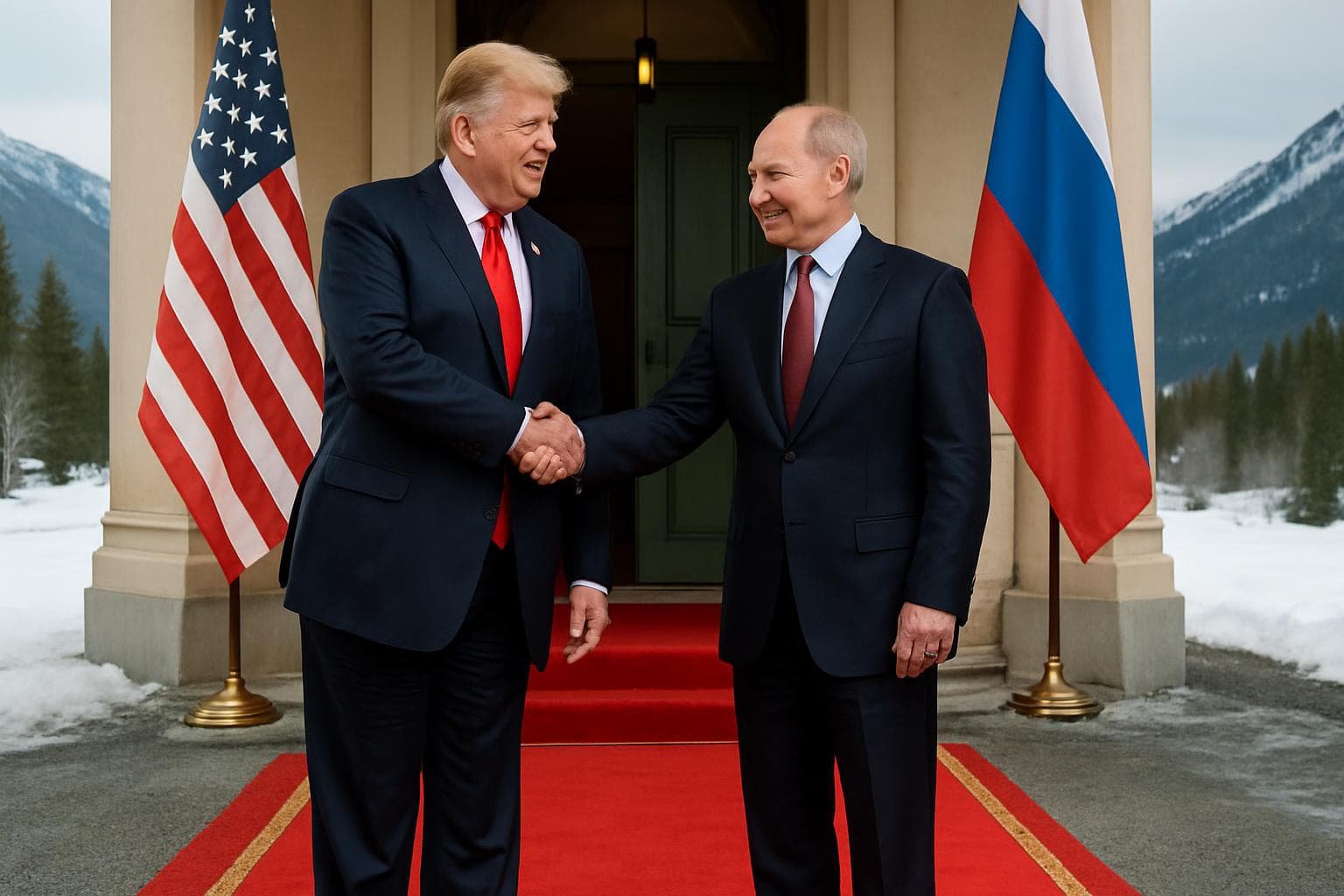
The much-anticipated summit between US President Donald Trump and Russian President Vladimir Putin in Alaska concluded without a ceasefire agreement in the ongoing Ukraine conflict. Despite the absence of a concrete deal, the meeting served as a significant public relations victory for Putin, who was warmly welcomed on US soil, a stark contrast to his recent status as a pariah in the West.
A Warm Welcome Amidst Geopolitical Tensions
The summit, held at Joint Base Elmendorf-Richardson, marked Putin's first visit to the United States since the full-scale invasion of Ukraine in 2022. The Russian leader's arrival was met with a red carpet reception, and he was even offered a ride in Trump's armored limousine, a gesture that underscored the cordial atmosphere of the meeting. This reception was a notable shift for Putin, who has been largely isolated by Western nations due to his actions in Ukraine.
No Ceasefire, But Talks of Future Relations
While the summit was initially billed as a potential turning point in the Ukraine conflict, it ended with no ceasefire agreement. Trump acknowledged the lack of a deal, stating, "There's no deal until there's a deal," while Putin described the talks as a "reference point" for future diplomatic and economic relations between Washington and Moscow. The leaders' statements were delivered in a brief press conference where no questions were taken from reporters, leaving many details of their discussions undisclosed.
Putin's Dominant Presence
Putin's presence at the summit was marked by a break from convention, as he was allowed to speak first during the press conference, setting the tone for the event. His invitation to Trump for a future meeting in Moscow further highlighted his dominant role in the proceedings. Trump, while effusive in his praise for Putin, admitted that such a meeting would generate "a little heat" back home but did not rule it out.
WHAT THIS MIGHT MEAN
The Alaska summit, while lacking in substantive outcomes, has set the stage for potential future engagements between the US and Russia. The absence of a ceasefire agreement means that the Ukraine conflict remains unresolved, with geopolitical tensions continuing to simmer. Experts suggest that the meeting may have been more about optics than substance, serving to bolster Putin's image on the international stage.
Looking ahead, the possibility of a future summit in Moscow could further complicate US domestic politics, particularly given the contentious nature of US-Russia relations. The lack of progress on key issues such as Ukraine and NATO expansion suggests that any future negotiations will require careful diplomatic maneuvering. As the international community watches closely, the outcomes of these high-stakes diplomatic talks remain uncertain.
Related Articles
Russian LNG Tanker Sinks in Mediterranean Amid Accusations of Ukrainian Drone Attack
Senate Blocks Resolution to Limit Trump's Military Actions in Iran
Spain's Sánchez Stands Firm Against Trump's Trade Threat Over Iran Stance

US-Iran Tensions Escalate Amid Renewed Nuclear Talks and Protests

Greenland Politely Declines Trump's Hospital Ship Offer Amid Healthcare Debate

Congress Subpoenas Attorney General Bondi in Epstein Investigation
Trump-Putin Summit in Alaska Yields No Ceasefire, But Boosts Putin's Image
In This Article
 Ethan Brooks| Published
 HIGHLIGHTS
- The Trump-Putin summit in Alaska ended without a ceasefire agreement in the Ukraine conflict, despite initial hopes for progress.
- The meeting marked a significant PR win for Vladimir Putin, who was warmly received on US soil, a stark contrast to his pariah status in the West.
- Putin's invitation to Trump for a future meeting in Moscow highlighted the Russian leader's dominant role in the summit.
- The leaders' discussions were described as a "reference point" for potential future diplomatic and economic ties, but no concrete agreements were reached.
- The summit was characterized by its lack of substance, with no questions taken from reporters and limited details shared about the discussions.
The much-anticipated summit between US President Donald Trump and Russian President Vladimir Putin in Alaska concluded without a ceasefire agreement in the ongoing Ukraine conflict. Despite the absence of a concrete deal, the meeting served as a significant public relations victory for Putin, who was warmly welcomed on US soil, a stark contrast to his recent status as a pariah in the West.
A Warm Welcome Amidst Geopolitical Tensions
The summit, held at Joint Base Elmendorf-Richardson, marked Putin's first visit to the United States since the full-scale invasion of Ukraine in 2022. The Russian leader's arrival was met with a red carpet reception, and he was even offered a ride in Trump's armored limousine, a gesture that underscored the cordial atmosphere of the meeting. This reception was a notable shift for Putin, who has been largely isolated by Western nations due to his actions in Ukraine.
No Ceasefire, But Talks of Future Relations
While the summit was initially billed as a potential turning point in the Ukraine conflict, it ended with no ceasefire agreement. Trump acknowledged the lack of a deal, stating, "There's no deal until there's a deal," while Putin described the talks as a "reference point" for future diplomatic and economic relations between Washington and Moscow. The leaders' statements were delivered in a brief press conference where no questions were taken from reporters, leaving many details of their discussions undisclosed.
Putin's Dominant Presence
Putin's presence at the summit was marked by a break from convention, as he was allowed to speak first during the press conference, setting the tone for the event. His invitation to Trump for a future meeting in Moscow further highlighted his dominant role in the proceedings. Trump, while effusive in his praise for Putin, admitted that such a meeting would generate "a little heat" back home but did not rule it out.
WHAT THIS MIGHT MEAN
The Alaska summit, while lacking in substantive outcomes, has set the stage for potential future engagements between the US and Russia. The absence of a ceasefire agreement means that the Ukraine conflict remains unresolved, with geopolitical tensions continuing to simmer. Experts suggest that the meeting may have been more about optics than substance, serving to bolster Putin's image on the international stage.
Looking ahead, the possibility of a future summit in Moscow could further complicate US domestic politics, particularly given the contentious nature of US-Russia relations. The lack of progress on key issues such as Ukraine and NATO expansion suggests that any future negotiations will require careful diplomatic maneuvering. As the international community watches closely, the outcomes of these high-stakes diplomatic talks remain uncertain.
Related Articles
Russian LNG Tanker Sinks in Mediterranean Amid Accusations of Ukrainian Drone Attack
Senate Blocks Resolution to Limit Trump's Military Actions in Iran
Spain's Sánchez Stands Firm Against Trump's Trade Threat Over Iran Stance
US-Iran Tensions Escalate Amid Renewed Nuclear Talks and Protests
Greenland Politely Declines Trump's Hospital Ship Offer Amid Healthcare Debate
Congress Subpoenas Attorney General Bondi in Epstein Investigation