
No Ceasefire Deal Reached at Trump-Putin Summit in Alaska
In This Article
HIGHLIGHTS
- The Trump-Putin summit in Alaska ended without a ceasefire agreement for Ukraine, leaving many questions unanswered.
- Both leaders claimed "great progress" but provided no concrete details or timeline for future talks.
- Trump suggested a future meeting involving Ukrainian President Volodymyr Zelensky, but no date was set.
- Putin emphasized resolving "root causes" of the conflict, including Ukraine's NATO ambitions.
- Trump's deferential stance towards Putin raised concerns among European allies and Ukrainian officials.
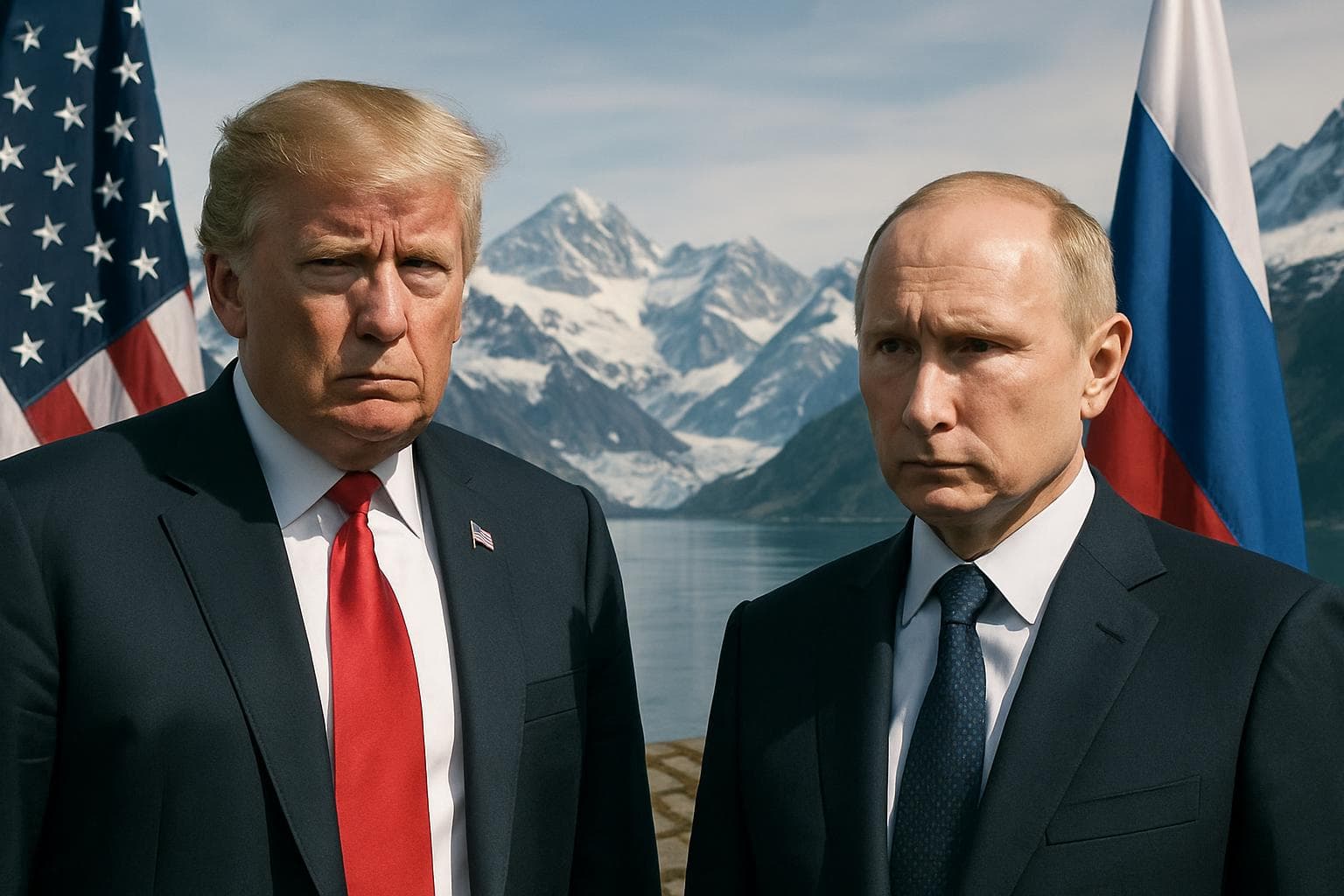
The much-anticipated summit between US President Donald Trump and Russian President Vladimir Putin concluded in Alaska without a ceasefire agreement for the ongoing conflict in Ukraine. Despite nearly three hours of discussions, the leaders left without taking questions, offering only vague assurances of "great progress."
Summit Outcomes and Statements
During a joint press conference, Trump and Putin praised each other's efforts but failed to provide specifics on any agreements reached. Trump remarked, "There's no deal until there's a deal," acknowledging the absence of a concrete resolution. He suggested that the responsibility now lies with Ukrainian President Volodymyr Zelensky to advance negotiations, hinting at a potential future meeting involving all three leaders.
Putin, speaking through an interpreter, highlighted the need to address the "root causes" of the conflict, which he has previously linked to Ukraine's NATO aspirations and internal political dynamics. He urged European nations to refrain from undermining the diplomatic process.
Reactions and Implications
The summit's lack of tangible outcomes has sparked concern among European allies and Ukrainian officials. Trump's deferential demeanor towards Putin, including allowing him to ride in the presidential limousine, has been noted as a potential diplomatic misstep. The absence of a clear path forward raises questions about the effectiveness of US-Russia relations in resolving the Ukraine crisis.
Future Prospects and Challenges
As the summit concluded, Trump hinted at the possibility of imposing new sanctions on Russia if progress towards a ceasefire is not made. However, his non-committal timeline of "maybe in two weeks, three weeks" leaves room for speculation. The international community remains watchful, as the geopolitical stakes continue to rise.
WHAT THIS MIGHT MEAN
The failure to secure a ceasefire at the Alaska summit leaves the door open for further diplomatic efforts, but also heightens tensions in the region. Should Trump decide to impose new sanctions on Russia, it could strain US-Russia relations further, complicating future negotiations. Experts suggest that the involvement of European allies and a more active role for President Zelensky could be pivotal in breaking the current deadlock. As the situation evolves, the international community will be closely monitoring any developments that could shift the balance in this complex geopolitical landscape.
Related Articles
Russian LNG Tanker Sinks in Mediterranean Amid Accusations of Ukrainian Drone Attack
Spain's Sánchez Stands Firm Against Trump's Trade Threat Over Iran Stance
Senate Blocks Resolution to Limit Trump's Military Actions in Iran
UK-Iran Tensions: Starmer Defends Cautious Approach Amid Trump Criticism

US-Iran Tensions Escalate Amid Renewed Nuclear Talks and Protests

Greenland Politely Declines Trump's Hospital Ship Offer Amid Healthcare Debate
No Ceasefire Deal Reached at Trump-Putin Summit in Alaska
In This Article
 Ethan Brooks| Published
 HIGHLIGHTS
- The Trump-Putin summit in Alaska ended without a ceasefire agreement for Ukraine, leaving many questions unanswered.
- Both leaders claimed "great progress" but provided no concrete details or timeline for future talks.
- Trump suggested a future meeting involving Ukrainian President Volodymyr Zelensky, but no date was set.
- Putin emphasized resolving "root causes" of the conflict, including Ukraine's NATO ambitions.
- Trump's deferential stance towards Putin raised concerns among European allies and Ukrainian officials.
The much-anticipated summit between US President Donald Trump and Russian President Vladimir Putin concluded in Alaska without a ceasefire agreement for the ongoing conflict in Ukraine. Despite nearly three hours of discussions, the leaders left without taking questions, offering only vague assurances of "great progress."
Summit Outcomes and Statements
During a joint press conference, Trump and Putin praised each other's efforts but failed to provide specifics on any agreements reached. Trump remarked, "There's no deal until there's a deal," acknowledging the absence of a concrete resolution. He suggested that the responsibility now lies with Ukrainian President Volodymyr Zelensky to advance negotiations, hinting at a potential future meeting involving all three leaders.
Putin, speaking through an interpreter, highlighted the need to address the "root causes" of the conflict, which he has previously linked to Ukraine's NATO aspirations and internal political dynamics. He urged European nations to refrain from undermining the diplomatic process.
Reactions and Implications
The summit's lack of tangible outcomes has sparked concern among European allies and Ukrainian officials. Trump's deferential demeanor towards Putin, including allowing him to ride in the presidential limousine, has been noted as a potential diplomatic misstep. The absence of a clear path forward raises questions about the effectiveness of US-Russia relations in resolving the Ukraine crisis.
Future Prospects and Challenges
As the summit concluded, Trump hinted at the possibility of imposing new sanctions on Russia if progress towards a ceasefire is not made. However, his non-committal timeline of "maybe in two weeks, three weeks" leaves room for speculation. The international community remains watchful, as the geopolitical stakes continue to rise.
WHAT THIS MIGHT MEAN
The failure to secure a ceasefire at the Alaska summit leaves the door open for further diplomatic efforts, but also heightens tensions in the region. Should Trump decide to impose new sanctions on Russia, it could strain US-Russia relations further, complicating future negotiations. Experts suggest that the involvement of European allies and a more active role for President Zelensky could be pivotal in breaking the current deadlock. As the situation evolves, the international community will be closely monitoring any developments that could shift the balance in this complex geopolitical landscape.
Related Articles
Russian LNG Tanker Sinks in Mediterranean Amid Accusations of Ukrainian Drone Attack
Spain's Sánchez Stands Firm Against Trump's Trade Threat Over Iran Stance
Senate Blocks Resolution to Limit Trump's Military Actions in Iran
UK-Iran Tensions: Starmer Defends Cautious Approach Amid Trump Criticism
US-Iran Tensions Escalate Amid Renewed Nuclear Talks and Protests
Greenland Politely Declines Trump's Hospital Ship Offer Amid Healthcare Debate