
Tensions Rise as Trump Revives Greenland Acquisition Proposal
In This Article
HIGHLIGHTS
- US President Donald Trump has reignited interest in acquiring Greenland, citing national security concerns over Russia and China.
- Greenland's leaders and Denmark firmly oppose the US acquisition, emphasizing Greenland's autonomy and right to self-determination.
- Trump suggests the US might use force if necessary, raising tensions with NATO allies and Greenland's residents.
- Greenlanders overwhelmingly reject US ownership, with 85% favoring independence from Denmark.
- European leaders support Denmark and Greenland, stressing that any decision about Greenland's future should be made by its people.
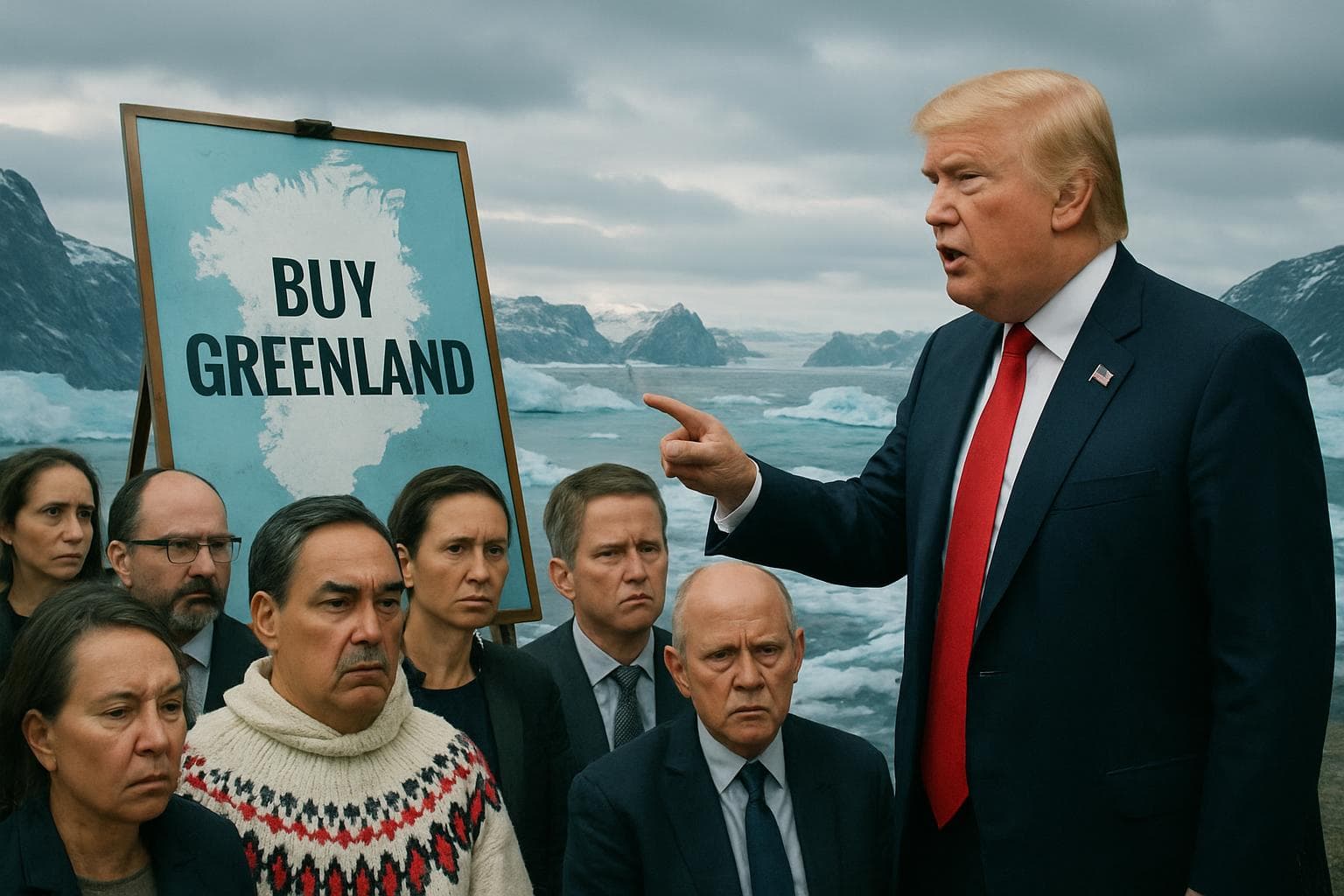
The geopolitical landscape surrounding Greenland has become increasingly tense as US President Donald Trump renews efforts to acquire the Arctic territory, citing national security concerns. Trump's proposal, which he claims is necessary to prevent Russian and Chinese influence, has been met with strong opposition from both Greenland and Denmark.
Greenland's Strategic Importance
Greenland, a semi-autonomous territory of Denmark, is strategically located between North America and the Arctic, making it a key point for early warning systems and regional monitoring. Despite its sparse population of 57,000, mostly indigenous Inuit, the island's vast natural resources and strategic position have attracted international interest.
Local and International Opposition
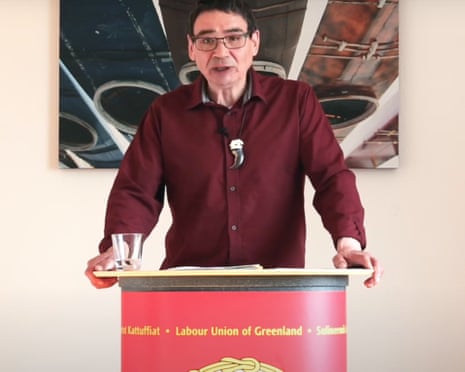
Greenlandic leaders, including Jess Berthelsen, chair of the national trade union confederation SIK, have dismissed Trump's claims of foreign military presence in their waters. "We can't see it, we can't recognize it," Berthelsen stated, emphasizing Greenland's autonomy and the desire for independence. A recent poll indicates that 85% of Greenlanders oppose US ownership, with many favoring independence from Denmark.
Denmark and Greenland have reiterated that the territory is not for sale, warning that any military action by the US could jeopardize the trans-Atlantic defense alliance. European leaders, including UK Prime Minister Keir Starmer and French President Emmanuel Macron, have expressed support for Denmark and Greenland, underscoring the importance of respecting sovereignty and territorial integrity.
US Military Presence and Security Concerns
The US currently maintains a military presence at the Pituffik base in Greenland, a legacy of World War II agreements. Trump argues that ownership, rather than leasing, is essential for national security, suggesting that the US might intervene "the easy way or the hard way."
Greenland's Call for Self-Determination
Greenlanders are calling for greater autonomy in their domestic and foreign affairs, with many expressing frustration over external pressures. Pipaluk Lynge-Rasmussen, co-chair of Greenland's foreign affairs committee, emphasized the importance of self-determination: "We have always lived a quiet and peaceful life here."
WHAT THIS MIGHT MEAN
The ongoing tensions over Greenland could have significant implications for international relations, particularly within NATO. If the US pursues aggressive measures, it risks alienating key allies and destabilizing the region. Experts suggest that diplomatic negotiations respecting Greenland's autonomy and addressing security concerns collaboratively could prevent escalation. As Greenland continues to assert its desire for independence, the international community may need to navigate complex geopolitical dynamics to ensure stability and respect for self-determination.
Images from the Web
Related Articles

UK Faces Dilemmas Amid Iran Conflict and China Spying Allegations
UK-Iran Tensions: Starmer Defends Cautious Approach Amid Trump Criticism

Labour MP's Husband Arrested in UK-China Espionage Probe
Spain's Sánchez Stands Firm Against Trump's Trade Threat Over Iran Stance
Diplomatic Tensions Rise as Trump Criticizes Starmer's Iran Policy
US Supreme Court Ruling Sparks Trade Uncertainty in Asia and Beyond
Tensions Rise as Trump Revives Greenland Acquisition Proposal
In This Article
HIGHLIGHTS
- US President Donald Trump has reignited interest in acquiring Greenland, citing national security concerns over Russia and China.
- Greenland's leaders and Denmark firmly oppose the US acquisition, emphasizing Greenland's autonomy and right to self-determination.
- Trump suggests the US might use force if necessary, raising tensions with NATO allies and Greenland's residents.
- Greenlanders overwhelmingly reject US ownership, with 85% favoring independence from Denmark.
- European leaders support Denmark and Greenland, stressing that any decision about Greenland's future should be made by its people.
The geopolitical landscape surrounding Greenland has become increasingly tense as US President Donald Trump renews efforts to acquire the Arctic territory, citing national security concerns. Trump's proposal, which he claims is necessary to prevent Russian and Chinese influence, has been met with strong opposition from both Greenland and Denmark.
Greenland's Strategic Importance
Greenland, a semi-autonomous territory of Denmark, is strategically located between North America and the Arctic, making it a key point for early warning systems and regional monitoring. Despite its sparse population of 57,000, mostly indigenous Inuit, the island's vast natural resources and strategic position have attracted international interest.
Local and International Opposition
Greenlandic leaders, including Jess Berthelsen, chair of the national trade union confederation SIK, have dismissed Trump's claims of foreign military presence in their waters. "We can't see it, we can't recognize it," Berthelsen stated, emphasizing Greenland's autonomy and the desire for independence. A recent poll indicates that 85% of Greenlanders oppose US ownership, with many favoring independence from Denmark.
Denmark and Greenland have reiterated that the territory is not for sale, warning that any military action by the US could jeopardize the trans-Atlantic defense alliance. European leaders, including UK Prime Minister Keir Starmer and French President Emmanuel Macron, have expressed support for Denmark and Greenland, underscoring the importance of respecting sovereignty and territorial integrity.
US Military Presence and Security Concerns
The US currently maintains a military presence at the Pituffik base in Greenland, a legacy of World War II agreements. Trump argues that ownership, rather than leasing, is essential for national security, suggesting that the US might intervene "the easy way or the hard way."
Greenland's Call for Self-Determination
Greenlanders are calling for greater autonomy in their domestic and foreign affairs, with many expressing frustration over external pressures. Pipaluk Lynge-Rasmussen, co-chair of Greenland's foreign affairs committee, emphasized the importance of self-determination: "We have always lived a quiet and peaceful life here."
WHAT THIS MIGHT MEAN
The ongoing tensions over Greenland could have significant implications for international relations, particularly within NATO. If the US pursues aggressive measures, it risks alienating key allies and destabilizing the region. Experts suggest that diplomatic negotiations respecting Greenland's autonomy and addressing security concerns collaboratively could prevent escalation. As Greenland continues to assert its desire for independence, the international community may need to navigate complex geopolitical dynamics to ensure stability and respect for self-determination.
Images from the Web
Related Articles
UK Faces Dilemmas Amid Iran Conflict and China Spying Allegations
UK-Iran Tensions: Starmer Defends Cautious Approach Amid Trump Criticism
Labour MP's Husband Arrested in UK-China Espionage Probe
Spain's Sánchez Stands Firm Against Trump's Trade Threat Over Iran Stance
Diplomatic Tensions Rise as Trump Criticizes Starmer's Iran Policy
US Supreme Court Ruling Sparks Trade Uncertainty in Asia and Beyond