
Trump Administration to Roll Back Biden-Era Fuel Economy Standards
In This Article
HIGHLIGHTS
- The Trump administration plans to roll back Biden-era fuel economy standards, reducing the target from 50 to 34.5 miles per gallon by 2031.
- The move is part of a broader effort to dismantle regulations supporting cleaner vehicles and renewable energy.
- Environmental groups warn that the rollback could increase greenhouse gas emissions and fuel costs.
- Auto industry leaders, including Ford's CEO, support the change, citing alignment with consumer demand.
- The transportation sector is the largest source of greenhouse gas emissions in the US, accounting for over 28% in 2022.
In a significant policy shift, the Trump administration has announced plans to roll back fuel economy standards set during the Biden era. The proposed changes, revealed at the White House, aim to reduce the fuel efficiency target for new vehicles from 50 miles per gallon to approximately 34.5 miles per gallon by 2031. This decision marks a reversal of efforts to promote electric vehicles and combat climate change.
Policy Reversal and Industry Reaction
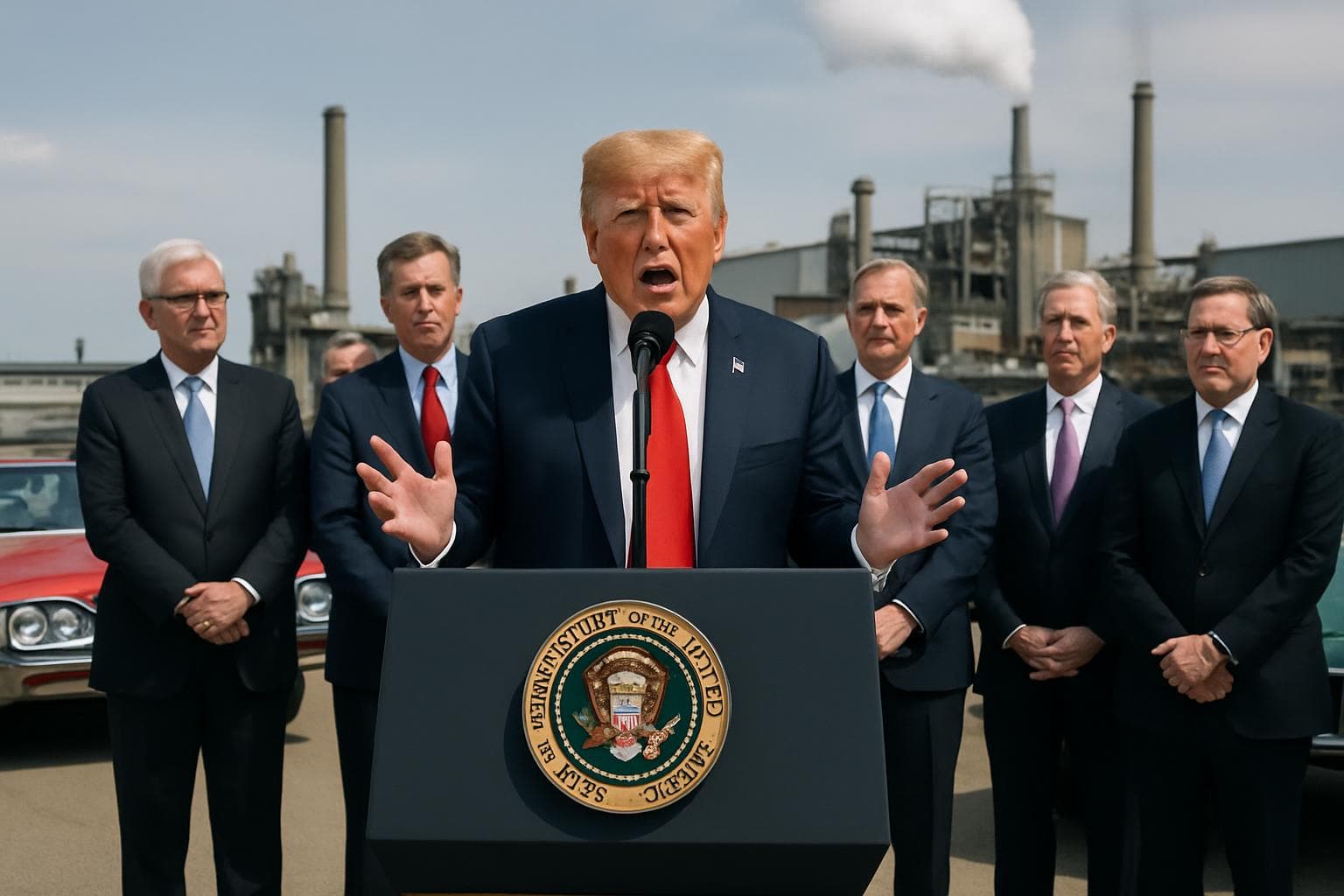
President Donald Trump, flanked by top automotive executives, declared the existing standards "burdensome" and costly for consumers. Ford CEO Jim Farley praised the rollback as a "victory of common sense," aligning with market demand. However, environmental advocates argue that the move threatens public health and the environment by potentially increasing greenhouse gas emissions.
Environmental and Economic Implications
The transportation sector remains the largest contributor to greenhouse gas emissions in the United States, responsible for over 28% of the total in 2022. The Biden administration's original standards aimed to reduce emissions by promoting electric vehicle adoption, a strategy now undercut by the proposed rollback. Critics, including the Sierra Club, warn that the changes could lead to higher fuel costs and prolonged reliance on fossil fuels.
Broader Regulatory Context
The rollback is part of a broader strategy by the Trump administration to dismantle regulations supporting cleaner energy and vehicles. This includes relaxing auto tailpipe emissions rules and repealing consumer credits for electric vehicle purchases. Trump's transportation secretary, Sean Duffy, emphasized the importance of these changes for American jobs, arguing that they would make cars more affordable and boost sales.
WHAT THIS MIGHT MEAN
The rollback of fuel economy standards could have far-reaching implications for the automotive industry and environmental policy. If implemented, the changes may slow the transition to electric vehicles, impacting efforts to address climate change. Legal challenges from environmental groups are likely, potentially delaying or altering the implementation of the new standards. Additionally, the policy shift could influence international perceptions of the US's commitment to reducing greenhouse gas emissions, affecting global climate negotiations. As the debate continues, the balance between economic interests and environmental responsibility remains a contentious issue.
Related Articles

Tech Giants Pledge to Cover AI Data Center Energy Costs Amid Rising Electricity Concerns
China Sets Lowest GDP Growth Target in Decades Amid Economic Challenges
Trump's New Tariff Strategy Sparks Global Trade Uncertainty

Cuba Faces Widespread Blackout Amid Deepening Fuel Crisis

UK Faces Dilemmas Amid Iran Conflict and China Spying Allegations

Spain's Sánchez Stands Firm Against Trump's Trade Threat Over Iran Stance
Trump Administration to Roll Back Biden-Era Fuel Economy Standards
In This Article
 Daniel Rivera| Published
 HIGHLIGHTS
- The Trump administration plans to roll back Biden-era fuel economy standards, reducing the target from 50 to 34.5 miles per gallon by 2031.
- The move is part of a broader effort to dismantle regulations supporting cleaner vehicles and renewable energy.
- Environmental groups warn that the rollback could increase greenhouse gas emissions and fuel costs.
- Auto industry leaders, including Ford's CEO, support the change, citing alignment with consumer demand.
- The transportation sector is the largest source of greenhouse gas emissions in the US, accounting for over 28% in 2022.
In a significant policy shift, the Trump administration has announced plans to roll back fuel economy standards set during the Biden era. The proposed changes, revealed at the White House, aim to reduce the fuel efficiency target for new vehicles from 50 miles per gallon to approximately 34.5 miles per gallon by 2031. This decision marks a reversal of efforts to promote electric vehicles and combat climate change.
Policy Reversal and Industry Reaction
President Donald Trump, flanked by top automotive executives, declared the existing standards "burdensome" and costly for consumers. Ford CEO Jim Farley praised the rollback as a "victory of common sense," aligning with market demand. However, environmental advocates argue that the move threatens public health and the environment by potentially increasing greenhouse gas emissions.
Environmental and Economic Implications
The transportation sector remains the largest contributor to greenhouse gas emissions in the United States, responsible for over 28% of the total in 2022. The Biden administration's original standards aimed to reduce emissions by promoting electric vehicle adoption, a strategy now undercut by the proposed rollback. Critics, including the Sierra Club, warn that the changes could lead to higher fuel costs and prolonged reliance on fossil fuels.
Broader Regulatory Context
The rollback is part of a broader strategy by the Trump administration to dismantle regulations supporting cleaner energy and vehicles. This includes relaxing auto tailpipe emissions rules and repealing consumer credits for electric vehicle purchases. Trump's transportation secretary, Sean Duffy, emphasized the importance of these changes for American jobs, arguing that they would make cars more affordable and boost sales.
WHAT THIS MIGHT MEAN
The rollback of fuel economy standards could have far-reaching implications for the automotive industry and environmental policy. If implemented, the changes may slow the transition to electric vehicles, impacting efforts to address climate change. Legal challenges from environmental groups are likely, potentially delaying or altering the implementation of the new standards. Additionally, the policy shift could influence international perceptions of the US's commitment to reducing greenhouse gas emissions, affecting global climate negotiations. As the debate continues, the balance between economic interests and environmental responsibility remains a contentious issue.
Related Articles
Tech Giants Pledge to Cover AI Data Center Energy Costs Amid Rising Electricity Concerns
China Sets Lowest GDP Growth Target in Decades Amid Economic Challenges
Trump's New Tariff Strategy Sparks Global Trade Uncertainty
Cuba Faces Widespread Blackout Amid Deepening Fuel Crisis
UK Faces Dilemmas Amid Iran Conflict and China Spying Allegations
Spain's Sánchez Stands Firm Against Trump's Trade Threat Over Iran Stance