
Trump Blocks Israeli Plan to Assassinate Iran's Supreme Leader Amid Escalating Tensions
In This Article
HIGHLIGHTS
- Former President Trump reportedly vetoed an Israeli plan to assassinate Iran's Supreme Leader Ayatollah Ali Khamenei, according to US officials.
- Israel and Iran have been engaged in escalating military strikes, with attacks continuing into a third day.
- Trump expressed hope for a ceasefire between Israel and Iran, suggesting a deal could be reached similar to past negotiations between India and Pakistan.
- US-Iran nuclear talks, initially scheduled for Sunday, were canceled due to ongoing hostilities.
- European leaders at the G7 summit are pressing Trump for clarity on his strategy regarding the Israel-Iran conflict.
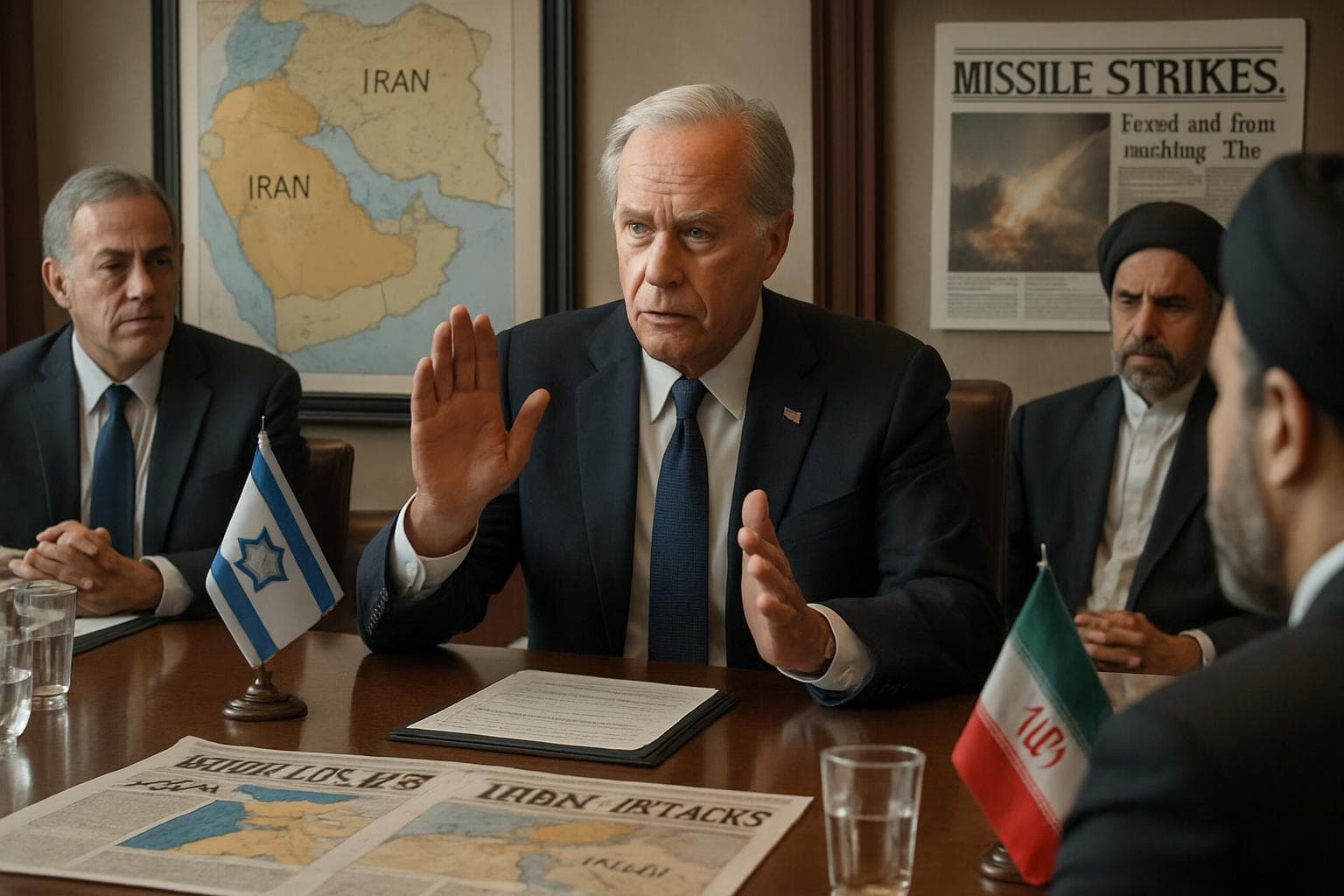
Former US President Donald Trump reportedly intervened to prevent an Israeli plan to assassinate Iran's Supreme Leader Ayatollah Ali Khamenei, according to multiple US officials. The revelation comes amid a surge in hostilities between Israel and Iran, with both nations exchanging heavy missile fire over recent days.
Escalating Conflict in the Middle East
The conflict, which has seen Israel launch significant attacks on Iranian nuclear infrastructure, has entered its third day. Despite the intensity of the strikes, Trump is said to have advised Israeli Prime Minister Benjamin Netanyahu against targeting Khamenei, labeling it "not a good idea." While Netanyahu has neither confirmed nor denied these reports, he emphasized Israel's focus on military rather than political targets.
Diplomatic Efforts and Canceled Talks
The ongoing violence has disrupted diplomatic efforts, notably leading to the cancellation of US-Iran nuclear talks that were set to occur in Oman. Iran has communicated through intermediaries that it is unwilling to negotiate a ceasefire while under attack. Trump, however, remains optimistic about brokering peace, drawing parallels to his previous diplomatic successes in other regions.
International Pressure at the G7 Summit
As Trump attends the G7 summit in Canada, European leaders are seeking a definitive stance on his approach to the Israel-Iran conflict. They are particularly interested in whether he will leverage his influence over Netanyahu to de-escalate tensions. Trump has maintained that a deal is possible, though he has also suggested that sometimes conflicts must "play out."
WHAT THIS MIGHT MEAN
The situation in the Middle East remains volatile, with the potential for further escalation if diplomatic channels remain closed. Trump's intervention to prevent the assassination of Khamenei indicates a preference for restraint, but the lack of progress in US-Iran nuclear talks could hinder peace efforts. European leaders' pressure at the G7 summit may push for a more coherent US strategy, potentially leading to renewed negotiations. However, the path to a ceasefire remains uncertain, with both Israel and Iran showing no signs of backing down.
Related Articles
Intensified US-Israel Strikes on Iran Spark Global Outcry
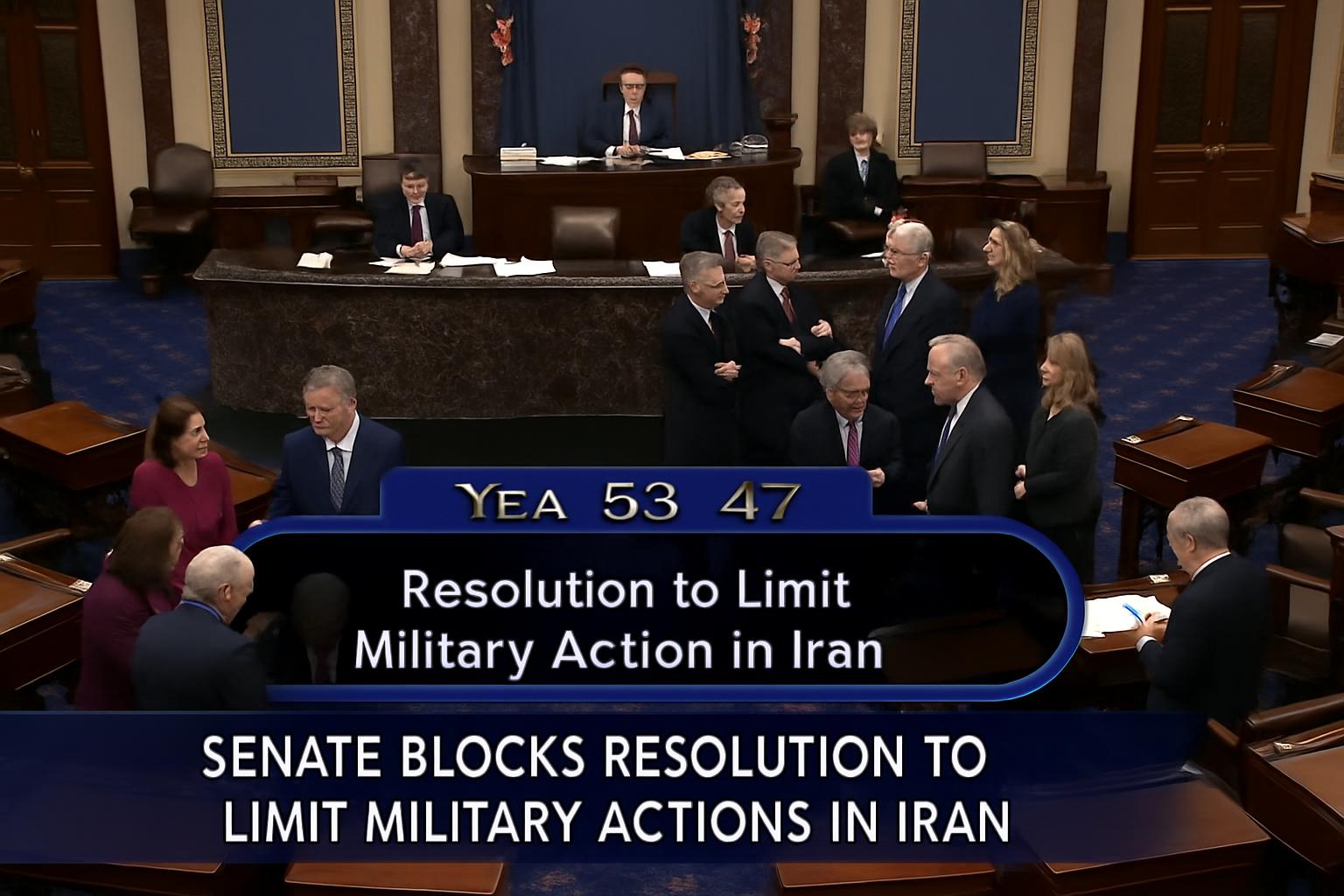
Senate Blocks Resolution to Limit Trump's Military Actions in Iran
Iran Postpones Khamenei Funeral Amid Escalating US-Israeli Strikes
US and Israel Intensify Military Campaign as Iran's Capabilities Dwindle
Spain's Sánchez Stands Firm Against Trump's Trade Threat Over Iran Stance
Canada Calls for De-escalation Amid US-Israel Strikes on Iran
Trump Blocks Israeli Plan to Assassinate Iran's Supreme Leader Amid Escalating Tensions
In This Article
 Ethan Brooks| Published
 HIGHLIGHTS
- Former President Trump reportedly vetoed an Israeli plan to assassinate Iran's Supreme Leader Ayatollah Ali Khamenei, according to US officials.
- Israel and Iran have been engaged in escalating military strikes, with attacks continuing into a third day.
- Trump expressed hope for a ceasefire between Israel and Iran, suggesting a deal could be reached similar to past negotiations between India and Pakistan.
- US-Iran nuclear talks, initially scheduled for Sunday, were canceled due to ongoing hostilities.
- European leaders at the G7 summit are pressing Trump for clarity on his strategy regarding the Israel-Iran conflict.
Former US President Donald Trump reportedly intervened to prevent an Israeli plan to assassinate Iran's Supreme Leader Ayatollah Ali Khamenei, according to multiple US officials. The revelation comes amid a surge in hostilities between Israel and Iran, with both nations exchanging heavy missile fire over recent days.
Escalating Conflict in the Middle East
The conflict, which has seen Israel launch significant attacks on Iranian nuclear infrastructure, has entered its third day. Despite the intensity of the strikes, Trump is said to have advised Israeli Prime Minister Benjamin Netanyahu against targeting Khamenei, labeling it "not a good idea." While Netanyahu has neither confirmed nor denied these reports, he emphasized Israel's focus on military rather than political targets.
Diplomatic Efforts and Canceled Talks
The ongoing violence has disrupted diplomatic efforts, notably leading to the cancellation of US-Iran nuclear talks that were set to occur in Oman. Iran has communicated through intermediaries that it is unwilling to negotiate a ceasefire while under attack. Trump, however, remains optimistic about brokering peace, drawing parallels to his previous diplomatic successes in other regions.
International Pressure at the G7 Summit
As Trump attends the G7 summit in Canada, European leaders are seeking a definitive stance on his approach to the Israel-Iran conflict. They are particularly interested in whether he will leverage his influence over Netanyahu to de-escalate tensions. Trump has maintained that a deal is possible, though he has also suggested that sometimes conflicts must "play out."
WHAT THIS MIGHT MEAN
The situation in the Middle East remains volatile, with the potential for further escalation if diplomatic channels remain closed. Trump's intervention to prevent the assassination of Khamenei indicates a preference for restraint, but the lack of progress in US-Iran nuclear talks could hinder peace efforts. European leaders' pressure at the G7 summit may push for a more coherent US strategy, potentially leading to renewed negotiations. However, the path to a ceasefire remains uncertain, with both Israel and Iran showing no signs of backing down.
Related Articles
Intensified US-Israel Strikes on Iran Spark Global Outcry
Senate Blocks Resolution to Limit Trump's Military Actions in Iran
Iran Postpones Khamenei Funeral Amid Escalating US-Israeli Strikes
US and Israel Intensify Military Campaign as Iran's Capabilities Dwindle
Spain's Sánchez Stands Firm Against Trump's Trade Threat Over Iran Stance
Canada Calls for De-escalation Amid US-Israel Strikes on Iran