
Trump Sues JPMorgan for $5 Billion Over Alleged Political Discrimination
In This Article
HIGHLIGHTS
- Donald Trump has filed a $5 billion lawsuit against JPMorgan Chase, alleging the bank closed his accounts for political reasons following the Capitol riot.
- The lawsuit, filed in Florida, accuses JPMorgan of "debanking" Trump and his businesses, causing financial and reputational harm.
- JPMorgan denies the allegations, stating accounts are closed due to legal or regulatory risks, not political beliefs.
- The lawsuit highlights ongoing tensions between Trump and JPMorgan CEO Jamie Dimon, who has criticized Trump's policies.
- Trump's legal action underscores broader concerns about political discrimination in the banking sector.
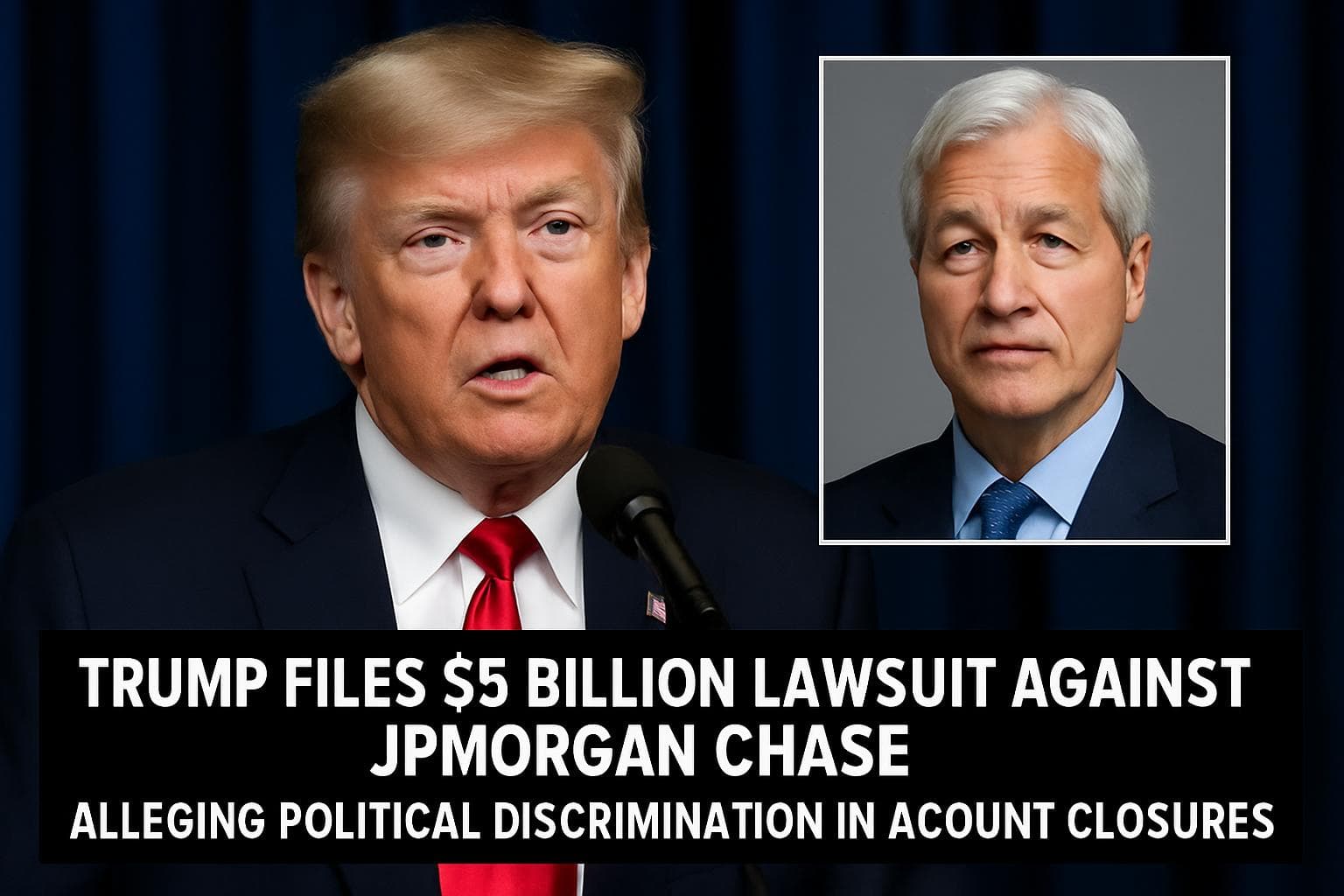
Former President Donald Trump has launched a $5 billion lawsuit against JPMorgan Chase, accusing the financial giant of closing his accounts for political reasons in the aftermath of the January 6 Capitol riot. The lawsuit, filed in Miami, claims that the bank's actions inflicted significant financial and reputational damage on Trump and his businesses.
Allegations of Political Discrimination
Trump's legal team argues that JPMorgan's decision to terminate his accounts was driven by a desire to distance itself from his conservative political views. The lawsuit describes this as part of a broader industry practice aimed at coercing public political alignment. Trump's lawyer, Alejandro Brito, who has previously represented him in defamation cases against media outlets, filed the complaint in Florida, where state law prohibits banks from discriminating against clients based on political beliefs.
JPMorgan's Defense
In response, JPMorgan Chase has dismissed the lawsuit as meritless, asserting that account closures are based on legal and regulatory considerations rather than political or religious beliefs. A spokesperson for the bank emphasized that such decisions are often compelled by regulatory expectations, not political motivations. The bank also expressed support for efforts to prevent the weaponization of the banking sector.
Ongoing Tensions with Jamie Dimon
The lawsuit further intensifies the strained relationship between Trump and JPMorgan CEO Jamie Dimon. Dimon, who received a $43 million compensation package last year, has been vocal in his criticism of Trump's policies, including proposals to cap credit card rates and immigration stances. Despite the legal battle, Dimon remains a prominent figure in the financial world, known for his leadership and influence in Washington.
Broader Implications for the Banking Sector
Trump's lawsuit brings attention to the contentious issue of "debanking," where financial institutions allegedly discriminate against clients based on their political affiliations. This practice has been a focal point for Trump, who has called for a review of banking activities and criticized major banks for their handling of accounts linked to politically sensitive sectors.
WHAT THIS MIGHT MEAN
The outcome of Trump's lawsuit against JPMorgan could have significant implications for the banking industry, particularly concerning the regulation of account closures based on political beliefs. If the court rules in Trump's favor, it may prompt stricter oversight and clearer guidelines to prevent political discrimination in financial services. Conversely, a ruling in favor of JPMorgan could reinforce the bank's stance on regulatory compliance as a justification for account closures. As the case unfolds, it may also influence public discourse on the intersection of politics and financial services, potentially leading to legislative changes aimed at safeguarding clients' rights regardless of their political views.
Related Articles
Congress Subpoenas Attorney General Bondi in Epstein Investigation
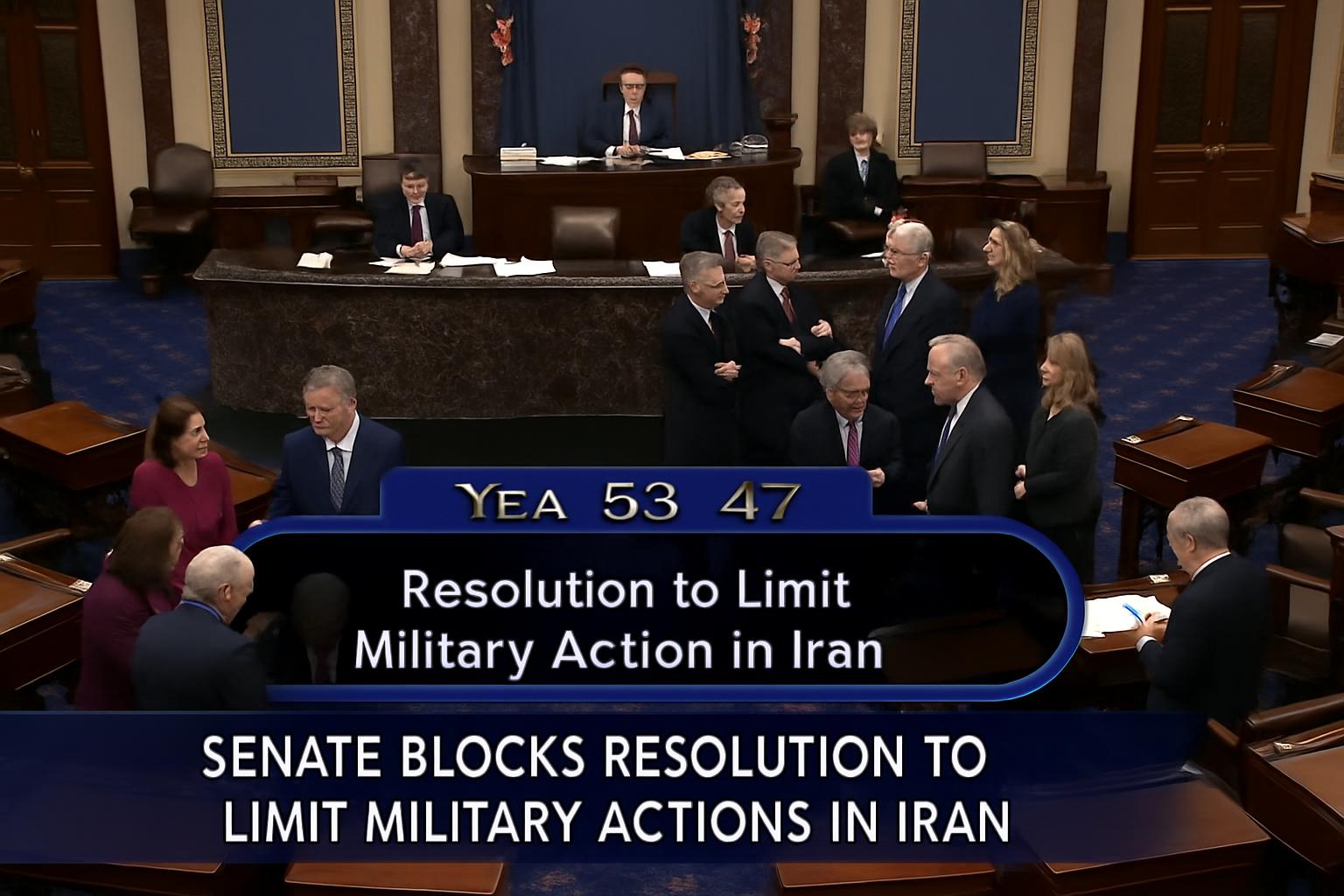
Senate Blocks Resolution to Limit Trump's Military Actions in Iran

Armed Intruder Fatally Shot at Mar-a-Lago by Secret Service

Tech Giants Pledge to Cover AI Data Center Energy Costs Amid Rising Electricity Concerns
Cuba Faces Widespread Blackout Amid Deepening Fuel Crisis

UK Faces Dilemmas Amid Iran Conflict and China Spying Allegations
Trump Sues JPMorgan for $5 Billion Over Alleged Political Discrimination
In This Article
 Alex Carter| Published
 HIGHLIGHTS
- Donald Trump has filed a $5 billion lawsuit against JPMorgan Chase, alleging the bank closed his accounts for political reasons following the Capitol riot.
- The lawsuit, filed in Florida, accuses JPMorgan of "debanking" Trump and his businesses, causing financial and reputational harm.
- JPMorgan denies the allegations, stating accounts are closed due to legal or regulatory risks, not political beliefs.
- The lawsuit highlights ongoing tensions between Trump and JPMorgan CEO Jamie Dimon, who has criticized Trump's policies.
- Trump's legal action underscores broader concerns about political discrimination in the banking sector.
Former President Donald Trump has launched a $5 billion lawsuit against JPMorgan Chase, accusing the financial giant of closing his accounts for political reasons in the aftermath of the January 6 Capitol riot. The lawsuit, filed in Miami, claims that the bank's actions inflicted significant financial and reputational damage on Trump and his businesses.
Allegations of Political Discrimination
Trump's legal team argues that JPMorgan's decision to terminate his accounts was driven by a desire to distance itself from his conservative political views. The lawsuit describes this as part of a broader industry practice aimed at coercing public political alignment. Trump's lawyer, Alejandro Brito, who has previously represented him in defamation cases against media outlets, filed the complaint in Florida, where state law prohibits banks from discriminating against clients based on political beliefs.
JPMorgan's Defense
In response, JPMorgan Chase has dismissed the lawsuit as meritless, asserting that account closures are based on legal and regulatory considerations rather than political or religious beliefs. A spokesperson for the bank emphasized that such decisions are often compelled by regulatory expectations, not political motivations. The bank also expressed support for efforts to prevent the weaponization of the banking sector.
Ongoing Tensions with Jamie Dimon
The lawsuit further intensifies the strained relationship between Trump and JPMorgan CEO Jamie Dimon. Dimon, who received a $43 million compensation package last year, has been vocal in his criticism of Trump's policies, including proposals to cap credit card rates and immigration stances. Despite the legal battle, Dimon remains a prominent figure in the financial world, known for his leadership and influence in Washington.
Broader Implications for the Banking Sector
Trump's lawsuit brings attention to the contentious issue of "debanking," where financial institutions allegedly discriminate against clients based on their political affiliations. This practice has been a focal point for Trump, who has called for a review of banking activities and criticized major banks for their handling of accounts linked to politically sensitive sectors.
WHAT THIS MIGHT MEAN
The outcome of Trump's lawsuit against JPMorgan could have significant implications for the banking industry, particularly concerning the regulation of account closures based on political beliefs. If the court rules in Trump's favor, it may prompt stricter oversight and clearer guidelines to prevent political discrimination in financial services. Conversely, a ruling in favor of JPMorgan could reinforce the bank's stance on regulatory compliance as a justification for account closures. As the case unfolds, it may also influence public discourse on the intersection of politics and financial services, potentially leading to legislative changes aimed at safeguarding clients' rights regardless of their political views.
Related Articles
Congress Subpoenas Attorney General Bondi in Epstein Investigation
Senate Blocks Resolution to Limit Trump's Military Actions in Iran
Armed Intruder Fatally Shot at Mar-a-Lago by Secret Service
Tech Giants Pledge to Cover AI Data Center Energy Costs Amid Rising Electricity Concerns
Cuba Faces Widespread Blackout Amid Deepening Fuel Crisis
UK Faces Dilemmas Amid Iran Conflict and China Spying Allegations