
Trump Moves to Designate Muslim Brotherhood as Terrorist Organization
In This Article
HIGHLIGHTS
- President Donald Trump has initiated the process to designate certain Muslim Brotherhood chapters as terrorist organizations, potentially leading to sanctions.
- The executive order targets branches in Egypt, Lebanon, and Jordan, citing alleged ties to Hamas and destabilization efforts.
- The US Secretary of State and Treasury Secretary have been tasked to report on the designation within 30 days, with sanctions to follow within 45 days if warranted.
- Texas Governor Greg Abbott has already designated the Muslim Brotherhood and CAIR as terrorist groups at the state level.
- The Muslim Brotherhood, founded in Egypt in 1928, is banned in several countries, including Egypt and Saudi Arabia, due to its Islamist political activities.
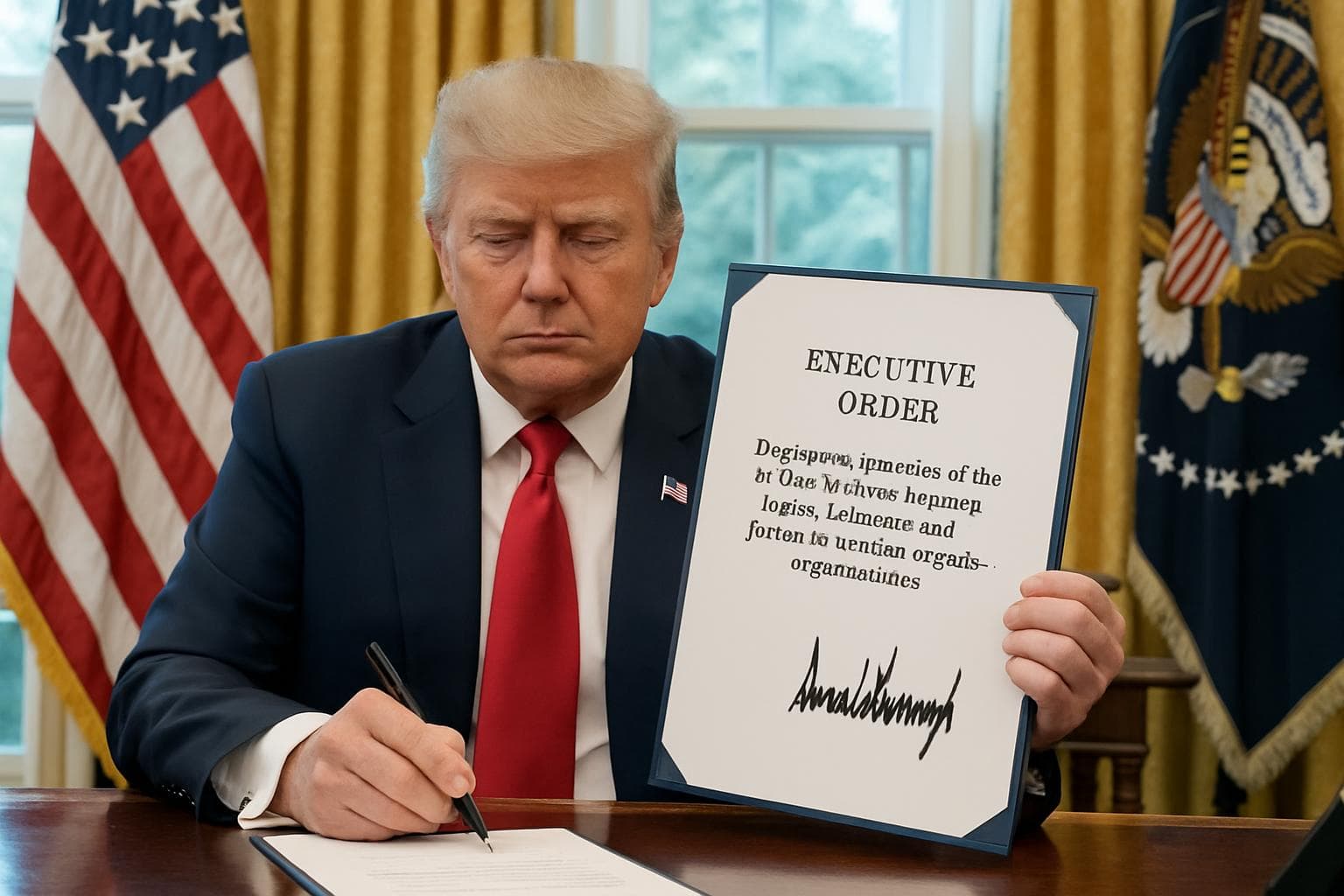
President Donald Trump has taken significant steps to designate certain chapters of the Muslim Brotherhood as foreign terrorist organizations, a move that could impose economic and travel sanctions on one of the Arab world's most influential Islamist movements. On Monday, Trump signed an executive order directing Secretary of State Marco Rubio and Treasury Secretary Scott Bessent to investigate branches in Egypt, Lebanon, and Jordan for potential ties to terrorism.
The executive order, which cites alleged connections to Hamas and regional destabilization efforts, mandates a report within 30 days. If the findings support the designation, sanctions could be implemented within 45 days. "President Trump is confronting the Muslim Brotherhood's transnational network, which fuels terrorism and destabilization campaigns against US interests and allies in the Middle East," the White House stated.
The Muslim Brotherhood, founded in Egypt in 1928 by Hassan al-Banna, has long been a controversial entity. It was established as a political movement to counter secular and nationalist ideologies and has since spread across the Muslim world. Despite its influence, the group is banned in several countries, including Egypt and Saudi Arabia, due to its Islamist political activities.
In a related development, Texas Governor Greg Abbott recently designated the Muslim Brotherhood and the Council on American-Islamic Relations (CAIR) as terrorist organizations at the state level, preventing them from purchasing land in Texas. This move reflects a broader Republican sentiment that has long advocated for the Brotherhood's terrorist designation.
The Trump administration's efforts echo previous attempts during his first term, particularly following meetings with Egyptian President Abdel Fattah El-Sisi, who has been a vocal opponent of the Brotherhood since the 2013 military coup that ousted the group's leader, Mohamed Morsi.
WHAT THIS MIGHT MEAN
The designation of the Muslim Brotherhood as a terrorist organization could have significant implications for US foreign policy and its relations with Middle Eastern countries. If the designation proceeds, it may strain diplomatic ties with nations where the Brotherhood has political influence or support. Additionally, the move could impact US domestic politics, potentially intensifying debates over Islamophobia and civil liberties.
Experts suggest that the designation could also lead to increased scrutiny of other Islamist groups and individuals within the US, potentially affecting Muslim communities and advocacy organizations. As the Trump administration moves forward, it will need to navigate complex international and domestic landscapes to balance security concerns with diplomatic and civil rights considerations.
Related Articles
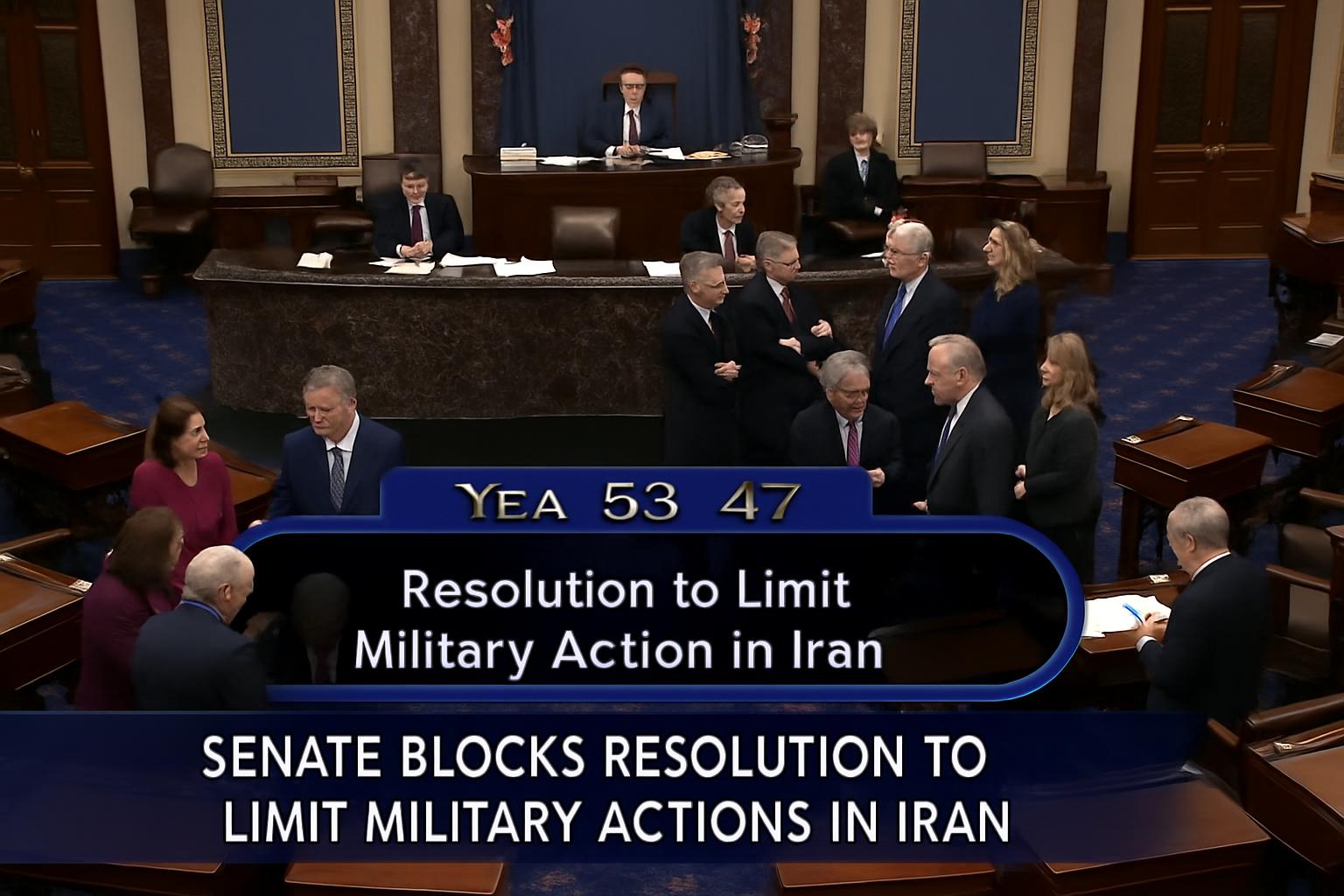
Senate Blocks Resolution to Limit Trump's Military Actions in Iran

Tech Giants Pledge to Cover AI Data Center Energy Costs Amid Rising Electricity Concerns
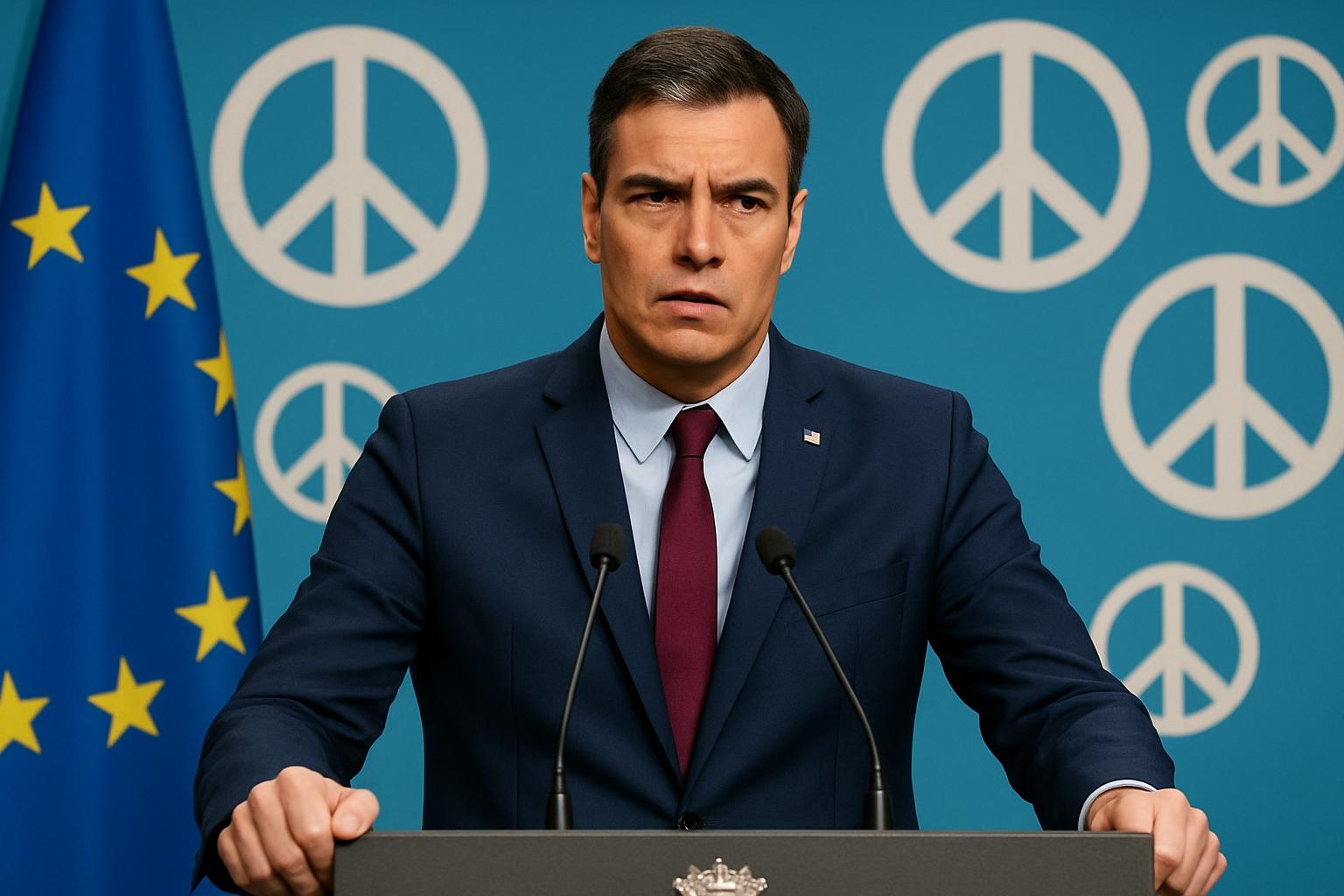
Spain's Sánchez Stands Firm Against Trump's Trade Threat Over Iran Stance

US-Iran Tensions Escalate Amid Renewed Nuclear Talks and Protests

Congress Subpoenas Attorney General Bondi in Epstein Investigation

Cuba Faces Widespread Blackout Amid Deepening Fuel Crisis
Trump Moves to Designate Muslim Brotherhood as Terrorist Organization
In This Article
 James Okoro| Published
 HIGHLIGHTS
- President Donald Trump has initiated the process to designate certain Muslim Brotherhood chapters as terrorist organizations, potentially leading to sanctions.
- The executive order targets branches in Egypt, Lebanon, and Jordan, citing alleged ties to Hamas and destabilization efforts.
- The US Secretary of State and Treasury Secretary have been tasked to report on the designation within 30 days, with sanctions to follow within 45 days if warranted.
- Texas Governor Greg Abbott has already designated the Muslim Brotherhood and CAIR as terrorist groups at the state level.
- The Muslim Brotherhood, founded in Egypt in 1928, is banned in several countries, including Egypt and Saudi Arabia, due to its Islamist political activities.
President Donald Trump has taken significant steps to designate certain chapters of the Muslim Brotherhood as foreign terrorist organizations, a move that could impose economic and travel sanctions on one of the Arab world's most influential Islamist movements. On Monday, Trump signed an executive order directing Secretary of State Marco Rubio and Treasury Secretary Scott Bessent to investigate branches in Egypt, Lebanon, and Jordan for potential ties to terrorism.
The executive order, which cites alleged connections to Hamas and regional destabilization efforts, mandates a report within 30 days. If the findings support the designation, sanctions could be implemented within 45 days. "President Trump is confronting the Muslim Brotherhood's transnational network, which fuels terrorism and destabilization campaigns against US interests and allies in the Middle East," the White House stated.
The Muslim Brotherhood, founded in Egypt in 1928 by Hassan al-Banna, has long been a controversial entity. It was established as a political movement to counter secular and nationalist ideologies and has since spread across the Muslim world. Despite its influence, the group is banned in several countries, including Egypt and Saudi Arabia, due to its Islamist political activities.
In a related development, Texas Governor Greg Abbott recently designated the Muslim Brotherhood and the Council on American-Islamic Relations (CAIR) as terrorist organizations at the state level, preventing them from purchasing land in Texas. This move reflects a broader Republican sentiment that has long advocated for the Brotherhood's terrorist designation.
The Trump administration's efforts echo previous attempts during his first term, particularly following meetings with Egyptian President Abdel Fattah El-Sisi, who has been a vocal opponent of the Brotherhood since the 2013 military coup that ousted the group's leader, Mohamed Morsi.
WHAT THIS MIGHT MEAN
The designation of the Muslim Brotherhood as a terrorist organization could have significant implications for US foreign policy and its relations with Middle Eastern countries. If the designation proceeds, it may strain diplomatic ties with nations where the Brotherhood has political influence or support. Additionally, the move could impact US domestic politics, potentially intensifying debates over Islamophobia and civil liberties.
Experts suggest that the designation could also lead to increased scrutiny of other Islamist groups and individuals within the US, potentially affecting Muslim communities and advocacy organizations. As the Trump administration moves forward, it will need to navigate complex international and domestic landscapes to balance security concerns with diplomatic and civil rights considerations.
Related Articles
Senate Blocks Resolution to Limit Trump's Military Actions in Iran
Tech Giants Pledge to Cover AI Data Center Energy Costs Amid Rising Electricity Concerns
Spain's Sánchez Stands Firm Against Trump's Trade Threat Over Iran Stance
US-Iran Tensions Escalate Amid Renewed Nuclear Talks and Protests
Congress Subpoenas Attorney General Bondi in Epstein Investigation
Cuba Faces Widespread Blackout Amid Deepening Fuel Crisis