
Trump Tariff Delays Stir Global Trade Tensions, Australia Sees Potential Gains
In This Article
HIGHLIGHTS
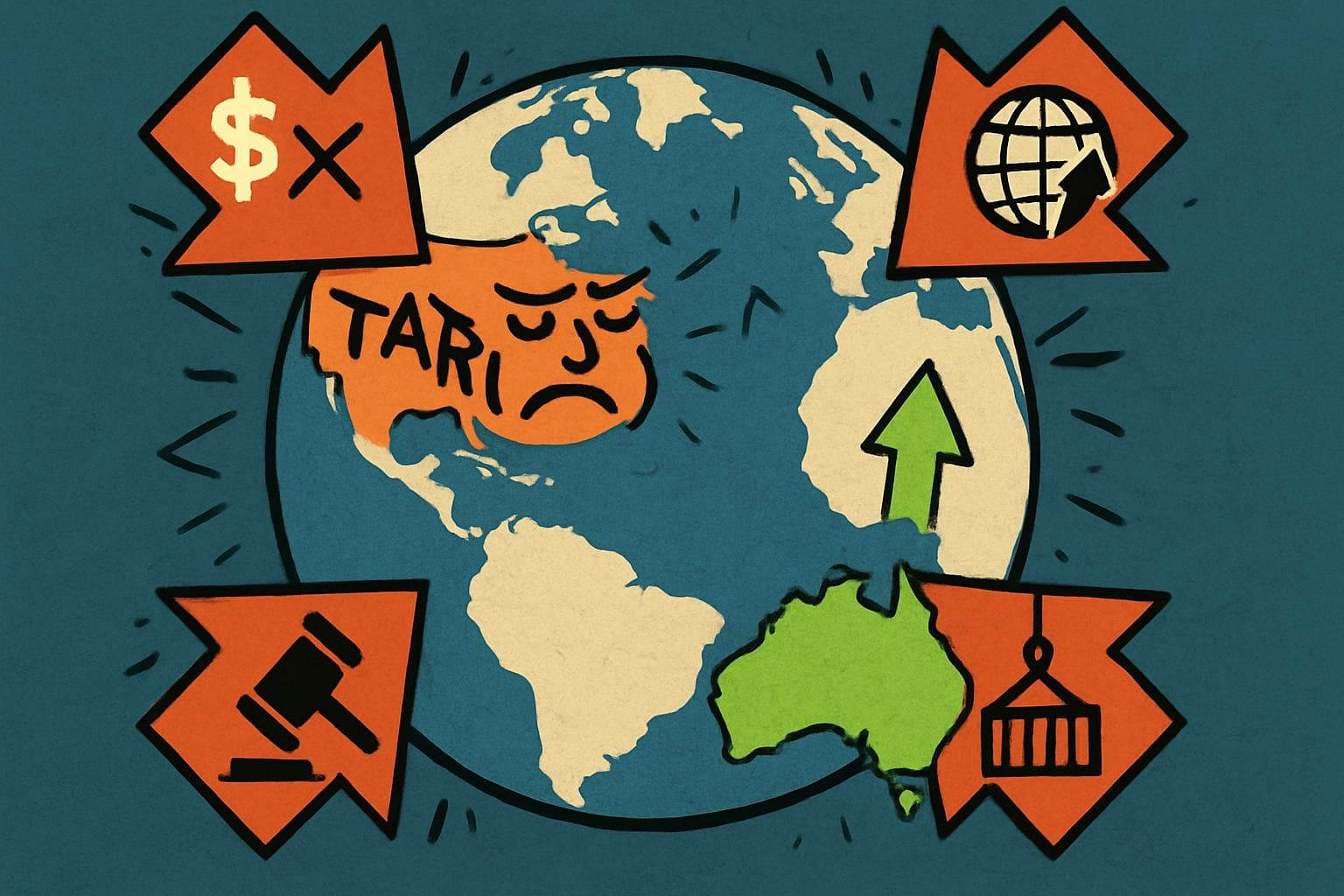
- The Trump administration has delayed tariff negotiations, extending the deadline from July 9 to August 1, with potential further delays.
- The US targets 18 countries responsible for 95% of its trade deficit, with Japan and South Korea receiving initial letters.
- Australia's economy may benefit slightly from US trade disruptions, as per the Productivity Commission's findings.
- The value of the US dollar has declined by 10% this year, affecting trade dynamics and inflation.
- Chinese exports to the US have decreased by 9.7%, while exports to other countries have increased by 6%.
The Trump administration's recent decision to delay tariff negotiations has intensified global trade tensions, with the deadline now extended from July 9 to August 1. This move, which could see further delays, highlights the administration's struggle to finalize trade deals, despite initial promises of "90 deals in 90 days."
US Trade Deficit Focus
The US has concentrated its efforts on 18 countries that contribute to 95% of its trade deficit, with Japan and South Korea receiving the first letters regarding tariff adjustments. This approach has sparked discontent, particularly in Japan, where officials have hinted at leveraging their substantial holdings of US government debt as a bargaining tool. The market's reaction has been relatively calm, with financial analysts suggesting that the delay might embolden other nations to resist US demands.
Australia's Economic Outlook
In contrast, Australia appears poised to benefit from the US-led trade disruptions. According to the Productivity Commission, the impact on Australia's economy is expected to be minor, with potential positive effects. Warwick McKibbin, an economics professor at the Australian National University, emphasized that Australia is well-positioned to handle the fallout and should view the situation as an opportunity to expand trade with other partners. The commission's analysis suggests that retaliatory tariffs would be counterproductive, advocating instead for domestic reforms to enhance economic productivity.
Shifts in Global Trade Dynamics
The global trade landscape is shifting, with the US dollar's value declining by 10% this year, contrary to Treasury Secretary Scott Bessent's predictions. This depreciation has influenced trade numbers, with significant stockpiling preceding the tariffs and subsequent declines in trade volumes. Notably, Chinese exports to the US have dropped by 9.7%, while exports to other regions have risen by 6%.
WHAT THIS MIGHT MEAN
As the August 1 deadline approaches, the possibility of further delays looms, potentially prolonging global trade uncertainty. Should the US continue to struggle in securing favorable deals, other nations may strengthen their trade alliances, potentially sidelining the US in future negotiations. For Australia, the situation presents a unique opportunity to fortify its trade relationships and capitalize on shifts in global investment flows. However, the broader implications of prolonged US protectionism could lead to increased volatility in international markets, necessitating strategic economic adjustments worldwide.
Related Articles
Trump's New Tariff Strategy Sparks Global Trade Uncertainty
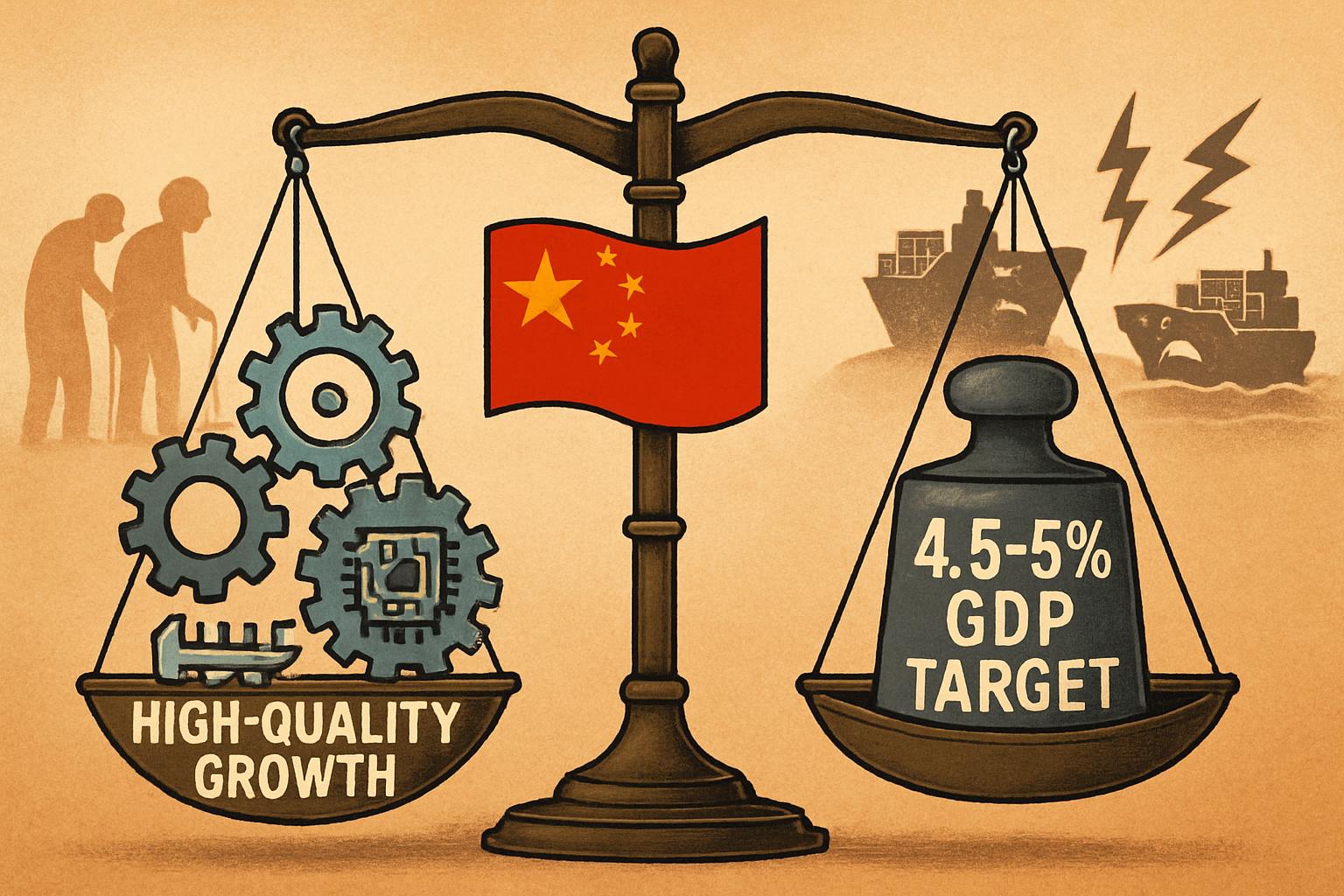
China Sets Lowest GDP Growth Target in Decades Amid Economic Challenges

Tech Giants Pledge to Cover AI Data Center Energy Costs Amid Rising Electricity Concerns

UK Faces Dilemmas Amid Iran Conflict and China Spying Allegations
Canada Calls for De-escalation Amid US-Israel Strikes on Iran
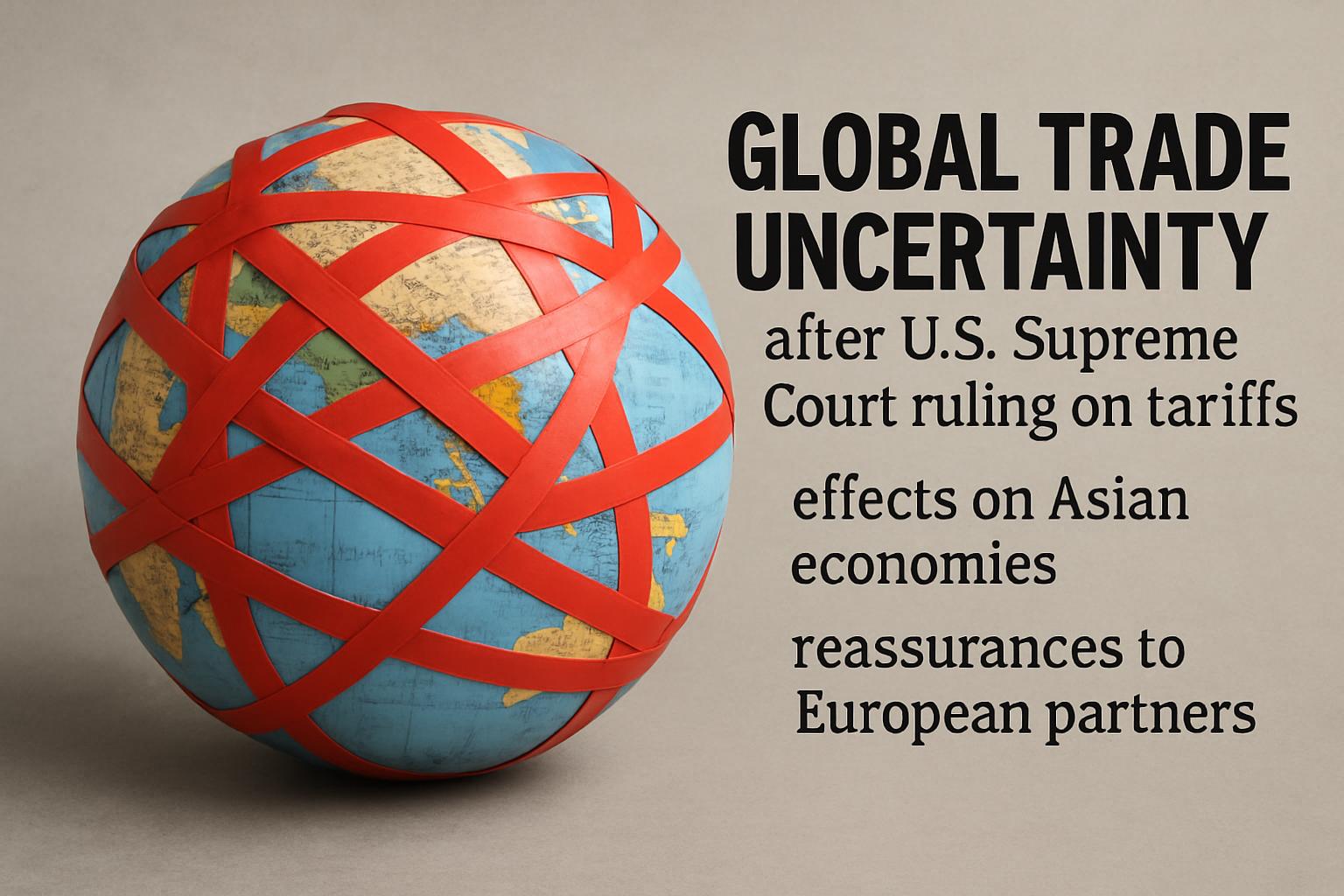
US Supreme Court Ruling Sparks Trade Uncertainty in Asia and Beyond
Trump Tariff Delays Stir Global Trade Tensions, Australia Sees Potential Gains
In This Article
 Daniel Rivera| Published
 HIGHLIGHTS
- The Trump administration has delayed tariff negotiations, extending the deadline from July 9 to August 1, with potential further delays.
- The US targets 18 countries responsible for 95% of its trade deficit, with Japan and South Korea receiving initial letters.
- Australia's economy may benefit slightly from US trade disruptions, as per the Productivity Commission's findings.
- The value of the US dollar has declined by 10% this year, affecting trade dynamics and inflation.
- Chinese exports to the US have decreased by 9.7%, while exports to other countries have increased by 6%.
The Trump administration's recent decision to delay tariff negotiations has intensified global trade tensions, with the deadline now extended from July 9 to August 1. This move, which could see further delays, highlights the administration's struggle to finalize trade deals, despite initial promises of "90 deals in 90 days."
US Trade Deficit Focus
The US has concentrated its efforts on 18 countries that contribute to 95% of its trade deficit, with Japan and South Korea receiving the first letters regarding tariff adjustments. This approach has sparked discontent, particularly in Japan, where officials have hinted at leveraging their substantial holdings of US government debt as a bargaining tool. The market's reaction has been relatively calm, with financial analysts suggesting that the delay might embolden other nations to resist US demands.
Australia's Economic Outlook
In contrast, Australia appears poised to benefit from the US-led trade disruptions. According to the Productivity Commission, the impact on Australia's economy is expected to be minor, with potential positive effects. Warwick McKibbin, an economics professor at the Australian National University, emphasized that Australia is well-positioned to handle the fallout and should view the situation as an opportunity to expand trade with other partners. The commission's analysis suggests that retaliatory tariffs would be counterproductive, advocating instead for domestic reforms to enhance economic productivity.
Shifts in Global Trade Dynamics
The global trade landscape is shifting, with the US dollar's value declining by 10% this year, contrary to Treasury Secretary Scott Bessent's predictions. This depreciation has influenced trade numbers, with significant stockpiling preceding the tariffs and subsequent declines in trade volumes. Notably, Chinese exports to the US have dropped by 9.7%, while exports to other regions have risen by 6%.
WHAT THIS MIGHT MEAN
As the August 1 deadline approaches, the possibility of further delays looms, potentially prolonging global trade uncertainty. Should the US continue to struggle in securing favorable deals, other nations may strengthen their trade alliances, potentially sidelining the US in future negotiations. For Australia, the situation presents a unique opportunity to fortify its trade relationships and capitalize on shifts in global investment flows. However, the broader implications of prolonged US protectionism could lead to increased volatility in international markets, necessitating strategic economic adjustments worldwide.
Related Articles
Trump's New Tariff Strategy Sparks Global Trade Uncertainty
China Sets Lowest GDP Growth Target in Decades Amid Economic Challenges
Tech Giants Pledge to Cover AI Data Center Energy Costs Amid Rising Electricity Concerns
UK Faces Dilemmas Amid Iran Conflict and China Spying Allegations
Canada Calls for De-escalation Amid US-Israel Strikes on Iran
US Supreme Court Ruling Sparks Trade Uncertainty in Asia and Beyond