
Trump Threatens Action as Iran Protests Escalate Amid Economic Crisis

In This Article
HIGHLIGHTS
- Donald Trump has warned Iran against killing protesters, stating the US is "locked and loaded" to intervene if necessary.
- Iran's foreign minister called Trump's warning "reckless and dangerous," emphasizing that any US interference would cross a "red line."
- Protests in Iran, sparked by a sharp decline in the national currency, have resulted in at least eight reported deaths.
- Iranian officials have accused the US and Israel of instigating the protests, warning of regional destabilization if the US intervenes.
- The protests, the largest since 2022, have spread across multiple cities, with demonstrators voicing economic and anti-government grievances.
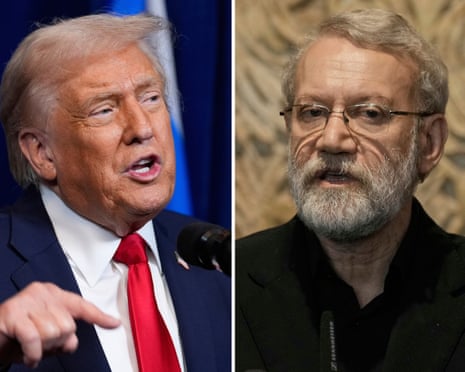
As Iran grapples with widespread protests triggered by an economic downturn, former US President Donald Trump has issued a stark warning to Tehran, cautioning against the violent suppression of demonstrators. Trump's statement, delivered via social media, declared that the United States is "locked and loaded" to intervene should Iranian authorities resort to lethal force against protesters.
The protests, now in their sixth day, have been fueled by a dramatic fall in the Iranian rial, which has plunged to approximately 1.4 million to the US dollar. This economic crisis has intensified public discontent, leading to the most significant demonstrations since the 2022 protests following the death of Mahsa Amini in police custody.
Iran's Response and Regional Implications
Iran's foreign minister, Abbas Araghchi, labeled Trump's comments as "reckless and dangerous," asserting that any US intervention would breach a "red line." Araghchi emphasized that Iran's military is prepared to respond decisively to any perceived threats. "Given President Trump's deployment of the National Guard within US borders, he of all people should know that criminal attacks on public property cannot be tolerated," Araghchi remarked.
Senior Iranian officials, including Ali Larijani, have accused the US and Israel of fomenting unrest, warning that American interference could destabilize the entire Middle East. Larijani cautioned that such actions would jeopardize American interests in the region, potentially endangering US soldiers stationed there.
Protests and Public Sentiment
The protests, which began in Tehran, have rapidly spread to other cities, including Isfahan and Lordegan. Demonstrators, comprising shopkeepers and university students, have expressed their frustrations over economic mismanagement and corruption. Despite the government's warnings, protesters continue to demand significant political and economic reforms.
Reports indicate that at least eight people have died in the clashes, although the exact number remains unverified. Videos circulating on social media depict intense confrontations between security forces and protesters, with some footage showing vehicles set ablaze.
WHAT THIS MIGHT MEAN
The ongoing protests in Iran present a volatile situation with potential regional and international ramifications. Should the US choose to intervene, it could escalate tensions not only between Washington and Tehran but also across the Middle East. Such a move might provoke retaliatory actions from Iran, potentially targeting US military installations in the region.
Conversely, if the Iranian government opts for a more conciliatory approach, addressing the protesters' economic grievances, it might mitigate the unrest and reduce the likelihood of foreign intervention. However, the deep-seated economic issues and public dissatisfaction suggest that a swift resolution is unlikely, leaving the situation precarious.
Experts warn that any external interference could exacerbate the crisis, urging diplomatic engagement to prevent further escalation. The international community will be closely monitoring developments, as the outcome could significantly impact regional stability and global diplomatic relations.
Images from the Web
Related Articles
Intensified US-Israel Strikes on Iran Spark Global Outcry
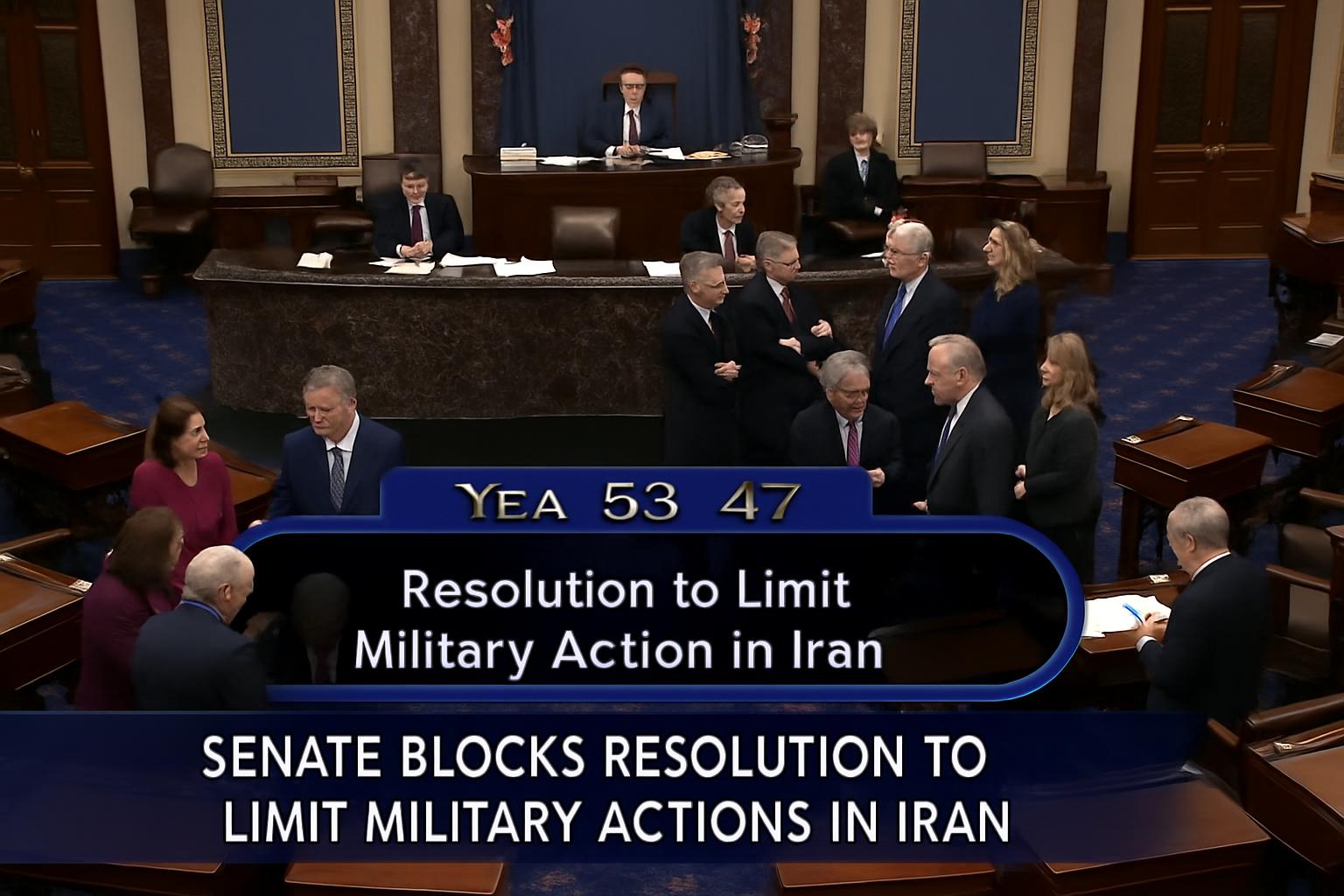
Senate Blocks Resolution to Limit Trump's Military Actions in Iran
Spain's Sánchez Stands Firm Against Trump's Trade Threat Over Iran Stance
Iran Postpones Khamenei Funeral Amid Escalating US-Israeli Strikes

UK Faces Dilemmas Amid Iran Conflict and China Spying Allegations
US and Israel Intensify Military Campaign as Iran's Capabilities Dwindle
Trump Threatens Action as Iran Protests Escalate Amid Economic Crisis
In This Article
 Ethan Brooks| Published
 HIGHLIGHTS
- Donald Trump has warned Iran against killing protesters, stating the US is "locked and loaded" to intervene if necessary.
- Iran's foreign minister called Trump's warning "reckless and dangerous," emphasizing that any US interference would cross a "red line."
- Protests in Iran, sparked by a sharp decline in the national currency, have resulted in at least eight reported deaths.
- Iranian officials have accused the US and Israel of instigating the protests, warning of regional destabilization if the US intervenes.
- The protests, the largest since 2022, have spread across multiple cities, with demonstrators voicing economic and anti-government grievances.
As Iran grapples with widespread protests triggered by an economic downturn, former US President Donald Trump has issued a stark warning to Tehran, cautioning against the violent suppression of demonstrators. Trump's statement, delivered via social media, declared that the United States is "locked and loaded" to intervene should Iranian authorities resort to lethal force against protesters.
The protests, now in their sixth day, have been fueled by a dramatic fall in the Iranian rial, which has plunged to approximately 1.4 million to the US dollar. This economic crisis has intensified public discontent, leading to the most significant demonstrations since the 2022 protests following the death of Mahsa Amini in police custody.
Iran's Response and Regional Implications
Iran's foreign minister, Abbas Araghchi, labeled Trump's comments as "reckless and dangerous," asserting that any US intervention would breach a "red line." Araghchi emphasized that Iran's military is prepared to respond decisively to any perceived threats. "Given President Trump's deployment of the National Guard within US borders, he of all people should know that criminal attacks on public property cannot be tolerated," Araghchi remarked.
Senior Iranian officials, including Ali Larijani, have accused the US and Israel of fomenting unrest, warning that American interference could destabilize the entire Middle East. Larijani cautioned that such actions would jeopardize American interests in the region, potentially endangering US soldiers stationed there.
Protests and Public Sentiment
The protests, which began in Tehran, have rapidly spread to other cities, including Isfahan and Lordegan. Demonstrators, comprising shopkeepers and university students, have expressed their frustrations over economic mismanagement and corruption. Despite the government's warnings, protesters continue to demand significant political and economic reforms.
Reports indicate that at least eight people have died in the clashes, although the exact number remains unverified. Videos circulating on social media depict intense confrontations between security forces and protesters, with some footage showing vehicles set ablaze.
WHAT THIS MIGHT MEAN
The ongoing protests in Iran present a volatile situation with potential regional and international ramifications. Should the US choose to intervene, it could escalate tensions not only between Washington and Tehran but also across the Middle East. Such a move might provoke retaliatory actions from Iran, potentially targeting US military installations in the region.
Conversely, if the Iranian government opts for a more conciliatory approach, addressing the protesters' economic grievances, it might mitigate the unrest and reduce the likelihood of foreign intervention. However, the deep-seated economic issues and public dissatisfaction suggest that a swift resolution is unlikely, leaving the situation precarious.
Experts warn that any external interference could exacerbate the crisis, urging diplomatic engagement to prevent further escalation. The international community will be closely monitoring developments, as the outcome could significantly impact regional stability and global diplomatic relations.
Images from the Web
Related Articles
Intensified US-Israel Strikes on Iran Spark Global Outcry
Senate Blocks Resolution to Limit Trump's Military Actions in Iran
Spain's Sánchez Stands Firm Against Trump's Trade Threat Over Iran Stance
Iran Postpones Khamenei Funeral Amid Escalating US-Israeli Strikes
UK Faces Dilemmas Amid Iran Conflict and China Spying Allegations
US and Israel Intensify Military Campaign as Iran's Capabilities Dwindle