
Trump Considers Renewed Strikes on Iran Amidst Nuclear Tensions

In This Article
HIGHLIGHTS
- President Trump stated he would consider bombing Iran again if intelligence suggested a nuclear threat.
- Iran's foreign minister admitted significant damage to nuclear sites from US and Israeli bombings.
- The US strikes reportedly set back Iran's nuclear program by months, despite Trump's claims of obliteration.
- Iran's Supreme Leader Ayatollah Khamenei downplayed the impact of the bombings, declaring victory.
- US-Iran negotiations remain stalled, with Iran denying plans to resume nuclear talks.
In a recent White House briefing, President Donald Trump declared he would "absolutely" consider military action against Iran if intelligence indicated a potential nuclear threat. This statement comes in the wake of recent US and Israeli bombings of Iranian nuclear sites, which have significantly heightened tensions in the region.
US Strikes and Iranian Response
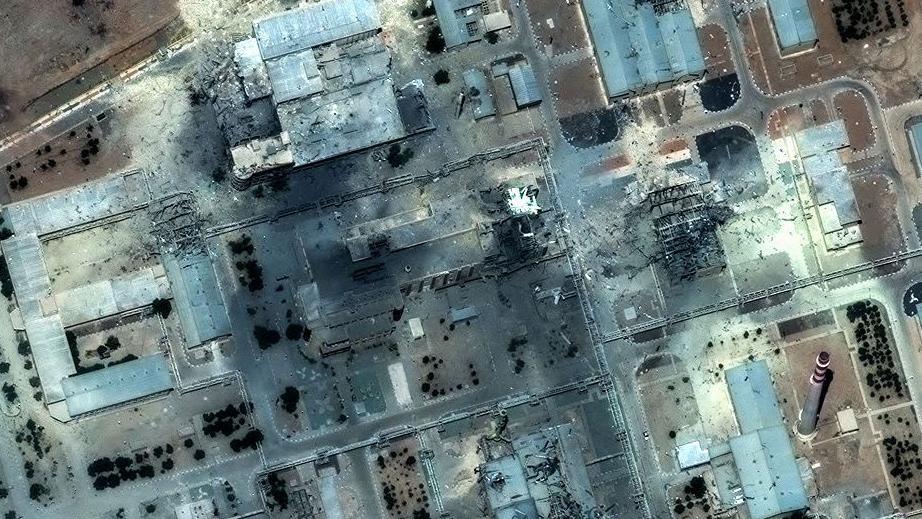
The conflict between Israel and Iran escalated when Israel launched attacks on Iranian nuclear facilities, prompting US involvement. The bombings targeted key sites, including Fordo, Natanz, and Isfahan, with the US deploying "bunker buster" bombs. While President Trump claimed these strikes "obliterated" Iran's nuclear capabilities, Iran's Supreme Leader Ayatollah Ali Khamenei dismissed the attacks as ineffective, asserting that the country's nuclear program remains intact.
However, Iranian Foreign Minister Abbas Araghchi acknowledged "excessive and serious" damage to the nuclear sites, contradicting Khamenei's public statements. The Iranian government is currently assessing the extent of the damage, with no plans to resume nuclear negotiations with the US.
Political and Diplomatic Implications
The strikes have sparked political debate within the US, with a delayed intelligence briefing dividing senators along party lines. Democrats accused Trump of bypassing congressional oversight, while the President blamed them for leaking a Pentagon report that downplayed the success of the strikes.
Despite the tensions, the Trump administration has explored options to bring Iran back to the negotiating table, including easing sanctions and facilitating funding for a civilian nuclear program. However, Iran's recent legislative moves to halt cooperation with the International Atomic Energy Agency (IAEA) could hinder diplomatic efforts.
Human Impact and Casualties
The conflict has resulted in significant casualties, with Iran's health ministry reporting 610 deaths over 12 days of airstrikes. In contrast, Israeli authorities reported 28 fatalities. The human toll underscores the severe impact of the ongoing hostilities on civilian populations.
WHAT THIS MIGHT MEAN
The future of US-Iran relations remains uncertain, with potential for further military escalation if diplomatic solutions are not reached. Experts suggest that continued sanctions and military threats may push Iran to further entrench its nuclear ambitions rather than negotiate. The international community, particularly the IAEA, may play a crucial role in mediating the conflict and ensuring compliance with nuclear agreements. As the situation evolves, the global focus will likely remain on preventing a nuclear arms race in the volatile Middle East region.
Images from the Web


Related Articles
US and Israel Intensify Military Campaign as Iran's Capabilities Dwindle
Intensified US-Israel Strikes on Iran Spark Global Outcry
Senate Blocks Resolution to Limit Trump's Military Actions in Iran
Spain's Sánchez Stands Firm Against Trump's Trade Threat Over Iran Stance
Iran Postpones Khamenei Funeral Amid Escalating US-Israeli Strikes

UK Faces Dilemmas Amid Iran Conflict and China Spying Allegations
Trump Considers Renewed Strikes on Iran Amidst Nuclear Tensions
In This Article
 Ethan Brooks| Published
 HIGHLIGHTS
- President Trump stated he would consider bombing Iran again if intelligence suggested a nuclear threat.
- Iran's foreign minister admitted significant damage to nuclear sites from US and Israeli bombings.
- The US strikes reportedly set back Iran's nuclear program by months, despite Trump's claims of obliteration.
- Iran's Supreme Leader Ayatollah Khamenei downplayed the impact of the bombings, declaring victory.
- US-Iran negotiations remain stalled, with Iran denying plans to resume nuclear talks.
In a recent White House briefing, President Donald Trump declared he would "absolutely" consider military action against Iran if intelligence indicated a potential nuclear threat. This statement comes in the wake of recent US and Israeli bombings of Iranian nuclear sites, which have significantly heightened tensions in the region.
US Strikes and Iranian Response
The conflict between Israel and Iran escalated when Israel launched attacks on Iranian nuclear facilities, prompting US involvement. The bombings targeted key sites, including Fordo, Natanz, and Isfahan, with the US deploying "bunker buster" bombs. While President Trump claimed these strikes "obliterated" Iran's nuclear capabilities, Iran's Supreme Leader Ayatollah Ali Khamenei dismissed the attacks as ineffective, asserting that the country's nuclear program remains intact.
However, Iranian Foreign Minister Abbas Araghchi acknowledged "excessive and serious" damage to the nuclear sites, contradicting Khamenei's public statements. The Iranian government is currently assessing the extent of the damage, with no plans to resume nuclear negotiations with the US.
Political and Diplomatic Implications
The strikes have sparked political debate within the US, with a delayed intelligence briefing dividing senators along party lines. Democrats accused Trump of bypassing congressional oversight, while the President blamed them for leaking a Pentagon report that downplayed the success of the strikes.
Despite the tensions, the Trump administration has explored options to bring Iran back to the negotiating table, including easing sanctions and facilitating funding for a civilian nuclear program. However, Iran's recent legislative moves to halt cooperation with the International Atomic Energy Agency (IAEA) could hinder diplomatic efforts.
Human Impact and Casualties
The conflict has resulted in significant casualties, with Iran's health ministry reporting 610 deaths over 12 days of airstrikes. In contrast, Israeli authorities reported 28 fatalities. The human toll underscores the severe impact of the ongoing hostilities on civilian populations.
WHAT THIS MIGHT MEAN
The future of US-Iran relations remains uncertain, with potential for further military escalation if diplomatic solutions are not reached. Experts suggest that continued sanctions and military threats may push Iran to further entrench its nuclear ambitions rather than negotiate. The international community, particularly the IAEA, may play a crucial role in mediating the conflict and ensuring compliance with nuclear agreements. As the situation evolves, the global focus will likely remain on preventing a nuclear arms race in the volatile Middle East region.
Images from the Web
Related Articles
US and Israel Intensify Military Campaign as Iran's Capabilities Dwindle
Intensified US-Israel Strikes on Iran Spark Global Outcry
Senate Blocks Resolution to Limit Trump's Military Actions in Iran
Spain's Sánchez Stands Firm Against Trump's Trade Threat Over Iran Stance
Iran Postpones Khamenei Funeral Amid Escalating US-Israeli Strikes
UK Faces Dilemmas Amid Iran Conflict and China Spying Allegations