
Trump's $5 Billion Foreign Aid Cut Sparks Legal and Political Controversy
In This Article
HIGHLIGHTS
- President Trump has initiated a $5 billion cut in foreign aid using a "pocket rescission," a rare budgetary maneuver not used in nearly 50 years.
- The cuts target $3 billion from USAID and $900 million from the State Department, including $800 million for international peacekeeping.
- The move bypasses Congress, raising legal challenges and concerns about undermining legislative authority over budgetary decisions.
- The Impoundment Control Act allows the president to propose canceling funds, but Congress must act within 45 days, or the funds lapse.
- Critics, including Senator Susan Collins and Senate Democratic Leader Chuck Schumer, warn this could lead to a government shutdown and violate constitutional powers.
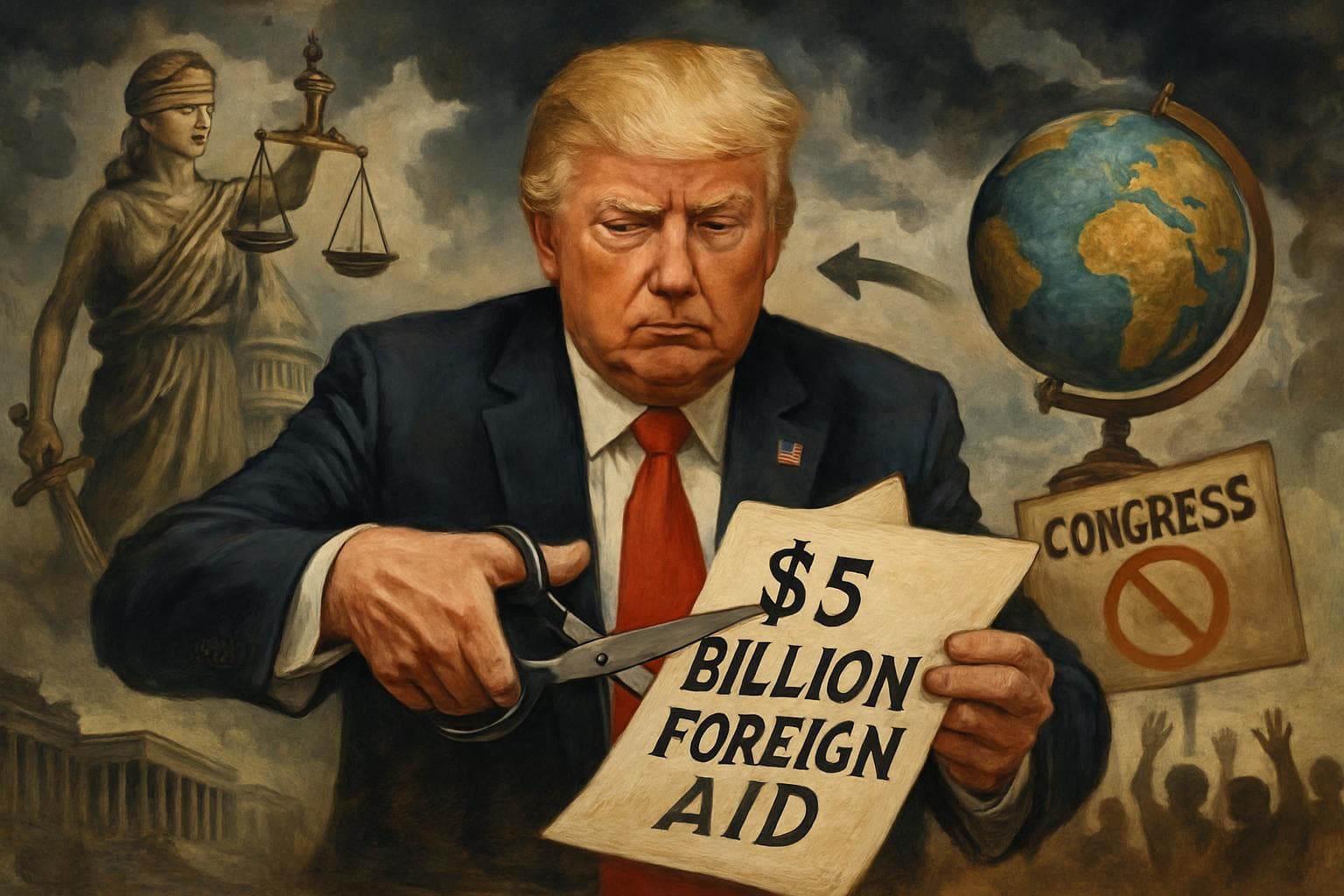
President Donald Trump has announced a controversial plan to cut $5 billion in foreign aid, a move that has sparked legal debates and political backlash. Utilizing a budgetary tactic known as a "pocket rescission," Trump aims to rescind funds already approved by Congress, a maneuver not attempted since President Jimmy Carter in 1977.
Budgetary Maneuver Raises Legal Concerns
The proposed cuts, which include $3 billion from the U.S. Agency for International Development (USAID) and $900 million from the State Department, have drawn criticism for bypassing Congress. The Impoundment Control Act permits the president to request the cancellation of funds, but Congress must respond within 45 days. By timing the request near the fiscal year-end on September 30, the funds risk going unspent, effectively nullifying Congressional approval.
Impact on International Programs
Among the targeted reductions are $800 million allocated for international peacekeeping operations and over $300 million intended to promote democratic values abroad. The Trump administration defends the cuts as necessary to eliminate "wasteful" spending, but critics argue this could damage U.S. influence and humanitarian efforts globally.
Political and Legal Reactions
The move has faced opposition from both sides of the aisle. Senator Susan Collins emphasized that the Constitution grants Congress the "power of the purse," and any attempt to claw back funds without legislative approval is a "clear violation of the law." Senate Democratic Leader Chuck Schumer warned that such actions could lead to a "painful and entirely unnecessary shutdown" of the government.
WHAT THIS MIGHT MEAN
The legal and political implications of Trump's pocket rescission could be significant. If Congress fails to act within the 45-day window, the funds will lapse, setting a precedent for future administrations to bypass legislative authority on budgetary matters. Legal challenges are likely, as critics argue this undermines the constitutional balance of power. Politically, the move could strain relations with international partners and impact U.S. foreign policy, particularly in regions reliant on American aid for stability and development. As the fiscal year-end approaches, the administration's actions will be closely scrutinized, potentially influencing upcoming elections and legislative priorities.
Related Articles
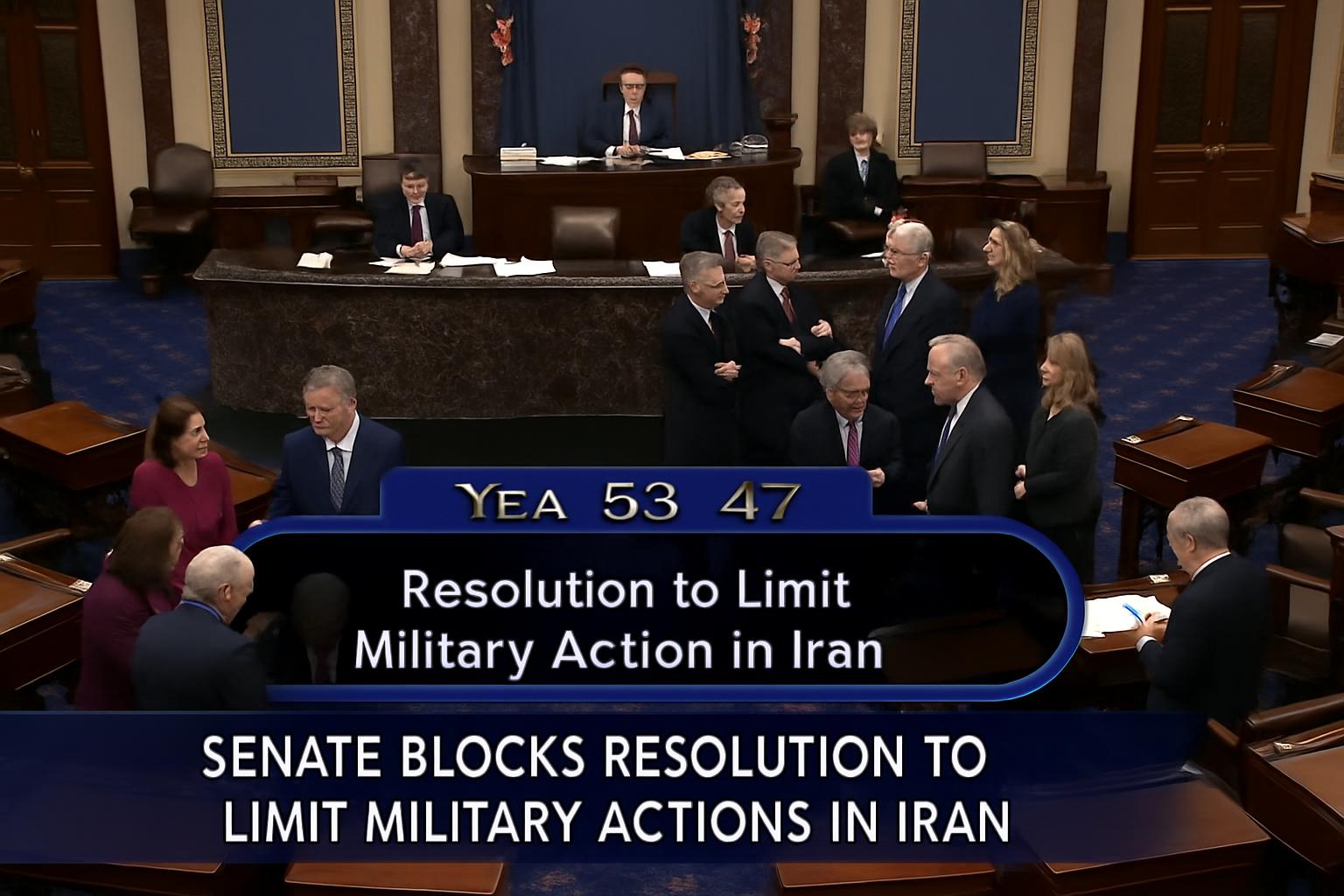
Senate Blocks Resolution to Limit Trump's Military Actions in Iran
Spain's Sánchez Stands Firm Against Trump's Trade Threat Over Iran Stance

US-Iran Tensions Escalate Amid Renewed Nuclear Talks and Protests

Greenland Politely Declines Trump's Hospital Ship Offer Amid Healthcare Debate
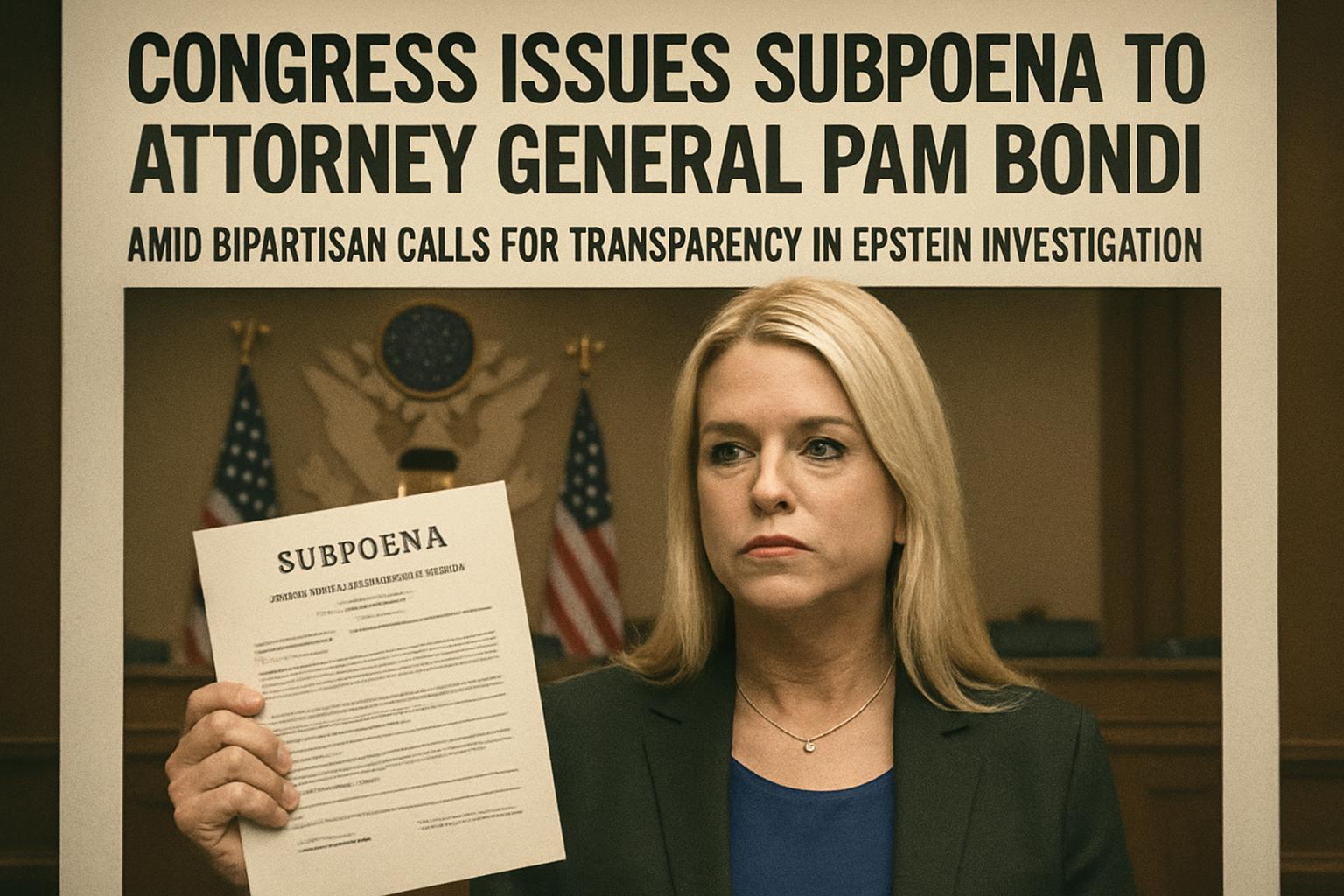
Congress Subpoenas Attorney General Bondi in Epstein Investigation

UK-Iran Tensions: Starmer Defends Cautious Approach Amid Trump Criticism
Trump's $5 Billion Foreign Aid Cut Sparks Legal and Political Controversy
In This Article
 Ethan Brooks| Published
 HIGHLIGHTS
- President Trump has initiated a $5 billion cut in foreign aid using a "pocket rescission," a rare budgetary maneuver not used in nearly 50 years.
- The cuts target $3 billion from USAID and $900 million from the State Department, including $800 million for international peacekeeping.
- The move bypasses Congress, raising legal challenges and concerns about undermining legislative authority over budgetary decisions.
- The Impoundment Control Act allows the president to propose canceling funds, but Congress must act within 45 days, or the funds lapse.
- Critics, including Senator Susan Collins and Senate Democratic Leader Chuck Schumer, warn this could lead to a government shutdown and violate constitutional powers.
President Donald Trump has announced a controversial plan to cut $5 billion in foreign aid, a move that has sparked legal debates and political backlash. Utilizing a budgetary tactic known as a "pocket rescission," Trump aims to rescind funds already approved by Congress, a maneuver not attempted since President Jimmy Carter in 1977.
Budgetary Maneuver Raises Legal Concerns
The proposed cuts, which include $3 billion from the U.S. Agency for International Development (USAID) and $900 million from the State Department, have drawn criticism for bypassing Congress. The Impoundment Control Act permits the president to request the cancellation of funds, but Congress must respond within 45 days. By timing the request near the fiscal year-end on September 30, the funds risk going unspent, effectively nullifying Congressional approval.
Impact on International Programs
Among the targeted reductions are $800 million allocated for international peacekeeping operations and over $300 million intended to promote democratic values abroad. The Trump administration defends the cuts as necessary to eliminate "wasteful" spending, but critics argue this could damage U.S. influence and humanitarian efforts globally.
Political and Legal Reactions
The move has faced opposition from both sides of the aisle. Senator Susan Collins emphasized that the Constitution grants Congress the "power of the purse," and any attempt to claw back funds without legislative approval is a "clear violation of the law." Senate Democratic Leader Chuck Schumer warned that such actions could lead to a "painful and entirely unnecessary shutdown" of the government.
WHAT THIS MIGHT MEAN
The legal and political implications of Trump's pocket rescission could be significant. If Congress fails to act within the 45-day window, the funds will lapse, setting a precedent for future administrations to bypass legislative authority on budgetary matters. Legal challenges are likely, as critics argue this undermines the constitutional balance of power. Politically, the move could strain relations with international partners and impact U.S. foreign policy, particularly in regions reliant on American aid for stability and development. As the fiscal year-end approaches, the administration's actions will be closely scrutinized, potentially influencing upcoming elections and legislative priorities.
Related Articles
Senate Blocks Resolution to Limit Trump's Military Actions in Iran
Spain's Sánchez Stands Firm Against Trump's Trade Threat Over Iran Stance
US-Iran Tensions Escalate Amid Renewed Nuclear Talks and Protests
Greenland Politely Declines Trump's Hospital Ship Offer Amid Healthcare Debate
Congress Subpoenas Attorney General Bondi in Epstein Investigation
UK-Iran Tensions: Starmer Defends Cautious Approach Amid Trump Criticism