
Trump's Executive Order Centralizes AI Regulation, Sparks State Opposition
In This Article
HIGHLIGHTS
- President Donald Trump signed an executive order to prevent states from enforcing their own AI regulations, centralizing control at the federal level.
- The order establishes a federal task force to challenge state AI laws, aiming to streamline AI industry operations across the U.S.
- California and other states have criticized the order, arguing it undermines state rights and necessary AI safeguards.
- The order is seen as a victory for Silicon Valley, which has lobbied against state-level AI regulations that could hinder innovation.
- Critics argue the lack of comprehensive federal AI regulation leaves significant gaps in addressing AI's social and ethical impacts.
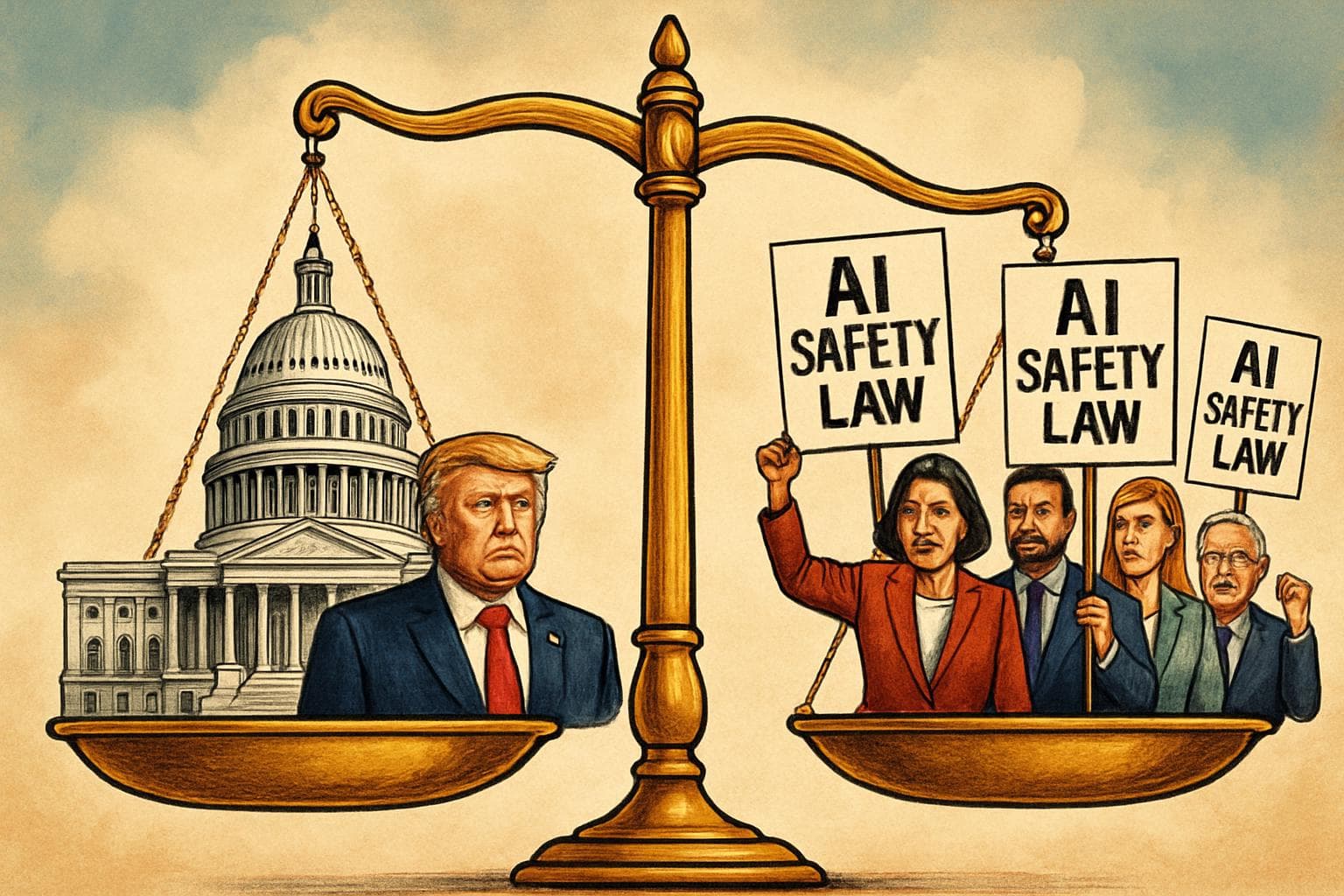
In a significant move to centralize control over artificial intelligence (AI) regulation, President Donald Trump signed an executive order on Thursday aimed at preventing individual states from enforcing their own AI laws. This decision has sparked a heated debate between federal and state authorities over the future of AI governance in the United States.
Federal Control Over AI Regulation
The executive order establishes a federal task force with the sole responsibility of challenging state AI regulations, a move that has been welcomed by technology giants. "We want to have one central source of approval," Trump stated during the signing ceremony, emphasizing the need for a unified national policy to foster AI innovation. The order is designed to eliminate the bureaucratic hurdles that could arise from a patchwork of state laws, which AI companies argue could stifle the industry's growth and competitiveness, particularly against global rivals like China.
State-Level Pushback
However, the order has been met with strong opposition from states like California, which has already implemented its own AI regulations. California Governor Gavin Newsom criticized the executive order, accusing Trump of undermining state rights and prioritizing corporate interests over public safety. "Today, President Trump continued his ongoing grift in the White House," Newsom stated, highlighting the importance of state laws in setting standards for AI safety and accountability.
Implications for the AI Industry
The executive order is seen as a victory for Silicon Valley, which has long lobbied against state-level AI regulations. AI companies argue that a unified federal approach is essential to maintaining America's leadership in the fast-evolving AI industry. Despite this, critics point out that the lack of comprehensive federal regulation leaves significant gaps in addressing the social, environmental, and ethical impacts of AI technologies.
Broader Concerns and Criticism
Civil liberties groups and state leaders have voiced concerns that the order could lead to increased power for Silicon Valley companies, potentially exposing vulnerable populations to the risks associated with AI, such as surveillance and algorithmic bias. "Trump’s campaign to threaten, harass and punish states that seek to pass commonsense AI regulations is just another chapter in his playbook," said Teri Olle of Economic Security California Action.
WHAT THIS MIGHT MEAN
The executive order's impact on AI regulation in the U.S. will likely unfold over the coming months as federal and state authorities navigate the legal and political challenges it presents. If successful, the order could streamline AI innovation by creating a cohesive regulatory environment. However, it may also lead to increased tensions between federal and state governments, particularly if states continue to push for their own AI safeguards. Experts suggest that without comprehensive federal legislation addressing AI's broader impacts, significant regulatory gaps will remain, potentially affecting public trust and the ethical development of AI technologies.
Related Articles

UK Faces Dilemmas Amid Iran Conflict and China Spying Allegations
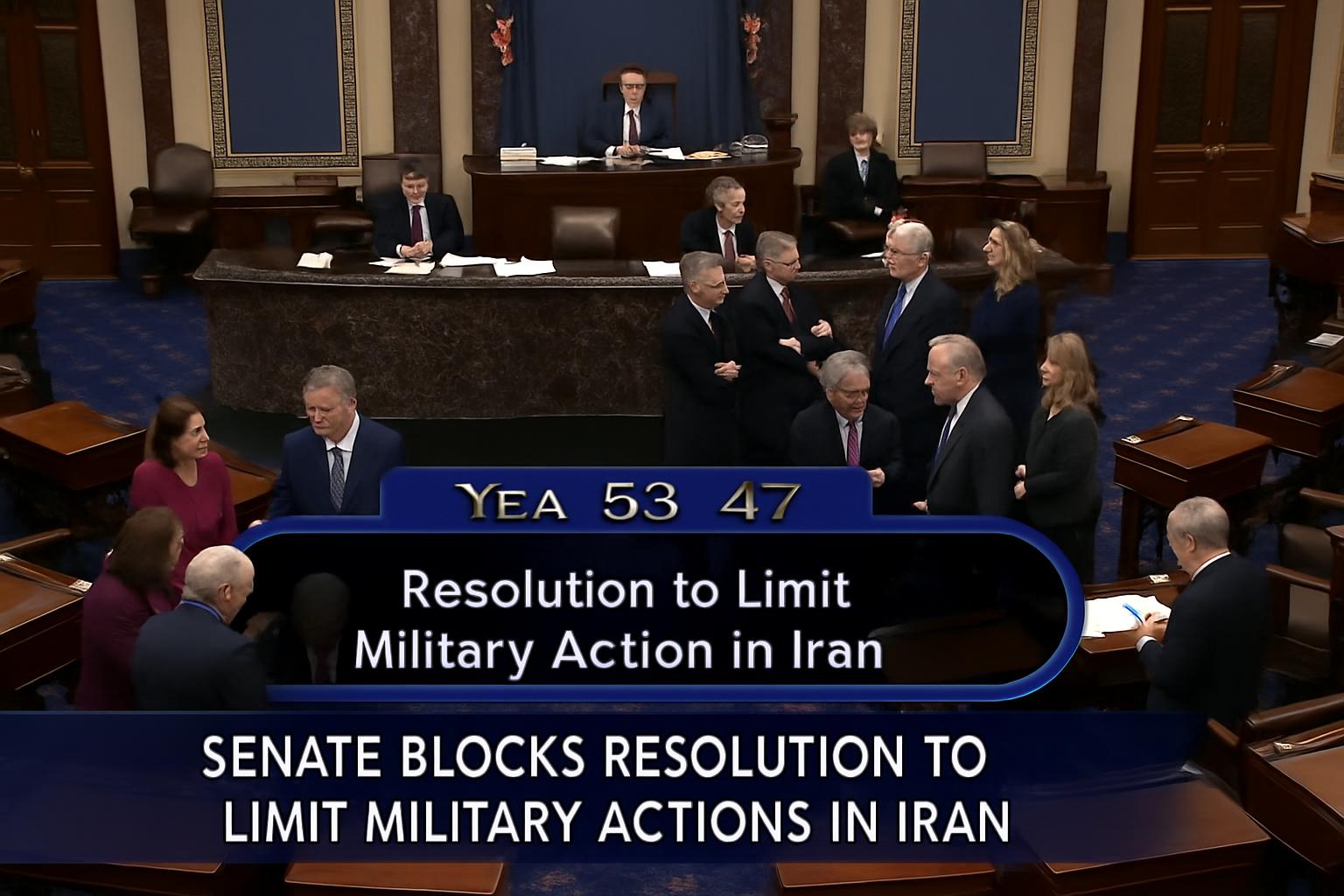
Senate Blocks Resolution to Limit Trump's Military Actions in Iran
Spain's Sánchez Stands Firm Against Trump's Trade Threat Over Iran Stance

Iran Postpones Khamenei Funeral Amid Escalating US-Israeli Strikes
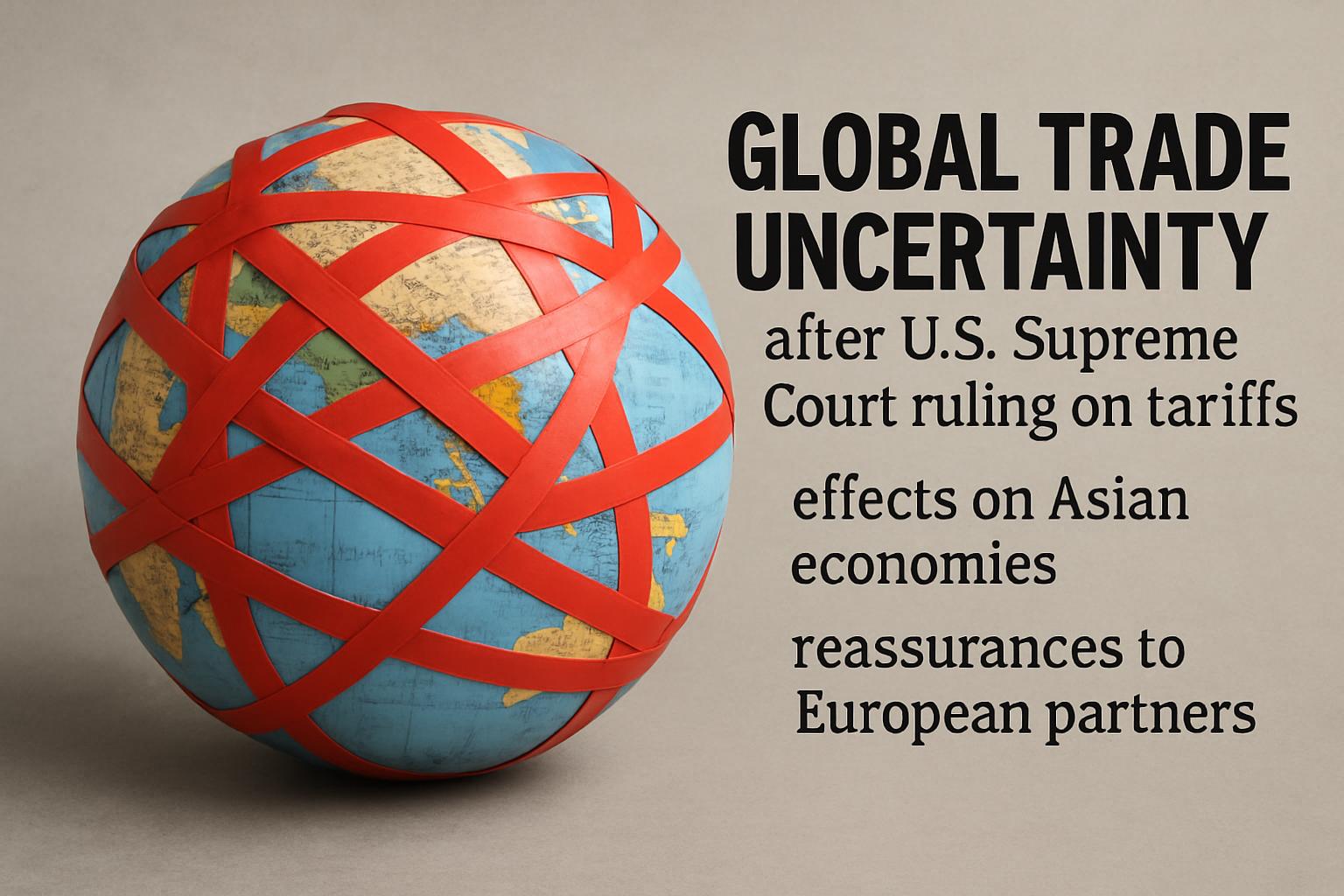
US Supreme Court Ruling Sparks Trade Uncertainty in Asia and Beyond
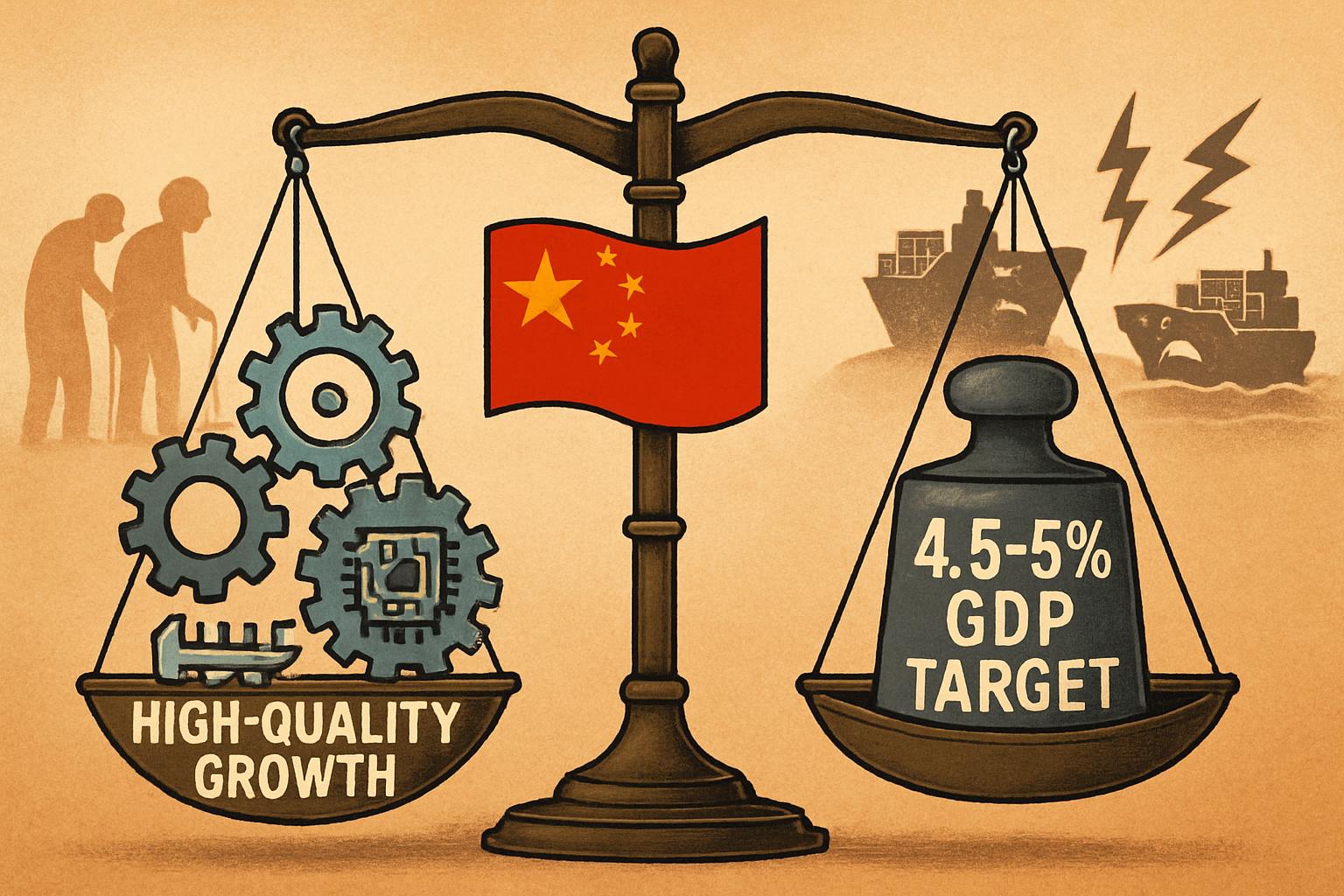
China Sets Lowest GDP Growth Target in Decades Amid Economic Challenges
Trump's Executive Order Centralizes AI Regulation, Sparks State Opposition
In This Article
 Ethan Brooks| Published
 HIGHLIGHTS
- President Donald Trump signed an executive order to prevent states from enforcing their own AI regulations, centralizing control at the federal level.
- The order establishes a federal task force to challenge state AI laws, aiming to streamline AI industry operations across the U.S.
- California and other states have criticized the order, arguing it undermines state rights and necessary AI safeguards.
- The order is seen as a victory for Silicon Valley, which has lobbied against state-level AI regulations that could hinder innovation.
- Critics argue the lack of comprehensive federal AI regulation leaves significant gaps in addressing AI's social and ethical impacts.
In a significant move to centralize control over artificial intelligence (AI) regulation, President Donald Trump signed an executive order on Thursday aimed at preventing individual states from enforcing their own AI laws. This decision has sparked a heated debate between federal and state authorities over the future of AI governance in the United States.
Federal Control Over AI Regulation
The executive order establishes a federal task force with the sole responsibility of challenging state AI regulations, a move that has been welcomed by technology giants. "We want to have one central source of approval," Trump stated during the signing ceremony, emphasizing the need for a unified national policy to foster AI innovation. The order is designed to eliminate the bureaucratic hurdles that could arise from a patchwork of state laws, which AI companies argue could stifle the industry's growth and competitiveness, particularly against global rivals like China.
State-Level Pushback
However, the order has been met with strong opposition from states like California, which has already implemented its own AI regulations. California Governor Gavin Newsom criticized the executive order, accusing Trump of undermining state rights and prioritizing corporate interests over public safety. "Today, President Trump continued his ongoing grift in the White House," Newsom stated, highlighting the importance of state laws in setting standards for AI safety and accountability.
Implications for the AI Industry
The executive order is seen as a victory for Silicon Valley, which has long lobbied against state-level AI regulations. AI companies argue that a unified federal approach is essential to maintaining America's leadership in the fast-evolving AI industry. Despite this, critics point out that the lack of comprehensive federal regulation leaves significant gaps in addressing the social, environmental, and ethical impacts of AI technologies.
Broader Concerns and Criticism
Civil liberties groups and state leaders have voiced concerns that the order could lead to increased power for Silicon Valley companies, potentially exposing vulnerable populations to the risks associated with AI, such as surveillance and algorithmic bias. "Trump’s campaign to threaten, harass and punish states that seek to pass commonsense AI regulations is just another chapter in his playbook," said Teri Olle of Economic Security California Action.
WHAT THIS MIGHT MEAN
The executive order's impact on AI regulation in the U.S. will likely unfold over the coming months as federal and state authorities navigate the legal and political challenges it presents. If successful, the order could streamline AI innovation by creating a cohesive regulatory environment. However, it may also lead to increased tensions between federal and state governments, particularly if states continue to push for their own AI safeguards. Experts suggest that without comprehensive federal legislation addressing AI's broader impacts, significant regulatory gaps will remain, potentially affecting public trust and the ethical development of AI technologies.
Related Articles
UK Faces Dilemmas Amid Iran Conflict and China Spying Allegations
Senate Blocks Resolution to Limit Trump's Military Actions in Iran
Spain's Sánchez Stands Firm Against Trump's Trade Threat Over Iran Stance
Iran Postpones Khamenei Funeral Amid Escalating US-Israeli Strikes
US Supreme Court Ruling Sparks Trade Uncertainty in Asia and Beyond
China Sets Lowest GDP Growth Target in Decades Amid Economic Challenges