
Trump's "Board of Peace" Aims to Rebuild and Govern Gaza
In This Article
HIGHLIGHTS
- The Trump administration has established a "Board of Peace" to oversee Gaza's reconstruction and governance, chaired by Donald Trump.
- Notable members include former UK Prime Minister Tony Blair, US Secretary of State Marco Rubio, and Trump's son-in-law Jared Kushner.
- The board aims to stabilize Gaza through governance, reconstruction, and investment, with further appointments expected.
- A separate Palestinian technocratic committee will manage day-to-day governance in Gaza, led by Ali Shaath.
- The initiative follows a US-brokered ceasefire between Israel and Hamas, with ongoing challenges such as Hamas' disarmament.
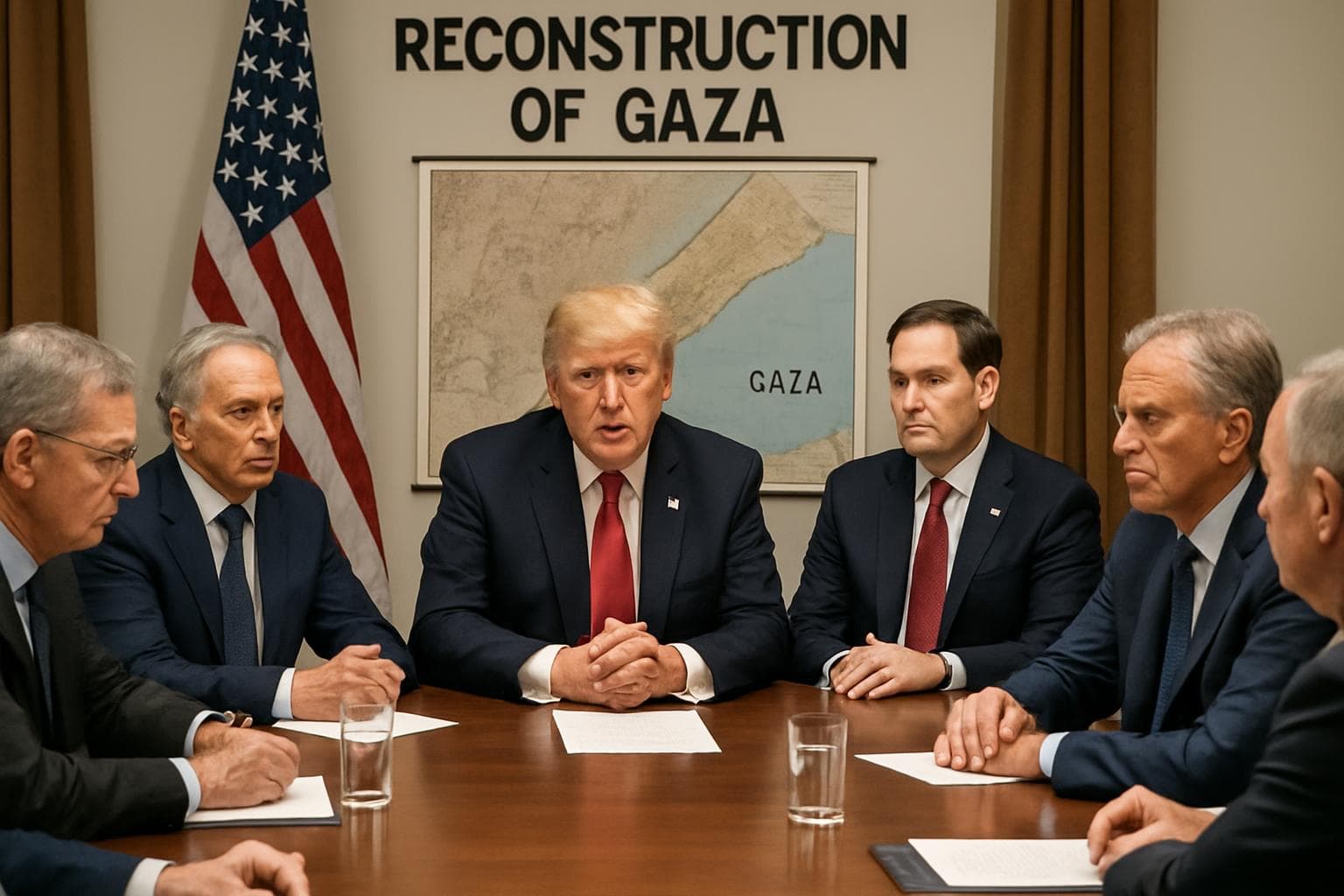
The Trump administration has unveiled a new initiative aimed at the reconstruction and governance of Gaza, forming a "Board of Peace" to oversee the process. Announced by the White House, this board is part of a broader strategy to stabilize the region following a fragile ceasefire between Israel and Hamas.
Key Figures and Objectives
Chaired by President Donald Trump, the board includes prominent figures such as former UK Prime Minister Tony Blair, US Secretary of State Marco Rubio, and Jared Kushner, Trump's son-in-law and advisor. The board's mission is to manage Gaza's reconstruction, governance capacity-building, and investment attraction, with each member overseeing a specific portfolio critical to Gaza's stabilization.
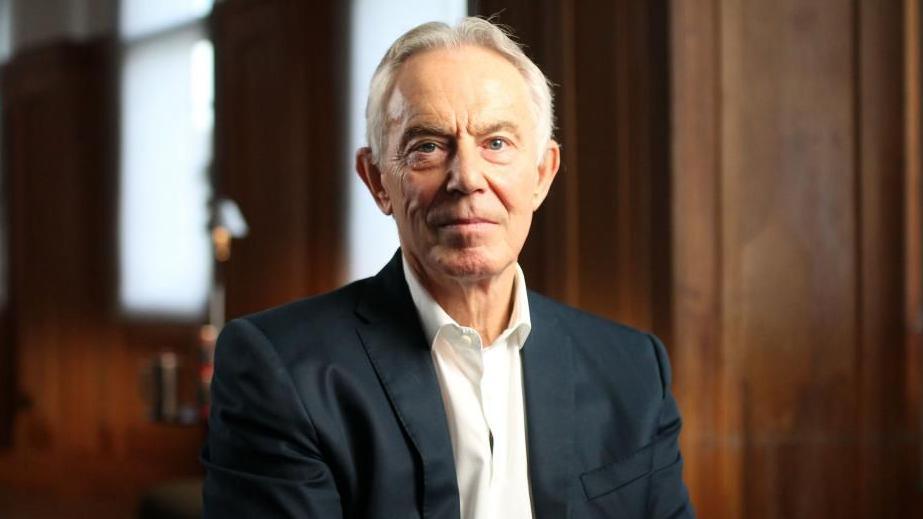
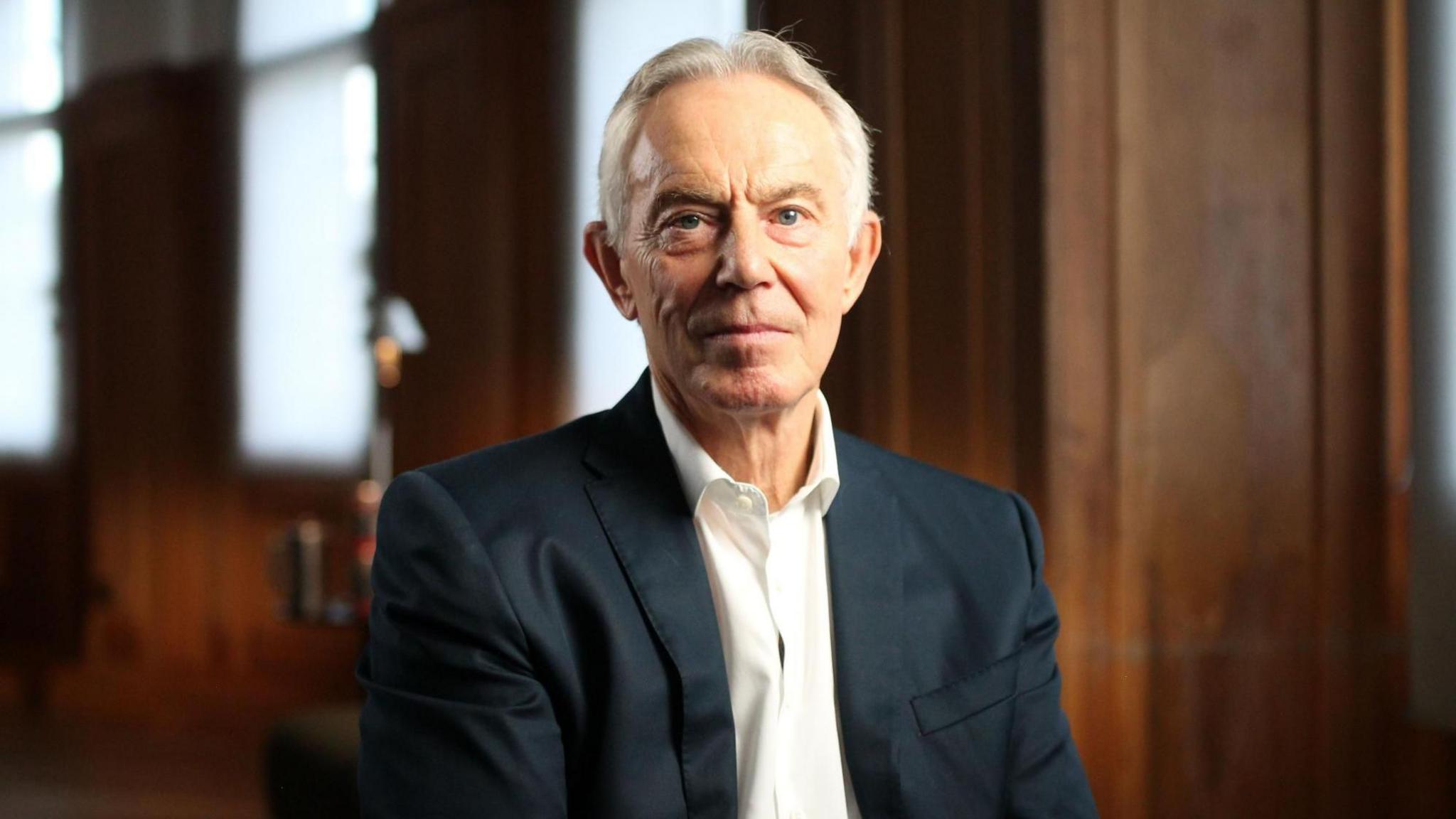
Tony Blair's involvement has sparked debate due to his controversial role in the Iraq War, though his experience as a Middle East envoy is seen as potentially beneficial. Marco Rubio, known for his strong stance against Hamas, has expressed support for the ceasefire, marking a shift in his approach.
Supporting Structures and Challenges
Complementing the board's efforts, a Palestinian technocratic committee led by Ali Shaath will handle the day-to-day administration of Gaza. This committee is tasked with ensuring effective governance and economic development in the post-war territory.
Despite the ceasefire, challenges remain, particularly regarding the disarmament of Hamas, a key demand from Israel. The board's success will depend on navigating these complex issues while fostering international cooperation.
International and Regional Implications
The board's formation is part of a US-brokered plan to end the conflict in Gaza, with the White House emphasizing collaboration with Israel, Arab nations, and the international community. The initiative also includes deploying an International Stabilisation Force to support Palestinian police forces, led by US Major General Jasper Jeffers.
WHAT THIS MIGHT MEAN
The establishment of the "Board of Peace" marks a significant step in US foreign policy towards Gaza, with potential implications for regional stability. If successful, the board could pave the way for long-term peace and development in the region. However, the controversial figures involved and the complex political landscape present significant hurdles.
Experts suggest that the board's effectiveness will largely depend on its ability to foster cooperation among diverse stakeholders, including Israel, Palestine, and international partners. The disarmament of Hamas remains a contentious issue that could impact the board's progress and the broader peace process.
As the board begins its work, the international community will closely watch its efforts to rebuild and govern Gaza, assessing whether this initiative can bring about lasting change in a region long plagued by conflict.
Images from the Web
Related Articles

Tech Giants Pledge to Cover AI Data Center Energy Costs Amid Rising Electricity Concerns
Senate Blocks Resolution to Limit Trump's Military Actions in Iran
Congress Subpoenas Attorney General Bondi in Epstein Investigation

Middle East Conflict Drives UK Energy Prices to New Highs

UK Faces Dilemmas Amid Iran Conflict and China Spying Allegations
US and Israel Intensify Military Campaign as Iran's Capabilities Dwindle
Trump's "Board of Peace" Aims to Rebuild and Govern Gaza
In This Article
 Alex Carter| Published
 HIGHLIGHTS
- The Trump administration has established a "Board of Peace" to oversee Gaza's reconstruction and governance, chaired by Donald Trump.
- Notable members include former UK Prime Minister Tony Blair, US Secretary of State Marco Rubio, and Trump's son-in-law Jared Kushner.
- The board aims to stabilize Gaza through governance, reconstruction, and investment, with further appointments expected.
- A separate Palestinian technocratic committee will manage day-to-day governance in Gaza, led by Ali Shaath.
- The initiative follows a US-brokered ceasefire between Israel and Hamas, with ongoing challenges such as Hamas' disarmament.
The Trump administration has unveiled a new initiative aimed at the reconstruction and governance of Gaza, forming a "Board of Peace" to oversee the process. Announced by the White House, this board is part of a broader strategy to stabilize the region following a fragile ceasefire between Israel and Hamas.
Key Figures and Objectives
Chaired by President Donald Trump, the board includes prominent figures such as former UK Prime Minister Tony Blair, US Secretary of State Marco Rubio, and Jared Kushner, Trump's son-in-law and advisor. The board's mission is to manage Gaza's reconstruction, governance capacity-building, and investment attraction, with each member overseeing a specific portfolio critical to Gaza's stabilization.
Tony Blair's involvement has sparked debate due to his controversial role in the Iraq War, though his experience as a Middle East envoy is seen as potentially beneficial. Marco Rubio, known for his strong stance against Hamas, has expressed support for the ceasefire, marking a shift in his approach.
Supporting Structures and Challenges
Complementing the board's efforts, a Palestinian technocratic committee led by Ali Shaath will handle the day-to-day administration of Gaza. This committee is tasked with ensuring effective governance and economic development in the post-war territory.
Despite the ceasefire, challenges remain, particularly regarding the disarmament of Hamas, a key demand from Israel. The board's success will depend on navigating these complex issues while fostering international cooperation.
International and Regional Implications
The board's formation is part of a US-brokered plan to end the conflict in Gaza, with the White House emphasizing collaboration with Israel, Arab nations, and the international community. The initiative also includes deploying an International Stabilisation Force to support Palestinian police forces, led by US Major General Jasper Jeffers.
WHAT THIS MIGHT MEAN
The establishment of the "Board of Peace" marks a significant step in US foreign policy towards Gaza, with potential implications for regional stability. If successful, the board could pave the way for long-term peace and development in the region. However, the controversial figures involved and the complex political landscape present significant hurdles.
Experts suggest that the board's effectiveness will largely depend on its ability to foster cooperation among diverse stakeholders, including Israel, Palestine, and international partners. The disarmament of Hamas remains a contentious issue that could impact the board's progress and the broader peace process.
As the board begins its work, the international community will closely watch its efforts to rebuild and govern Gaza, assessing whether this initiative can bring about lasting change in a region long plagued by conflict.
Images from the Web
Related Articles
Tech Giants Pledge to Cover AI Data Center Energy Costs Amid Rising Electricity Concerns
Senate Blocks Resolution to Limit Trump's Military Actions in Iran
Congress Subpoenas Attorney General Bondi in Epstein Investigation
Middle East Conflict Drives UK Energy Prices to New Highs
UK Faces Dilemmas Amid Iran Conflict and China Spying Allegations
US and Israel Intensify Military Campaign as Iran's Capabilities Dwindle