
Trump's Copper Tariffs: A Boon for Mining, a Burden for Manufacturing
In This Article
HIGHLIGHTS
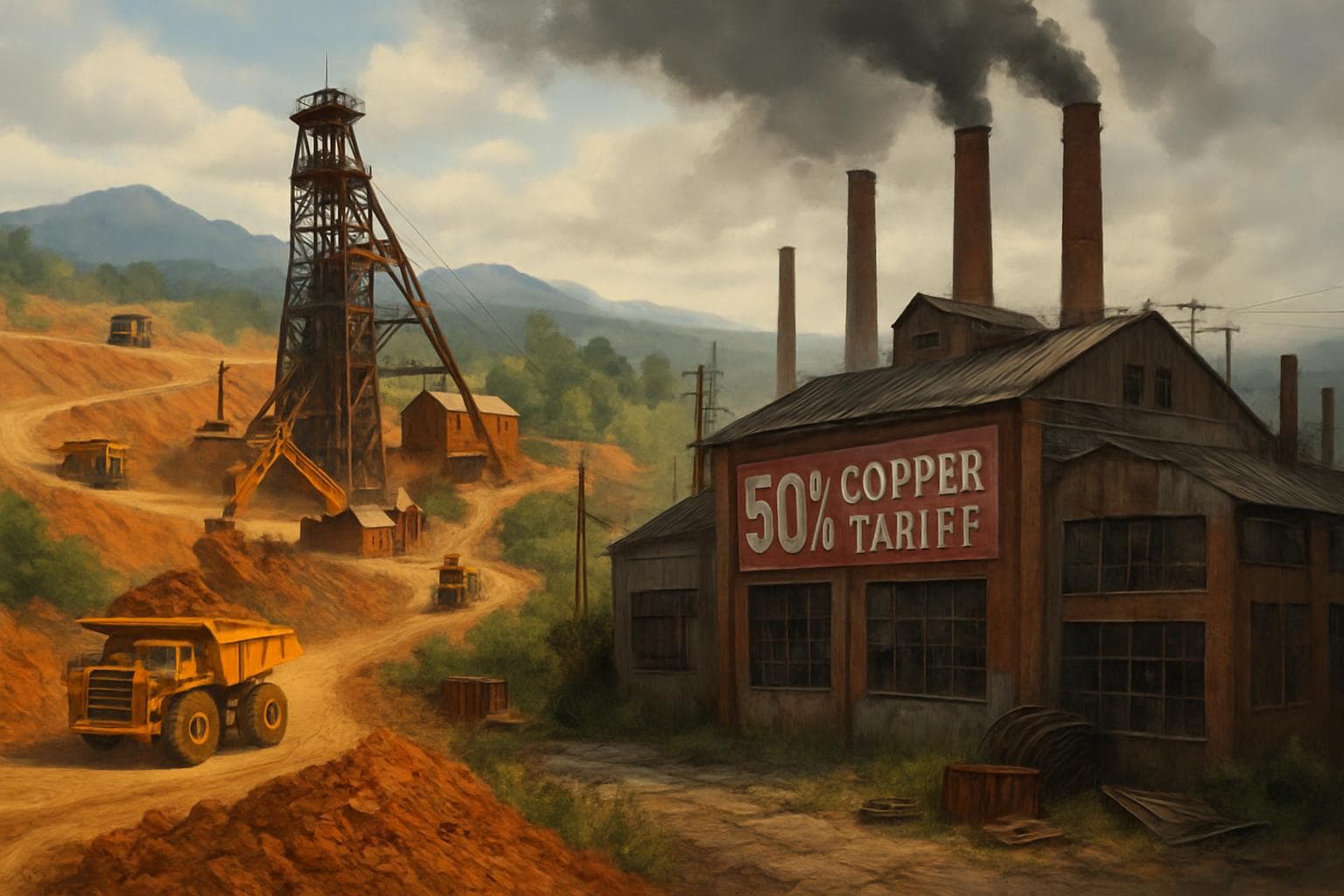
- President Trump plans to impose a 50% tariff on copper imports starting August 1, aiming to revitalize the US copper industry.
- The tariffs could increase manufacturing costs by 2% to 4.5%, potentially leading to wage stagnation or job losses in factories.
- Critics argue that the tariffs may lead to higher consumer prices and broader economic inflation.
- The US was once a leading copper producer but now imports about 50% of its copper, primarily from Mexico, Chile, and Canada.
- The International Energy Agency warns of a potential 30% gap between copper demand and supply by 2035 due to rising global demand.
President Donald Trump's decision to impose a 50% tariff on copper imports has sparked a mix of support and concern across various sectors of the US economy. Set to take effect on August 1, the tariffs are part of a broader strategy to bolster domestic industries and reduce reliance on foreign materials. However, the move has drawn criticism for its potential to inflate costs and disrupt global supply chains.
Reviving the US Copper Industry
Robert Friedland, a prominent mining entrepreneur and founder of Ivanhoe Mines, has welcomed the tariffs, viewing them as a catalyst for rejuvenating the US copper industry. "The new administration is focused on ensuring stable access to raw materials," Friedland told the BBC, emphasizing the importance of domestic production for national security. The US, which once led global copper production, now imports half of its copper needs, primarily from Mexico, Chile, and Canada.
Economic Concerns and Manufacturing Impact
While the tariffs aim to strengthen the US economy, they pose significant challenges for the manufacturing sector. A recent analysis by the Washington Center for Equitable Growth suggests that factory costs could rise by 2% to 4.5%, potentially leading to wage stagnation or even layoffs. Chris Bangert-Drowns, the researcher behind the study, warned that such cost increases could strain factories operating on slim profit margins.
Broader Economic Implications
Critics argue that the tariffs could exacerbate inflationary pressures, as higher copper prices ripple through industries reliant on the metal. Ewa Manthey, a commodities strategist at ING, noted that rising production costs could hinder economic growth, especially as the US central bank grapples with inflation control. The International Energy Agency has also highlighted a looming supply-demand gap, predicting that global copper demand could outstrip supply by 30% by 2035.
Political and Global Reactions
The tariffs have prompted backlash from key trading partners, with Canadian Industry Minister Melanie Joly vowing to oppose the move. Meanwhile, Trump has defended his tariff strategy, asserting that it will reduce the budget deficit and create domestic jobs. However, the potential for higher consumer prices and slower economic growth remains a concern, particularly in manufacturing-heavy swing states like Michigan and Wisconsin.
WHAT THIS MIGHT MEAN
The imposition of copper tariffs could lead to a resurgence in US mining activities, potentially creating jobs and reducing dependency on foreign imports. However, the broader economic impact may include increased consumer prices and potential job losses in manufacturing sectors heavily reliant on imported materials. As the tariffs take effect, the administration's ability to balance domestic industry growth with economic stability will be closely scrutinized. The outcome could influence future trade policies and shape the political landscape ahead of upcoming elections.
Images from the Web
Related Articles
Trump's New Tariff Strategy Sparks Global Trade Uncertainty

Tech Giants Pledge to Cover AI Data Center Energy Costs Amid Rising Electricity Concerns
Canada and Australia Forge Strategic Partnership Amid Global Uncertainty

Congress Subpoenas Attorney General Bondi in Epstein Investigation

Cuba Faces Widespread Blackout Amid Deepening Fuel Crisis

UK Faces Dilemmas Amid Iran Conflict and China Spying Allegations
Trump's Copper Tariffs: A Boon for Mining, a Burden for Manufacturing
In This Article
 Daniel Rivera| Published
 HIGHLIGHTS
- President Trump plans to impose a 50% tariff on copper imports starting August 1, aiming to revitalize the US copper industry.
- The tariffs could increase manufacturing costs by 2% to 4.5%, potentially leading to wage stagnation or job losses in factories.
- Critics argue that the tariffs may lead to higher consumer prices and broader economic inflation.
- The US was once a leading copper producer but now imports about 50% of its copper, primarily from Mexico, Chile, and Canada.
- The International Energy Agency warns of a potential 30% gap between copper demand and supply by 2035 due to rising global demand.
President Donald Trump's decision to impose a 50% tariff on copper imports has sparked a mix of support and concern across various sectors of the US economy. Set to take effect on August 1, the tariffs are part of a broader strategy to bolster domestic industries and reduce reliance on foreign materials. However, the move has drawn criticism for its potential to inflate costs and disrupt global supply chains.
Reviving the US Copper Industry
Robert Friedland, a prominent mining entrepreneur and founder of Ivanhoe Mines, has welcomed the tariffs, viewing them as a catalyst for rejuvenating the US copper industry. "The new administration is focused on ensuring stable access to raw materials," Friedland told the BBC, emphasizing the importance of domestic production for national security. The US, which once led global copper production, now imports half of its copper needs, primarily from Mexico, Chile, and Canada.
Economic Concerns and Manufacturing Impact
While the tariffs aim to strengthen the US economy, they pose significant challenges for the manufacturing sector. A recent analysis by the Washington Center for Equitable Growth suggests that factory costs could rise by 2% to 4.5%, potentially leading to wage stagnation or even layoffs. Chris Bangert-Drowns, the researcher behind the study, warned that such cost increases could strain factories operating on slim profit margins.
Broader Economic Implications
Critics argue that the tariffs could exacerbate inflationary pressures, as higher copper prices ripple through industries reliant on the metal. Ewa Manthey, a commodities strategist at ING, noted that rising production costs could hinder economic growth, especially as the US central bank grapples with inflation control. The International Energy Agency has also highlighted a looming supply-demand gap, predicting that global copper demand could outstrip supply by 30% by 2035.
Political and Global Reactions
The tariffs have prompted backlash from key trading partners, with Canadian Industry Minister Melanie Joly vowing to oppose the move. Meanwhile, Trump has defended his tariff strategy, asserting that it will reduce the budget deficit and create domestic jobs. However, the potential for higher consumer prices and slower economic growth remains a concern, particularly in manufacturing-heavy swing states like Michigan and Wisconsin.
WHAT THIS MIGHT MEAN
The imposition of copper tariffs could lead to a resurgence in US mining activities, potentially creating jobs and reducing dependency on foreign imports. However, the broader economic impact may include increased consumer prices and potential job losses in manufacturing sectors heavily reliant on imported materials. As the tariffs take effect, the administration's ability to balance domestic industry growth with economic stability will be closely scrutinized. The outcome could influence future trade policies and shape the political landscape ahead of upcoming elections.
Images from the Web
Related Articles
Trump's New Tariff Strategy Sparks Global Trade Uncertainty
Tech Giants Pledge to Cover AI Data Center Energy Costs Amid Rising Electricity Concerns
Canada and Australia Forge Strategic Partnership Amid Global Uncertainty
Congress Subpoenas Attorney General Bondi in Epstein Investigation
Cuba Faces Widespread Blackout Amid Deepening Fuel Crisis
UK Faces Dilemmas Amid Iran Conflict and China Spying Allegations