
Tensions Rise as Trump Eyes Greenland Amid NATO Concerns

In This Article
HIGHLIGHTS
- US President Donald Trump has expressed a desire to acquire Greenland, citing national security concerns, but has not ruled out military action.
- Denmark and Greenland firmly oppose the US acquisition, emphasizing Greenland's sovereignty and NATO's importance.
- Danish Prime Minister Mette Frederiksen described the situation as a "fateful moment" for Denmark and NATO.
- European leaders, including those from Sweden, have criticized Trump's rhetoric and supported Denmark's stance.
- Diplomatic efforts are underway to address US security concerns without compromising Greenland's autonomy.
In a move that has stirred international debate, US President Donald Trump has reiterated his administration's interest in acquiring Greenland, a semi-autonomous Danish territory, citing national security reasons. This has raised alarms in Denmark and among NATO allies, as Trump has not ruled out the possibility of using military force.
Denmark's Firm Stance
Danish Prime Minister Mette Frederiksen has called the situation a "fateful moment" for Denmark, emphasizing the potential threat to NATO's unity. Speaking at a political rally, Frederiksen warned that the US's actions could signify a turning point in transatlantic relations. "What is at stake is bigger than what the eye can see," she stated, underscoring the importance of maintaining the alliance's integrity.
Greenland's Sovereignty and Security
Greenland's leaders have united in their opposition to becoming part of the United States, asserting their right to self-determination. Jens-Frederik Nielsen, Greenland's Prime Minister, emphasized, "We don’t want to be Americans, we want to be Greenlanders." The strategic location of Greenland makes it a key player in Arctic security, a point not lost on Trump, who has claimed, albeit without evidence, that the island is overrun with Russian and Chinese ships.
International Reactions and Diplomatic Efforts
European leaders have voiced their support for Denmark, with Swedish Prime Minister Ulf Kristersson condemning the US's aggressive rhetoric. Diplomatic channels are being explored to address US security concerns, with NATO considering increased military presence in the Arctic as a potential solution. The EU and NATO are also contemplating economic and diplomatic measures to deter any unilateral US action.
Historical Echoes and Strategic Implications
Trump's stance has drawn comparisons to Cold War-era Soviet actions, where military force was used against allied nations. Experts warn that any US attempt to forcibly acquire Greenland could fracture NATO, a scenario that defies the alliance's foundational principles. Charles Kupchan, a former White House official, noted, "The idea that the United States could find itself at war with a NATO ally really does defy the imagination."
WHAT THIS MIGHT MEAN
The unfolding situation around Greenland presents several potential outcomes. If diplomatic efforts succeed, a peaceful resolution could reinforce NATO's unity and address US security concerns without compromising Greenland's autonomy. However, should tensions escalate, the alliance might face unprecedented challenges, potentially leading to a reevaluation of its strategic priorities.
The EU and NATO's response will be crucial in shaping the future of transatlantic relations. Increased military presence in the Arctic and diplomatic negotiations could serve as a deterrent to unilateral actions by the US. Ultimately, the situation underscores the delicate balance between national interests and international alliances in a rapidly changing geopolitical landscape.
Images from the Web
Related Articles
Spain's Sánchez Stands Firm Against Trump's Trade Threat Over Iran Stance
US Supreme Court Ruling Sparks Trade Uncertainty in Asia and Beyond
Trump's New Tariff Strategy Sparks Global Trade Uncertainty
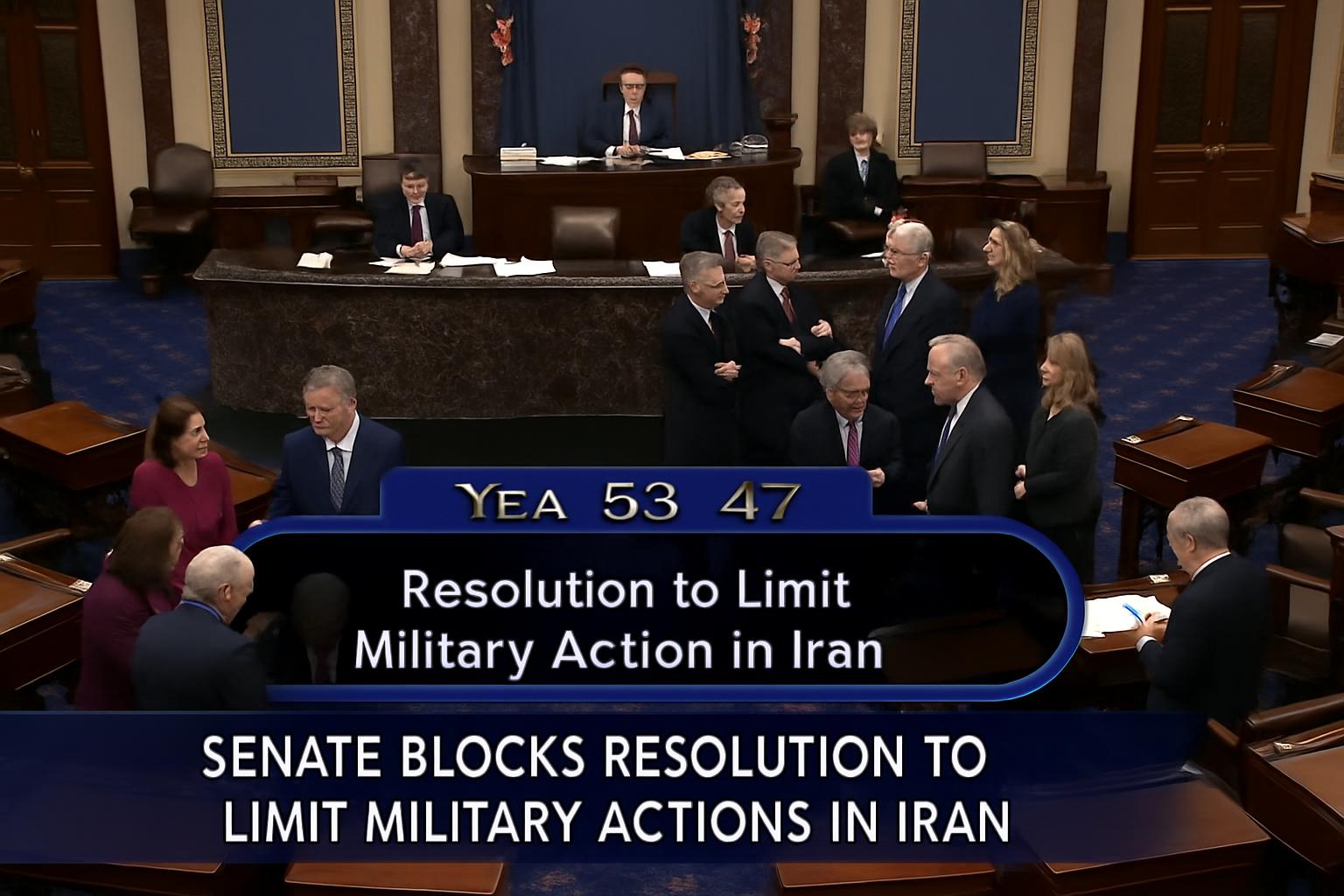
Senate Blocks Resolution to Limit Trump's Military Actions in Iran
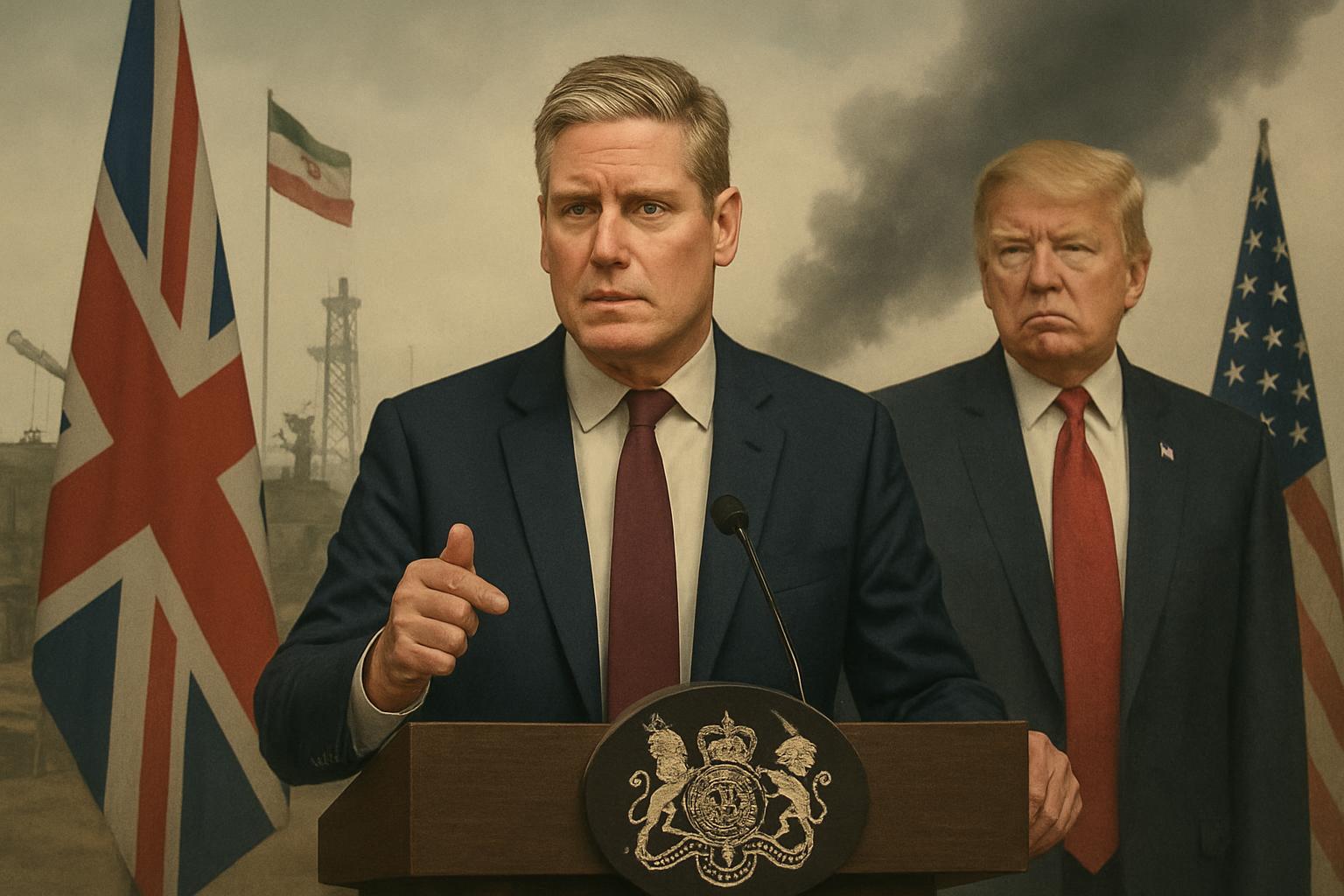
UK-Iran Tensions: Starmer Defends Cautious Approach Amid Trump Criticism
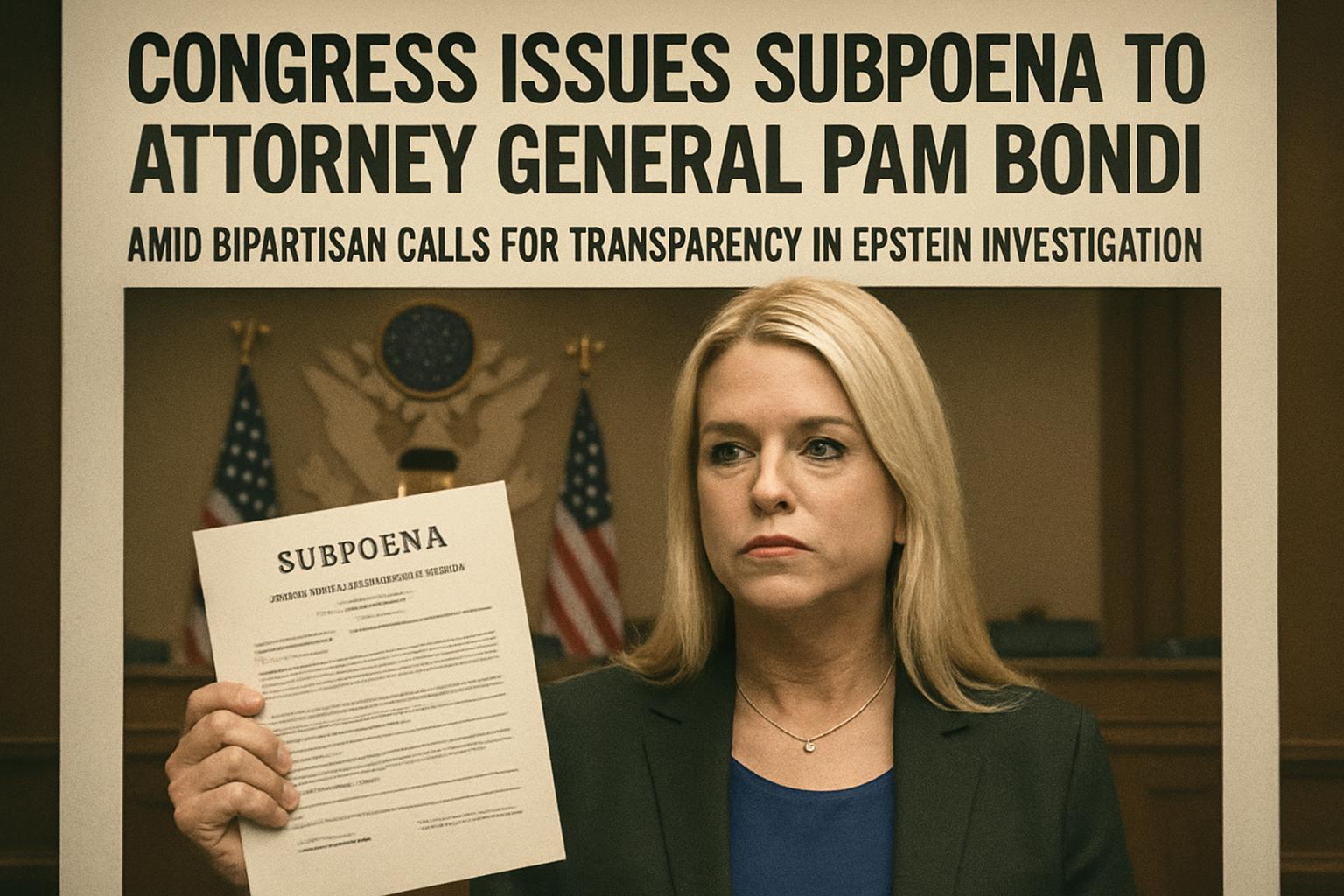
Congress Subpoenas Attorney General Bondi in Epstein Investigation
Tensions Rise as Trump Eyes Greenland Amid NATO Concerns
In This Article
 Ethan Brooks| Published
 HIGHLIGHTS
- US President Donald Trump has expressed a desire to acquire Greenland, citing national security concerns, but has not ruled out military action.
- Denmark and Greenland firmly oppose the US acquisition, emphasizing Greenland's sovereignty and NATO's importance.
- Danish Prime Minister Mette Frederiksen described the situation as a "fateful moment" for Denmark and NATO.
- European leaders, including those from Sweden, have criticized Trump's rhetoric and supported Denmark's stance.
- Diplomatic efforts are underway to address US security concerns without compromising Greenland's autonomy.
In a move that has stirred international debate, US President Donald Trump has reiterated his administration's interest in acquiring Greenland, a semi-autonomous Danish territory, citing national security reasons. This has raised alarms in Denmark and among NATO allies, as Trump has not ruled out the possibility of using military force.
Denmark's Firm Stance
Danish Prime Minister Mette Frederiksen has called the situation a "fateful moment" for Denmark, emphasizing the potential threat to NATO's unity. Speaking at a political rally, Frederiksen warned that the US's actions could signify a turning point in transatlantic relations. "What is at stake is bigger than what the eye can see," she stated, underscoring the importance of maintaining the alliance's integrity.
Greenland's Sovereignty and Security
Greenland's leaders have united in their opposition to becoming part of the United States, asserting their right to self-determination. Jens-Frederik Nielsen, Greenland's Prime Minister, emphasized, "We don’t want to be Americans, we want to be Greenlanders." The strategic location of Greenland makes it a key player in Arctic security, a point not lost on Trump, who has claimed, albeit without evidence, that the island is overrun with Russian and Chinese ships.
International Reactions and Diplomatic Efforts
European leaders have voiced their support for Denmark, with Swedish Prime Minister Ulf Kristersson condemning the US's aggressive rhetoric. Diplomatic channels are being explored to address US security concerns, with NATO considering increased military presence in the Arctic as a potential solution. The EU and NATO are also contemplating economic and diplomatic measures to deter any unilateral US action.
Historical Echoes and Strategic Implications
Trump's stance has drawn comparisons to Cold War-era Soviet actions, where military force was used against allied nations. Experts warn that any US attempt to forcibly acquire Greenland could fracture NATO, a scenario that defies the alliance's foundational principles. Charles Kupchan, a former White House official, noted, "The idea that the United States could find itself at war with a NATO ally really does defy the imagination."
WHAT THIS MIGHT MEAN
The unfolding situation around Greenland presents several potential outcomes. If diplomatic efforts succeed, a peaceful resolution could reinforce NATO's unity and address US security concerns without compromising Greenland's autonomy. However, should tensions escalate, the alliance might face unprecedented challenges, potentially leading to a reevaluation of its strategic priorities.
The EU and NATO's response will be crucial in shaping the future of transatlantic relations. Increased military presence in the Arctic and diplomatic negotiations could serve as a deterrent to unilateral actions by the US. Ultimately, the situation underscores the delicate balance between national interests and international alliances in a rapidly changing geopolitical landscape.
Images from the Web
Related Articles
Spain's Sánchez Stands Firm Against Trump's Trade Threat Over Iran Stance
US Supreme Court Ruling Sparks Trade Uncertainty in Asia and Beyond
Trump's New Tariff Strategy Sparks Global Trade Uncertainty
Senate Blocks Resolution to Limit Trump's Military Actions in Iran
UK-Iran Tensions: Starmer Defends Cautious Approach Amid Trump Criticism
Congress Subpoenas Attorney General Bondi in Epstein Investigation