
Trump’s Greenland Ambitions Stir Political and Diplomatic Tensions
In This Article
HIGHLIGHTS
- President Trump has intensified efforts to acquire Greenland, emphasizing economic and diplomatic tactics over military force.
- A proposed US acquisition of Greenland has sparked bipartisan opposition in Congress, with concerns about violating international law.
- Trump announced a delay in imposing tariffs on eight European countries, citing progress in negotiations over Greenland.
- The US President's Greenland ambitions have raised tensions within NATO, with European leaders expressing concern over potential alliance strains.
- Trump argues that owning Greenland is crucial for US national and global security, despite growing political backlash.
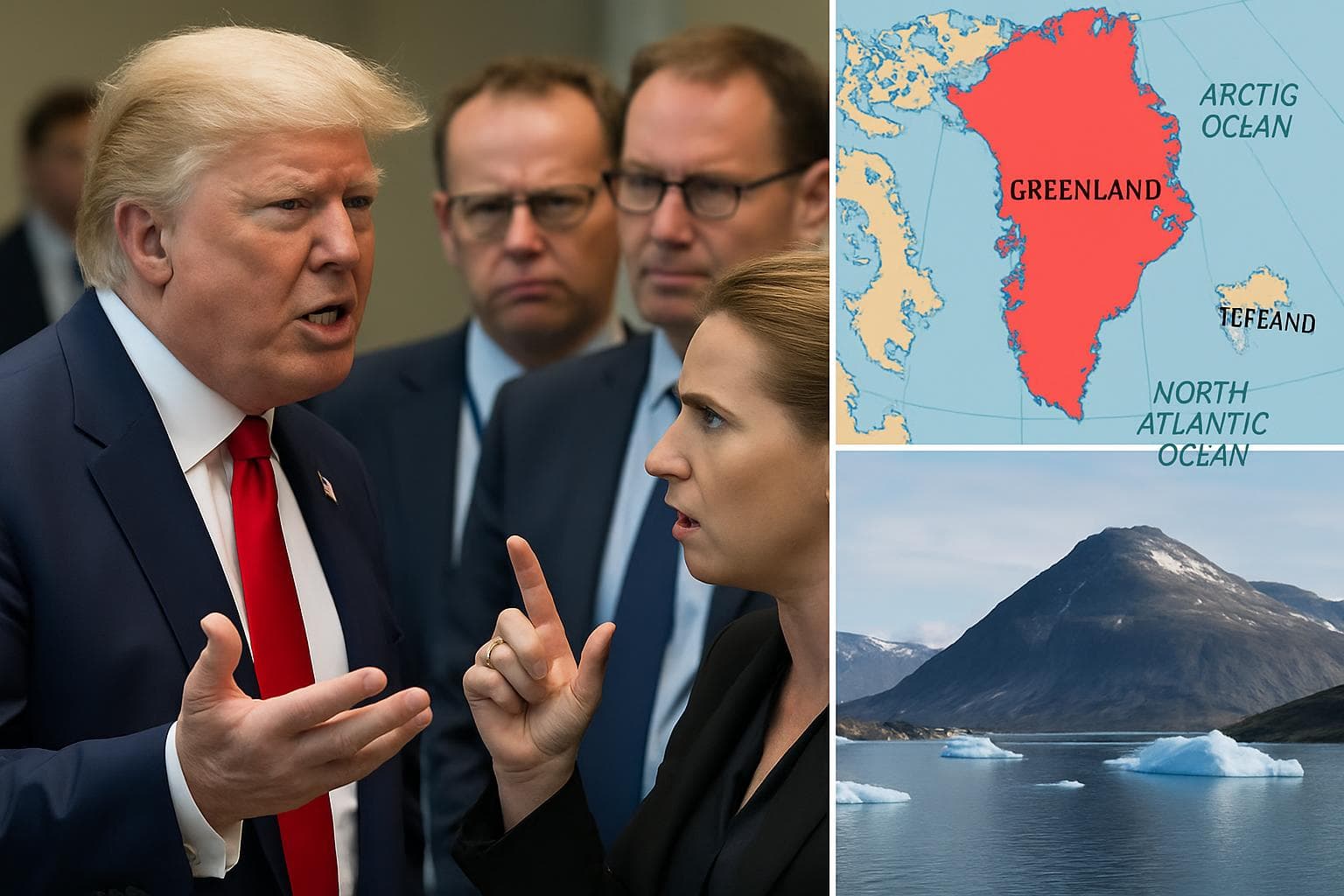
President Donald Trump's renewed push to acquire Greenland has ignited a political storm both domestically and internationally, as he seeks to leverage economic and diplomatic means to achieve his goal. Speaking at the World Economic Forum in Davos, Trump ruled out military intervention but maintained that the US is keen on negotiating the acquisition of the semi-autonomous Danish territory.
Congressional Opposition and International Concerns
The proposal has met with significant resistance in the US Congress, where both Republicans and Democrats have expressed concerns about the legality and implications of such a move. Senator Lisa Murkowski emphasized the importance of respecting Greenland's sovereignty, while Senator Thom Tillis criticized potential tariffs on countries opposing the acquisition, warning they could harm US businesses and allies.
Internationally, Trump's ambitions have strained relations within NATO. Danish Foreign Minister Lars Løkke Rasmussen acknowledged the positive step of ruling out military force but noted that the underlying issue remains unresolved. NATO allies, including Norway, have voiced apprehensions about the potential impact on the alliance's cohesion.
Economic and Diplomatic Maneuvers
In a surprising turn, Trump announced a delay in imposing tariffs on eight European countries, attributing the decision to progress in talks with NATO Secretary General Jens Stoltenberg. The discussions reportedly aim to establish a framework for a future deal involving Greenland and the broader Arctic region, which Trump claims will enhance US national security.
Despite the diplomatic overtures, Trump's insistence on acquiring Greenland has been met with skepticism. Critics argue that the move could undermine NATO unity at a time of heightened global tensions. Representative Don Bacon suggested that the President's actions might even lead to an impeachment investigation.
Strategic Importance of Greenland
Trump has consistently argued that Greenland's strategic location is vital for US and global security, particularly in countering Russian and Chinese influence in the Arctic. "We need [Greenland] for national security and even world security," he stated, underscoring the territory's perceived importance.
WHAT THIS MIGHT MEAN
The unfolding situation around Greenland's acquisition could have far-reaching implications for US foreign policy and international relations. If Trump continues to pursue this goal, it may lead to increased tensions within NATO, potentially weakening the alliance's collective security framework. Moreover, the economic and diplomatic strategies employed by the US could set a precedent for future territorial negotiations, influencing global geopolitical dynamics.
Experts suggest that the outcome of ongoing negotiations will be crucial in determining the future of US-European relations. Should a deal be reached, it could redefine Arctic security and economic cooperation, but failure to reach an agreement might exacerbate existing tensions and lead to further political fallout.
Related Articles
Trump's New Tariff Strategy Sparks Global Trade Uncertainty

UK Faces Dilemmas Amid Iran Conflict and China Spying Allegations
UK-Iran Tensions: Starmer Defends Cautious Approach Amid Trump Criticism
Spain's Sánchez Stands Firm Against Trump's Trade Threat Over Iran Stance
US Supreme Court Ruling Sparks Trade Uncertainty in Asia and Beyond
China Sets Lowest GDP Growth Target in Decades Amid Economic Challenges
Trump’s Greenland Ambitions Stir Political and Diplomatic Tensions
In This Article
 Alex Carter| Published
 HIGHLIGHTS
- President Trump has intensified efforts to acquire Greenland, emphasizing economic and diplomatic tactics over military force.
- A proposed US acquisition of Greenland has sparked bipartisan opposition in Congress, with concerns about violating international law.
- Trump announced a delay in imposing tariffs on eight European countries, citing progress in negotiations over Greenland.
- The US President's Greenland ambitions have raised tensions within NATO, with European leaders expressing concern over potential alliance strains.
- Trump argues that owning Greenland is crucial for US national and global security, despite growing political backlash.
President Donald Trump's renewed push to acquire Greenland has ignited a political storm both domestically and internationally, as he seeks to leverage economic and diplomatic means to achieve his goal. Speaking at the World Economic Forum in Davos, Trump ruled out military intervention but maintained that the US is keen on negotiating the acquisition of the semi-autonomous Danish territory.
Congressional Opposition and International Concerns
The proposal has met with significant resistance in the US Congress, where both Republicans and Democrats have expressed concerns about the legality and implications of such a move. Senator Lisa Murkowski emphasized the importance of respecting Greenland's sovereignty, while Senator Thom Tillis criticized potential tariffs on countries opposing the acquisition, warning they could harm US businesses and allies.
Internationally, Trump's ambitions have strained relations within NATO. Danish Foreign Minister Lars Løkke Rasmussen acknowledged the positive step of ruling out military force but noted that the underlying issue remains unresolved. NATO allies, including Norway, have voiced apprehensions about the potential impact on the alliance's cohesion.
Economic and Diplomatic Maneuvers
In a surprising turn, Trump announced a delay in imposing tariffs on eight European countries, attributing the decision to progress in talks with NATO Secretary General Jens Stoltenberg. The discussions reportedly aim to establish a framework for a future deal involving Greenland and the broader Arctic region, which Trump claims will enhance US national security.
Despite the diplomatic overtures, Trump's insistence on acquiring Greenland has been met with skepticism. Critics argue that the move could undermine NATO unity at a time of heightened global tensions. Representative Don Bacon suggested that the President's actions might even lead to an impeachment investigation.
Strategic Importance of Greenland
Trump has consistently argued that Greenland's strategic location is vital for US and global security, particularly in countering Russian and Chinese influence in the Arctic. "We need [Greenland] for national security and even world security," he stated, underscoring the territory's perceived importance.
WHAT THIS MIGHT MEAN
The unfolding situation around Greenland's acquisition could have far-reaching implications for US foreign policy and international relations. If Trump continues to pursue this goal, it may lead to increased tensions within NATO, potentially weakening the alliance's collective security framework. Moreover, the economic and diplomatic strategies employed by the US could set a precedent for future territorial negotiations, influencing global geopolitical dynamics.
Experts suggest that the outcome of ongoing negotiations will be crucial in determining the future of US-European relations. Should a deal be reached, it could redefine Arctic security and economic cooperation, but failure to reach an agreement might exacerbate existing tensions and lead to further political fallout.
Related Articles
Trump's New Tariff Strategy Sparks Global Trade Uncertainty
UK Faces Dilemmas Amid Iran Conflict and China Spying Allegations
UK-Iran Tensions: Starmer Defends Cautious Approach Amid Trump Criticism
Spain's Sánchez Stands Firm Against Trump's Trade Threat Over Iran Stance
US Supreme Court Ruling Sparks Trade Uncertainty in Asia and Beyond
China Sets Lowest GDP Growth Target in Decades Amid Economic Challenges