
Trump’s Greenland Deal Framework Eases Tensions but Faces Sovereignty Challenges
In This Article
HIGHLIGHTS
- US President Donald Trump announced a "framework of a future deal" over Greenland, easing tensions with Denmark and NATO allies.
- Danish and Greenlandic leaders insist on respecting Greenland's sovereignty, rejecting any compromise on territorial integrity.
- Trump's withdrawal of tariff threats against European nations was credited to diplomatic efforts by the UK and EU.
- NATO's role in Arctic security is set to increase, with discussions on a permanent presence around Greenland.
- European leaders express skepticism over the deal's details and stress the importance of respectful US-EU relations.
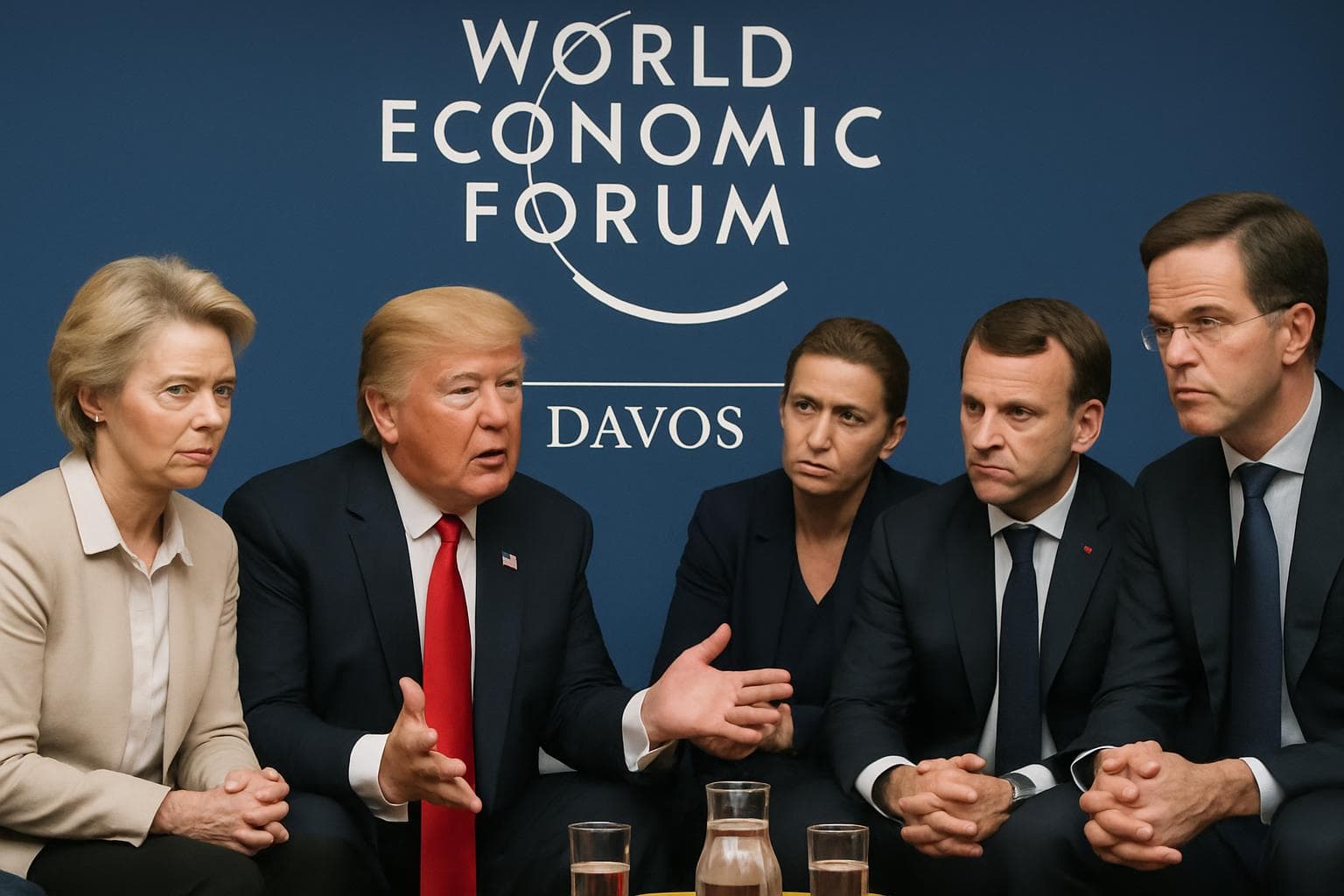
In a surprising turn of events, US President Donald Trump announced a "framework of a future deal" regarding Greenland, following weeks of escalating tensions over the Arctic territory. The announcement, made at the World Economic Forum in Davos, Switzerland, has been met with skepticism from Greenlandic and Danish leaders who remain firm on the non-negotiable nature of Greenland's sovereignty.
Diplomatic Efforts and Tariff Withdrawal
Trump's initial threats to use military force or impose tariffs on eight European countries, including the UK, were met with strong diplomatic pushback. UK Prime Minister Sir Keir Starmer and other European leaders played a crucial role in persuading Trump to retract these threats. "We've got through the last few days with a mix of British pragmatism and common sense," Starmer remarked, emphasizing the importance of security in the Arctic region.
Greenland's Sovereignty Stance
Greenland's Prime Minister Jens-Frederik Nielsen reiterated that sovereignty is a "red line" and any deal must respect Greenland's territorial integrity. Danish Prime Minister Mette Frederiksen echoed this sentiment, stating, "We cannot negotiate on our sovereignty." Despite Trump's claims of a deal granting the US "total access" to Greenland, details remain unclear, and both Greenland and Denmark have expressed the need for peaceful dialogue.
NATO's Role in Arctic Security
The framework deal suggests an increased NATO presence in the Arctic, a move supported by European leaders to address security concerns amid rising Russian activity. NATO Secretary General Mark Rutte confirmed ongoing discussions to finalize the agreement, which may involve monitoring Russian ship movements and securing mineral rights.
European Skepticism and Unity
European leaders, including EU President Ursula von der Leyen, have expressed skepticism about the deal's specifics, emphasizing the need for respectful US-EU relations. "We have to work together respectfully without threatening each other," Frederiksen stated, highlighting the importance of maintaining strong transatlantic ties.
WHAT THIS MIGHT MEAN
The announcement of a Greenland deal framework marks a temporary de-escalation in US-European tensions, but the path forward remains fraught with challenges. The insistence on Greenland's sovereignty by Danish and Greenlandic leaders suggests that any agreement will require careful negotiation to avoid infringing on territorial rights. NATO's increased role in Arctic security could bolster regional stability, yet it may also provoke further geopolitical tensions with Russia.
As European leaders continue to advocate for a united front, the future of US-European relations will likely hinge on the ability to navigate these complex issues with diplomacy and mutual respect. The evolving dynamics in the Arctic region underscore the strategic importance of Greenland, making it a focal point for international security and cooperation efforts.
Images from the Web



Related Articles
UK-Iran Tensions: Starmer Defends Cautious Approach Amid Trump Criticism
UK Government to Reform Asylum Seeker Support and Employment Policies

UK Faces Dilemmas Amid Iran Conflict and China Spying Allegations
Russian LNG Tanker Sinks in Mediterranean Amid Accusations of Ukrainian Drone Attack
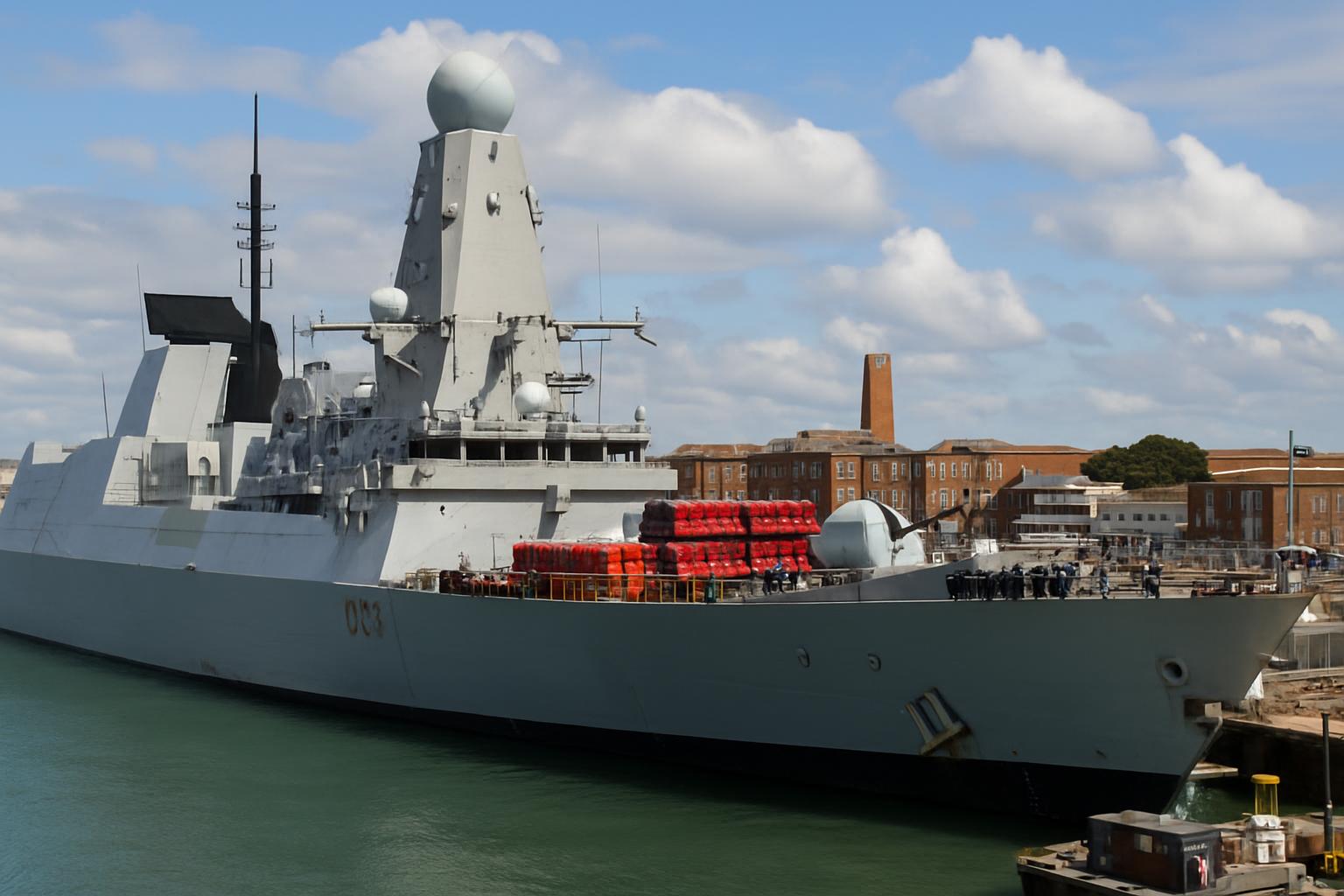
UK Reinforces Military Presence in Cyprus Amid Middle East Tensions

Persistent Safety Concerns in Nottingham Maternity Services Amidst Calls for Systemic Reform
Trump’s Greenland Deal Framework Eases Tensions but Faces Sovereignty Challenges
In This Article
 Ethan Brooks| Published
 HIGHLIGHTS
- US President Donald Trump announced a "framework of a future deal" over Greenland, easing tensions with Denmark and NATO allies.
- Danish and Greenlandic leaders insist on respecting Greenland's sovereignty, rejecting any compromise on territorial integrity.
- Trump's withdrawal of tariff threats against European nations was credited to diplomatic efforts by the UK and EU.
- NATO's role in Arctic security is set to increase, with discussions on a permanent presence around Greenland.
- European leaders express skepticism over the deal's details and stress the importance of respectful US-EU relations.
In a surprising turn of events, US President Donald Trump announced a "framework of a future deal" regarding Greenland, following weeks of escalating tensions over the Arctic territory. The announcement, made at the World Economic Forum in Davos, Switzerland, has been met with skepticism from Greenlandic and Danish leaders who remain firm on the non-negotiable nature of Greenland's sovereignty.
Diplomatic Efforts and Tariff Withdrawal
Trump's initial threats to use military force or impose tariffs on eight European countries, including the UK, were met with strong diplomatic pushback. UK Prime Minister Sir Keir Starmer and other European leaders played a crucial role in persuading Trump to retract these threats. "We've got through the last few days with a mix of British pragmatism and common sense," Starmer remarked, emphasizing the importance of security in the Arctic region.
Greenland's Sovereignty Stance
Greenland's Prime Minister Jens-Frederik Nielsen reiterated that sovereignty is a "red line" and any deal must respect Greenland's territorial integrity. Danish Prime Minister Mette Frederiksen echoed this sentiment, stating, "We cannot negotiate on our sovereignty." Despite Trump's claims of a deal granting the US "total access" to Greenland, details remain unclear, and both Greenland and Denmark have expressed the need for peaceful dialogue.
NATO's Role in Arctic Security
The framework deal suggests an increased NATO presence in the Arctic, a move supported by European leaders to address security concerns amid rising Russian activity. NATO Secretary General Mark Rutte confirmed ongoing discussions to finalize the agreement, which may involve monitoring Russian ship movements and securing mineral rights.
European Skepticism and Unity
European leaders, including EU President Ursula von der Leyen, have expressed skepticism about the deal's specifics, emphasizing the need for respectful US-EU relations. "We have to work together respectfully without threatening each other," Frederiksen stated, highlighting the importance of maintaining strong transatlantic ties.
WHAT THIS MIGHT MEAN
The announcement of a Greenland deal framework marks a temporary de-escalation in US-European tensions, but the path forward remains fraught with challenges. The insistence on Greenland's sovereignty by Danish and Greenlandic leaders suggests that any agreement will require careful negotiation to avoid infringing on territorial rights. NATO's increased role in Arctic security could bolster regional stability, yet it may also provoke further geopolitical tensions with Russia.
As European leaders continue to advocate for a united front, the future of US-European relations will likely hinge on the ability to navigate these complex issues with diplomacy and mutual respect. The evolving dynamics in the Arctic region underscore the strategic importance of Greenland, making it a focal point for international security and cooperation efforts.
Images from the Web
Related Articles
UK-Iran Tensions: Starmer Defends Cautious Approach Amid Trump Criticism
UK Government to Reform Asylum Seeker Support and Employment Policies
UK Faces Dilemmas Amid Iran Conflict and China Spying Allegations
Russian LNG Tanker Sinks in Mediterranean Amid Accusations of Ukrainian Drone Attack
UK Reinforces Military Presence in Cyprus Amid Middle East Tensions
Persistent Safety Concerns in Nottingham Maternity Services Amidst Calls for Systemic Reform