
Trump's Greenland Tariff Threats Strain NATO Ties and Spark Global Backlash
In This Article
HIGHLIGHTS
- President Trump has threatened tariffs on NATO allies unless they support a US takeover of Greenland, sparking widespread criticism.
- European countries, including the UK, have condemned the tariffs, emphasizing Greenland's autonomy and the importance of dialogue over coercion.
- US Republican senators and European leaders warn that Trump's actions could strain NATO relations and benefit adversaries like Russia.
- The Scottish whisky industry fears increased tariffs could harm exports, with industry leaders urging for tariff reductions.
- The EU's strategy of appeasement towards Trump is seen as failing, with calls to pause trade agreements in response to the tariff threats.
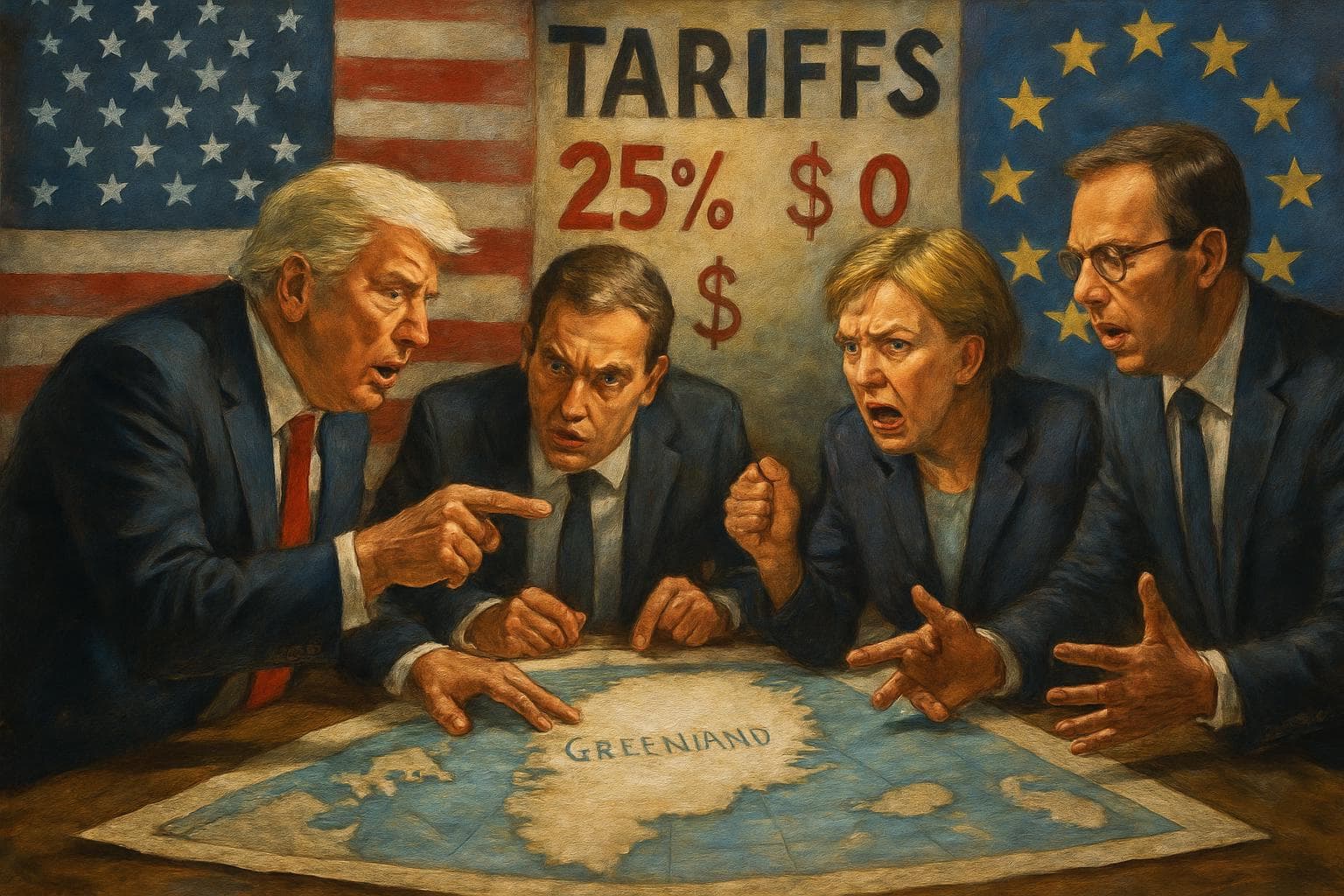
President Donald Trump's recent threats to impose tariffs on NATO allies unless they support a US acquisition of Greenland have ignited a firestorm of criticism from both sides of the Atlantic. The proposed tariffs, starting at 10% and potentially rising to 25%, target countries including the UK, Denmark, and Germany, unless a deal for the autonomous Danish territory is reached.
International Condemnation
European leaders have been quick to denounce the move. John Swinney, Scotland's First Minister, criticized the use of tariffs as a "bargaining chip," emphasizing that Greenland's future should be determined by its people. UK Culture Secretary Lisa Nandy echoed this sentiment, stating the UK's stance on Greenland is "non-negotiable."
Republican Dissent
Trump's actions have also faced backlash from within his own party. Republican Senators Thom Tillis and Lisa Murkowski have expressed concern that the tariffs could harm US economic interests and weaken NATO. Murkowski described the tariffs as "unnecessary" and warned they could push European allies away, playing into the hands of adversaries like Russia.
Economic Implications
The Scottish whisky industry is particularly worried about the economic impact. With existing tariffs already affecting exports, industry leaders like Jock Ramsay of Glen Wyvis distillery fear further increases could deter US customers. The UK government is actively seeking tariff reductions as part of broader trade negotiations with the US.
EU's Strategic Dilemma
The European Union's strategy of appeasement towards Trump is under scrutiny. Critics argue that recent trade agreements, perceived as skewed in favor of the US, have failed to secure stability. The EU is now considering pausing ratification of these deals in response to Trump's aggressive tactics.
WHAT THIS MIGHT MEAN
The ongoing tensions over Greenland could have significant implications for international relations. If Trump's tariff threats materialize, they may further strain the transatlantic alliance, potentially leading to a reevaluation of NATO's cohesion. European leaders might be compelled to strengthen intra-European trade ties and defense capabilities to counterbalance US unpredictability.
Economically, industries like Scotch whisky could face challenges in maintaining their US market presence, prompting a shift towards alternative markets in Asia and Europe. Politically, the situation underscores the delicate balance between maintaining strong US ties and asserting European autonomy, a dynamic that will likely shape future diplomatic strategies.
Related Articles

UK-Iran Tensions: Starmer Defends Cautious Approach Amid Trump Criticism
Spain's Sánchez Stands Firm Against Trump's Trade Threat Over Iran Stance
Tech Giants Pledge to Cover AI Data Center Energy Costs Amid Rising Electricity Concerns

UK Government to Reform Asylum Seeker Support and Employment Policies
Russian LNG Tanker Sinks in Mediterranean Amid Accusations of Ukrainian Drone Attack
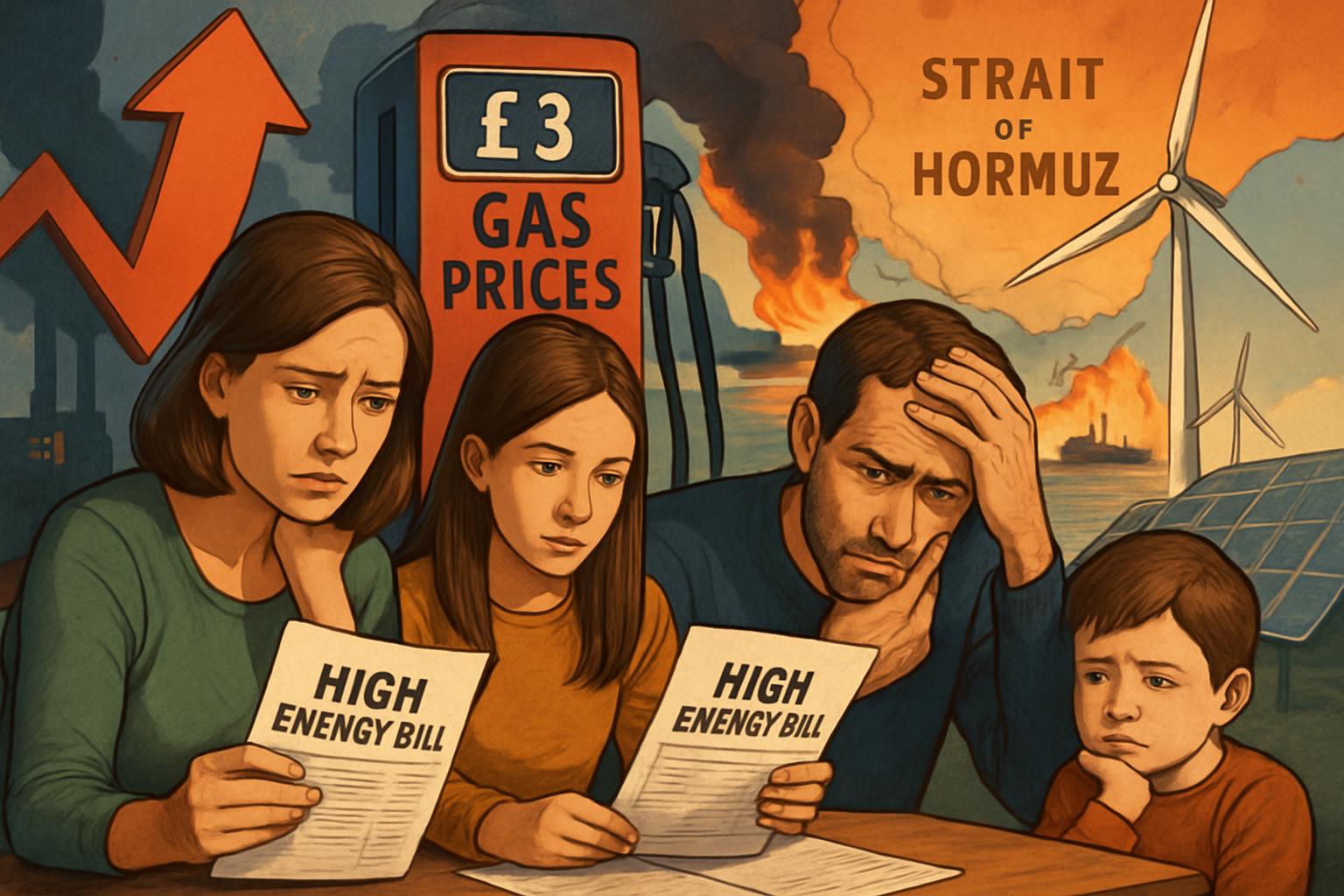
Middle East Conflict Drives UK Energy Prices to New Highs
Trump's Greenland Tariff Threats Strain NATO Ties and Spark Global Backlash
In This Article
 Daniel Rivera| Published
 HIGHLIGHTS
- President Trump has threatened tariffs on NATO allies unless they support a US takeover of Greenland, sparking widespread criticism.
- European countries, including the UK, have condemned the tariffs, emphasizing Greenland's autonomy and the importance of dialogue over coercion.
- US Republican senators and European leaders warn that Trump's actions could strain NATO relations and benefit adversaries like Russia.
- The Scottish whisky industry fears increased tariffs could harm exports, with industry leaders urging for tariff reductions.
- The EU's strategy of appeasement towards Trump is seen as failing, with calls to pause trade agreements in response to the tariff threats.
President Donald Trump's recent threats to impose tariffs on NATO allies unless they support a US acquisition of Greenland have ignited a firestorm of criticism from both sides of the Atlantic. The proposed tariffs, starting at 10% and potentially rising to 25%, target countries including the UK, Denmark, and Germany, unless a deal for the autonomous Danish territory is reached.
International Condemnation
European leaders have been quick to denounce the move. John Swinney, Scotland's First Minister, criticized the use of tariffs as a "bargaining chip," emphasizing that Greenland's future should be determined by its people. UK Culture Secretary Lisa Nandy echoed this sentiment, stating the UK's stance on Greenland is "non-negotiable."
Republican Dissent
Trump's actions have also faced backlash from within his own party. Republican Senators Thom Tillis and Lisa Murkowski have expressed concern that the tariffs could harm US economic interests and weaken NATO. Murkowski described the tariffs as "unnecessary" and warned they could push European allies away, playing into the hands of adversaries like Russia.
Economic Implications
The Scottish whisky industry is particularly worried about the economic impact. With existing tariffs already affecting exports, industry leaders like Jock Ramsay of Glen Wyvis distillery fear further increases could deter US customers. The UK government is actively seeking tariff reductions as part of broader trade negotiations with the US.
EU's Strategic Dilemma
The European Union's strategy of appeasement towards Trump is under scrutiny. Critics argue that recent trade agreements, perceived as skewed in favor of the US, have failed to secure stability. The EU is now considering pausing ratification of these deals in response to Trump's aggressive tactics.
WHAT THIS MIGHT MEAN
The ongoing tensions over Greenland could have significant implications for international relations. If Trump's tariff threats materialize, they may further strain the transatlantic alliance, potentially leading to a reevaluation of NATO's cohesion. European leaders might be compelled to strengthen intra-European trade ties and defense capabilities to counterbalance US unpredictability.
Economically, industries like Scotch whisky could face challenges in maintaining their US market presence, prompting a shift towards alternative markets in Asia and Europe. Politically, the situation underscores the delicate balance between maintaining strong US ties and asserting European autonomy, a dynamic that will likely shape future diplomatic strategies.
Related Articles
UK-Iran Tensions: Starmer Defends Cautious Approach Amid Trump Criticism
Spain's Sánchez Stands Firm Against Trump's Trade Threat Over Iran Stance
Tech Giants Pledge to Cover AI Data Center Energy Costs Amid Rising Electricity Concerns
UK Government to Reform Asylum Seeker Support and Employment Policies
Russian LNG Tanker Sinks in Mediterranean Amid Accusations of Ukrainian Drone Attack
Middle East Conflict Drives UK Energy Prices to New Highs