
Trump's National Guard Deployment Sparks Controversy Amid Crime Crackdown

In This Article
HIGHLIGHTS
- President Trump has threatened to deploy National Guard troops to Baltimore, escalating tensions with Maryland Governor Wes Moore.
- Trump has already deployed around 2,000 troops to Washington DC, claiming it has improved safety, despite Democratic opposition.
- Plans are underway to send troops to Chicago, with Pentagon officials confirming preparations for deployment in 19 states.
- Democratic leaders, including Hakeem Jeffries and Illinois Governor JB Pritzker, criticize Trump's actions as an abuse of power.
- Crime statistics show a decrease in violent offenses in Washington DC, contradicting Trump's claims of a crisis.
President Donald Trump's recent threats to deploy National Guard troops to Baltimore have intensified a political clash with Maryland Governor Wes Moore. This move is part of Trump's broader strategy to address crime in Democratic-led cities, a plan that has drawn significant criticism from Democratic leaders.
Baltimore and Beyond: Trump's Military Strategy
Trump's comments on social media suggested that if Governor Moore required assistance, he would send in troops to "quickly clean up the Crime," similar to actions taken in Washington DC. This statement followed Moore's invitation for Trump to join a "safety walk" in Baltimore, which the president dismissed as "nasty" and "provocative."
The deployment of approximately 2,000 troops to Washington DC has already taken place, with the military confirming that the National Guard is now armed and ready to act as a last resort. Trump has praised the operation, claiming it has brought "total safety" to the capital, despite a 26% decrease in violent crime reported by the Metropolitan Police Department.
Chicago and the National Guard: A Manufactured Crisis?
Plans to send National Guard troops to Chicago have also been confirmed by Pentagon officials. This decision has been met with strong opposition from local leaders. House Minority Leader Hakeem Jeffries accused Trump of "manufacturing a crisis" to justify the deployment, while Chicago Mayor Brandon Johnson described it as a "flagrant violation of our constitution."
Illinois Governor JB Pritzker echoed these sentiments, stating that there has been no request for federal intervention in the state. The deployment is part of a broader plan to mobilize up to 1,700 troops across 19 states, primarily to support immigration enforcement.
Democratic Backlash and Legal Concerns
Democratic leaders have been vocal in their criticism, arguing that Trump's actions represent an overreach of executive power. Jeffries emphasized the importance of supporting local law enforcement rather than federal intervention, while Pritzker highlighted the lack of legal authority for such deployments.
The controversy underscores the ongoing debate over the use of military personnel for domestic law enforcement, a tactic that has historically been reserved for national emergencies.
WHAT THIS MIGHT MEAN
The deployment of National Guard troops to Democratic-led cities could have significant political and legal implications. If Trump proceeds with his plans, it may lead to legal challenges from state governments and further strain federal-state relations. Experts suggest that the move could be seen as an attempt to bolster Trump's tough-on-crime image ahead of upcoming elections.
Furthermore, the backlash from Democratic leaders may galvanize opposition to Trump's policies, potentially impacting his support among moderate voters. As the situation unfolds, the balance between federal authority and state autonomy will likely remain a contentious issue in American politics.
Related Articles

US and Israel Intensify Military Campaign as Iran's Capabilities Dwindle
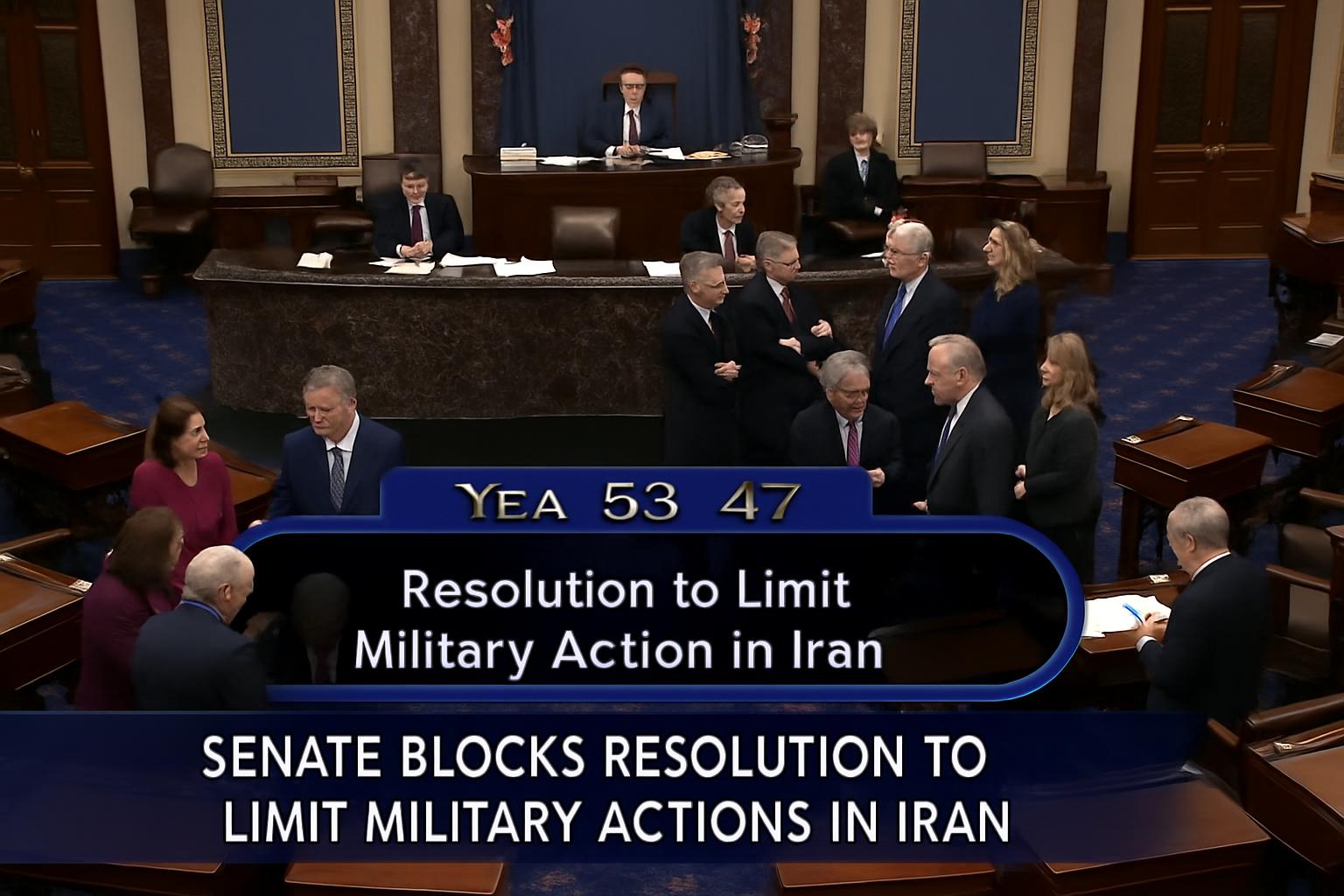
Senate Blocks Resolution to Limit Trump's Military Actions in Iran
Spain's Sánchez Stands Firm Against Trump's Trade Threat Over Iran Stance
US-Iran Tensions Escalate Amid Renewed Nuclear Talks and Protests

Greenland Politely Declines Trump's Hospital Ship Offer Amid Healthcare Debate
Congress Subpoenas Attorney General Bondi in Epstein Investigation
Trump's National Guard Deployment Sparks Controversy Amid Crime Crackdown
In This Article
 Ethan Brooks| Published
 HIGHLIGHTS
- President Trump has threatened to deploy National Guard troops to Baltimore, escalating tensions with Maryland Governor Wes Moore.
- Trump has already deployed around 2,000 troops to Washington DC, claiming it has improved safety, despite Democratic opposition.
- Plans are underway to send troops to Chicago, with Pentagon officials confirming preparations for deployment in 19 states.
- Democratic leaders, including Hakeem Jeffries and Illinois Governor JB Pritzker, criticize Trump's actions as an abuse of power.
- Crime statistics show a decrease in violent offenses in Washington DC, contradicting Trump's claims of a crisis.
President Donald Trump's recent threats to deploy National Guard troops to Baltimore have intensified a political clash with Maryland Governor Wes Moore. This move is part of Trump's broader strategy to address crime in Democratic-led cities, a plan that has drawn significant criticism from Democratic leaders.
Baltimore and Beyond: Trump's Military Strategy
Trump's comments on social media suggested that if Governor Moore required assistance, he would send in troops to "quickly clean up the Crime," similar to actions taken in Washington DC. This statement followed Moore's invitation for Trump to join a "safety walk" in Baltimore, which the president dismissed as "nasty" and "provocative."
The deployment of approximately 2,000 troops to Washington DC has already taken place, with the military confirming that the National Guard is now armed and ready to act as a last resort. Trump has praised the operation, claiming it has brought "total safety" to the capital, despite a 26% decrease in violent crime reported by the Metropolitan Police Department.
Chicago and the National Guard: A Manufactured Crisis?
Plans to send National Guard troops to Chicago have also been confirmed by Pentagon officials. This decision has been met with strong opposition from local leaders. House Minority Leader Hakeem Jeffries accused Trump of "manufacturing a crisis" to justify the deployment, while Chicago Mayor Brandon Johnson described it as a "flagrant violation of our constitution."
Illinois Governor JB Pritzker echoed these sentiments, stating that there has been no request for federal intervention in the state. The deployment is part of a broader plan to mobilize up to 1,700 troops across 19 states, primarily to support immigration enforcement.
Democratic Backlash and Legal Concerns
Democratic leaders have been vocal in their criticism, arguing that Trump's actions represent an overreach of executive power. Jeffries emphasized the importance of supporting local law enforcement rather than federal intervention, while Pritzker highlighted the lack of legal authority for such deployments.
The controversy underscores the ongoing debate over the use of military personnel for domestic law enforcement, a tactic that has historically been reserved for national emergencies.
WHAT THIS MIGHT MEAN
The deployment of National Guard troops to Democratic-led cities could have significant political and legal implications. If Trump proceeds with his plans, it may lead to legal challenges from state governments and further strain federal-state relations. Experts suggest that the move could be seen as an attempt to bolster Trump's tough-on-crime image ahead of upcoming elections.
Furthermore, the backlash from Democratic leaders may galvanize opposition to Trump's policies, potentially impacting his support among moderate voters. As the situation unfolds, the balance between federal authority and state autonomy will likely remain a contentious issue in American politics.
Related Articles
US and Israel Intensify Military Campaign as Iran's Capabilities Dwindle
Senate Blocks Resolution to Limit Trump's Military Actions in Iran
Spain's Sánchez Stands Firm Against Trump's Trade Threat Over Iran Stance
US-Iran Tensions Escalate Amid Renewed Nuclear Talks and Protests
Greenland Politely Declines Trump's Hospital Ship Offer Amid Healthcare Debate
Congress Subpoenas Attorney General Bondi in Epstein Investigation