
Trump's NATO Summit Arrival Amidst Middle East Tensions and Defense Spending Debates
In This Article
HIGHLIGHTS
- NATO Secretary General Mark Rutte praised Trump for his decisive action in Iran, highlighting a shift in diplomatic dynamics.
- Trump shared a congratulatory message from Rutte, emphasizing NATO's commitment to increasing defense spending to 3.5% of GDP by 2035.
- The US military strike on Iran's nuclear facilities led to a fragile ceasefire between Israel and Iran, though its long-term impact is debated.
- Trump's ambiguous remarks on NATO's Article 5 have raised concerns about the US's commitment to mutual defense guarantees.
- Ukraine's President Zelenskyy faces disappointment as US support wanes, with NATO focusing on defense spending rather than Ukraine's membership.
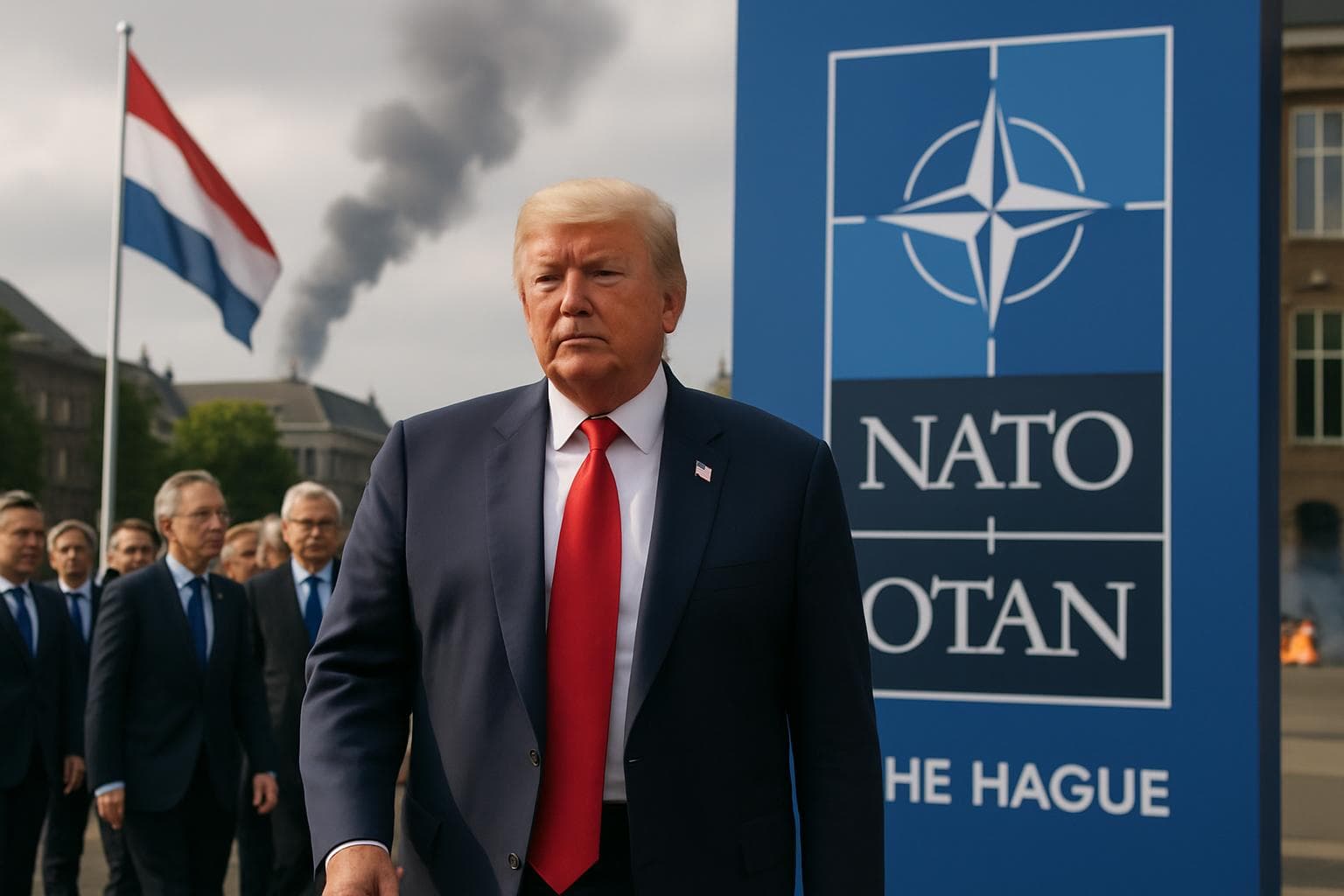
As President Donald Trump arrived at the NATO summit in The Hague, he carried with him a wave of diplomatic momentum following recent military actions in the Middle East. Aboard Air Force One, Trump shared a text from NATO Secretary General Mark Rutte, who lauded the US president for his decisive military strike on Iran's nuclear sites. "Congratulations and thank you for your decisive action in Iran," Rutte wrote, a message Trump eagerly posted on his Truth Social account.
The NATO summit, set against the backdrop of heightened tensions in the Middle East, has seen member nations rally around a proposed increase in defense spending. Rutte has been instrumental in persuading allies to commit to raising defense budgets to 3.5% of GDP by 2035, with an additional 1.5% allocated to cyber, intelligence, and infrastructure. This move aims to bolster NATO's collective defense capabilities, a point underscored by Rutte's assertion that Europe must strengthen its defenses to deter potential threats.
Middle East Ceasefire and Military Intervention
The US military intervention in Iran, which targeted nuclear facilities at Fordow, Natanz, and Isfahan, has led to a tenuous ceasefire between Israel and Iran. While the White House claims the strikes significantly set back Iran's nuclear ambitions, Pentagon assessments suggest the damage may be less severe, with Iran's nuclear program potentially only delayed by months. This discrepancy highlights ongoing debates about the effectiveness of military interventions in achieving long-term security goals.
NATO's Article 5 and US Commitment
Trump's remarks on NATO's Article 5, which outlines mutual defense obligations, have sparked uncertainty. When questioned about the US's adherence to this principle, Trump responded ambiguously, stating, "Depends on your definition." This has raised concerns among allies about the reliability of US support, despite reassurances from US diplomats that the country remains committed to NATO.
Ukraine's Position and Future Prospects
The summit's focus on defense spending has overshadowed discussions about Ukraine's NATO membership, leaving President Volodymyr Zelenskyy in a challenging position. With US military aid to Ukraine halted, the country's path to NATO remains uncertain. Former NATO spokesperson Jamie Shea noted that support for Ukraine might shift towards European frameworks, but the absence of US backing leaves Kyiv vulnerable in its ongoing conflict with Russia.
WHAT THIS MIGHT MEAN
Looking ahead, the NATO summit's outcomes could have significant implications for both regional and global security dynamics. The increased defense spending commitment may strengthen NATO's deterrence capabilities, but the ambiguity surrounding the US's commitment to Article 5 could undermine alliance cohesion. In the Middle East, the fragile ceasefire between Israel and Iran remains precarious, with potential for renewed conflict if diplomatic efforts falter. For Ukraine, the lack of clear NATO support may push the country to seek alternative security arrangements, potentially reshaping its geopolitical alliances. As these developments unfold, the international community will be closely watching for shifts in US foreign policy and NATO's strategic priorities.
Related Articles
US and Israel Intensify Military Campaign as Iran's Capabilities Dwindle

Middle East Conflict Drives UK Energy Prices to New Highs

UK Faces Dilemmas Amid Iran Conflict and China Spying Allegations
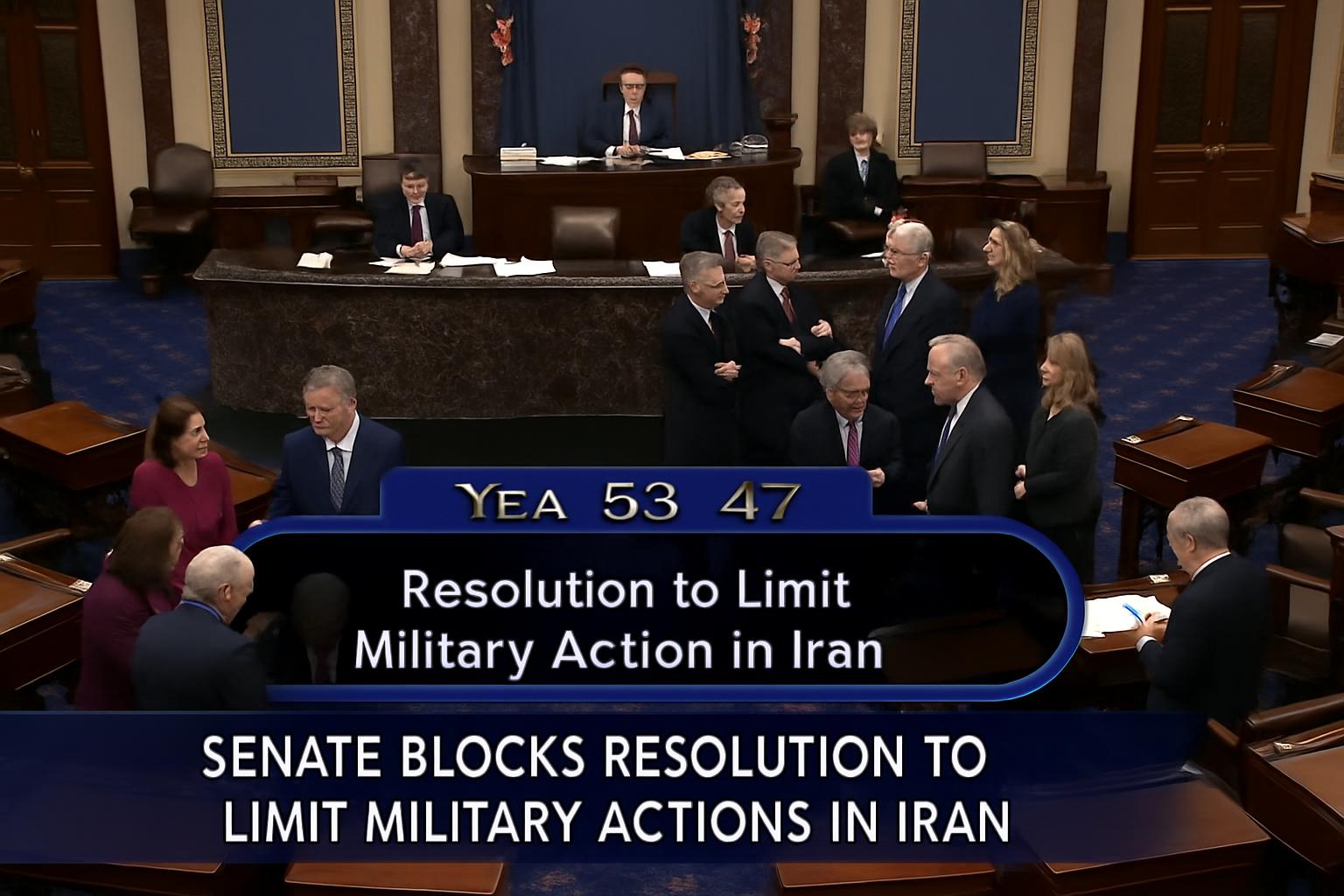
Senate Blocks Resolution to Limit Trump's Military Actions in Iran
UK-Iran Tensions: Starmer Defends Cautious Approach Amid Trump Criticism
Spain's Sánchez Stands Firm Against Trump's Trade Threat Over Iran Stance
Trump's NATO Summit Arrival Amidst Middle East Tensions and Defense Spending Debates
In This Article
 James Okoro| Published
 HIGHLIGHTS
- NATO Secretary General Mark Rutte praised Trump for his decisive action in Iran, highlighting a shift in diplomatic dynamics.
- Trump shared a congratulatory message from Rutte, emphasizing NATO's commitment to increasing defense spending to 3.5% of GDP by 2035.
- The US military strike on Iran's nuclear facilities led to a fragile ceasefire between Israel and Iran, though its long-term impact is debated.
- Trump's ambiguous remarks on NATO's Article 5 have raised concerns about the US's commitment to mutual defense guarantees.
- Ukraine's President Zelenskyy faces disappointment as US support wanes, with NATO focusing on defense spending rather than Ukraine's membership.
As President Donald Trump arrived at the NATO summit in The Hague, he carried with him a wave of diplomatic momentum following recent military actions in the Middle East. Aboard Air Force One, Trump shared a text from NATO Secretary General Mark Rutte, who lauded the US president for his decisive military strike on Iran's nuclear sites. "Congratulations and thank you for your decisive action in Iran," Rutte wrote, a message Trump eagerly posted on his Truth Social account.
The NATO summit, set against the backdrop of heightened tensions in the Middle East, has seen member nations rally around a proposed increase in defense spending. Rutte has been instrumental in persuading allies to commit to raising defense budgets to 3.5% of GDP by 2035, with an additional 1.5% allocated to cyber, intelligence, and infrastructure. This move aims to bolster NATO's collective defense capabilities, a point underscored by Rutte's assertion that Europe must strengthen its defenses to deter potential threats.
Middle East Ceasefire and Military Intervention
The US military intervention in Iran, which targeted nuclear facilities at Fordow, Natanz, and Isfahan, has led to a tenuous ceasefire between Israel and Iran. While the White House claims the strikes significantly set back Iran's nuclear ambitions, Pentagon assessments suggest the damage may be less severe, with Iran's nuclear program potentially only delayed by months. This discrepancy highlights ongoing debates about the effectiveness of military interventions in achieving long-term security goals.
NATO's Article 5 and US Commitment
Trump's remarks on NATO's Article 5, which outlines mutual defense obligations, have sparked uncertainty. When questioned about the US's adherence to this principle, Trump responded ambiguously, stating, "Depends on your definition." This has raised concerns among allies about the reliability of US support, despite reassurances from US diplomats that the country remains committed to NATO.
Ukraine's Position and Future Prospects
The summit's focus on defense spending has overshadowed discussions about Ukraine's NATO membership, leaving President Volodymyr Zelenskyy in a challenging position. With US military aid to Ukraine halted, the country's path to NATO remains uncertain. Former NATO spokesperson Jamie Shea noted that support for Ukraine might shift towards European frameworks, but the absence of US backing leaves Kyiv vulnerable in its ongoing conflict with Russia.
WHAT THIS MIGHT MEAN
Looking ahead, the NATO summit's outcomes could have significant implications for both regional and global security dynamics. The increased defense spending commitment may strengthen NATO's deterrence capabilities, but the ambiguity surrounding the US's commitment to Article 5 could undermine alliance cohesion. In the Middle East, the fragile ceasefire between Israel and Iran remains precarious, with potential for renewed conflict if diplomatic efforts falter. For Ukraine, the lack of clear NATO support may push the country to seek alternative security arrangements, potentially reshaping its geopolitical alliances. As these developments unfold, the international community will be closely watching for shifts in US foreign policy and NATO's strategic priorities.
Related Articles
US and Israel Intensify Military Campaign as Iran's Capabilities Dwindle
Middle East Conflict Drives UK Energy Prices to New Highs
UK Faces Dilemmas Amid Iran Conflict and China Spying Allegations
Senate Blocks Resolution to Limit Trump's Military Actions in Iran
UK-Iran Tensions: Starmer Defends Cautious Approach Amid Trump Criticism
Spain's Sánchez Stands Firm Against Trump's Trade Threat Over Iran Stance