
Trump Orders Naval Blockade on Venezuela Amid Rising Tensions Over Oil Sanctions
In This Article
HIGHLIGHTS
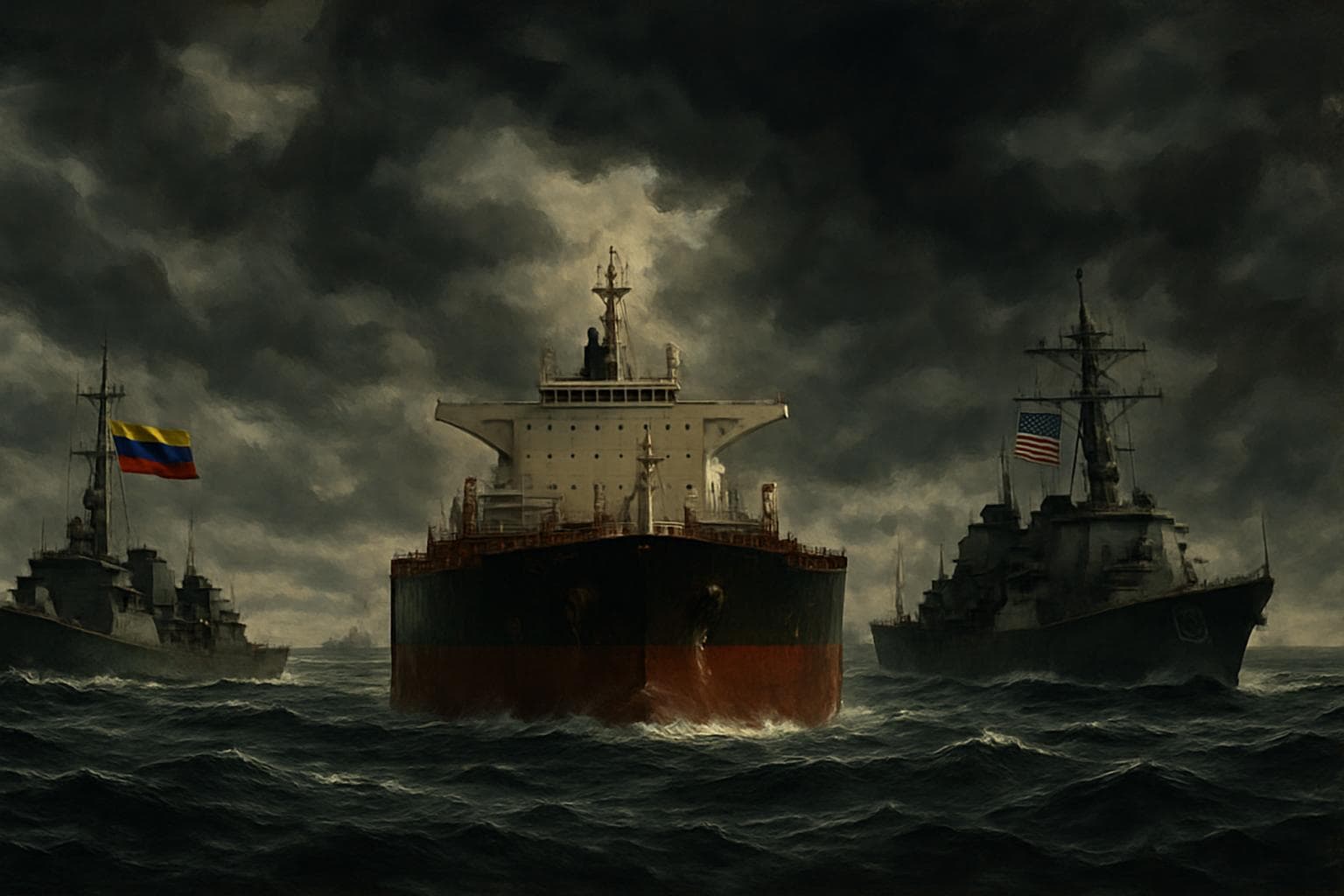
- President Trump has ordered a naval blockade to prevent sanctioned oil tankers from entering or leaving Venezuela, escalating US-Venezuela tensions.
- Venezuela relies heavily on oil exports, with current exports at around 920,000 barrels per day despite US sanctions.
- The "ghost fleet" of oil tankers is used by Venezuela to evade sanctions, a strategy also employed by Russia and Iran.
- The US military presence in the region has increased, with strikes on vessels suspected of drug trafficking, adding to the pressure on Nicolás Maduro's government.
- Venezuela accuses the US of using the blockade as a pretext for regime change, while China has expressed support for Venezuela's sovereignty.
In a significant escalation of tensions between the United States and Venezuela, former President Donald Trump has announced a "total and complete blockade" of oil tankers under sanctions from entering or leaving the South American nation. This move is part of a broader strategy to pressure Venezuela's President Nicolás Maduro by targeting the country's primary revenue source—oil exports.
The Role of Ghost Ships
Venezuela, home to the world's largest proven oil reserves, has been heavily reliant on oil exports to sustain its economy. However, US sanctions imposed on the state-run oil company PDVSA since 2019 have severely hampered these exports. In response, Venezuela has resorted to using a fleet of "ghost ships" to circumvent these restrictions. These vessels employ various tactics to disguise their movements and origins, a strategy also utilized by other sanctioned nations like Russia and Iran.
According to TankerTrackers.com, over 30 of the 80 ships in Venezuelan waters are under US sanctions. Despite these challenges, Venezuela's oil exports have partially rebounded to approximately 920,000 barrels per day, although this remains significantly below the peak levels of the late 1990s.
Military Presence and Accusations
The Trump administration has bolstered its military presence in the region, deploying thousands of troops and naval assets, including an aircraft carrier. This buildup is reportedly the largest in South America since the US invasion of Panama in 1989. The US has conducted numerous military strikes on vessels in the Caribbean and Pacific, claiming they were involved in drug trafficking operations.
Trump has accused Maduro's government of using oil revenues to finance illegal activities, including drug trafficking and human rights abuses. However, these claims have been met with skepticism, as the administration has not provided concrete evidence linking Venezuelan oil to such activities.
International Reactions and Implications
Venezuela has condemned the US actions as "international piracy" and insists that its oil export operations continue unabated. In a show of support, China, a major buyer of Venezuelan oil, has criticized the US blockade and affirmed its commitment to Venezuela's sovereignty.
The situation has sparked debate in the US Congress, with some lawmakers questioning the legality and motivations behind the blockade. Critics argue that the move is less about combating drug trafficking and more about exerting control over Venezuela's oil resources.
WHAT THIS MIGHT MEAN
The blockade and increased military presence could further strain US-Venezuela relations, potentially leading to diplomatic or military confrontations. If the blockade successfully curtails Venezuela's oil exports, it may exacerbate the country's economic crisis, increasing pressure on Maduro's government. However, Venezuela's ability to adapt through the use of ghost ships and alternative markets, like China, could mitigate some of these impacts.
Politically, the US's aggressive stance may face challenges both domestically and internationally. Critics argue that the focus on oil and regime change could overshadow legitimate concerns about drug trafficking. The situation also risks drawing in other global powers, such as China and Russia, who may view the US actions as a threat to their interests in the region.
Images from the Web

Related Articles
Cuba Faces Widespread Blackout Amid Deepening Fuel Crisis

UK Faces Dilemmas Amid Iran Conflict and China Spying Allegations
China Sets Lowest GDP Growth Target in Decades Amid Economic Challenges

Tech Giants Pledge to Cover AI Data Center Energy Costs Amid Rising Electricity Concerns
Senate Blocks Resolution to Limit Trump's Military Actions in Iran
UK-Iran Tensions: Starmer Defends Cautious Approach Amid Trump Criticism
Trump Orders Naval Blockade on Venezuela Amid Rising Tensions Over Oil Sanctions
In This Article
HIGHLIGHTS
- President Trump has ordered a naval blockade to prevent sanctioned oil tankers from entering or leaving Venezuela, escalating US-Venezuela tensions.
- Venezuela relies heavily on oil exports, with current exports at around 920,000 barrels per day despite US sanctions.
- The "ghost fleet" of oil tankers is used by Venezuela to evade sanctions, a strategy also employed by Russia and Iran.
- The US military presence in the region has increased, with strikes on vessels suspected of drug trafficking, adding to the pressure on Nicolás Maduro's government.
- Venezuela accuses the US of using the blockade as a pretext for regime change, while China has expressed support for Venezuela's sovereignty.
In a significant escalation of tensions between the United States and Venezuela, former President Donald Trump has announced a "total and complete blockade" of oil tankers under sanctions from entering or leaving the South American nation. This move is part of a broader strategy to pressure Venezuela's President Nicolás Maduro by targeting the country's primary revenue source—oil exports.
The Role of Ghost Ships
Venezuela, home to the world's largest proven oil reserves, has been heavily reliant on oil exports to sustain its economy. However, US sanctions imposed on the state-run oil company PDVSA since 2019 have severely hampered these exports. In response, Venezuela has resorted to using a fleet of "ghost ships" to circumvent these restrictions. These vessels employ various tactics to disguise their movements and origins, a strategy also utilized by other sanctioned nations like Russia and Iran.
According to TankerTrackers.com, over 30 of the 80 ships in Venezuelan waters are under US sanctions. Despite these challenges, Venezuela's oil exports have partially rebounded to approximately 920,000 barrels per day, although this remains significantly below the peak levels of the late 1990s.
Military Presence and Accusations
The Trump administration has bolstered its military presence in the region, deploying thousands of troops and naval assets, including an aircraft carrier. This buildup is reportedly the largest in South America since the US invasion of Panama in 1989. The US has conducted numerous military strikes on vessels in the Caribbean and Pacific, claiming they were involved in drug trafficking operations.
Trump has accused Maduro's government of using oil revenues to finance illegal activities, including drug trafficking and human rights abuses. However, these claims have been met with skepticism, as the administration has not provided concrete evidence linking Venezuelan oil to such activities.
International Reactions and Implications
Venezuela has condemned the US actions as "international piracy" and insists that its oil export operations continue unabated. In a show of support, China, a major buyer of Venezuelan oil, has criticized the US blockade and affirmed its commitment to Venezuela's sovereignty.
The situation has sparked debate in the US Congress, with some lawmakers questioning the legality and motivations behind the blockade. Critics argue that the move is less about combating drug trafficking and more about exerting control over Venezuela's oil resources.
WHAT THIS MIGHT MEAN
The blockade and increased military presence could further strain US-Venezuela relations, potentially leading to diplomatic or military confrontations. If the blockade successfully curtails Venezuela's oil exports, it may exacerbate the country's economic crisis, increasing pressure on Maduro's government. However, Venezuela's ability to adapt through the use of ghost ships and alternative markets, like China, could mitigate some of these impacts.
Politically, the US's aggressive stance may face challenges both domestically and internationally. Critics argue that the focus on oil and regime change could overshadow legitimate concerns about drug trafficking. The situation also risks drawing in other global powers, such as China and Russia, who may view the US actions as a threat to their interests in the region.
Images from the Web
Related Articles
Cuba Faces Widespread Blackout Amid Deepening Fuel Crisis
UK Faces Dilemmas Amid Iran Conflict and China Spying Allegations
China Sets Lowest GDP Growth Target in Decades Amid Economic Challenges
Tech Giants Pledge to Cover AI Data Center Energy Costs Amid Rising Electricity Concerns
Senate Blocks Resolution to Limit Trump's Military Actions in Iran
UK-Iran Tensions: Starmer Defends Cautious Approach Amid Trump Criticism